Trip Overview
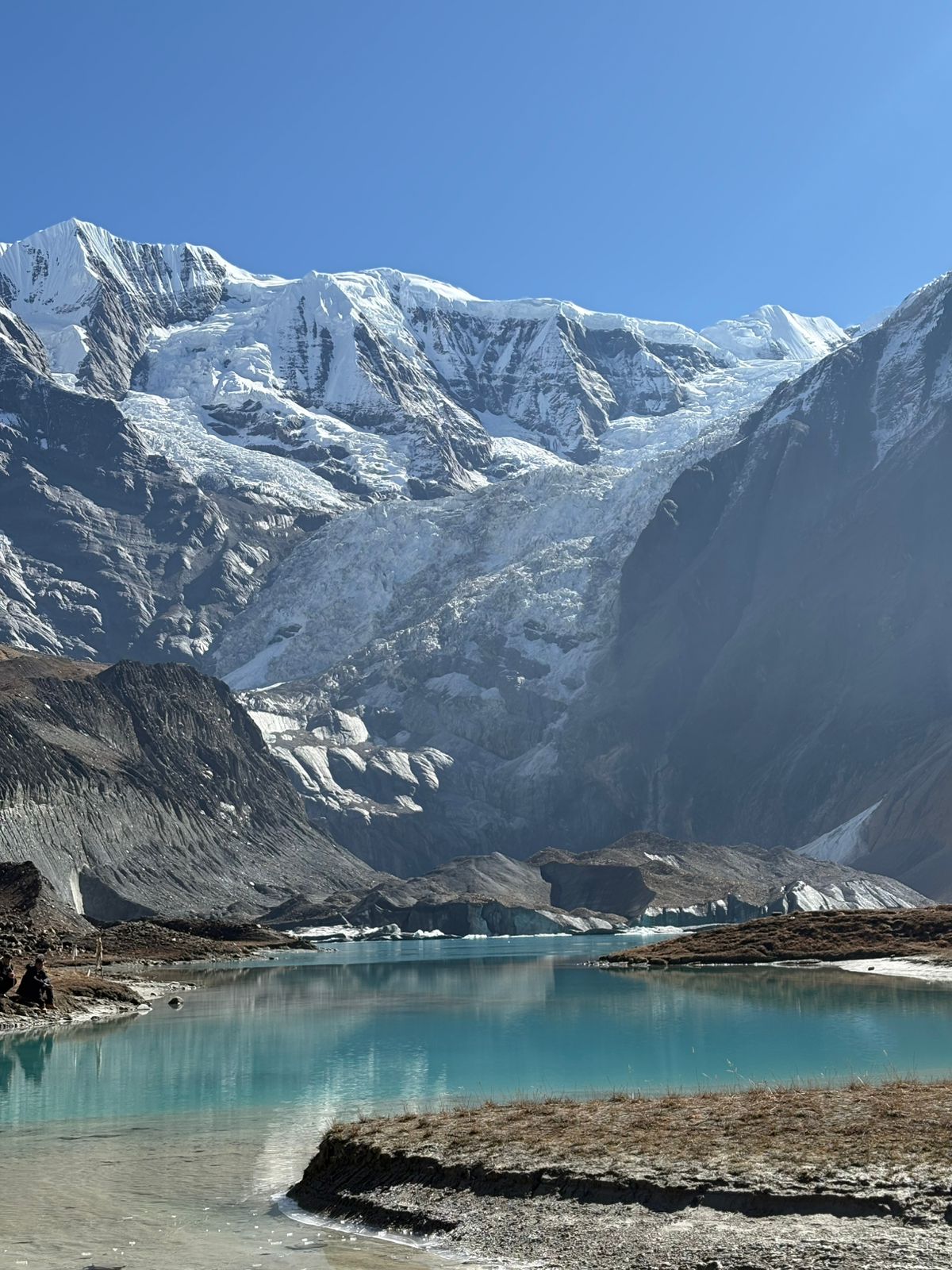
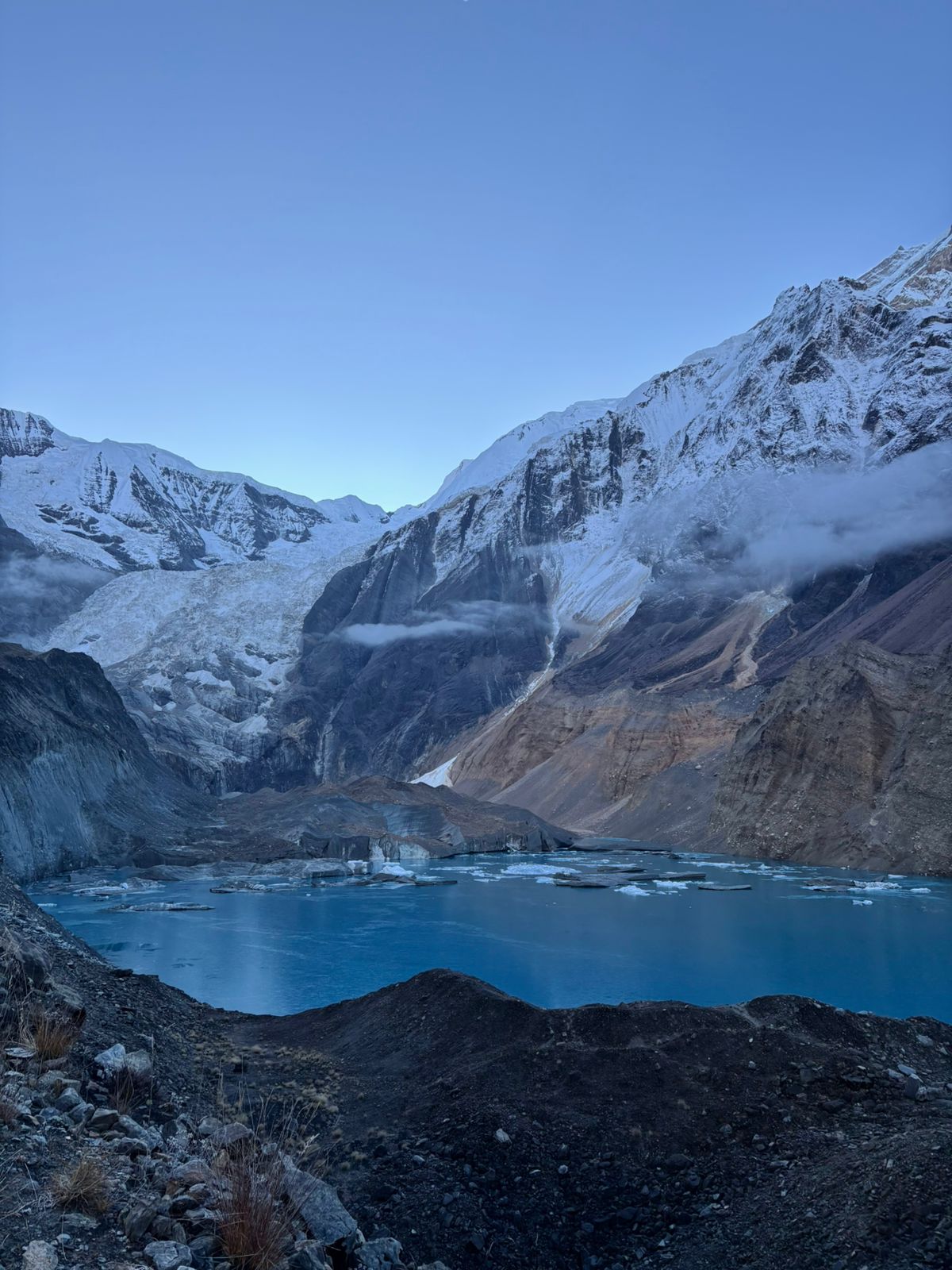
The North Annapurna Base Camp Trek is a remote trek in Nepal that leads to the northern face of Annapurna I (8,091 m), the 10th highest mountain in the world. Located within the Annapurna Conservation Area, this trek offers a rare chance to experience untouched Himalayan landscapes far from the crowded trails of the classic Annapurna Base Camp route, making it one of the most rewarding experiences for remote trekking in Nepal.
What is the North Annapurna Base Camp Trek?
The North Annapurna Base Camp Trek is a remote high-altitude trekking route in Nepal that leads to the northern face of Annapurna I through glacier valleys, alpine terrain, and isolated Himalayan villages.
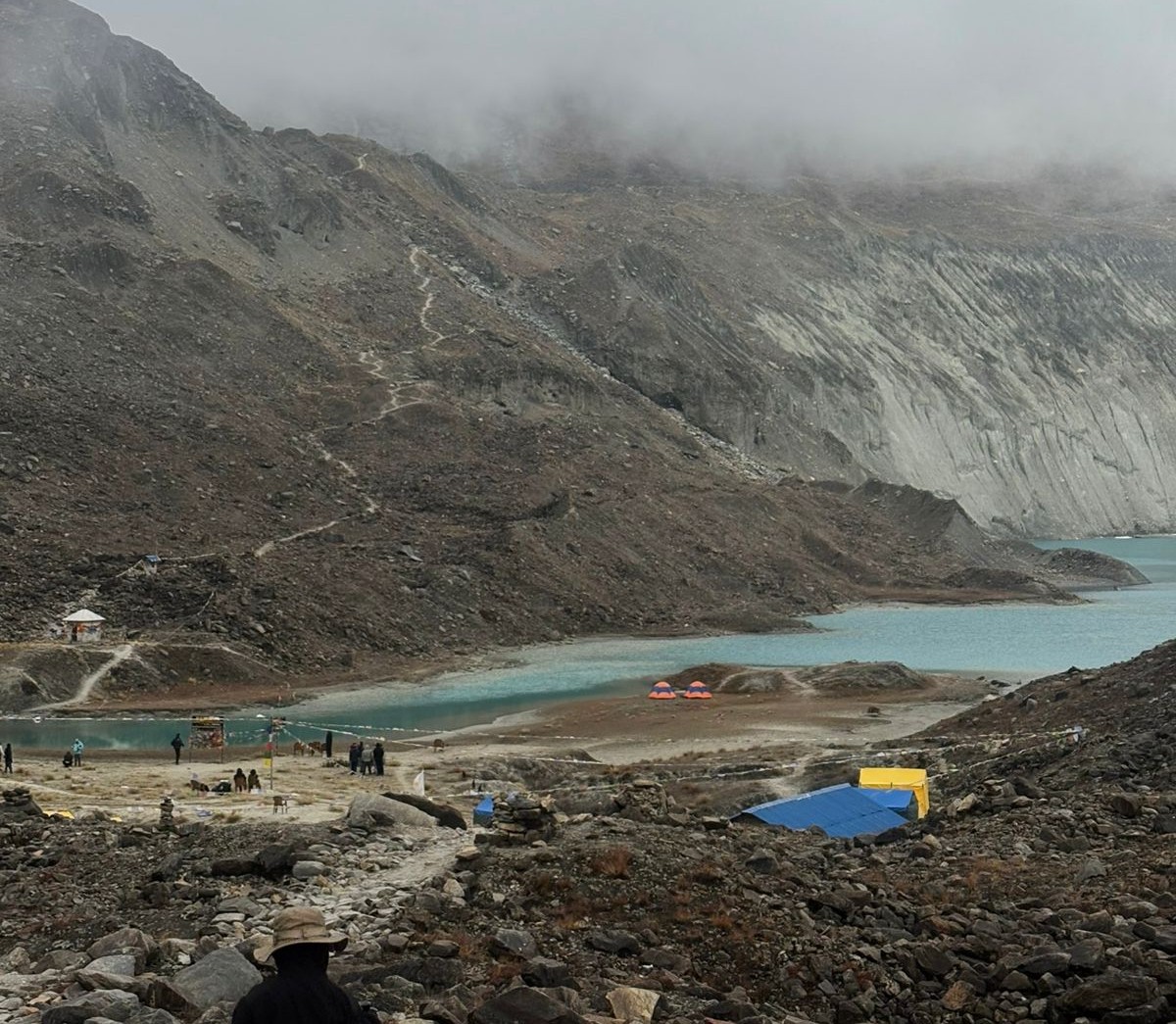
Unlike the standard ABC trek, the North ABC route remains quiet, less developed, and far less traveled, making it one of the most unique Annapurna Base Camp alternative routes in Nepal for experienced trekkers. Trekkers pass through raw Himalayan wilderness, isolated valleys, and traditional mountain villages, making it ideal for those seeking true solitude in the mountains.
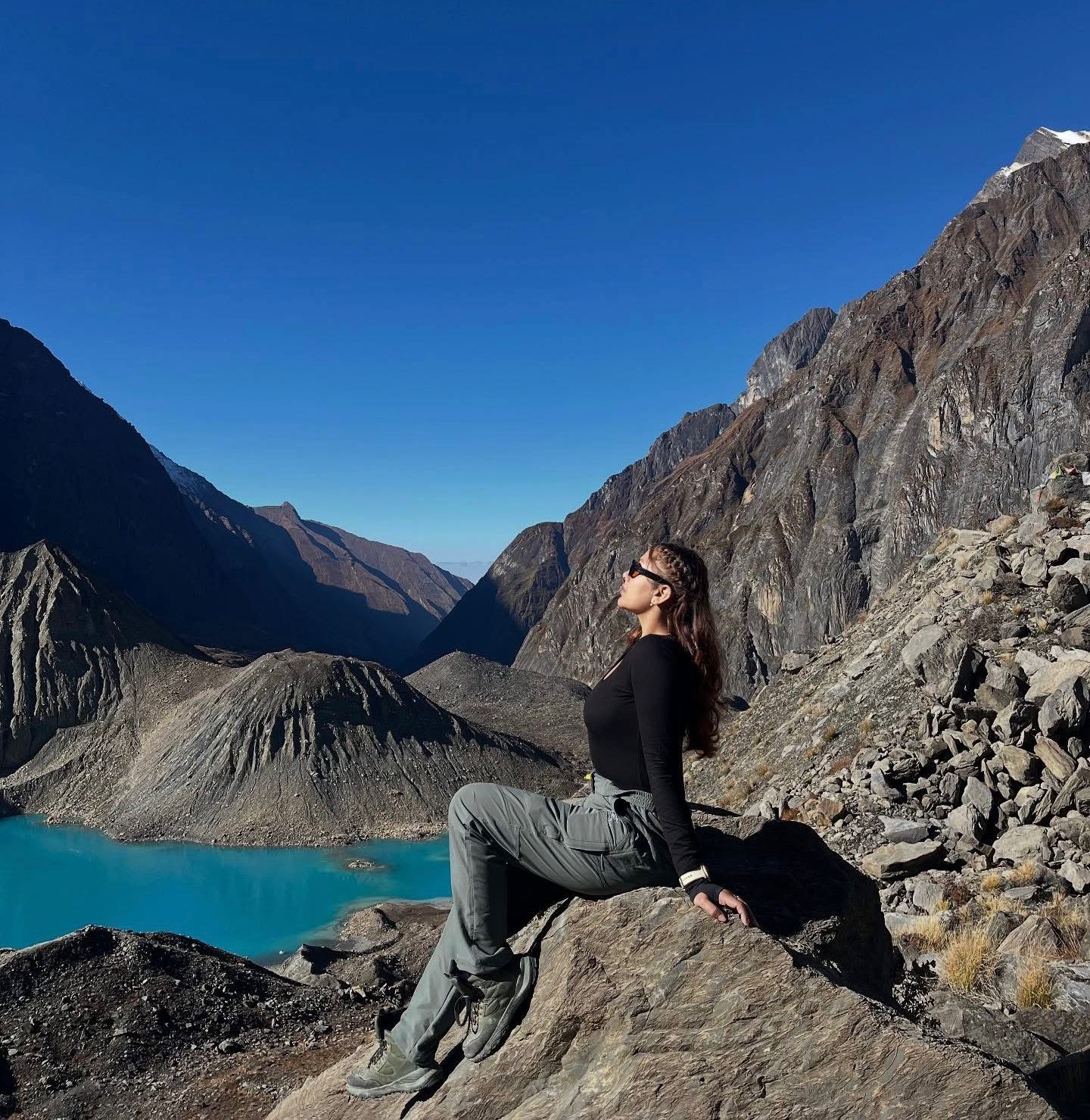
The trek reaches elevations of over 4,000–4,500 meters, depending on the route, combining glacier valleys, alpine terrain, and cultural settlements into a challenging but highly rewarding journey.
For many trekkers, the silence and isolation of the northern Annapurna region become more memorable than the destination itself.
Highlights of the North Annapurna Base Camp Trek
The trek combines natural intensity with cultural depth, offering a wide range of experiences:
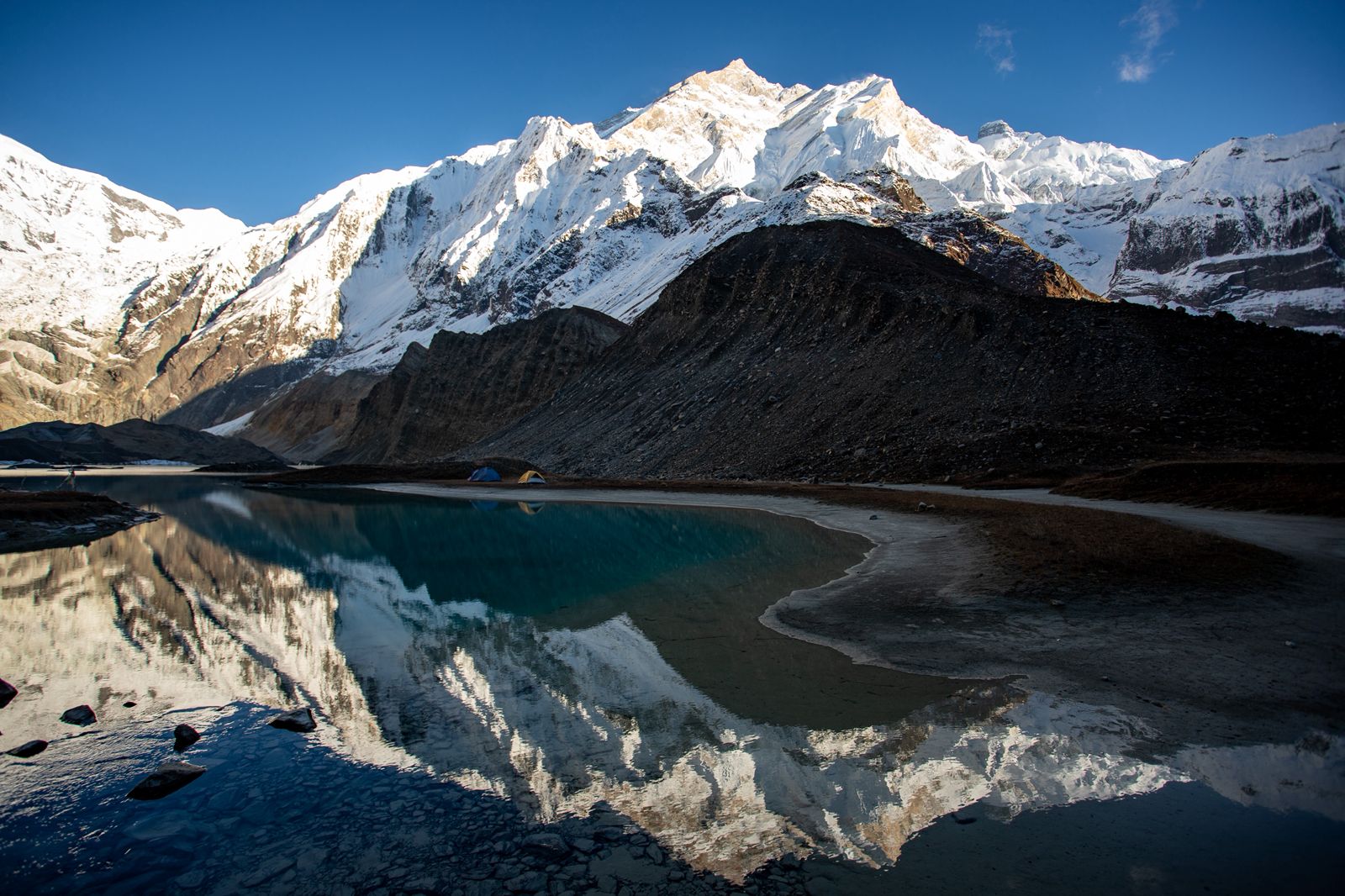
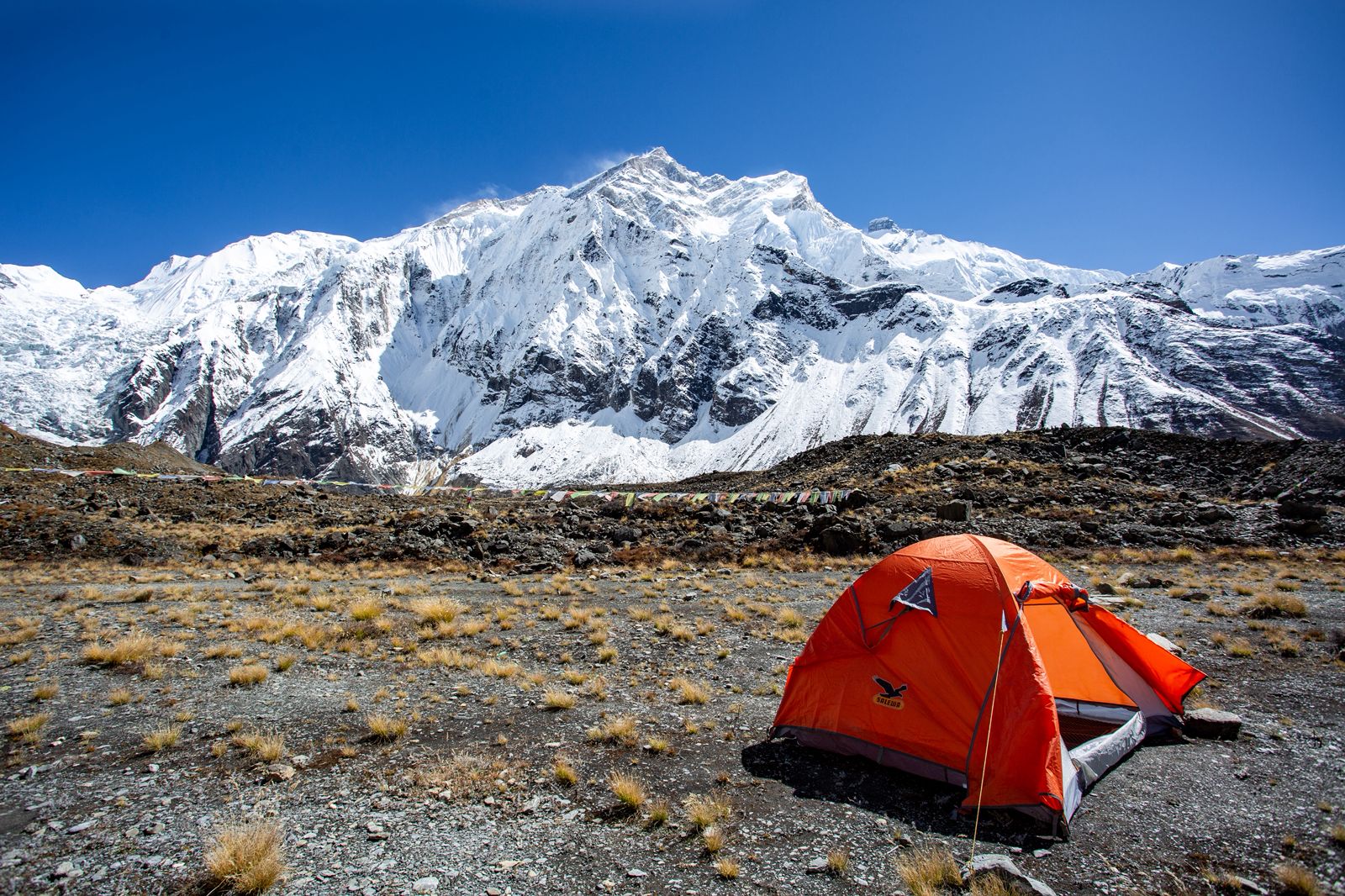
Close-up views of Annapurna I and surrounding peaks
A true off-the-beaten-path trek in Nepal with minimal trekking traffic
Massive glaciers and dramatic icefall landscapes
Rhododendron forests in spring bloom
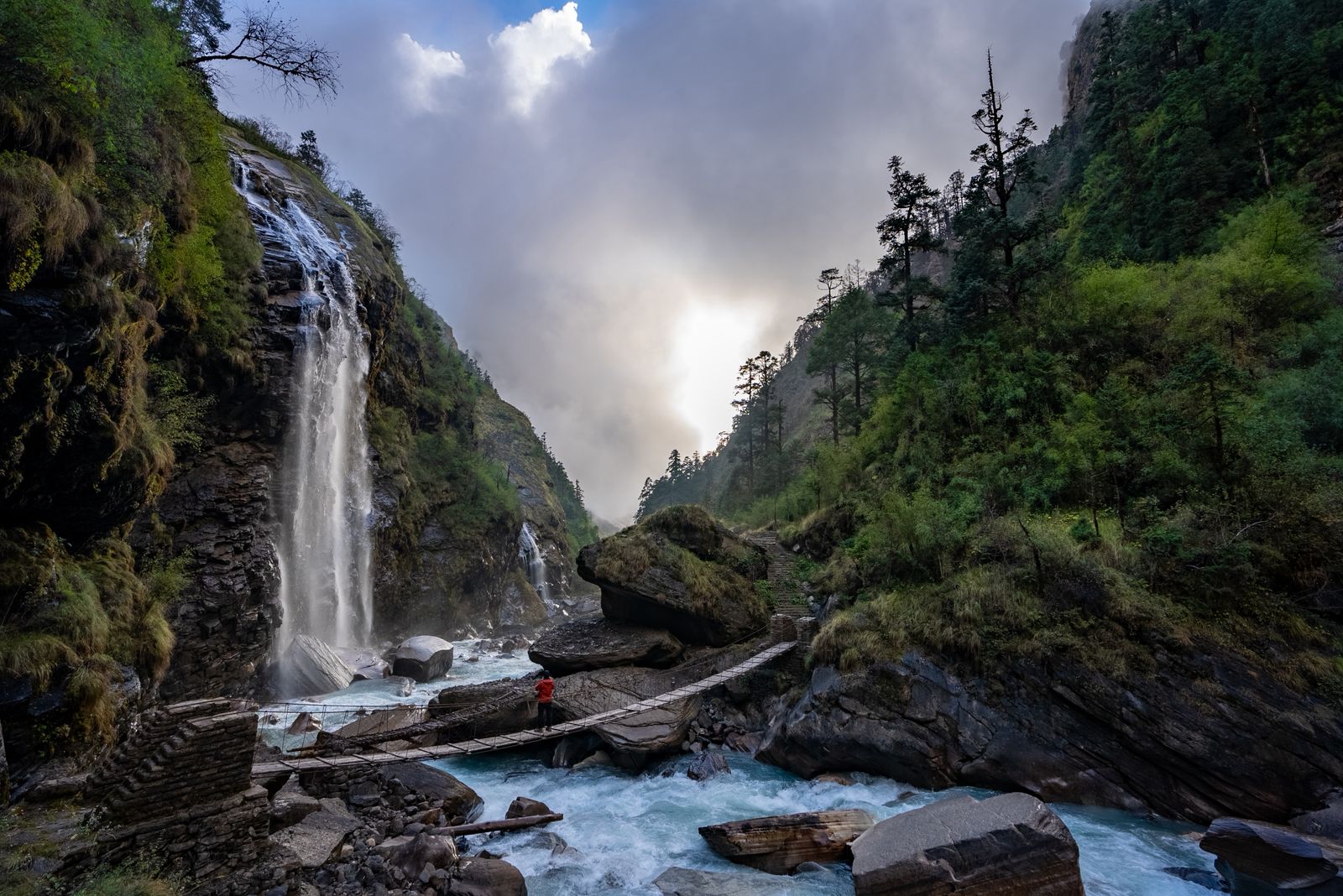
Deep river gorges and suspension bridges
Excellent night-sky visibility far from urban light pollution
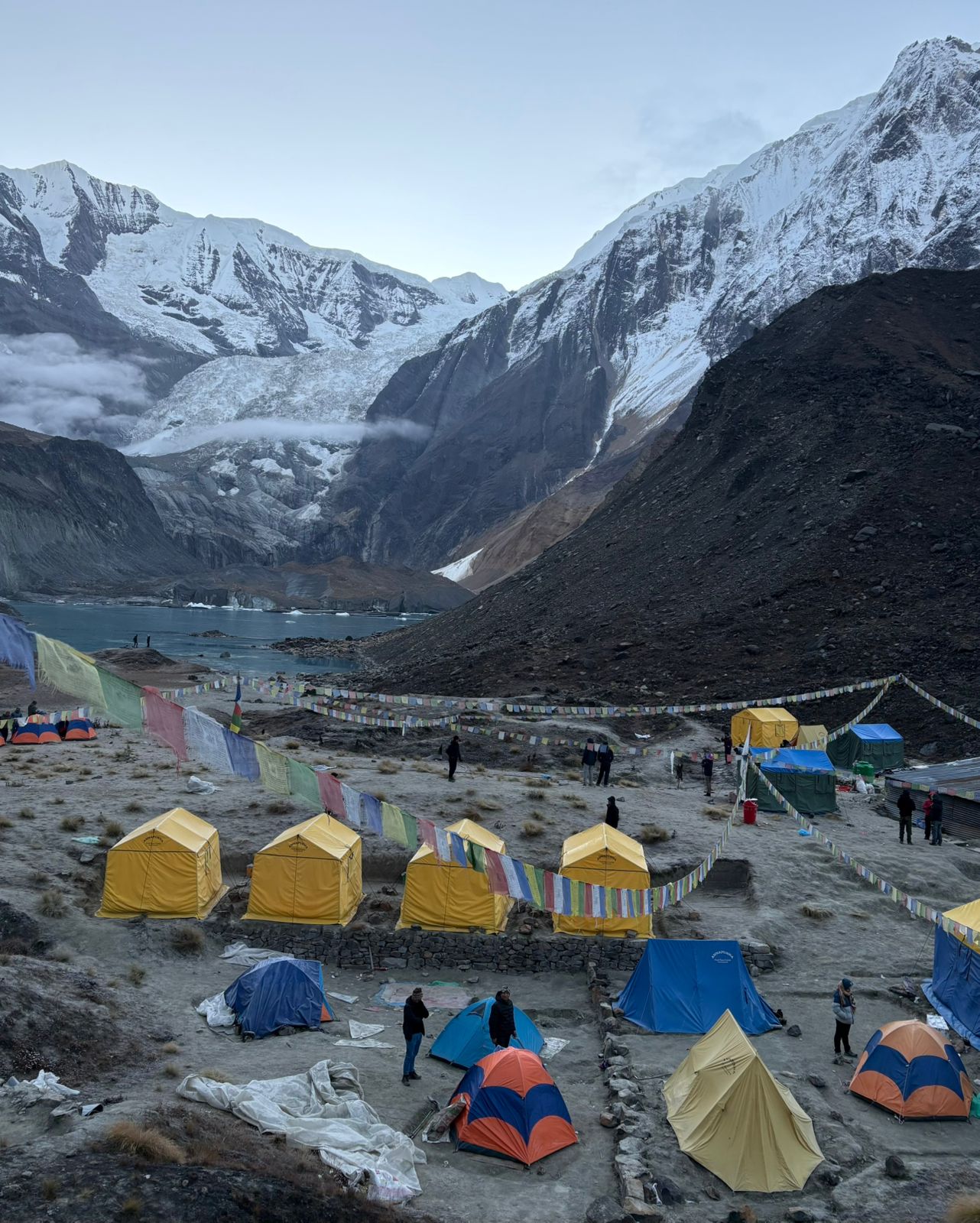
A remote expedition-style trekking experience with limited infrastructure
Interaction with Gurung and Tibetan-influenced villages with stone houses and terrace farming
Why the North Annapurna Base Camp Trek Stands Out
The North Annapurna Base Camp route stands apart from the popular Annapurna Circuit and Annapurna Base Camp trails for its remoteness and limited foot traffic. Unlike well-established tea-house trekking routes, this journey feels closer to an expedition through a largely untouched Himalayan landscape. The trek lies deep in the Annapurna trekking region of Nepal, where isolation and wilderness dominate the landscape.
Trekkers encounter far fewer visitors, more basic infrastructure, and increasingly isolated terrain as the altitude rises. Deep valleys, steep ridgelines, and glacier-fed environments define much of the journey, replacing the more developed trail systems found elsewhere in the Annapurna region.
Beyond the physical challenge, the route passes through small Himalayan villages where traditional lifestyles remain largely unchanged. The environment becomes progressively quieter, with long stretches of silence broken only by rivers, wind, and distant yak bells.
The trek is considered a hidden gem not only because it is less traveled, but also because it offers a rare sense of discovery in one of Nepal’s most popular trekking regions. It is often considered a challenging Annapurna Base Camp alternative route for experienced trekkers seeking solitude and wilderness
What Makes the North Annapurna Base Camp Trek Special?
- True off-the-beaten-path trekking in Nepal
- Raw Himalayan wilderness with minimal human impact
- Expansive glacier valleys and alpine scenery
- Expedition-style trekking experience with fewer comforts
- Because of its limited infrastructure and isolated setting, the trek feels closer to a small Himalayan expedition than a traditional tea-house journey
- This is a true off-the-beaten-path trek in Nepal, offering raw landscapes and minimal tourist presence.
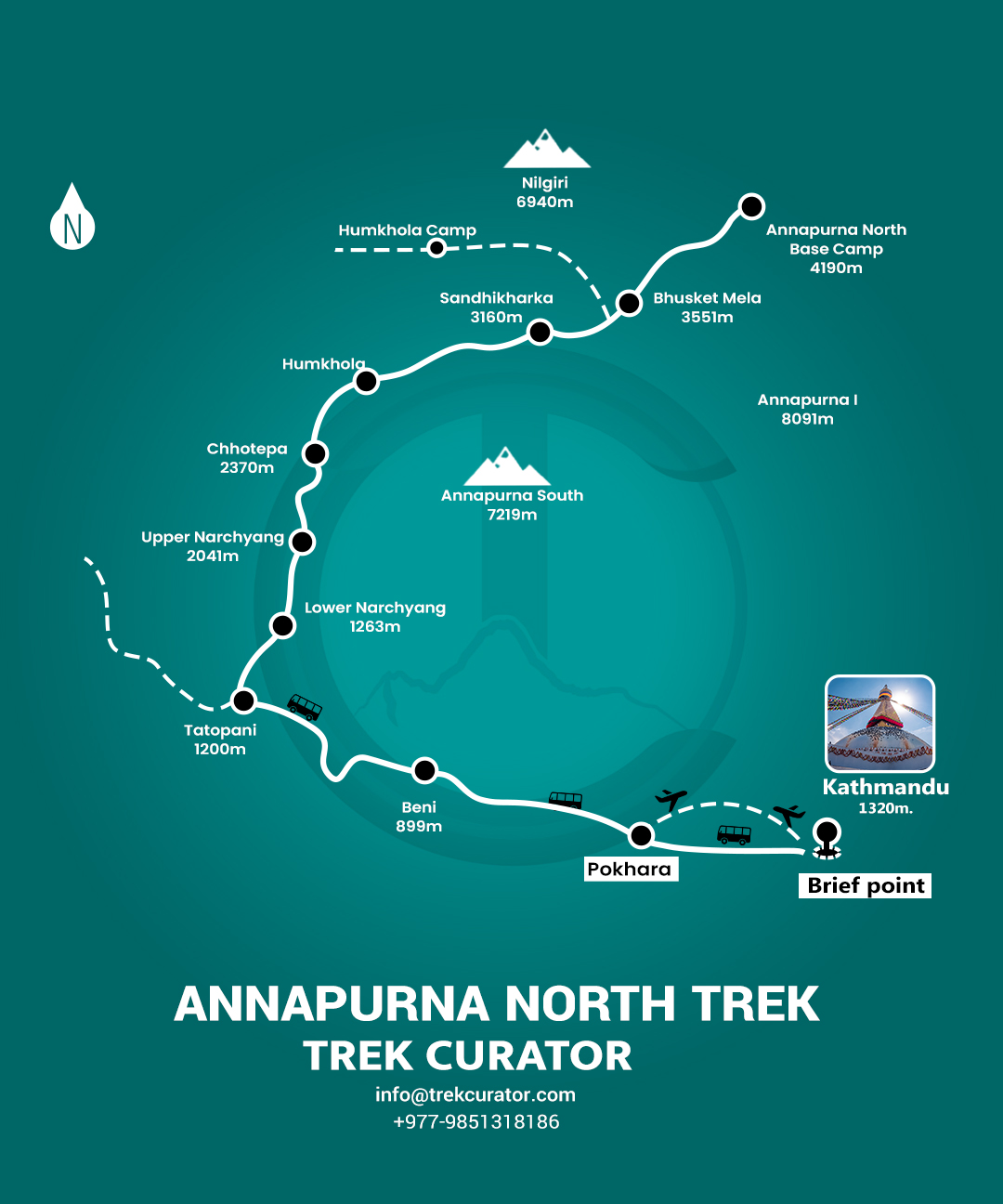
North Annapurna Base Camp Trek Route Overview
The journey typically begins with a drive from Kathmandu, with access depending on seasonal road conditions. Rough mountain roads and long jeep transfers are common, marking a gradual transition from road-accessible towns to rugged high-mountain landscape.
Trekking conditions vary significantly:
- Rocky trails and forest paths at lower elevations
- Glacier moraines and steep ascents higher up
- River crossings and landslide-prone sections in some areas
- Weather plays a major role, with snow possible even in peak trekking seasons. Proper acclimatization and trekking poles
- are highly recommended.
The descent or exit route often returns toward major trailheads or exits via alternate valleys, eventually leading back to Kathmandu or Pokhara. As the villages become smaller and the trails quieter, the journey begins to feel more like an expedition than a traditional Himalayan trek.
North Annapurna Base Camp vs Annapurna Base Camp Trek
| Aspect |
North ABC Trek |
Annapurna Base Camp Trek |
| Route |
Remote wilderness |
Established route |
| Crowds |
Very few trekkers |
Often busy |
| Infrastructure |
Basic |
Well-developed |
| Terrain |
Rugged and raw |
Well-maintained |
| Difficulty |
Challenging |
Moderate |
| Experience |
Solitude and adventure |
Comfort and social |
The North ABC trek is significantly more demanding due to limited infrastructure, remote terrain, and harder rescue access.
Compared to the standard Annapurna Base Camp route, the North ABC trek feels wilder, quieter, and considerably more demanding.
Conclusion
The North Annapurna Base Camp Trek offers a quieter and more rugged alternative to Nepal’s more established trekking routes. With glacier landscapes, isolated mountain trails, and traditional Himalayan villages, the journey feels closer to a true wilderness expedition than a standard tea-house trek.
Best suited for experienced trekkers, the Journey rewards patience and endurance with dramatic mountain scenery, cultural encounters, and a rare sense of isolation in one of Nepal’s most iconic trekking regions.
Why Book With Us – Trek Curator
Trek Curator specializes in remote Himalayan trekking experiences with experienced local guides, safety-focused itineraries, and responsible tourism practices.
- Experienced local guides with regional expertise
- Strong focus on safety and acclimatization
- Transparent pricing and reliable support
- Sustainable and community-based trekking practices
- Licensed local guides
- Emergency support + evacuation planning
- Transparent pricing
- Small group departures
Book Your North Annapurna Base Camp Trek
Secure your place on one of Nepal’s most remote trekking adventures.
We provide:
- Licensed local guides
- Full permit handling
- Safety-focused planning
- Custom itinerary options
- Emergency evacuation support
- Small group departures
- Enquire now to receive:
- Updated cost breakdown
- Available departure dates
- Personalized itinerary based on your fitness level
Start your North Annapurna Base Camp expedition today.
Itinerary Overview
Day 1: Arrival Kathmandu (1,330 m)
Day 2: Kathmandu to Pokhara Drive, 5/6 hrs (800 m)
Day 3: Pokhara to Tatopani to Humkhola Drive 6 hrs (2890 m)
Day 4: Humkhola to Busket Mela Trek, (3650 m)
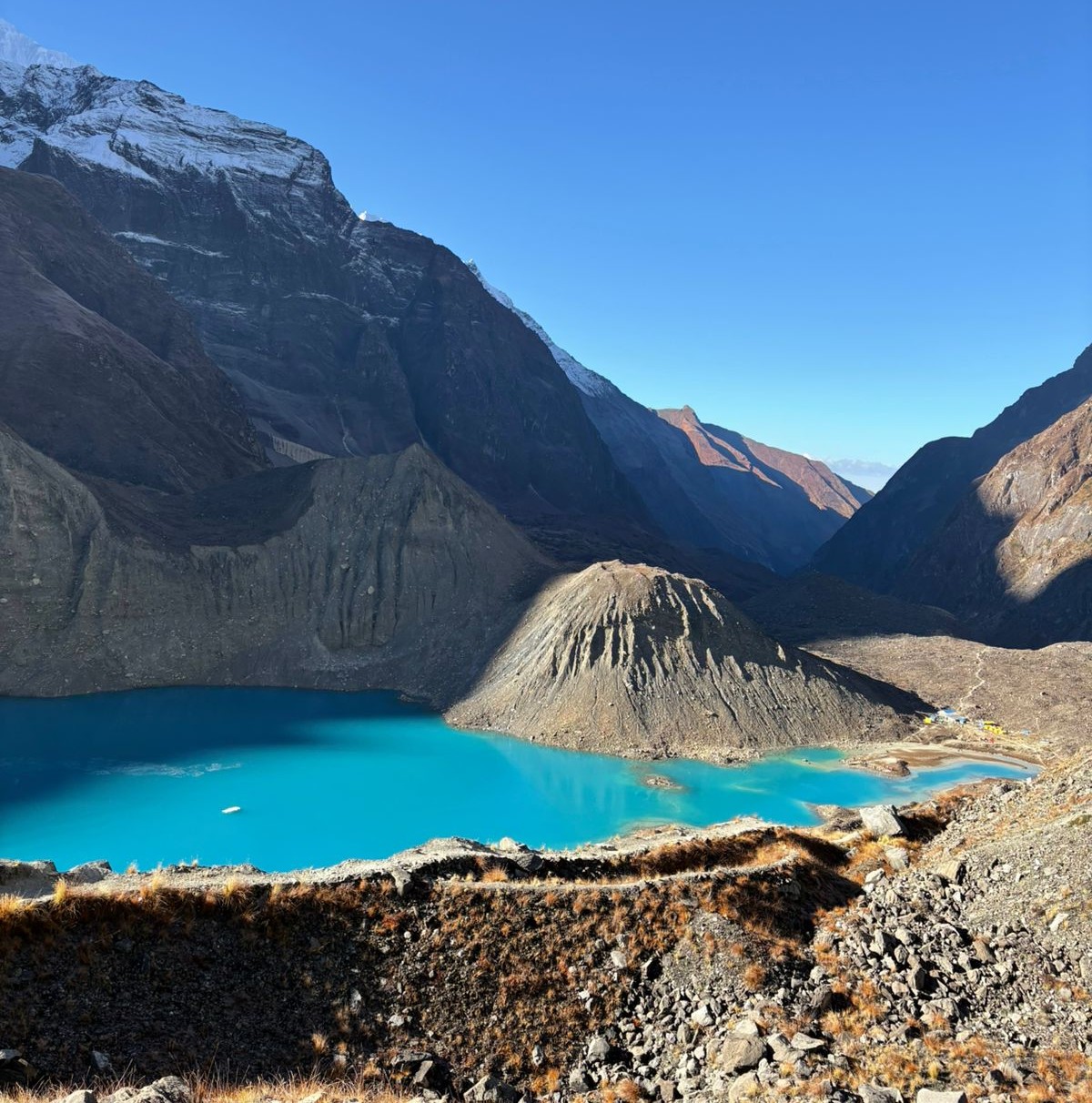
Day 5: Busket Mela to Panchkunda Lake, 3/4 hrs (4050 m)
Day 6: Panchkunda Lake to North Annapurna Base Camp (4190 m) and trek back to Humkhola, 7/8 hrs
Day 7: Drive Humkhola to Pokhara, (800 m)
Day 8: Pokhara to Kathmandu (1,330 m)
Day 9: Departure