The Chitwan Jungle Safari Tour offers an unforgettable journey into one of Asia’s premier wildlife sanctuaries. Chitwan National Park, a UNESCO World Heritage Site. Nestled in the southern Terai region of Nepal, near the Indian border. The park’s elevation ranges from about 100m to 815m above sea level. Established as Nepal’s first national park and designated a UNESCO World Heritage Site in 1984, Chitwan National Park spans over 932 sq. km of protected land. It’s renowned for its rich biodiversity, boasting 68 species of mammals, 544 bird species, 126 types of fish, and 56 kinds of reptiles and amphibians.
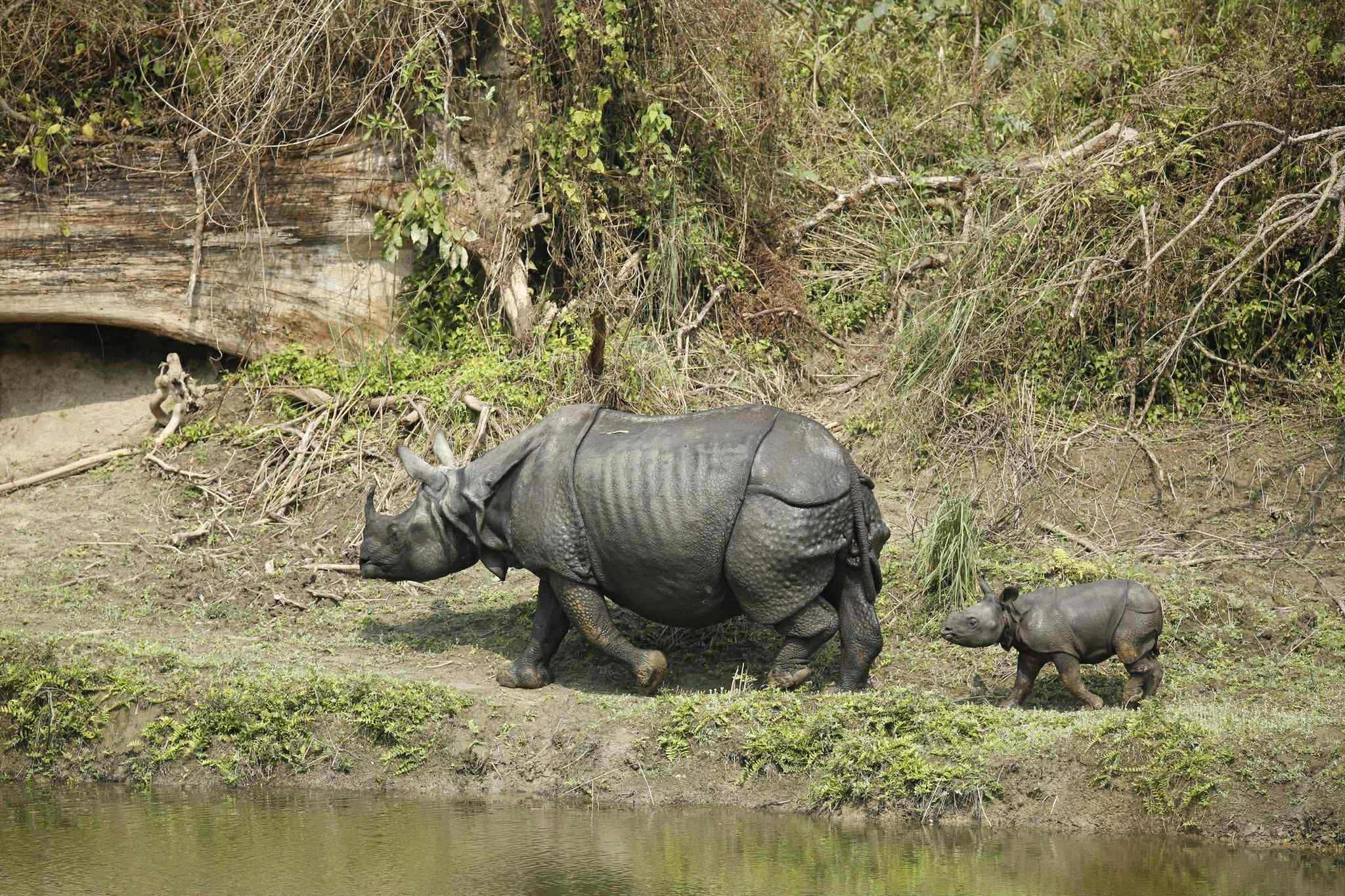
The park is home to the iconic one-horned rhinoceros, Bengal tigers, and gharials. All set against a backdrop of dense sal forests, expansive elephant grasslands, serene oxbow lakes, and lush riverine floodplains. Additionally, the park is culturally intertwined with the indigenous Tharu communities, who live in harmony with the jungle and are celebrated for their unique traditions, stilt houses, and resilience to malaria.
A visit to Chitwan National Park is essential for wildlife enthusiasts and nature photographers alike. It’s one of the few places where you can witness one-horned rhinos and potentially spot Bengal tigers in their natural habitat. The experience beautifully combines stunning nature, diverse wildlife, and rich local culture without the need for strenuous trekking, making for a relaxed adventure. This destination is perfect for school groups, families, and senior travelers. Plus, its proximity to Kathmandu and Pokhara, along with good road connectivity, offers convenient options for additional adventures.
"Book your Chitwan Jungle Safari today and experience the wild like never before!"
Day 1: Drive To Chitwan From Kathmandu
Day 2: Enjoy the National Park Activities
Day 3: Return to Kathmandu
You’ll kick off your adventure early, departing from Kathmandu to Chitwan by private vehicle or tourist bus around 6–7 AM. As you journey along the scenic Prithvi Highway, enjoy the beautiful views of lush river valleys, rolling hills, charming local villages, and terraced farmland. Upon reaching Sauraha (Chitwan) around noon, the hotel staff will warmly welcome you and help you check into the jungle resort. After settling in, you’ll receive a briefing on the various activities in the national park and important safety tips. You can then take a guided walk or an ox-cart ride through the villages, where you’ll get a glimpse of Tharu traditions, architecture, and the lifestyle of the indigenous Tharu community, all while appreciating their harmonious relationship with the jungle. In the evening, immerse yourself in a vibrant Tharu cultural dance show featuring stick dances, fire performances, and lively drum beats, followed by a delicious dinner at the resort.
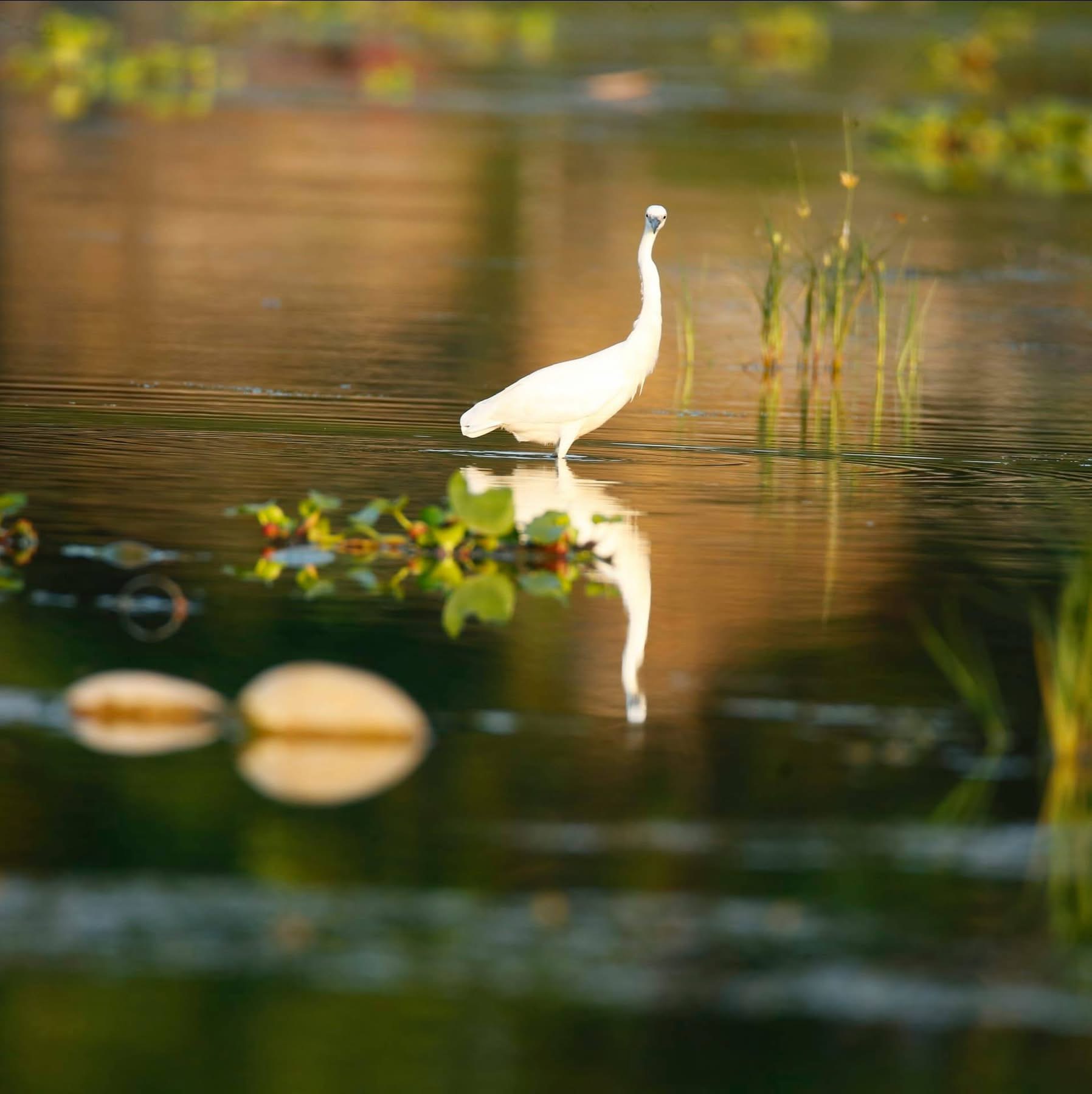
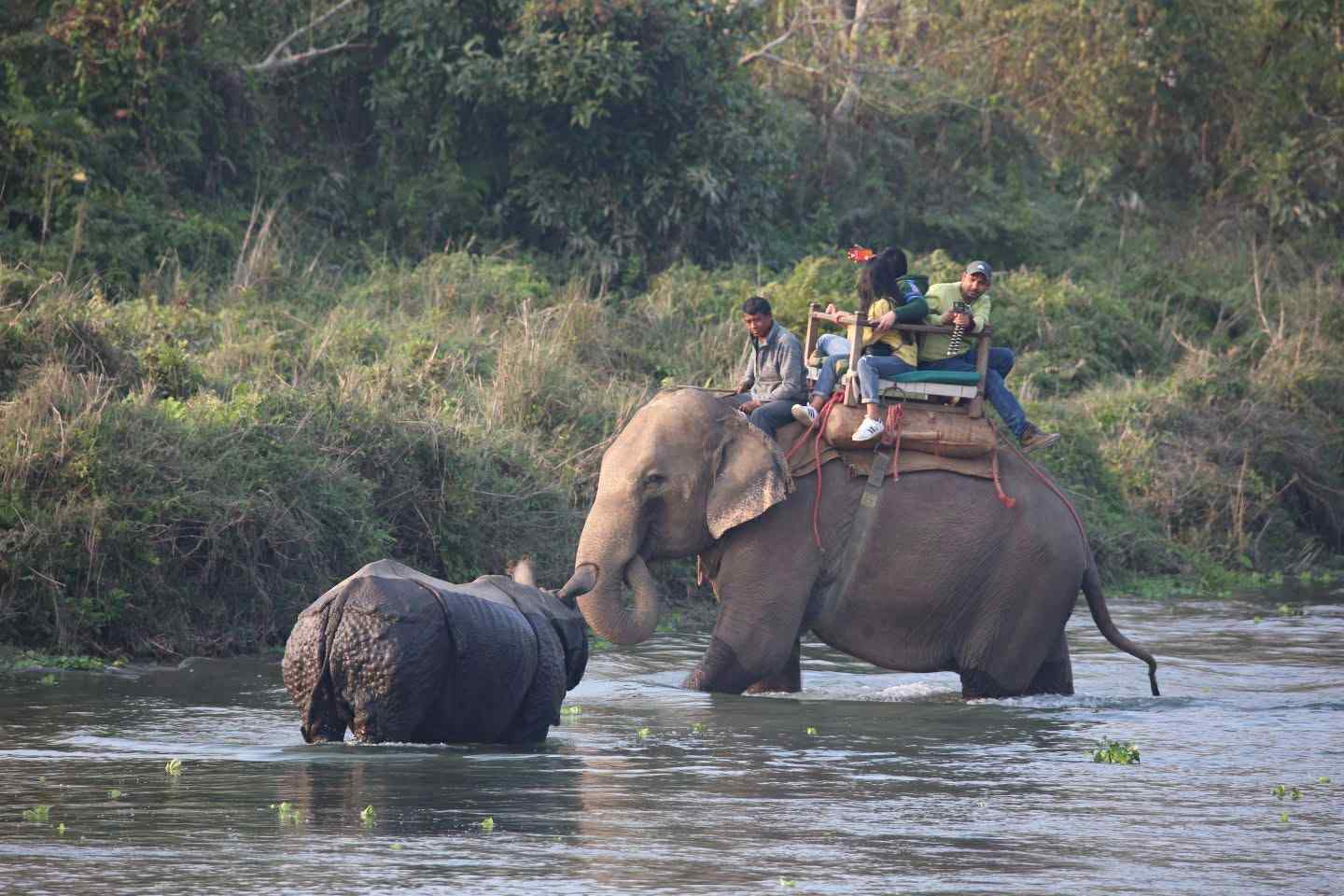
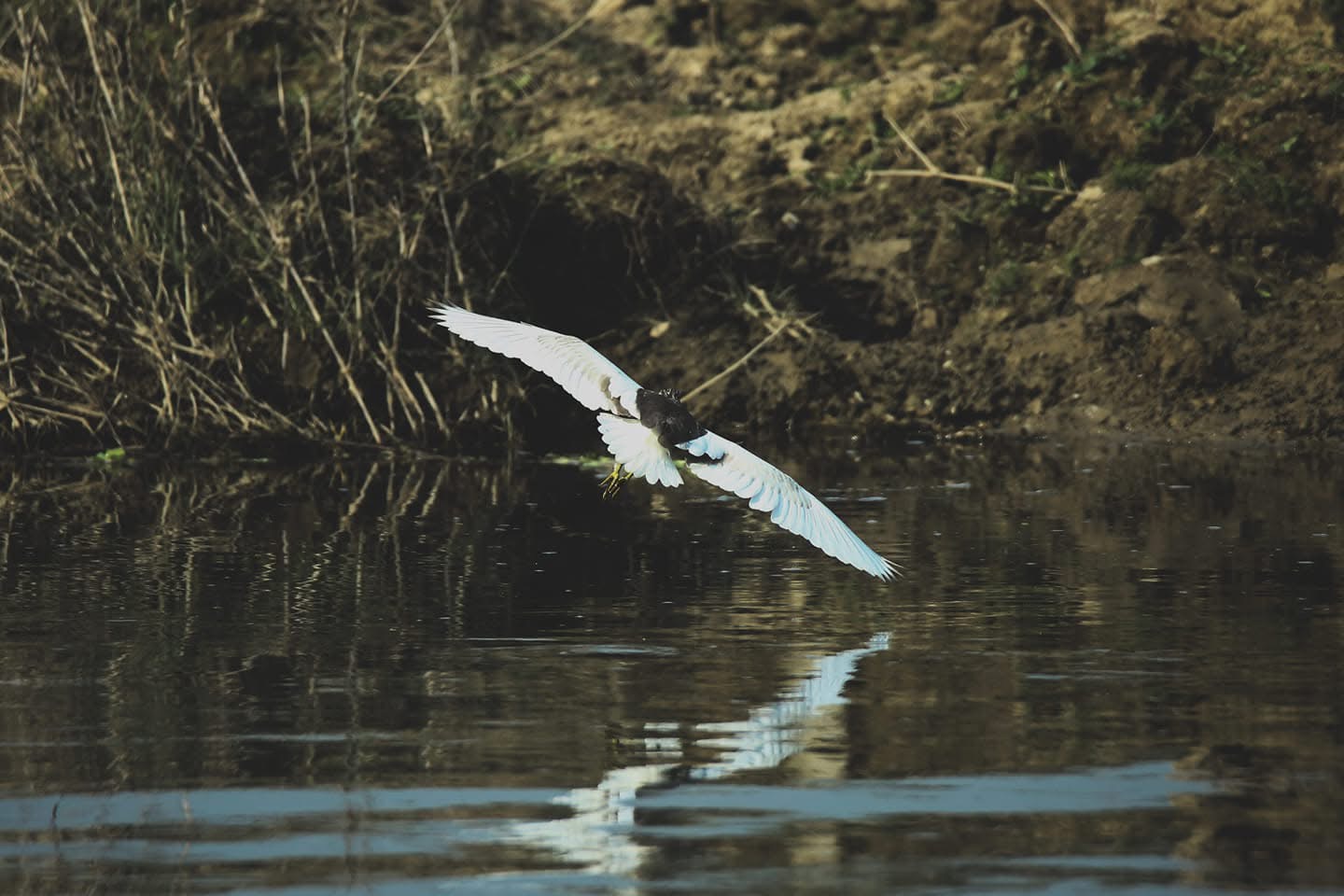
Start your day early with a canoe ride on the Rapti River, where you might spot crocodiles (both gharials and muggers), diverse water birds, and experience the serene awakening of the jungle. Next, embark on a guided jungle walk to observe the rich flora and fauna, track wildlife, and learn about safe movement in the wilderness. After this excursion, visit the elephant breeding center to see mother elephants caring for their young and delve into their feeding routines and conservation efforts. Following lunch and a brief rest, you’ll embark on an exciting jeep safari, venturing deep into the heart of Chitwan National Park and its buffer zones. There will be multiple stops at watchtowers and waterholes, giving you a better chance to catch a glimpse of one-horned rhinos, wild boars, sambar deer, langurs, and possibly even leopards or Bengal tigers. In the late afternoon, enjoy a Bird Watching Excursion (especially recommended from October to March) and soak in a stunning sunset view by the riverbank or relax back at the resort.
If you’re up for it, consider going for an optional early bird watching session or a quick jungle walk (if you missed it earlier). Otherwise, you’ll check out from the hotel between 8:00 and 9:00 AM. After that, you’ll head back to Kathmandu, retracing your scenic route along the Prithvi Highway. Feel free to take an optional lunch break at one of the riverside restaurants along the way. You should arrive in Kathmandu by late afternoon, bringing your wonderful Chitwan safari tour to a close.
Modify itinerary, accommodation, transportation, or activities according to your travel style and schedule.
The Chitwan Jungle Safari Tour lasts 3 days, with options to extend for additional activities. This tour is easy and involves no trekking or strenuous physical activities, so travellers of all ages including families with children and seniors can enjoy it.
If you’re planning to visit Chitwan, make sure to bring a valid Nepal Visa. You can get this visa upon arrival at Tribhuvan International Airport, apply online for an e-Visa, or obtain one at border entry points. While Chitwan itself doesn’t require special permits, you will need two specific permits for the national park. The first is the park entry permit, with fees differing for SAARC and foreign nationals. The second is the Jungle Safari Activity Permit, which covers activities like jeep safaris, canoeing, and guided walks. Keep in mind that children of certain ages often enjoy discounted entry fees. You can purchase these permits either at the park entrance or through licensed tour agencies. Be aware that additional fees may apply for using camera or video equipment, depending on the park’s rules. All permits are valid only during your stay, so remember to keep your receipt handy for verification at checkpoints.
For Visa Information.
Chitwan is well-connected, and you have plenty of options for transportation. You can choose a tourist bus, which is budget-friendly but quite time-consuming and lacks flexibility. For a more comfortable option, consider hiring a private car or jeep, which allows for better timing and convenience. Domestic flights to Bharatpur Airport provide a quick route, followed by a short drive to Sauraha. Once in Sauraha, you can get around using hotel shuttle vans, rickshaws, or local taxis.
This vibrant city offers a wide array of accommodations to suit various budgets. Whether you’re looking for luxury jungle lodges that provide premium services, family-oriented mid-range resorts, or budget hotels for a more economical stay, Chitwan has you covered. Many of these places offer welcome drinks, orientation sessions, and all-inclusive meal plans (breakfast, lunch, and dinner), plus on-site naturalist guides. Most lodges are conveniently located near the Rapti River, giving you stunning views of the sunset.
The autumn months from September to November feature clear skies and mild temperatures, making it perfect for wildlife viewing. Winter (December to February) offers cool mornings and evenings, ideal for birdwatching. Spring (March to May) brings warm weather and lush vegetation, which is great for trekking and safaris. However, the monsoon season (June to August) is generally not advisable for travel due to heavy rain, leeches, and limited safari activities.
If you want to make the most of your visit, consider extending your trip from Chitwan National Park. Options include a cultural tour of Kathmandu to explore UNESCO heritage sites, Trishuli River rafting on your way back to Kathmandu, or a pilgrimage tour to Lumbini, the birthplace of Lord Buddha. You can also look into trekking opportunities in various regions either before or after your time in Chitwan.
During peak trekking season, it’s highly recommended to book your trip in advance to secure accommodations. To finalize your booking, you’ll need to provide a copy of your valid passport, travel insurance that covers emergency helicopter evacuation, and passport-size photos for trekking permits. A deposit of 20–30% is required for trek confirmation, with the remaining amount due upon your arrival in Nepal. Be sure to review the cancellation policy before finalizing your plans. For Booking & Cancellation Policy: click here

A Chitwan Jungle Safari is a wildlife experience inside and around Chitwan National Park in southern Nepal. Depending on the itinerary, travelers can explore the jungle by jeep, take a canoe ride, join a guided jungle walk, go birdwatching, and experience local Tharu culture.
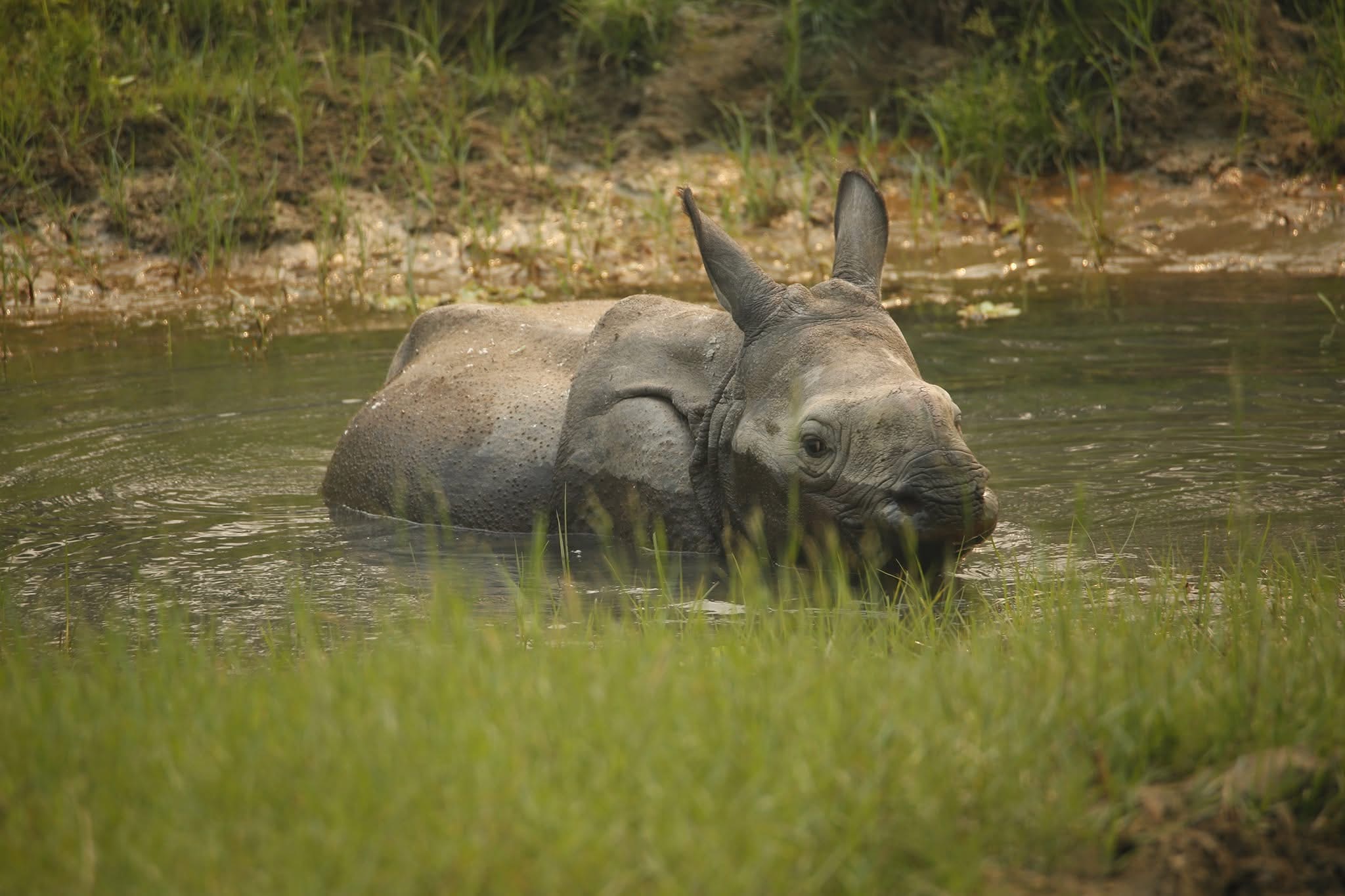
It is one of the most popular ways to experience Nepal's wildlife. It is particularly known for the chance to see the greater one-horned rhinoceros, along with a wide variety of birds and other animals.
Chitwan is best known for its greater one-horned rhinoceros, but there is much more to look for.
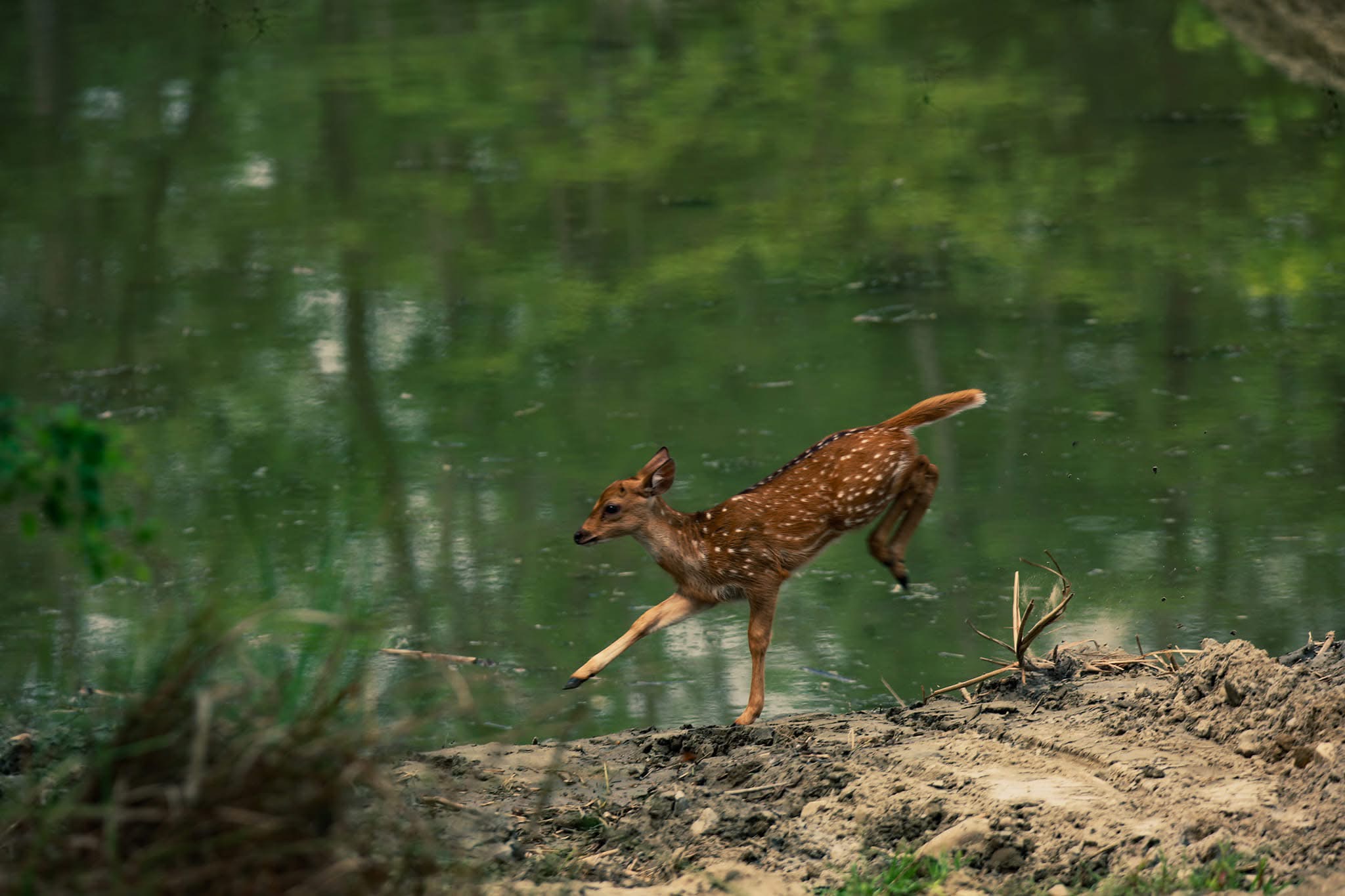
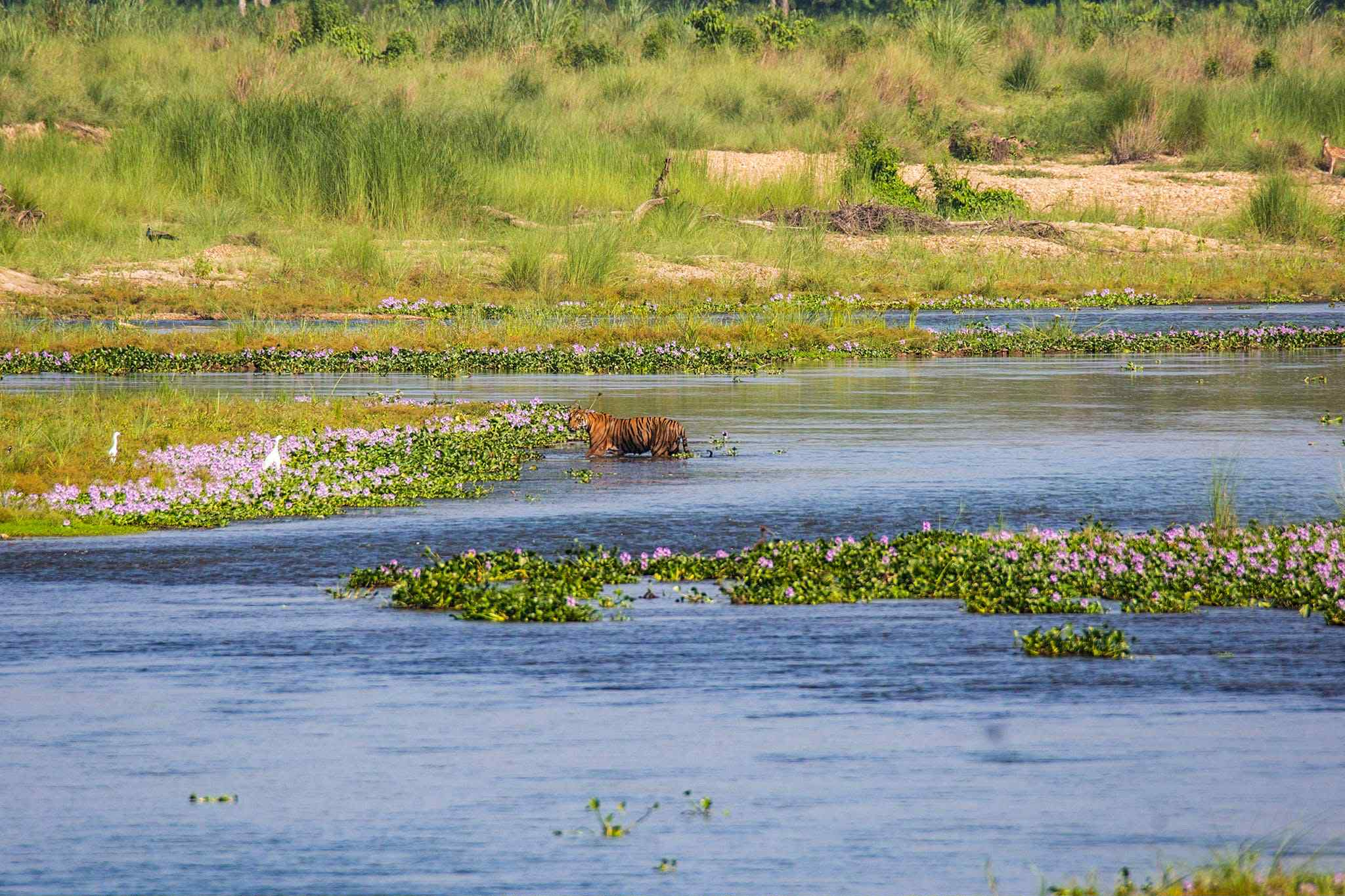
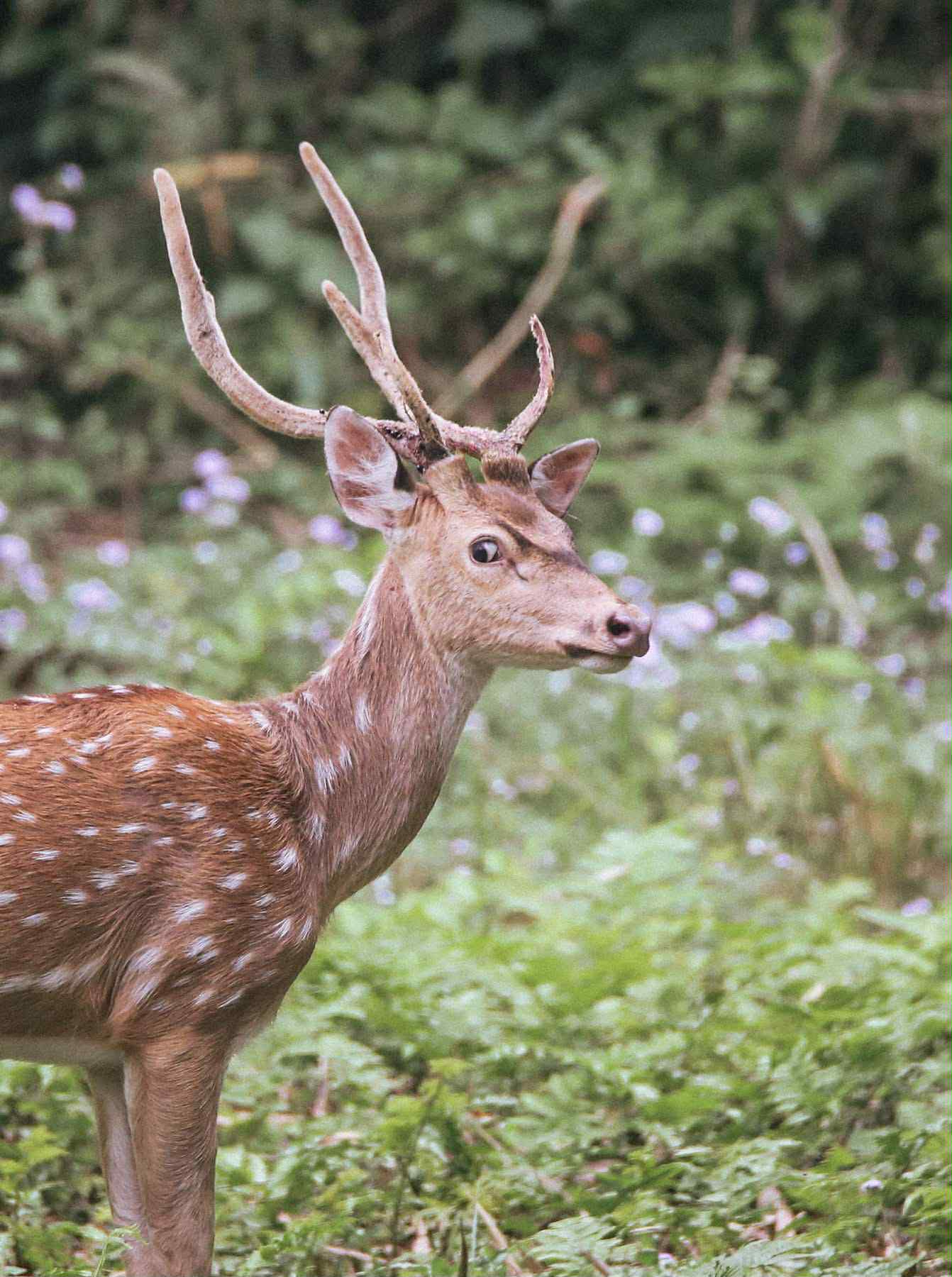
Depending on the season, location, and luck, you may encounter deer, wild boar, monkeys, crocodiles, gharials, wild elephants, gaur, and numerous reptiles and birds. The park is also home to the elusive Royal Bengal tiger. Wildlife sightings are never guaranteed, so it is better to approach the safari as a complete jungle experience rather than a search for one particular animal.
There isn't one single safari experience that suits everyone.
A jeep safari is a practical choice if your main goal is to explore more of the park and search for larger wildlife. A canoe ride provides a peaceful perspective of the river and is particularly interesting for crocodiles and water birds. A guided jungle walk lets you experience the forest at a much slower pace. Many visitors combine two or more activities during a 2-night/3-day Chitwan stay. Nepal Tourism Board itself describes a typical 2-night/3-day jungle safari as combining wildlife safari, canoeing, nature walks, and a Tharu village experience.
For a more relaxed wildlife experience, 2 nights and 3 days is a popular duration.
This gives you enough time to combine safari activities with a canoe ride, nature experience, birdwatching, and cultural activities instead of trying to fit everything into a single day. A shorter stay can work if you have limited time, but spending a couple of nights gives you more opportunities to experience the jungle at different times of day.
A jeep safari takes you along designated routes through the park and surrounding wildlife areas. You travel with a driver and guide while looking for animals in forests, grasslands and near water sources.
The experience is not simply about driving continuously. Your guide watches for tracks, movement, calls, and other signs of wildlife and can help you understand what you are seeing. The Department of National Parks and Wildlife Conservation also identifies jeep safari as one of the ways visitors can encounter wildlife in Chitwan.
For travelers interested in wildlife and nature, Chitwan offers a very different side of Nepal from the Himalayan trekking routes. Instead of mountains and high-altitude trails, the experience revolves around tropical forests, grasslands, rivers, wildlife and local culture.
A visit to Chitwan can therefore work particularly well as a complement to a Kathmandu, Pokhara or trekking itinerary.
Yes, tigers live in Chitwan National Park, but no responsible safari operator can guarantee a tiger sighting. Our guides look for signs such as tracks, calls, and movement in the forest, but the final encounter depends on nature. Even when a tiger stays hidden, the search itself can be an exciting part of the safari.
October to March is generally a comfortable period for visiting Chitwan, with pleasant conditions for outdoor activities.
The warmer months can be hot, while the monsoon brings more rain and lush greenery. Your ideal travel period ultimately depends on your schedule and the type of experience you want.
A jungle walk takes place in a genuine wildlife environment, so it is important to stay with your guide and follow safety instructions throughout the activity. Your guide knows how to read signs of wildlife and helps you maintain an appropriate distance from animals. The goal is not to get as close as possible to wildlife—the goal is to observe it responsibly.
The greater one-horned rhinoceros is one of Chitwan's signature animals, and seeing one in the wild can be a memorable highlight of the trip. However, rhinos are wild animals, so sightings can never be guaranteed. Your guide will help you search suitable areas while respecting the animals and their habitat.
Not at all. One of the best things about visiting Chitwan is that the experience extends beyond the national park. You can learn about Tharu culture, explore local villages, enjoy birdwatching, and experience the rivers and forests surrounding the park. This combination of wildlife and culture makes Chitwan a great addition to a Nepal itinerary.
Chitwan is accessible from Kathmandu by road, while flights are also available to nearby Bharatpur.
Travel time by road can vary depending on traffic, road conditions, and the season, so it is best to allow enough time in your itinerary rather than planning a tight connection.
At Trek Curator, we believe a safari should feel like an experience rather than a checklist of activities.
We focus on creating practical itineraries that give travelers enough time to enjoy Chitwan's wildlife, nature, and local culture without making the trip unnecessarily rushed. Whether you are traveling as a couple, with family, with friends, or as part of a larger Nepal journey, we can help you choose a Chitwan safari experience that fits your travel plans.
Come to Chitwan with curiosity, keep your eyes open, and let the jungle surprise you.
Verified guest feedback collected from Tripadvisor and Google Reviews.