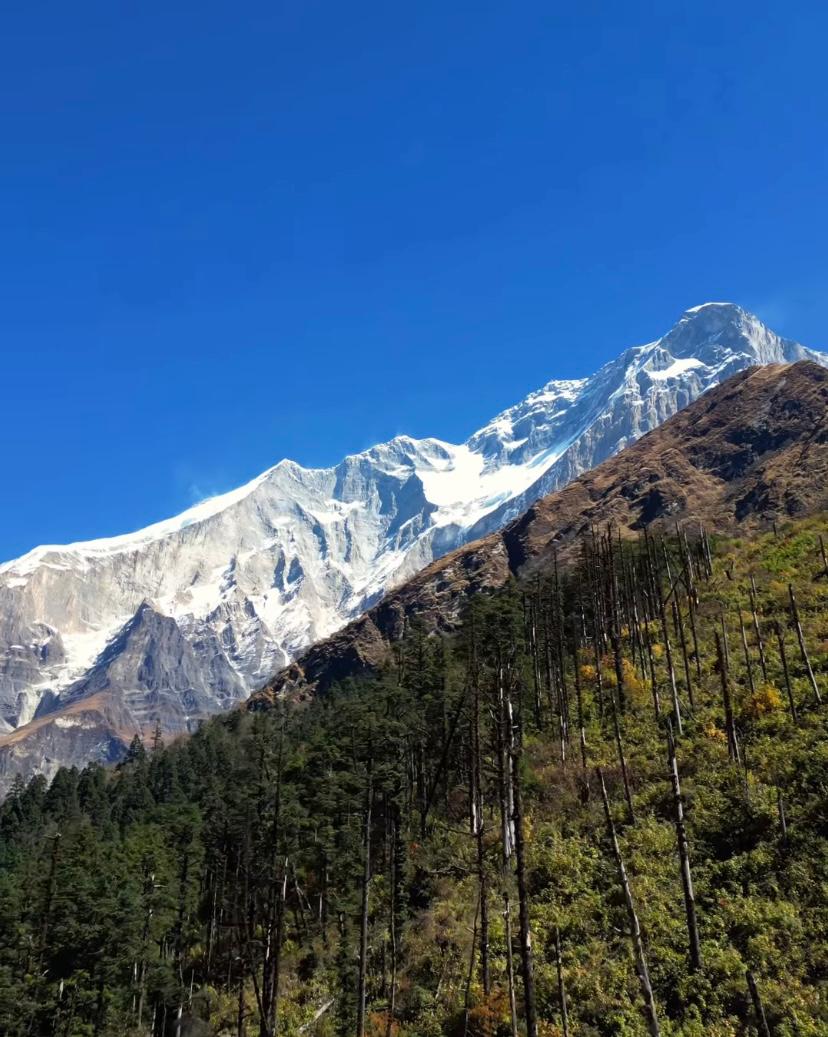
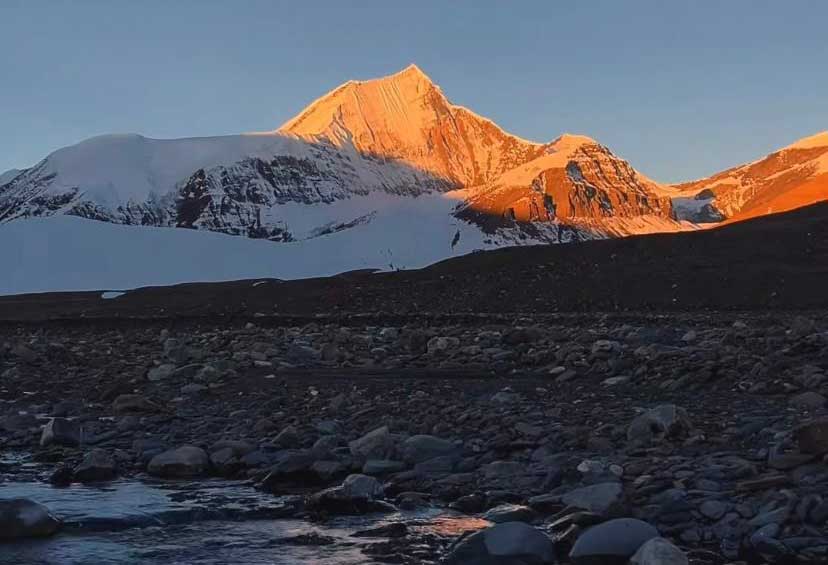
Dhaulagiri Circuit Trek - 18 Days

Duration
18 Days
Trip Grade
Challenging
Challenging

A "challenging" trip grade indicates a demanding, high-altitude adventure (often 5,000–6,000+ meters) designed for experienced adventurers with excellent fitness.

Max Altitude
5,200m
Group Size
1 to 14
Best Season
Spring (March-May) or Autumn (September-December)
Accommodation
Hotel and Tea house
Meals
Nepali and Continental
Transportation
Drive / flight

Trip Overview

QUICK ANSWER

The Dhaulagiri Circuit Trek is a 15–18 day high-altitude expedition in western Nepal that circles Mount Dhaulagiri (8,167m), crossing French Pass (5,360m+), Hidden Valley, and Dhampus Pass. It is one of Nepal’s most remote and challenging trekking routes, suitable only for experienced trekkers.

INTRODUCTION  WHERE THE HIMALAYAS FEEL WILD AGAIN

The Dhaulagiri Circuit is one of Nepal’s most remote trekking routes. After Beni, the trail enters completely isolated mountain terrain with no roads, no settlements, and long glacier sections. It is a true wilderness expedition. A senior expedition guide often says:

“This is not a trekking trail. It is a journey through a living glacier world.”

Standing beneath the towering west face of Mount Dhaulagiri (8,167m), you don’t just see the mountain—you feel its presence dominating everything around you.

WHAT IS THE DHAULAGIRI CIRCUIT TREK?

  • The Dhaulagiri Circuit Trek is a 15–18 day extreme high-altitude camping expedition that circles Mount Dhaulagiri (8,167m), crossing:
  • French Pass (5,360m+)
  • Hidden Valley (remote high-altitude basin)
  • Dhampus Pass (5,200m+)
  • Dhaulagiri Base Camp (4,740m)

It is one of Nepal’s most isolated trekking routes, requiring strong fitness, prior altitude experience, and mental endurance.

Dhaulagiri Circuit Trek Highlights

  • Cross French Pass (5,360m+) into Hidden Valley
  • Explore the remote Hidden Valley glacial basin
  • Cross Dhampus Pass (5,200m+)
  • Visit Dhaulagiri Base Camp (4,740m)
  • Complete a full circuit around Mt. Dhaulagiri (8,167m)
  • Camp in completely wild, untouched Himalayan terrain
  • Experience one of Nepal’s least crowded trekking regions

Why the Dhaulagiri Circuit is Difficult

This trek is considered one of the hardest trekking routes in Nepal due to:

  • Glacier navigation on unstable terrain
  • High passes above 5,000m
  • Long stretches with no settlements or lodges
  • Rapid and unpredictable weather conditions
  • Limited rescue and evacuation access
  • This is a true expedition—not a standard trek.

DAY-BY-DAY TREKKING EXPERIENCE

Phase 1: Approach & Acclimatization

  • Drive Kathmandu → Beni
  • Trek through Magar villages and terraced hills
  • Gradual altitude gain and cultural exposure

Phase 2: Alpine Transition Zone

  • Forests slowly disappear
  • Trail becomes remote and steep
  • First views of Dhaulagiri massif
  • Full camping begins

Phase 3: High Pass Expedition Zone

  • Cross French Pass (5,360m+)
  • Enter Hidden Valley (glacier basin)
  • Extreme cold, snow, and technical terrain

Phase 4: Descent Phase

  • Cross Dhampus Pass (5,200m+)
  • Descend into Kali Gandaki Valley
  • Return to Beni and drive back to Kathmandu

Why Choose This Expedition

  • One of Nepal’s most remote trekking routes
  • True wilderness camping experience
  • Zero-crowd Himalayan environment
  • High-altitude glacier crossings
  • Full professional expedition support
  • This is not a tourist trail—it is a true Himalayan expedition.


FINAL WORD: WHY THIS TREK STANDS APART

The Dhaulagiri Circuit is not a holiday trek. It is a high-altitude expedition into one of Nepal’s last untouched wilderness zones.

Here you don’t just see the Himalayas; you cross them, camp beneath them, and survive their frozen silence.

If you are looking for:

  • True expedition adventure
  • Zero crowds
  • Raw Himalayan wilderness
  • Real camping trekking experience

 This is one of Nepal’s most powerful trekking journeys.


DHAULAGIRI CIRCUIT TREK COST 2026

Because this is a camping expedition, logistics cost is higher than teahouse treks like Annapurna or Everest—but the experience is far more remote and exclusive.

Why Trek Curator

We specialize in high-altitude Himalayan expedition trekking, not standard tours.

  • Licensed expedition guides
  • Real glacier trekking experience
  • Full camping logistics team
  • Safety-first decision-making
  • Transparent pricing

In the Dhaulagiri region, experience is not optional; it is critical for survival.

BOOK YOUR DHAULAGIRI CIRCUIT TREK 2026

Only a limited number of expedition groups operate each season due to extreme logistics and safety requirements.

  • Expert Himalayan guides
  • Full camping expedition support
  • Real-time safety planning
  • Limited seasonal departures

Booking Options:

  • WhatsApp inquiry (fast response)
  • Custom private expedition
  • Group departure slots

Request full itinerary & availability for 2026

If you are considering the Dhaulagiri Circuit Trek, you may also like:

Everest Base Camp Trek 14 Days
Annapurna Circuit Trek
Manaslu Circuit Trek
Annapurna Base Camp Trek

Itinerary Overview

Dhaulagiri Circuit Trek Itinerary

Day 1: Arrival in Kathmandu (1,330m)
Day 2: Trek preparation & Half Kathmandu Sightseeing (1,330m)
Day 3: Fly / Drive to Pokhara(822m) 5-6 hrs drive/35 minute flight
Day 4: Pokhara drive to Mudi (1,850m) 6-7 hrs
Day 5: Mudi to Bagara (2,080m) 6-7 hrs
Day 6: Bagara to Dovan (2,520m) 6-7 hrs
Day 7: Dovan to Sallaghari (2820m) 5-6 hrs
Day 8: Salligari to Italian Base Camp (3,660m) 4-5 hrs
Day 9: Acclimatization Day
Day 10: Italian Base Camp to Japanese Base camp (3,890m)4-5hrs
Day 11: Japanese Base Camp to Dhaulagiri Base Camp (4,740m) 5-6hrs
Day 12: Acclimatization Day
Day 13: Dhaulagiri Base Camp to Hidden Valley (5,050) via Cross the French Col (5,360m) 6-7 hrs
Day 14: Hidden Valley to Yak Kharka (3,680m) via Dhampus Pass (5200m) 7-8 hrs
Day 15: Yak Kharka to Jomsom (2,800m) 3 hrs
Day 16: Fly / Drive Jomsom to Pokhara (820m) Flight 25 minute / 5-6 hrs drive
Day 17: Fly / Drive Pokhara to Kathmandu: 5-6 hrs drive/35 minute flight
Day 18: Departure

Note:

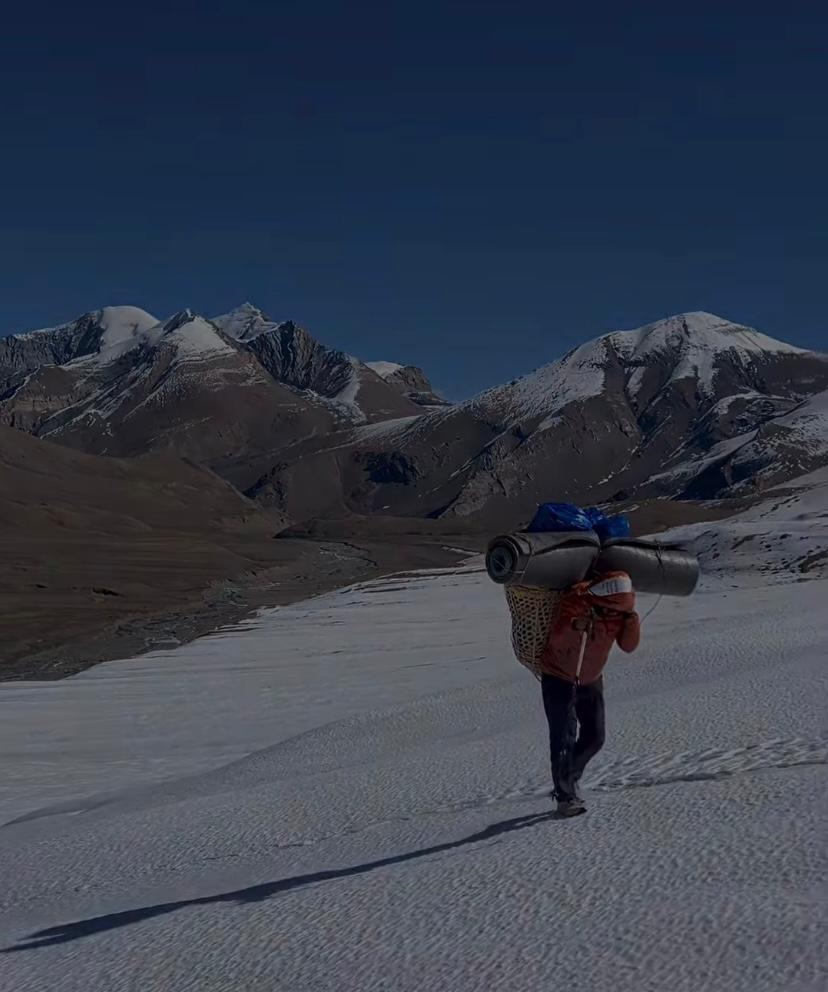
Porter Services

Hire a porter to carry your luggage and provide assistance along the trail.

Trekking Equipment Rentals

Sleeping bags, down jackets, and essential trekking gear are available for rent.

Porter Weight Limit

Each porter carries a maximum of 20–25 kg, usually shared between two trekkers.

Day-by-day itinerary

Expand All

Upon landing at Tribhuvan International Airport, you will be warmly greeted by our representative, who will present you with a traditional garland of flowers. Afterward, you will be escorted to your hotel in a private vehicle, allowing you to unwind after your journey. Once you’re settled in, feel free to take a stroll through the vibrant Thamel streets or explore the café restaurants in the area. For dinner, you can enjoy a meal at a local restaurant in Thamel. You’ll spend your first night at the hotel.

Following breakfast at your hotel, you’ll receive a detailed briefing about the trek itinerary, including information on altitude, difficulty, and walking hours. You’ll check your permits, insurance, and trekking gear. If you find that you’re missing any necessary equipment, you can easily rent or purchase it from one of the shops in Thamel. After preparations, you’ll embark on a half-day sightseeing tour of Kathmandu. You’ll visit iconic sites such as Swayambhunath (the Monkey Temple), Pashupatinath Temple, and Boudhanath Stupa. As you explore, you’ll have the opportunity to admire traditional architecture and delve into the rich history and culture of both Hinduism and Buddhism. Later, you’ll return to the hotel to finalize your packing for the trek.

After an early breakfast, you’ll set off for Pokhara, enjoying a scenic drive along the Trishuli River. The route takes you through charming villages, forests, hills, and beautiful landscapes. After approximately 5 to 6 hours on the road, you’ll arrive in Pokhara and transfer to your hotel. Take some time to relax after the journey, then you can stroll around the lakeside area. If time allows, you might even go boating on Phewa Tal. You’ll spend the night in Pokhara.

After an early breakfast, you’ll begin your drive to Mudi, setting off early in the morning. The journey will take you past Beni Bazaar and through the villages of Myagdi District, where you can enjoy views of rivers, hills, and farmland. As you approach Mudi, be prepared for a bumpy off-road adventure in the final stretch. Once you arrive, take a short walk around the village to meet the locals and adjust to the trekking environment before settling in for the night at a lodge.

Following breakfast, you’ll start your trek to Bagara, walking steadily along the Myagdi River. The trail meanders through terraced farmlands, passing small villages and schools, while crossing suspension bridges along the way. Expect a mix of gentle uphill and downhill sections as you trek. Lunch will be enjoyed on the trail. Once you reach Bagara, you can either explore the village at your leisure or simply rest after your trek. You’ll spend the night in Bagara.

This day marks your journey to Dovan. After breakfast at the lodge, you’ll set off on your trek. The trail becomes narrower, rockier, and more uneven. You’ll navigate through forests, along riverbanks, and across more suspension bridges. As this area is relatively remote, exercise caution as you walk slowly through possible landslide sections. After reaching Dovan, which has limited facilities, you’ll enjoy an early dinner and prepare for sleep, gearing up for the challenges of tomorrow’s trek. You’ll spend the night at a basic lodge.

After breakfast, you’ll head towards Sallaghari. The trek involves a steady uphill walk through dense pine and rhododendron forests. The fresh, cool mountain air will keep you invigorated as you make your way along the trail. Look out for opportunities to observe local birdlife, and notice how the settlements become fewer along your path. Lunch will be taken along the way. You should arrive at Sallaghari in the afternoon, at which point you can relax and make sure to stay hydrated. You’ll sleep in a lodge in Sallaghari.

After breakfast, you’ll set off for the Italian Base Camp. The trails will reveal stunning alpine landscapes and provide fantastic views of glaciers. You’ll traverse rocky and grassy paths while gaining altitude gradually. Upon reaching the Italian Base Camp, you’ll have the opportunity to set up your tents or check into a lodge. Take this time to rest and acclimatize, while the guide checks on your health. You’ll stay overnight at the camp.

This day is crucial for your trek, as it’s dedicated to acclimatization, allowing your body to adjust to the higher altitude. You’ll start with a leisurely breakfast before heading out for a short acclimatization hike. During this hike, you’ll practice walking on moraine and familiarize yourself with the safety rules for glacier travel. Take some time to relax and soak in the stunning mountain views, capturing memorable photos. Be sure to eat nutritious meals and keep an eye on any altitude symptoms. You’ll spend the night in the campsite.

After breakfast at the camp, you’ll set off towards the Japanese base camp. The trek will take you over a glacier and moraine, so make use of your safety equipment when necessary. Remember to walk at a steady pace, as it may be cold and windy, with breathtaking views of the icefall along the way. Once you reach the Japanese base camp, take time to rest and prepare for the next day’s trek. You’ll stay overnight at the camp.

You’ll wake up early for breakfast at the Japanese base camp before embarking on your trek through glacier, rocky, and icy terrain to reach Dhaulagiri base camp. Careful foot placement is essential during this trek due to the high altitude affecting your breathing. Upon arrival at Dhaulagiri base camp, you’ll be surrounded by towering peaks, allowing you to explore the area and gear up for the high pass crossing. Overnight stay at camp.

Today’s another important acclimatization day, where you’ll remain at Dhaulagiri base camp to further adjust to the high altitude. You’ll take a short walk to a nearby viewpoint and practice on the ice and snow. Additionally, you’ll receive a weather and route briefing, as well as an equipment check (including crampons and poles). Make sure to rest well and drink warm fluids to prepare for the pass ahead. Overnight stay at camp.

This will be the most challenging trekking day of your entire journey. You’ll begin your ascent to Hidden Valley via the French Col, tackling a steep climb that is often blanketed in snow, ice, and fierce winds. If needed, don your crampons for added safety. Once you reach the top, the stunning views await you, followed by a long descent into Hidden Valley. Although you’ll be tired, it will be a rewarding experience as you celebrate crossing the French Col. Enjoy a hot meal and rest at the camp for the night.

After an early breakfast, you’ll trek to Yak Kharka with a gradual climb to the Dhampus Pass. The trail, while at high altitude, is less technical, making for a smoother climb. Following the pass, you’ll enjoy a long downhill trek with spectacular views of Mustang and Annapurna. As you descend, you’ll notice the warmth increasing with the altitude drop. Upon reaching Yak Kharka, you’ll settle into a comfortable lodge for the night.

After breakfast at the lodge, you’ll start your trek to Jomsom. The trail here is wide and primarily downhill, following a jeep road along the Kali Gandaki River through a dry, windy landscape. You’ll stop for lunch along the way. Once you arrive in Jomsom, it’s time to celebrate the completion of your trek with the entire team. You’ll stay overnight at the lodge.

Get an early start with breakfast before heading out. Your journey will take you through the picturesque villages of Marpha and Tatopani, where you can indulge in a hot spring bath to relax your muscles after the intense trek. Beautiful hills and forested landscapes surround the drive along the Kali Gandaki gorge, ultimately leading you to Pokhara. Upon arrival, you will check into your hotel. If time allows, consider taking a boat ride or going for a stroll by the lake. You’ll spend the night in Pokhara.

After breakfast at your hotel, you’ll depart for Kathmandu via a scenic drive, passing through charming villages, rivers, and breathtaking landscapes. Enjoy lunch en route, and once you arrive in Kathmandu, you’ll check into your hotel. If you wish, you can spend your free time shopping or wandering around the Thamel area. In the evening, a farewell dinner awaits you at a cultural restaurant, featuring local cuisine and a cultural program. Overnight stay in Kathmandu.

Enjoy breakfast at your hotel and finalize your packing. Depending on your departure time, our representative will assist you in getting to the airport for your journey back to your home country. This marks the end of the Dhaulagiri circuit trek, leaving you with unforgettable memories and experiences to cherish.

Flexible Adventure Planning

Customize Your Dream Trip

Modify itinerary, accommodation, transportation, or activities according to your travel style and schedule.

Additional Information

Dhaulagiri Circuit Trek Difficulty

This trek is classified as strenuous to extreme.

What makes it challenging:

  • 6–8 hours trekking daily
  • Glacier walking sections
  • Altitude above 5,000m
  • No evacuation access in remote zones
  • Rapid weather changes

This trek is not about speed—it is about survival awareness and respect for the mountain.

Factor Level
Physical Fitness Very High
Altitude Risk High
Trail Condition Remote & Technical
Experience Required Prior high-altitude trekking
Technical Sections Moderate glacier travel
Overall Rating Extreme Expedition

Comparison between EBC vs Annapurna Circuit vs Dhaulagiri Circuit

Trek Difficulty Crowd Style
Everest Base Camp Moderate High Teahouse
Annapurna Circuit Moderate High Teahouse
Dhaulagiri Circuit Extreme Very Low Camping Expedition


Accomodation

This is a fully supported camping trek, not a lodge-based route.

Includes:

  • Expedition tents and kitchen setup
  • Cook and support crew
  • Porter assistance
  • Daily meal preparation in remote camps

There are no teahouses in major sections of the route.

BEST TIME FOR DHAULAGIRI CIRCUIT TREK

Spring (March–May)

  • Stable weather
  • Clear mountain views
  • Slight snow on passes

Autumn (September–November)

  • Best visibility
  • Dry trails
  • Most recommended season

Winter (Dec–Feb)

  • Extreme cold
  • Technical difficulty increases
  • Only for expedition-level trekkers
Season Weather Visibility Difficulty Recommendation
Spring (Mar–May) Stable Excellent Moderate Best overall
Autumn (Sep–Nov) Dry & clear Excellent Moderate Most popular
Winter (Dec–Feb) Extreme cold Good Very Hard Expert only
Monsoon Extreme cold Poor Dangerous Not recommended

Dhaulagiri Circuit Trek Permit

To trek legally, you need:

  • TIMS Card (Trekkers’ Information Management System)
  • Annapurna Conservation Area Permit (ACAP)
  • Restricted area permissions (depending on route variation)

All permits are typically arranged by your trekking agency before departure.

SAFETY & ALTITUDE MANAGEMENT

At altitudes above 3,500m, the risk of Acute Mountain Sickness (AMS) increases significantly.

Professional Safety Protocol:

  • Gradual ascent strategy
  • Planned acclimatization days before French Pass
  • 3–4 liters of hydration daily
  • “Climb high, sleep low” method
  • Continuous health monitoring by guides

Emergency Evacuation

  • Helicopter evacuation available (weather dependent)
  • Only from accessible valley zones
  • Requires high-altitude insurance coverage (up to 6,000m+)
  • Insurance is mandatory for this expedition.

Important:
Trekkers must have insurance that covers high-altitude trekking (up to 6,000m+) and emergency helicopter evacuation.

WHY A GUIDE IS ESSENTIAL

This is a non-marked expedition route.

A licensed guide ensures:

  • Glacier navigation safety
  • Weather decision-making
  • Camp coordination
  • Emergency handling
  • Route finding in unmarked terrain

 Without a guide, this trek is not recommended under any circumstances

What's included

Included
  • Airport pick-up and drop-off by private vehicle (arrival & departure)
  • 3 nights hotel accommodation in Kathmandu (3-star standard, twin sharing, breakfast included)
  • 2 nights hotel accommodation in Pokhara (3-star standard, twin sharing, breakfast included)
  • Kathmandu half-day sightseeing tour with private vehicle and professional guide
  • All necessary trekking permits:
    Annapurna Conservation Area Permit (ACAP)
    TIMS Card (Trekkers’ Information Management System)
  • Kathmandu – Pokhara – Kathmandu transportation (flight or tourist bus as per itinerary)
  • Full board meals during the trek (Breakfast, Lunch & Dinner)
  • Tea/coffee (3 cups per day during trek)
  • Accommodation during trek:
  • Lodge accommodation where available
  • Full camping arrangement during remote sections (tent, kitchen tent, dining tent, toilet tent)
  • Professional licensed English-speaking trekking guide
  • Assistant guide (for groups above 6 pax)
  • Required number of porters (1 porter for 2 trekkers, max 20–25kg)
  • All guide and porter expenses (salary, food, accommodation, insurance)
  • Camping equipment (mattress, kitchen gear, cooking staff)
  • All government taxes and company service charges
Not Included
  • International airfare to and from Nepal
  • Nepal entry visa fee
  • Travel insurance (mandatory; must cover high-altitude trekking up to 6,000m & emergency evacuation)
  • Personal trekking equipment (sleeping bag, down jacket, crampons, etc.)
  • Extra night accommodation in Kathmandu or Pokhara due to early arrival, late departure, or flight delays
  • Lunch & dinner in Kathmandu and Pokhara (except farewell dinner)
  • Personal expenses (laundry, phone calls, Wi-Fi, battery charging, hot showers)
  • Alcoholic beverages, bottled drinks, snacks
  • Tips for guide, porter & driver (expected but not mandatory)
  • Rescue and evacuation costs (covered by your insurance)
  • Any costs arising due to unforeseen circumstances (landslides, flight cancellation, weather issues, political disturbances, etc.)

Equipment Checklist

Essential gear for comfort, warmth, and safe trekking at altitude.

Backpacks & Bags

  • Main backpack (50–65 L)
  • duffel bag
  • Stuff sacks or dry bags

Clothing

  • Lightweight, moisture-wicking t-shirts and long-sleeve tops.
  • Thermal underwear (top and bottom)
  • Fleece or wool jacket
  • Insulated puffer jacket (down or synthetic)
  • Waterproof, windproof jacket and pants.
  • Trekking pants (quick-dry)
  • Shorts or lighter pants for lower altitudes
  • Gloves (light and insulated), warm hat, sun hat or
  • cap.
  • Buff or neck gaiter for wind and dust protection.

Footwear

  • Sturdy, waterproof trekking boots with ankle support.
  • Several pairs of trekking socks (preferably merino wool).
  • Lightweight camp shoes or sandals for evenings.
  • Optional gaiters for snow, mud, or loose terrain.

Sleeping & Camp Gear

  • Sleeping bag rated for cold temperatures (–10°C to –15°C)
  • Sleeping bag liner for added warmth and hygiene.

Trekking Essentials

  • Trekking poles (adjustable) for steep or uneven trails.
  • Headlamp or flashlight with extra batteries.
  • Sunglasses with UV protection.
  • Sunscreen and lip balm with SPF.
  • Water bottles or hydration bladder (1–2 L) + water purification (tablets, filter, or UV purifier).

Personal & Hygiene

  • Quick-dry towel, toothbrush, toothpaste, soap.
  • Toilet paper Hand sanitizer and wet wipes
  • Passport, trekking permits, cash in local currency.
  • Any personal medications, blister pads, or first-aid supplies.

Health & Safety

  • Personal first-aid kit with blister pads, painkillers, and altitude sickness medication (if prescribed).

Optional Extras

  • Thermos or insulated water bottle.
  • Lightweight snacks or energy bars.
  • Extra layer or poncho for unexpected weather.

FAQ

It is very difficult/strenuous. This is a high-altitude expedition-style trek with glacier crossings, long remote sections, and technical passes.

No. It is not suitable for beginners. Prior multi-day high-altitude trekking experience is strongly recommended.

The highest crossing is French Pass (5,360m). Some itineraries also include Dhampus Pass (~5,200 m).

  • French Pass (5,360m)
  • Dhampus Pass (~5,200 m)

Best time is:

  • Spring (March–May)
  • Autumn (September–November)

This trek is 18 days long.

A guide is strongly recommended and often required by agencies for safety due to remoteness, though not always legally restricted like in some regions.

Yes, if you want remote wilderness, glacier crossings, and low-crowd Himalayan adventure, it is one of Nepal’s most rewarding treks.

You need excellent fitness, strong endurance, and prior experience with altitude above 4,000m.

Yes. It is significantly harder due to remoteness, camping, glacier travel, and fewer escape routes.

Traveller Reviews

Verified guest feedback collected from Tripadvisor and Google Reviews.