If you are looking for a true Himalayan adventure without the massive crowds of Everest or the flight cancellation stress of Lukla, the Langtang Valley Trek is your perfect match. Located just a day's drive north of Kathmandu, this route brings you face-to-face with frozen fluted ice walls and the towering bulk of Langtang Lirung (7,234 m).
Along the trail, you will walk through old rhododendron forests, pass stone mani walls carved with Buddhist prayers, and step out into wide alpine valleys. It’s an intimate, raw look at mountain life, offering a chance to connect deeply with the resilient Tamang and Bhotia communities who call these high ridges home.
Whether you are testing your lungs at 5,000 m for the first time or you're a seasoned hiker looking for an authentic cultural experience, our 2026 Nepal Trekking Packages are designed to keep you safe, comfortable, and fully immersed in the journey.
The Ultimate High-Altitude Viewpoint: Stand atop Tserko Ri (5,000m / 16,404ft) for a breathtaking 360° panorama of over a dozen Himalayan peaks.
Ancient Spiritual Heritage: Explore the sacred stone monastery of Kyanjin Gompa and receive blessings from local lamas.
Unmatched Himalayan Flora & Fauna: Trek through the pristine borders of Langtang National Park, a protected sanctuary for the rare, elusive wild Red Panda and Himalayan tahr.
Deep Cultural Exchange: Stay in traditional stone-built teahouses and experience the authentic, heartfelt hospitality of the native Tamang community.
Worry-Free Overland Logistics: Zero reliance on volatile domestic mountain flights, our package utilizes reliable ground transport straight from Kathmandu to the trailhead.
Day 1: Arrival in Kathmandu (1,380m / 4,527ft)
Day 2: Kathmandu to Syabrubesi (1,550m / 5,085ft)
Day 3: Trek to Lama Hotel (2,380m / 7,808ft)
Day 4: Trek to Langtang Village (3,430m / 11,253ft)
Day 5: Trek to Kyanjin Gompa (3,870m / 12,696ft)
Day 6: Hike to Tserko Ri (5,000m / 16,404ft)
Day 7: Trek to Lama Hotel (2,380m / 7,808ft)
Day 8: Trek to Syabrubesi (1,550m / 5,085ft)
Day 9: Drive Back to Kathmandu (1,380m / 4,527ft)
Day 10: Departure from Kathmandu
Welcome to Nepal! As your flight descends over the Kathmandu Valley, you get the first glimpse of snow-capped Himalayan peaks and lush rolling hills. Upon arrival at Tribhuvan International Airport, a Trek Curator representative will be there to greet you. After a short drive through the bustling streets, you will check into your hotel in Thamel, the vibrant heart of Kathmandu.
The rest of the day is free to explore the colorful markets, ancient temples, and cozy cafés. If you need any last-minute trekking gear, Thamel has plenty of shops offering everything from warm jackets to energy bars. In the evening, our team will brief you about the trek ahead. Enjoy a traditional welcome dinner, where you can try dal bhat, Nepal’s favorite trekking meal. A good night’s rest prepares you for the adventure ahead.
The journey begins with an early morning drive to Syabrubesi, the starting point of the Langtang Valley Trek. Leaving behind the bustling streets of Kathmandu, the road winds through terraced fields, small villages, and dense forests, following the course of the Trishuli River.
As we ascend into the hills, we pass by charming roadside towns like Kakani and Trishuli Bazaar, where locals sell fresh fruits and snacks. The drive gets more adventurous as we enter the Langtang region, with rugged mountain roads offering spectacular views of Ganesh Himal, Langtang Lirung, and other snow-capped peaks.
By late afternoon, we reach Syabrubesi, a small but lively village at the foot of the Langtang range. The cool mountain air and the sound of the river below signal the beginning of our trekking journey. After checking into the teahouse, we take a short stroll through the village, soaking in the peaceful atmosphere before dinner.
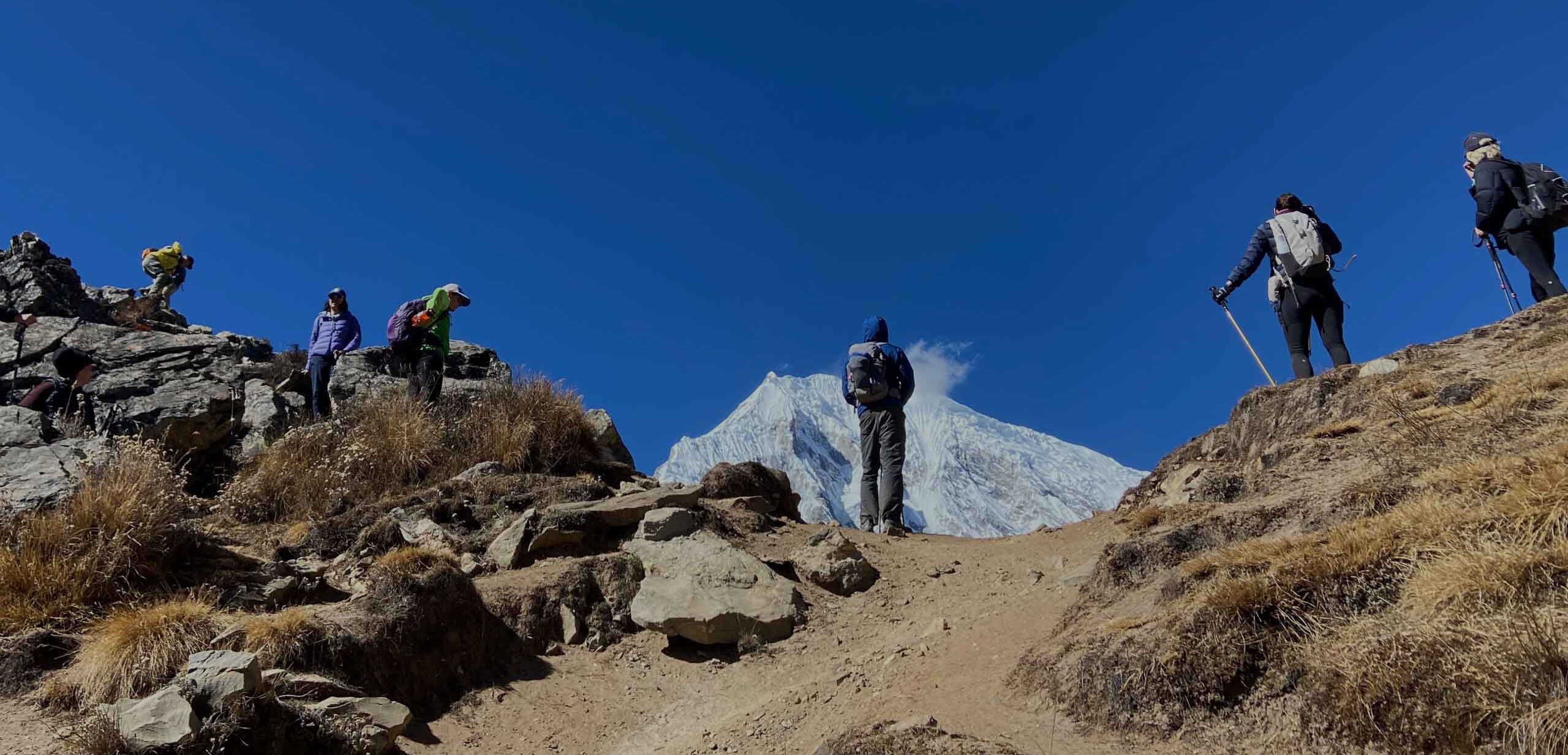
The trek officially begins as we leave Syabrubesi, crossing a suspension bridge over the Langtang River. The trail winds through dense forests of rhododendron, oak, and bamboo, where the sound of flowing water and birdsong creates a peaceful ambiance.
As we climb higher, the air gets cooler, and we may even spot red pandas, Himalayan langurs, and musk deer hiding among the trees. Passing through settlements like Domen and Pairo, we take short breaks to enjoy the surroundings.
The final stretch of the trail leads us to Lama Hotel, a quiet stop nestled among the trees. The cozy teahouses here offer a warm meal and a comfortable place to rest.
Today’s journey takes us deeper into Langtang National Park, as the trail climbs steadily through lush forests and opens up to breathtaking mountain scenery.
We pass through Ghoda Tabela, a scenic clearing where the snowy peaks of Langtang Lirung (7,227m) first come into view. Herds of yaks graze in the meadows, and we start to notice prayer flags and Mani walls, signaling our approach to Buddhist settlements.
Continuing further, we pass through Thangshyap and Chyamki, small villages with stone houses and fields of potatoes and barley. Eventually, we arrive at Langtang Village, once devastated by the 2015 earthquake but now rebuilt with new lodges and a resilient community spirit.
As the evening sets in, the sight of prayer wheels spinning in the wind and the sound of distant yak bells create a peaceful setting for rest.
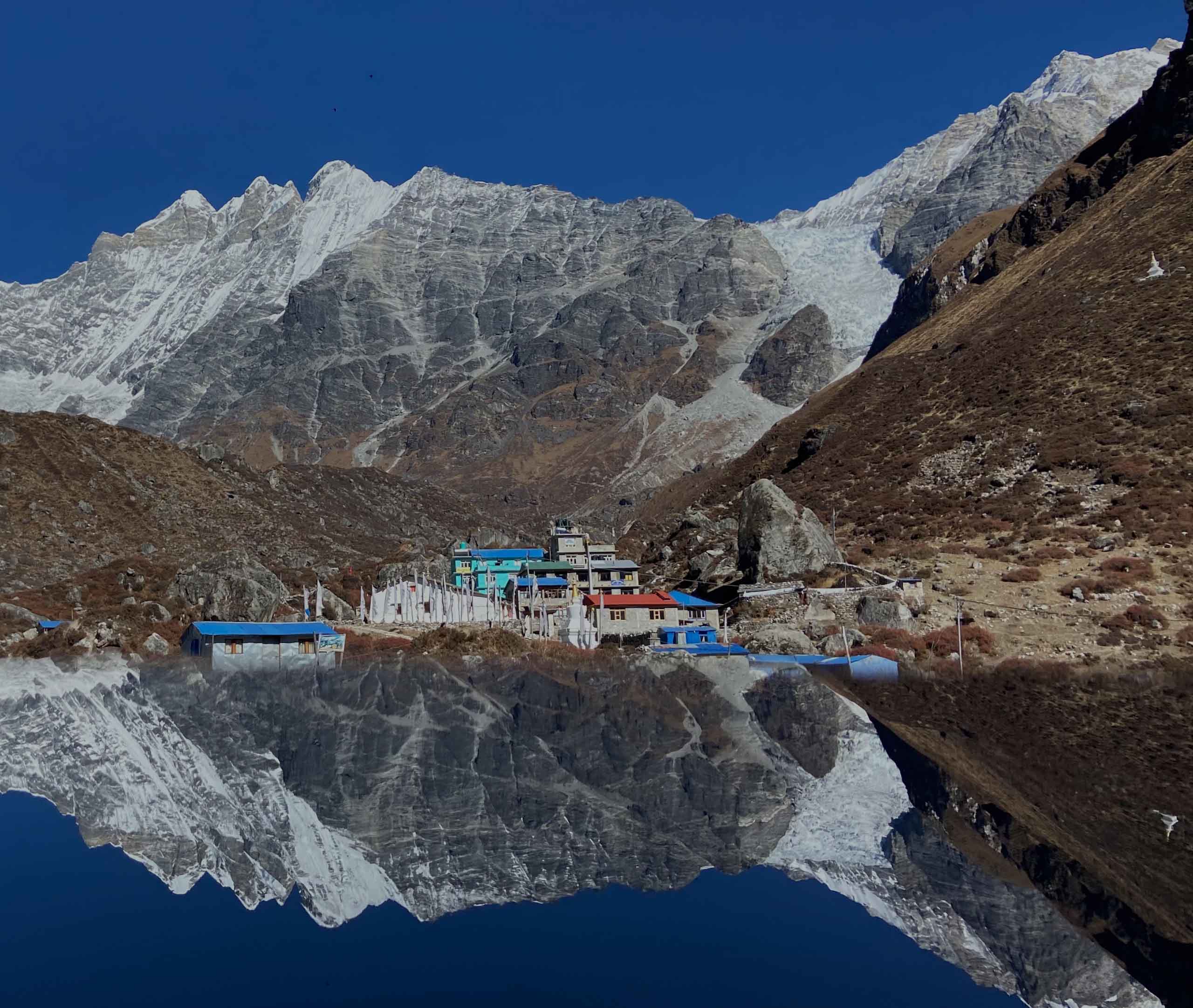
A short but rewarding trek takes us to Kyanjin Gompa, the spiritual heart of Langtang Valley. The landscape changes dramatically as we ascend, with glacier-fed rivers, rugged cliffs, and towering peaks dominating the surroundings.
Arriving at Kyanjin Gompa, we explore the famous Buddhist monastery and visit the local cheese factory, where fresh yak cheese is made using traditional methods.
For those with extra energy, an afternoon hike to Kyanjin Ri (4,773m) offers a breathtaking panoramic view of Langtang Lirung, Dorje Lakpa, and Yala Peak. The golden hues of sunset make this climb even more magical.
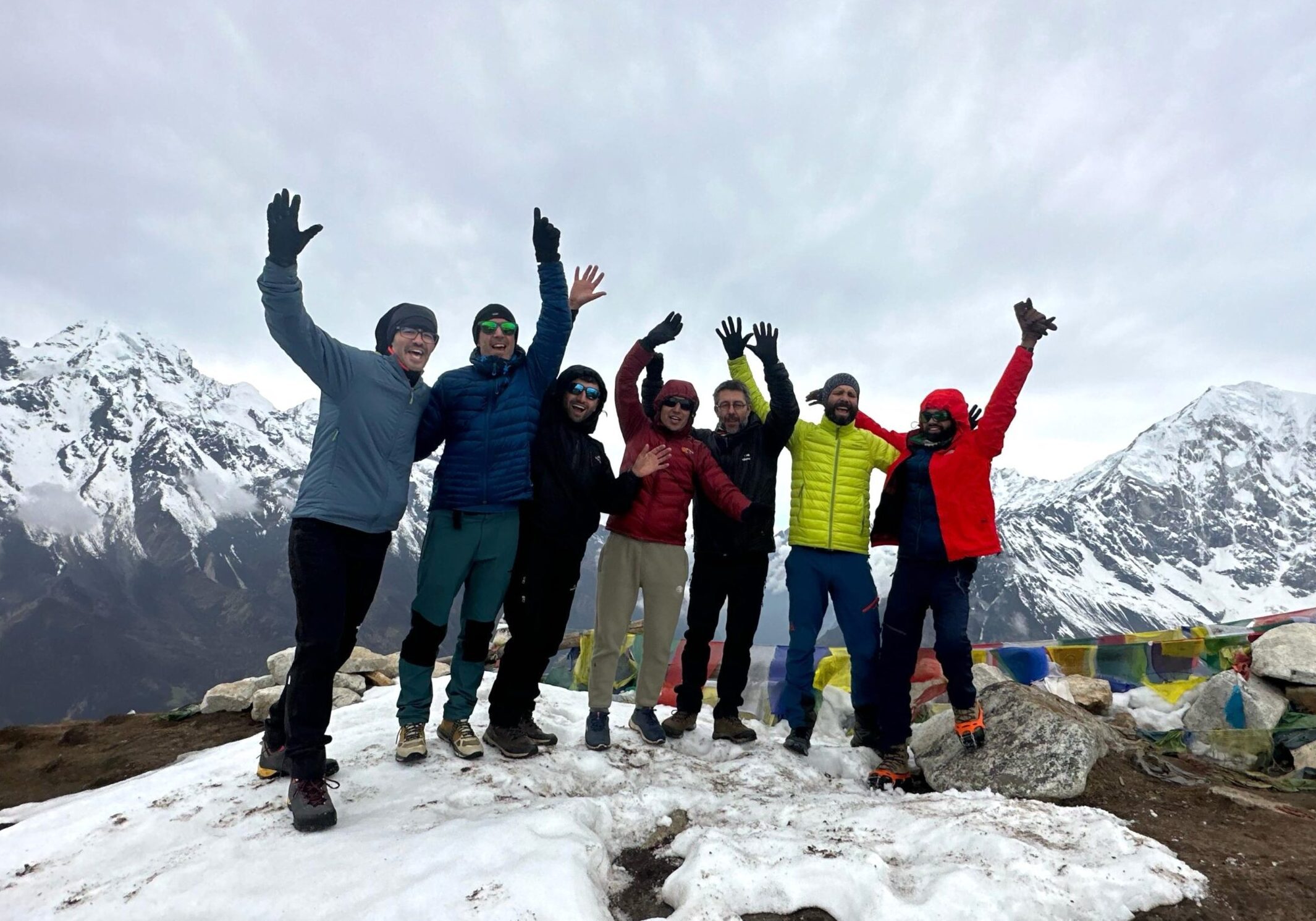
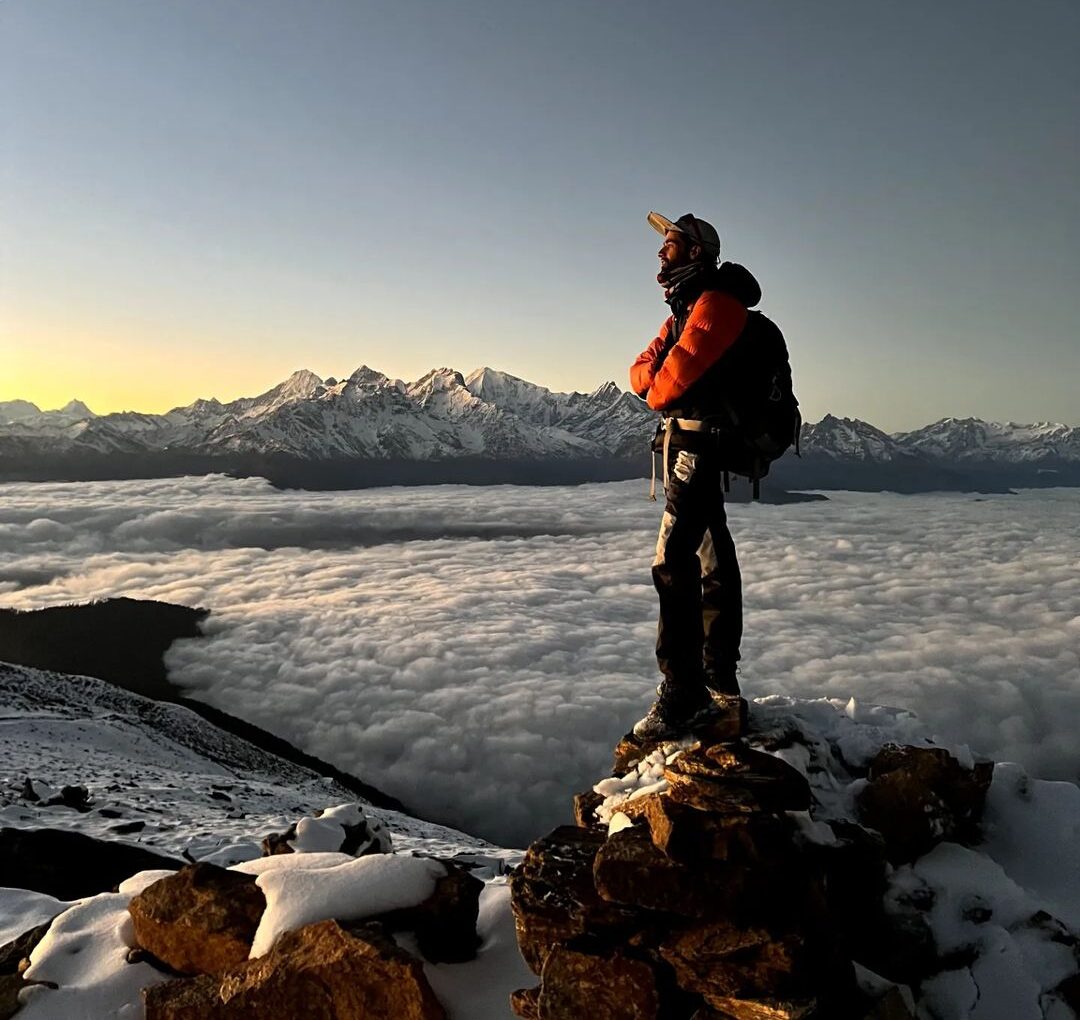
For the best sunrise views in Langtang, we start early for the hike to Tserko Ri, the highest point of our trek. The trail is steep and demanding but rewarding beyond words. As we ascend, the morning light paints the snowy peaks in shades of gold and pink, creating a surreal landscape.
From the summit, the view stretches across the Langtang Himalayas, Shishapangma in Tibet, and even distant peaks in the Annapurna region. After taking in the mesmerizing sight, we descend back to Kyanjin Gompa for a well-earned rest.
After days in the high mountains, we begin our descent. Retracing our steps, we pass through Langtang Village and Ghoda Tabela, taking time to appreciate the scenery from a different perspective. The trek down feels easier, allowing us to enjoy the lush forests and gushing rivers once more.
Arriving at Lama Hotel, we settle in for a final night in the heart of the Langtang wilderness.
The final trekking day is a gentle descent back to Syabrubesi. Walking through familiar trails, we take our time, soaking in the last views of misty hills, rushing rivers, and prayer flag-draped trails.
Reaching Syabrubesi by midday, we celebrate the successful completion of our trek with a delicious meal and a relaxing evening in the village.
After breakfast, we board our vehicle for the return drive to Kathmandu. The journey offers one last chance to admire Nepal’s rural landscapes, terraced hills, and winding rivers.
Back in Kathmandu, you can enjoy a hot shower, a comfortable bed, and a farewell dinner with our team. Celebrate the incredible journey you’ve completed before departing the next day.
As your adventure in Nepal comes to an end, a Trek Curator representative will transfer you to the airport for your onward journey. As you board your flight, you leave with memories of towering peaks, peaceful valleys, and warm local hospitality—a journey that stays with you forever.
Are you ready to embark on the Langtang Valley Trek? Trek Curator ensures every step of your adventure is safe, memorable, and rewarding. Let’s make this journey unforgettable!
Modify itinerary, accommodation, transportation, or activities according to your travel style and schedule.
The Langtang Valley Trek is classified as moderately difficult. While the main trail is well-maintained with clear stone steps, the altitude above 3,500 m makes the walking feel much tougher. The climb up Tserko Ri (5,000 m) involves steep switchbacks and loose rock, requiring good physical stamina. We highly recommend starting cardio training (such as running, cycling, or stair climbing) 2 to 3 months before your trip. Read our Himalayan Altitude Guide to learn about it.
To hike in this region, you need two distinct permits. Our all-inclusive package fully handles and covers these for you:
Important 2026 Safety Update: Under updated regulations issued by the Nepal Tourism Board and immigration authorities, independent solo trekking without a registered guide is strictly banned across all national parks and mountain regions. All international trekkers must be accompanied by a licensed guide secured through a registered agency.
Accommodations are classic alpine teahouses. Rooms are simple, clean, and unheated, usually featuring two twin beds with mattresses and blankets. Bathrooms are shared and can range from modern flush styles in lower elevations to traditional Asian squat toilets as you climb higher. Hot water is available via gas showers for a small supplemental fee (usually USD $2 to $4).
Carbohydrate-rich, freshly prepared local food is the engine of the trail. The most famous choice is Nepalese Dal Bhat (lentil soup, rice, and seasonal vegetable curry), which features free refills. Standard menu options like pasta, noodles, porridge, and eggs are also universally available.
Charging outlets for phones, cameras, and power banks are available in the dining halls for a small fee (NPR 200 – 400). Mobile network coverage (Ncell and NTC) works reasonably well up to Langtang Village, but is highly spotty or absent in Kyanjin Gompa. Most teahouses provide satellite-linked Wi-Fi cards for a supplemental cost of USD $3 to $5 per day.
While your booking package covers your main accommodation, transportation, and core meals, you must carry local cash for personal travel comforts.
Critical Insight: There are absolutely no functional ATMs anywhere on the trail past Dhunche. You must exchange your currency into Nepalese Rupees (NPR) in Thamel before heading out. We recommend carrying NPR 3,000 to 4,000 (Approx USD $25 to $30) per trekking day to cover daily out-of-pocket expenses.
Typical On-Trail Extra Cost Breakdown:
Hot Gas Showers: NPR 300 – 500 per shower
Device Charging: NPR 200 – 400 per full charge
Boiled/Purified Drinking Water: NPR 150 – 300 per liter (Pro-tip: Bring a reusable bottle and purification tablets to cut plastic waste and save cash).
Snacks & Hot Bakery Items: NPR 200 – 500 per item
Up in Kyanjin Gompa, the bedrooms are completely unheated. Bring a high-quality, four-season sleeping bag rated down to -10C. The teahouse dining rooms are warmed by a central wood/yak-dung stove in the evening, making them the best place to relax.
Western food options like pizza or pasta are available, but the ingredients have to travel up the trail via pack animals. Stick to local Dal Bhat; it's fresh, delicious, and gives you the best fuel for the steep climbs.
The temperature shifts rapidly as soon as the sun goes behind the massive peaks. Keep a windproof layer and a warm beanie readily accessible in your daypack.
Safety is our top priority. If you experience persistent acute mountain sickness (AMS) or suffer an injury, our certified guides are fully authorized to initiate our emergency protocol. We coordinate directly with emergency helicopter services in Kathmandu to organize immediate high-altitude medical evacuation. All travelers must hold premium travel insurance that explicitly covers emergency helicopter search-and-rescue up to 5,000m.
To process your permits and confirm your booking, you must submit the following items to our office at least 14 days before your arrival:
Essential gear for comfort, warmth, and safe trekking at altitude.
The Langtang Valley Trek is a moderate high-altitude teahouse trek located within Langtang National Park in Nepal, roughly 130 kilometers north of Kathmandu. Famous for its dramatic glacial landscapes, rich Tamang culture, and views from Tserko Ri (5,000m), it serves as a highly accessible alternative to the Annapurna and Everest trekking circuits.
No. Under updated regulations issued by the Nepal Tourism Board, independent solo trekking without an authorized professional is banned in the Langtang region. All international trekkers must hire a licensed trekking guide through an accredited agency to secure mandatory TIMS and national park permits.
You should carry between NPR 3,000 and NPR 4,000 (Approx. USD $25 to $30) per trekking day in local currency. This cash handles daily personal extras not covered by your package, such as satellite Wi-Fi access, electronic device charging fees, hot gas showers, soft drinks, and tips for your hardworking crew.
When ascending past 3,000m in the Langtang valley, monitor yourself closely for early signs of Acute Mountain Sickness (AMS). These include a persistent dull headache, mild dizziness, fatigue, loss of appetite, or difficulty sleeping. Inform your guide immediately if any of these signs develop.
Electricity is available throughout the trek, powered by local hydroelectric networks or solar systems. You can charge your devices at every teahouse for a small fee. Cell phone coverage (Ncell/NTC) functions well up to Langtang Village, but becomes limited or absent as you enter the high valley around Kyanjin Gompa.
Verified guest feedback collected from Tripadvisor and Google Reviews.
I went on the Langtang Valley trek with Trek Curator, and honestly, it was such a great experience. Everything felt well managed, and the team was really friendly and helpful from the beginning till the end.
The trek itself was beautiful peaceful trails, stunning mountain views, and a really nice local vibe. Our guide was supportive and made sure everyone was comfortable, which made the journey even more enjoyable.
Overall, I had a really good time and made some unforgettable memories. Big thanks to Trek Curator for making this trip so special. Definitely recommend them if you’re planning a trek in Nepal!