Everest Base Camp Trek Difficulty
The Everest Base Camp trek is physically demanding, but it does not require technical climbing skills. It is a long-distance, high-altitude walk.
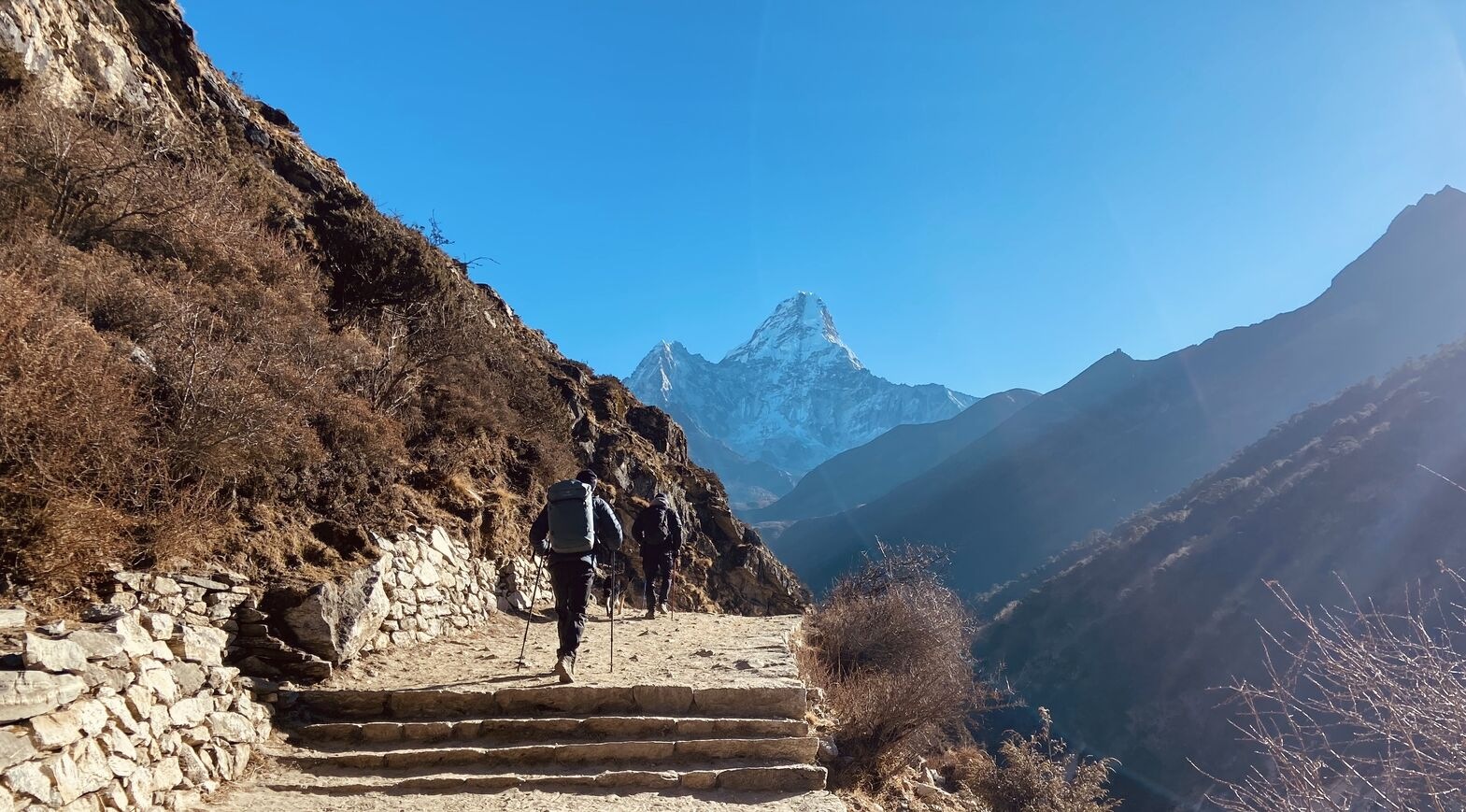
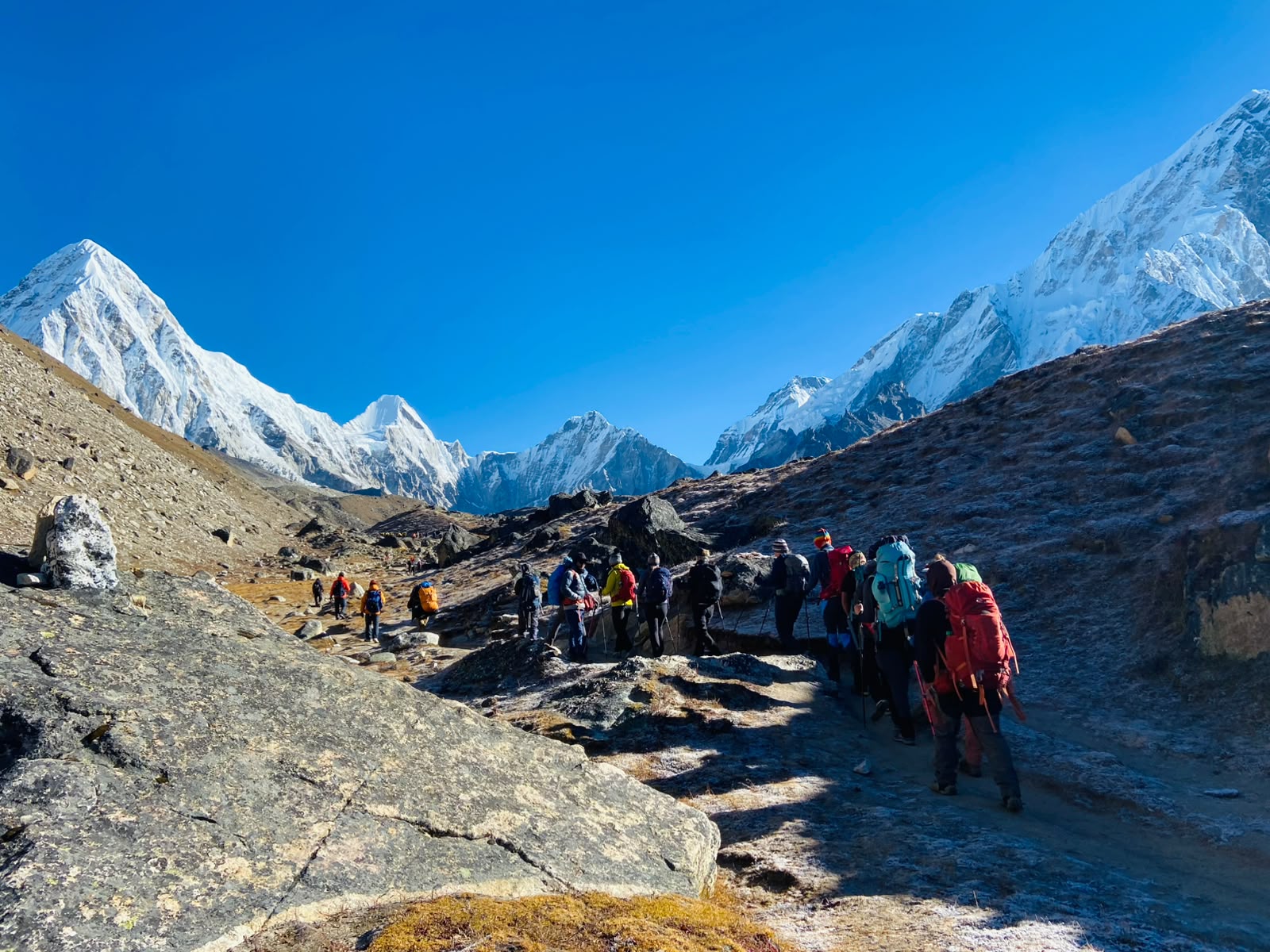
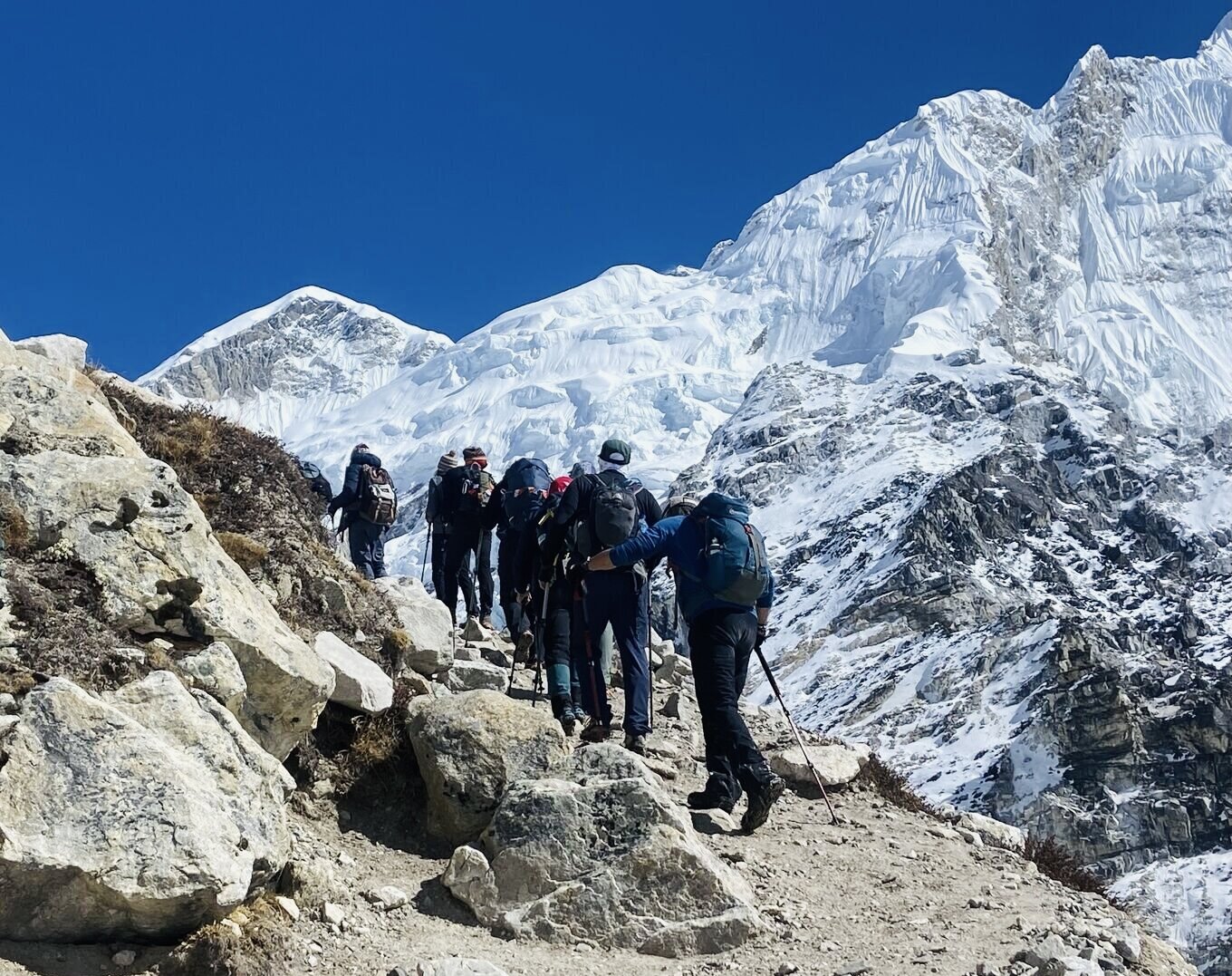
The Terrain: You will hike over steep stone staircases, suspension bridges, rocky glacial moraine, and loose dirt trails.
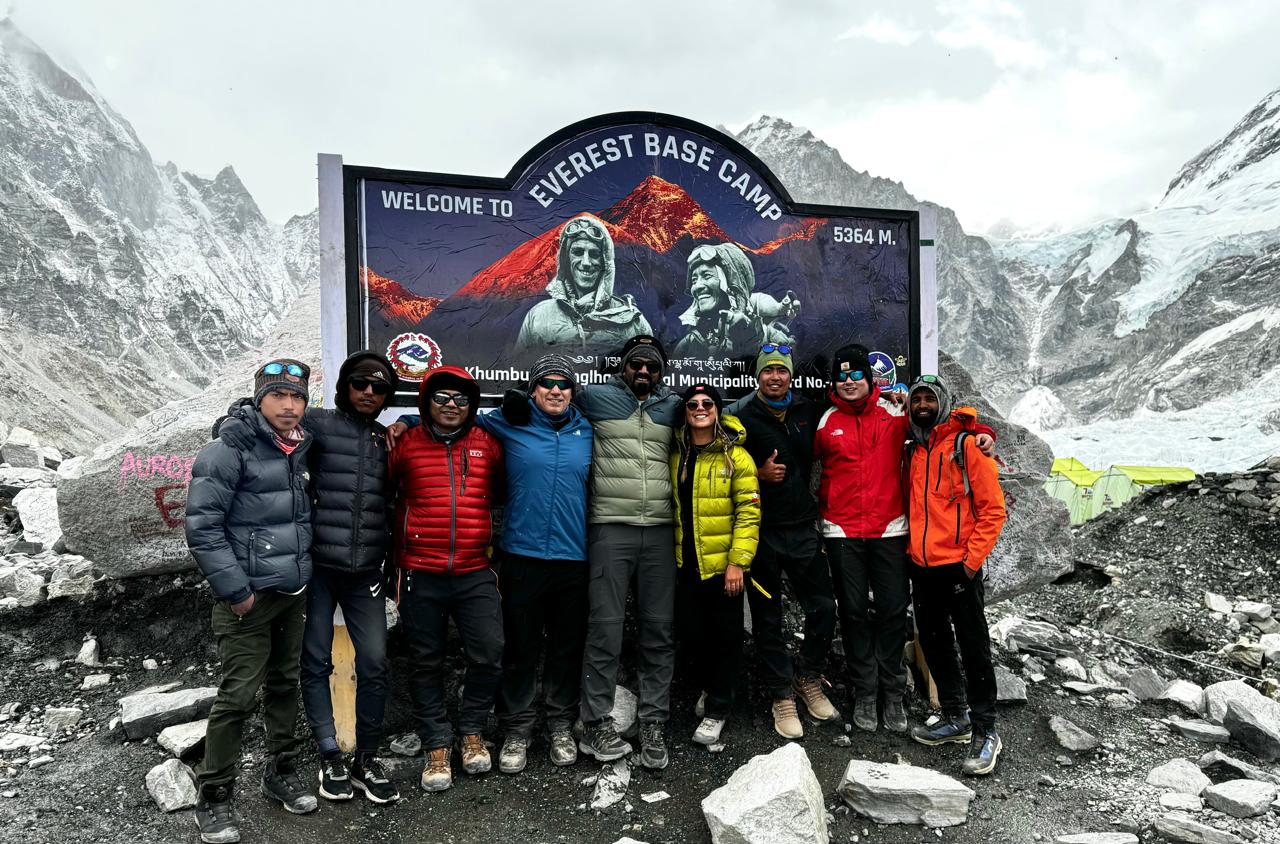
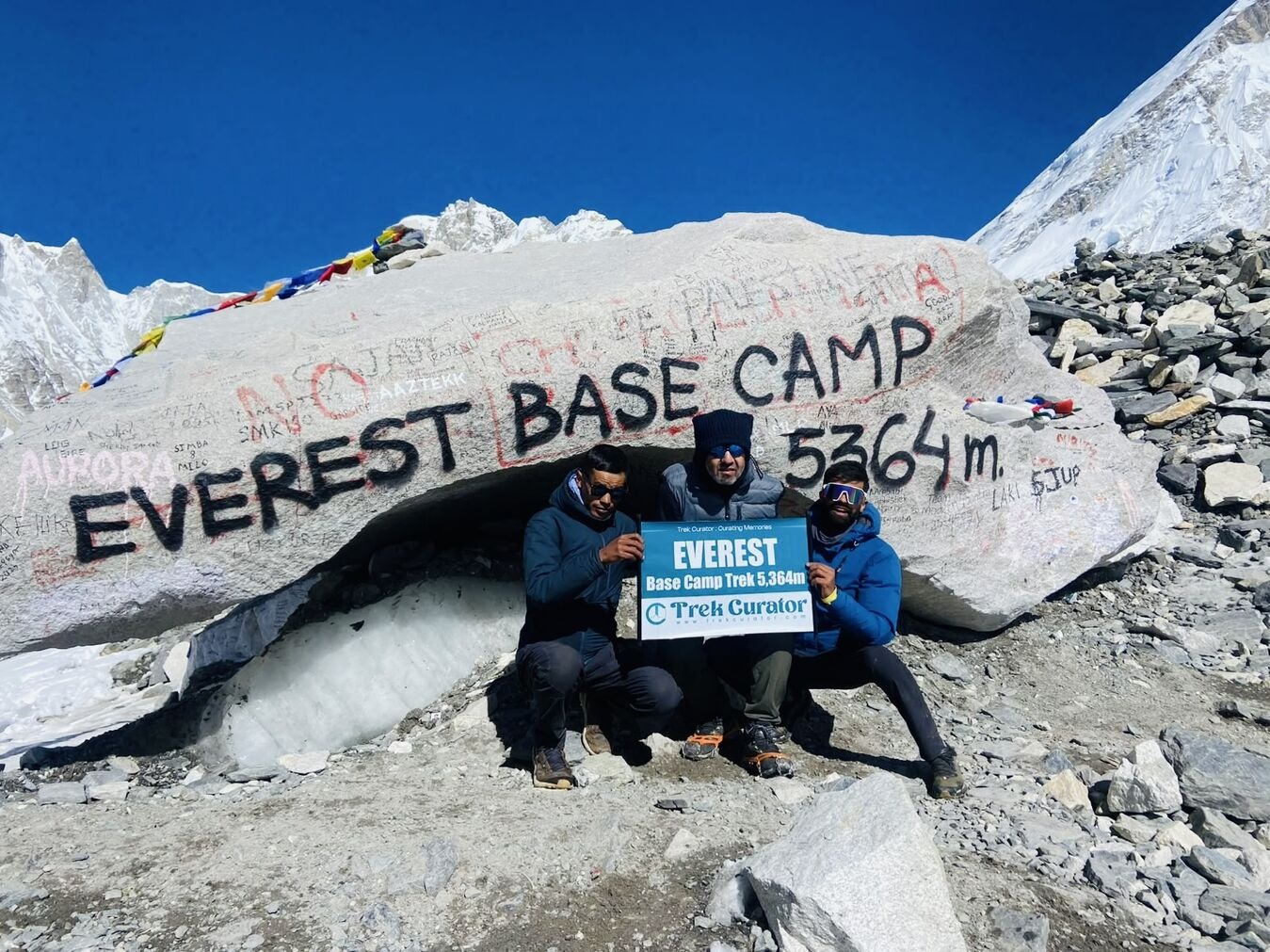
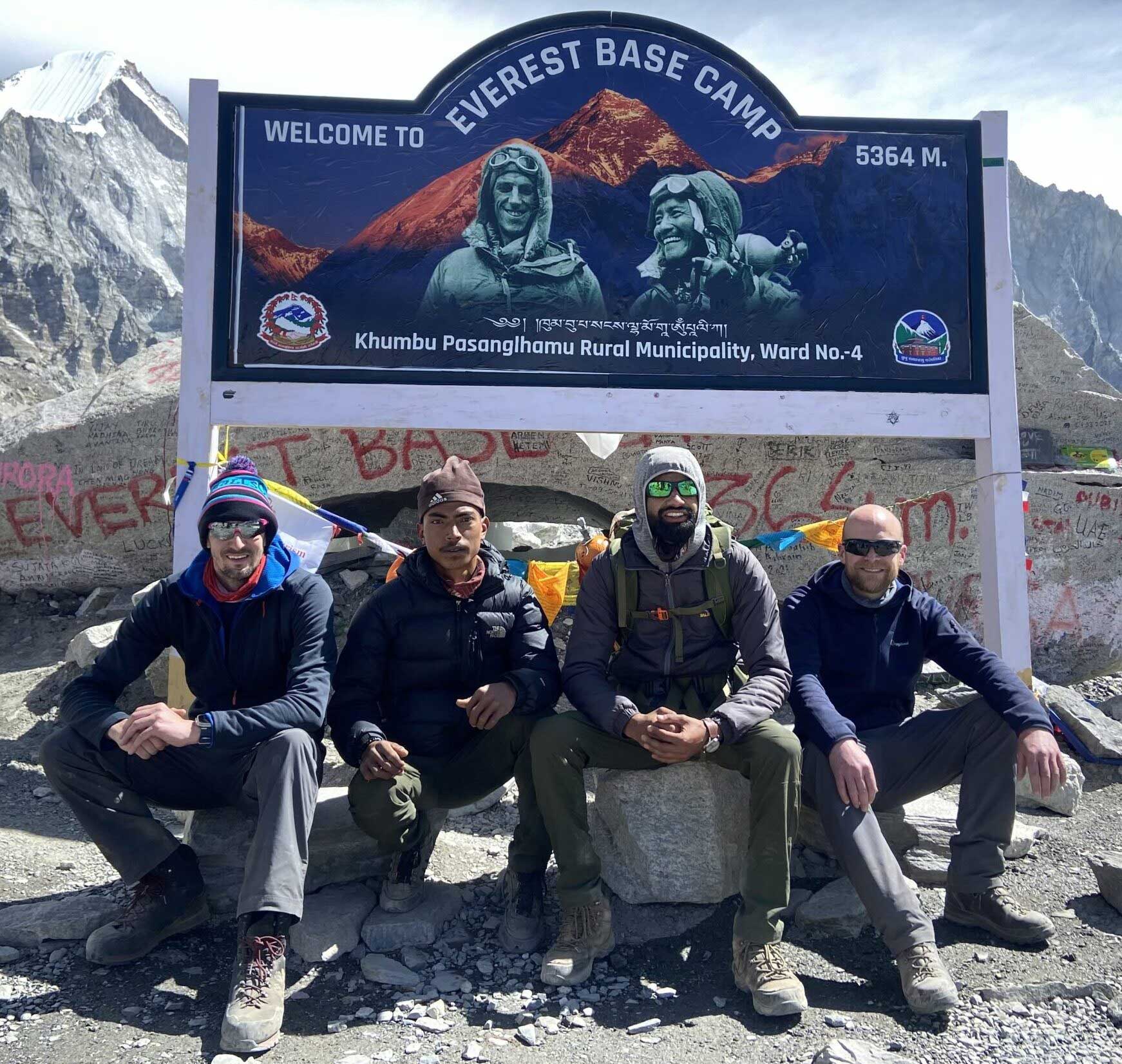
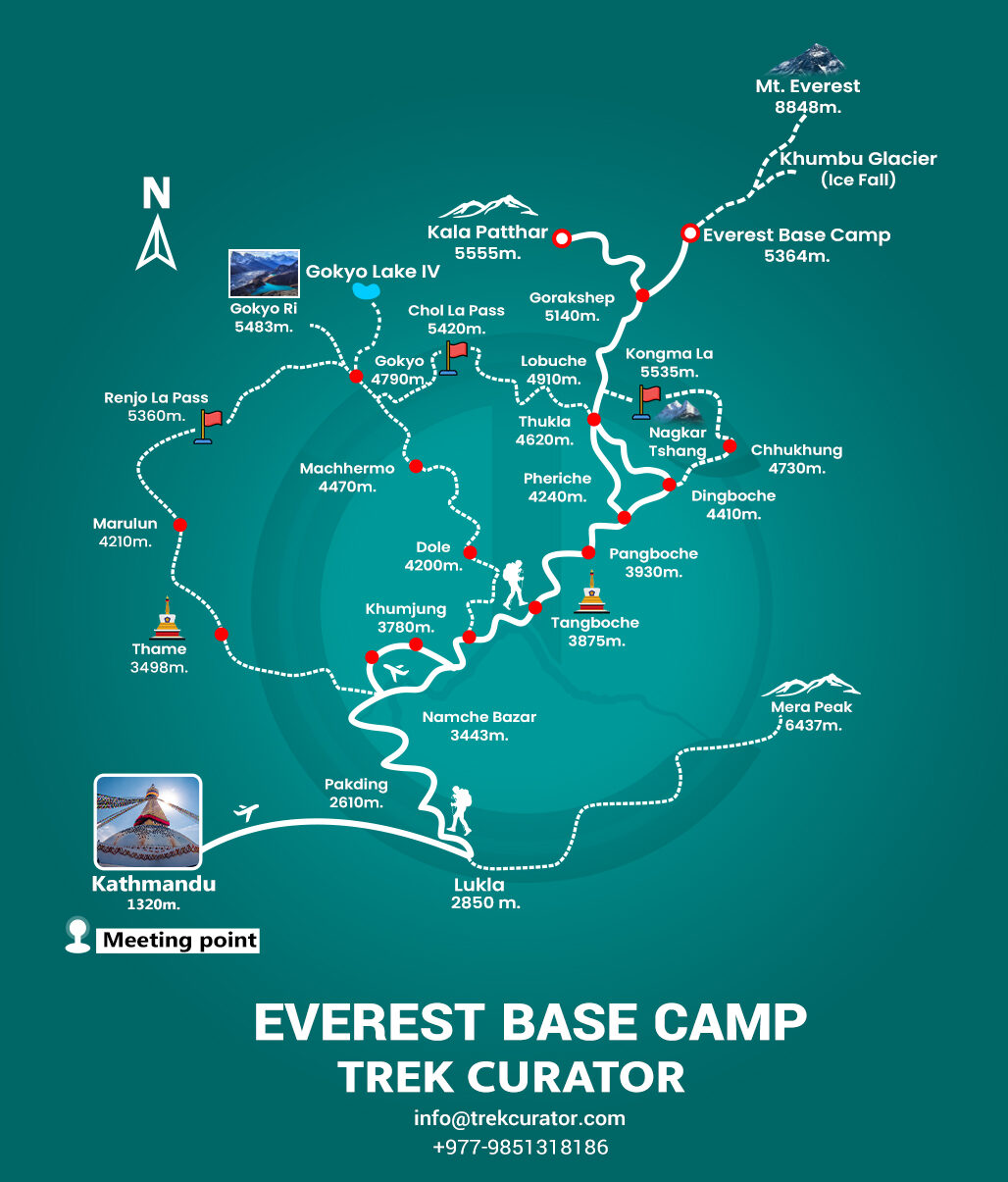
The Real Challenge: The true difficulty comes from sustained elevation and thin air. You will walk 5 to 7 hours daily for roughly 12 days, starting at 2,860 meters (Lukla) and peaking at 5,545 meters (Kala Patthar), where oxygen levels drop to nearly 50% of what they are at sea level.
Preparation Strategy: Prioritize cardiovascular endurance (running, swimming, cycling) and leg strength (stair climbing with a weighted pack) at least 8 to 12 weeks before departure.
Everest Base Camp Trek Costs & Personal Expenses
The overall financial commitment for an Everest Base Camp trek depends heavily on whether you choose an all-inclusive managed expedition or an unassisted line item trip.
Estimated Trip Packages
Standard All-Inclusive Group Package: USD 1,300 per person. (Covers round-trip Lukla flights, permits, tea house accommodations, 3 meals a day, a certified guide, and shared porter logistics.)
Consolidated Out-of-Pocket Trail Expenses
Because the Khumbu region relies completely on foot traffic, yaks, and helicopters to move supplies, costs escalate dramatically the higher you climb. ATMs past Namche Bazaar are notoriously unreliable, so you should exchange foreign currency for cash in Kathmandu and carry NPR 4,000 to NPR 6,000 (approx. USD 30 to USD 50) per day to cover these out-of-pocket costs:
| Item / Service |
Estimated Out-of-Pocket Cost (USD) |
Notes & Practical Advice |
| Kathmandu Hotel & Meals |
$100 – $230 total |
Budget for a 2–3–night hotel stay plus food in Thamel before/after the trek. |
| Boiled Drinking Water |
$1.50 – $4.00 / Liter |
Avoid plastic bottles to protect the trail. Bring a reusable flask and purification tablets. |
| Device Charging |
$1.50 – $5.00 / Charge |
Charged per device or power bank. Keep batteries warm inside your sleeping bag at night. |
| Wi-Fi Cards (Everest Link) |
$5.00 – $8.00 / Card |
Regular tea house Wi-Fi is highly spotty. Pre-purchasing a network card is recommended. |
| Hot Showers |
$4.00 – $8.00 / Shower |
Gas-geyser or bucket showers. Avoid showers past Dingboche to prevent catching a cold. |
| Snacks & Comfort Foods |
$3.00 – $7.00 / Item |
For bakery treats in Namche, specialized coffees, or sodas. Stick to vegetarian food to avoid food illness. |
| Gear Rental |
$40 – $80 total |
Renting a heavy -15°C sleeping bag and down jacket in Thamel ($2–$3/day each). |
Everest Base Camp Trek Permits and Visa Information
To pass the various checkpoints in the Khumbu region, specific legal paperwork must be secured.
Required Trekking Permits
The central Trekkers’ Information Management System (TIMS) card has been completely discontinued and is no longer required or enforced anywhere in the Everest (Khumbu) region. Nepal has decentralized trekking fees, meaning your funds go directly to the local trails you are walking on.
To pass the regional checkpoints, Trek Curator secures two distinct mandatory permits for you:
2. Khumbu Pasang Lhamu Rural Municipality Permit
This is a local infrastructure tax collected directly in Lukla to maintain the trails, bridges, and emergency local services.
Cost: NPR 3,000 (approx. USD 23) per person.
2. Sagarmatha National Park Entry Permit
This permit directly supports environmental conservation and park ranger monitoring inside the UNESCO World Heritage Site.
Cost: NPR 3,000 (approx. USD 22) per person
For more information about the permit: Nepal Trekking Permits
Nepal Tourist Visa Information
Most nationalities can obtain a Nepal Tourist Visa on Arrival at Tribhuvan International Airport (KTM) in Kathmandu.
- 15-Day Visa: USD 30 (Too short for a standard EBC trek)
- 30-Day Visa: USD 50 (Recommended to ensure an adequate weather buffer)
- 90-Day Visa: USD 125
Visa Checklist:
Passport Validity: Must have a minimum of 6 months of validity remaining from your date of entry.
Cash for Fees: Carry the exact fee in clean, undamaged US Dollar bills. Airport card readers can be highly unreliable.
Photos: Keep two physical passport-sized photos on hand for manual backup forms if needed.
Everest Base Camp Transportation
Getting into the mountains safely requires understanding how regional flight operations work.
Flight Logistics: Navigating the Lukla Route
Getting into the mountains safely requires understanding how regional flight operations work.
[Kathmandu / Ramechhap Airport] ✈ (15-35 min flight) ➔ [Lukla Airstrip]
The Standard Kathmandu vs. Ramechhap Shift
While flights historically departed directly from Kathmandu, civil aviation authorities now divert all peak-season Lukla flights (March–May and September–November) to Manthali Airport in Ramechhap to eliminate air traffic bottlenecks.
- The Ramechhap Routine: This requires a 4-to-5-hour drive from Kathmandu to Ramechhap along the BP Highway. To catch the critical early morning flight windows before mountain winds pick up, this drive departs Kathmandu around 1:00 AM to 2:00 AM.
- The Shorter Flight: Flying from Ramechhap reduces airtime to just 15–20 minutes, meaning planes can rotate much faster and clear passenger backlogs quickly during clear weather windows.
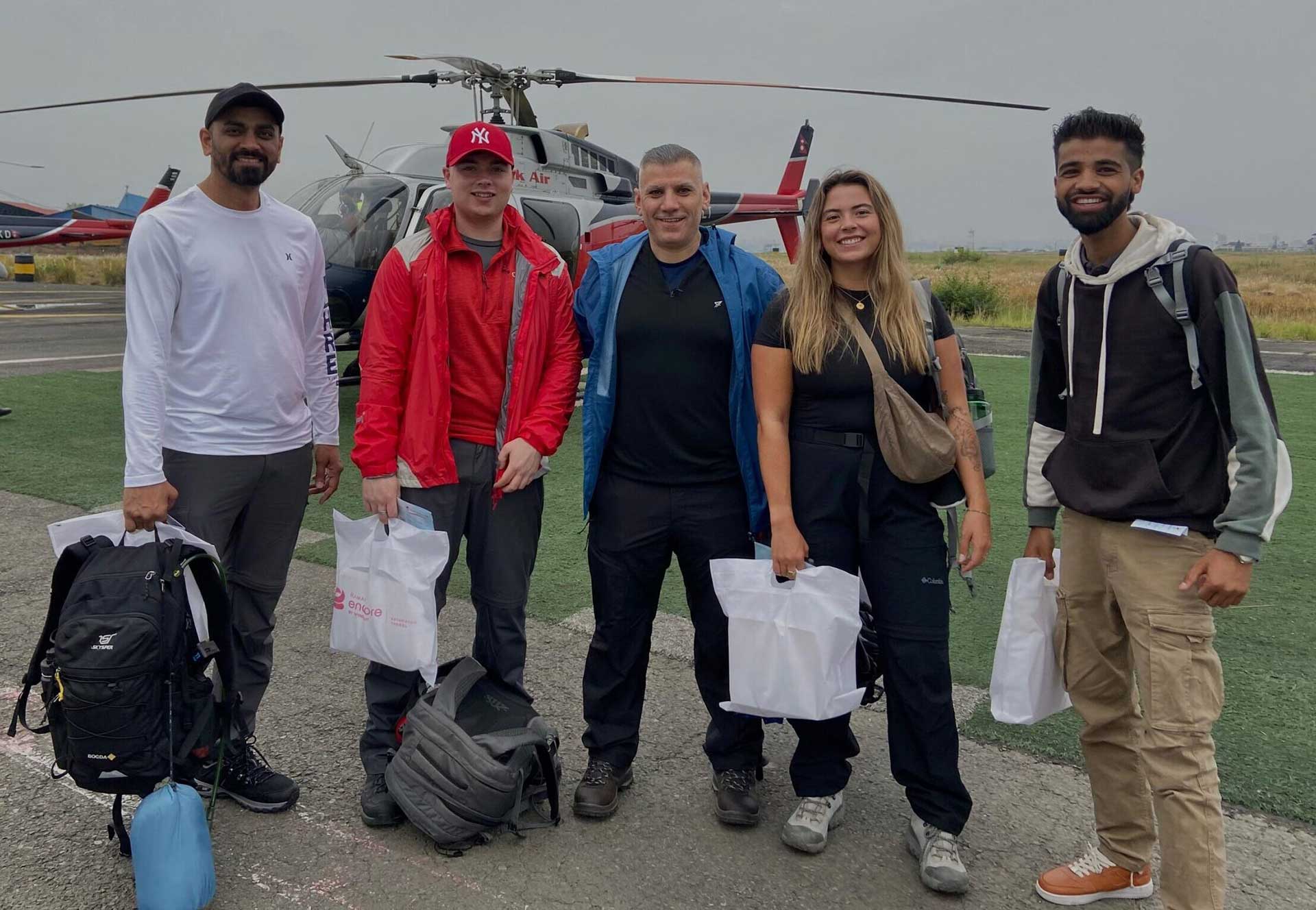
- Helicopter Upgrades: If you want to bypass the nighttime drive entirely, direct helicopter charters from Kathmandu to Lukla can be arranged as a premium service upgrade.
- Weather Buffers: Because high-altitude mountain flights are dependent on split-second weather windows, always budget 2 extra days at the end of your trip before your international flight out of Kathmandu.
Civil Aviation Authority of Nepal
Everest Base Camp Accommodation: Lodging, Food, and Utilities
While the EBC trail features established tea house infrastructure, services become simpler and more expensive the higher you climb.
- Tea House Lodging: Simple, twin-sharing rooms with twin wooden bed frames, foam mattresses, and pillows. A central stove heats main dining halls in the evenings; bedrooms are completely unheated. Heavy blankets are provided, but a high-rated sleeping bag is necessary.
- Food & Hydration: Comprehensive menus offering Dal Bhat (rice, lentil soup, and vegetable curry), eggs, potatoes, pasta, and porridges. Garlic soup is widely popular for helping with altitude sickness. Dal Bhat is the best option on the trail; it is freshly prepared daily and comes with free, bottomless refills.
Best Season for Everest Base Camp
Weather dictates trail safety and mountain clarity across four distinct seasons:
- Spring (March – May): Excellent mountain views, moderate day temperatures, and blooming rhododendron forests at lower elevations. This coincides with the official Everest climbing season, meaning Base Camp is an active tent city.
- Autumn (September – November): The gold standard for trekking. Post-monsoon clear skies offer razor-sharp mountain visibility and highly stable weather conditions, though trails and tea houses operate at maximum capacity.
- Winter (December – February): Clear, dry days but severe, below-freezing temperatures overnight. Best for experienced, self-reliant trekkers, looking to avoid trail crowds.
- Monsoon (June – August): Heavy rains lead to trail mud, increased landslide risk, leech activity, and extended flight cancellations. This season is not recommended for an EBC trek.
For more information about the best season: Best Time for Everest Base Camp Trek
Guide and Porter Logistics
Navigating the high-altitude trails of the Khumbu safely is vastly easier when backed by local expertise and physical support.
- Certified Guides: A licensed, English-speaking guide handles navigation, monitors your acclimatization, manages tea house bookings, and acts as your direct liaison during flight delays or medical emergencies.
- Cost: USD 30 to USD 40 per day (inclusive of their food, accommodation, and insurance).
- Local Porters: A porter carries your heavy duffel bag (typically up to 15–20 kg, often shared between two trekkers), leaving you to hike with just a light daypack. This significantly reduces physical fatigue and lowers your risk of altitude sickness.
- Cost: USD 20 to USD 30 per day (inclusive of their food, accommodation, and insurance).
Tipping Guidelines: Tipping is a deeply ingrained cultural expectation in the Himalayas. While discretionary, standard tipping pools range from 10% to 15% of the total trek cost, split among your guide and porter team at the end of the journey in Lukla
Money Exchange in Kathmandu
The tourist hub of Thamel is packed with licensed money exchange booths. Shop around for the best daily rate. Ensure your foreign banknotes are crisp, clean, and untorn, as local banks and exchanges routinely reject older or damaged bills.
Note: Always convert your foreign currency into Nepalese Rupees (NPR) before flying to Lukla; small tea houses do not accept foreign credit cards or foreign cash.
Independent vs. Guided Trekking
Choosing how to tackle the EBC loop fundamentally alters your safety margin and logistical stress.
Independent Trekking (Solo / Unassisted)
Pros: Complete freedom over your daily timeline; lowest upfront cost.
Cons: You must physically race other trekking groups to secure a bed at high-altitude tea houses during peak seasons. If bad weather hits or you experience altitude sickness, you have no dedicated safety net or emergency evacuation coordination.
Guided Trekking (With an Agency Like Trek Curator)
Pros: Pre-allocated, guaranteed tea house rooms and priority peak-season Lukla flight slots. Continuous, certified medical monitoring (SpO2 tracking) and instant, automated helicopter rescue management if an emergency occurs. Deep, authentic cultural interaction through local Sherpa staff.
Altitude Safety & Emergency Protocols
A safe expedition above 3,000 meters requires recognizing how the human body reacts to reduced atmospheric pressure.
Acute Mountain Sickness (AMS) Symptoms
Mild acclimatization adjustments are normal, but escalating symptoms must be addressed immediately:
- Persistent, throbbing headache or dizziness.
- Nausea, vomiting, or sudden loss of appetite.
- Extreme physical fatigue out of proportion to exertion.
- Shortness of breath while resting.
Our Field Protocol: You must alert your guide the moment you feel symptoms. Our team follows rigid safety measures: we never ascend with symptoms of altitude sickness, we maintain a minimum fluid intake of 4 liters of water daily, and we initiate immediate descent if symptoms worsen.
For more information about Altitude Safety: Altitude Sickness in Nepal
Emergency Evacuation
If a trekker exhibits signs of severe altitude sickness (HAPE/HACE) or traumatic injury, helicopter evacuation to a Kathmandu hospital is coordinated immediately from local landing pads:
- Gorakshep (5,164 m)
- Pheriche (4,371 m) – Location of the permanent Himalayan Rescue Association clinic.
- Lukla (2,860 m)
Travel Insurance Mandate
Every trekker must carry a comprehensive travel insurance policy that explicitly covers high-altitude trekking up to 6,000 meters and includes emergency helicopter search, rescue, and evacuation coverage. Proof of this policy must be submitted before departure.
Booking & Document Checklist
To guarantee your flight slots, guide assignments, and regional permits, ensure your documentation is prepared well ahead of your seasonal window.
Required Documents:
- Clear, color digital scan of your passport details page.
- Two recent passport-format photographs.
- Your verified insurance certificate showing high-altitude coverage limits.
Booking Terms:
Deposit: A 20% to 30% non-refundable deposit is required at booking to clear permits and advance-book peak-season Lukla flights.
Final Balance: The remaining balance is due in Kathmandu before your pre-trek orientation and gear check.
Reserve Your Trek Today
The Everest Base Camp Trek 2026 remains the ultimate pinnacle of Himalayan adventure. If you seek the iconic views of Mount Everest, authentic Sherpa culture, and the thrill of standing on the active Khumbu Glacier, this journey belongs at the top of your list.
- Request your personalized quotation today.
- Speak directly with a local trekking expert.
- Secure your preferred 2026 departure before flight slots and peak-season accommodations fill up.