Culture, Landscape, Flora & Fauna
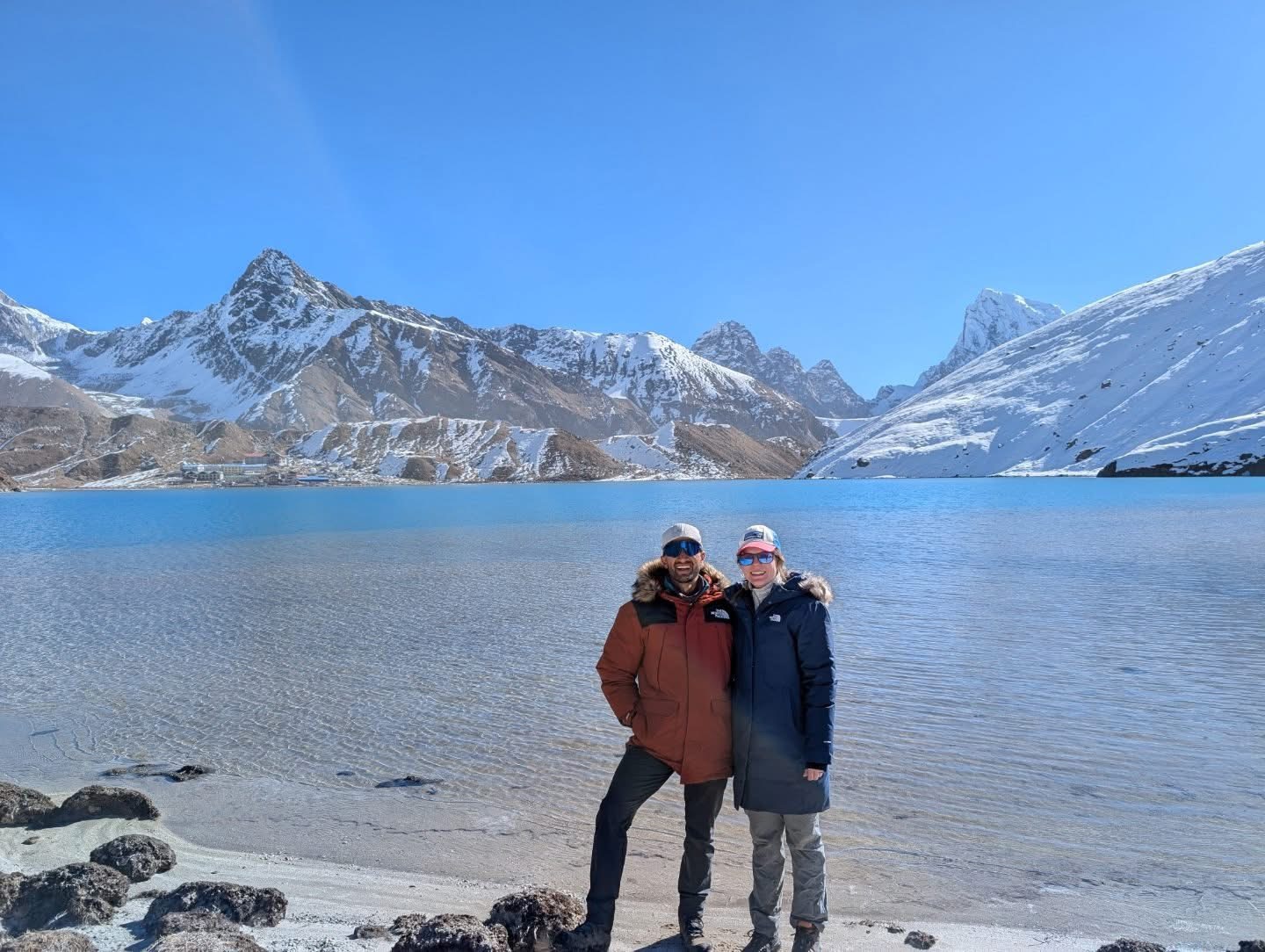
As you travel through Sagarmatha National Park (a UNESCO World Heritage site), the landscape shifts dynamically from lush rhododendron and pine forests to rugged alpine shrubbery. Keep an eye out for Himalayan Thar, musk deer, and the vibrant Danphe (Impeyan Pheasant), Nepal's national bird.
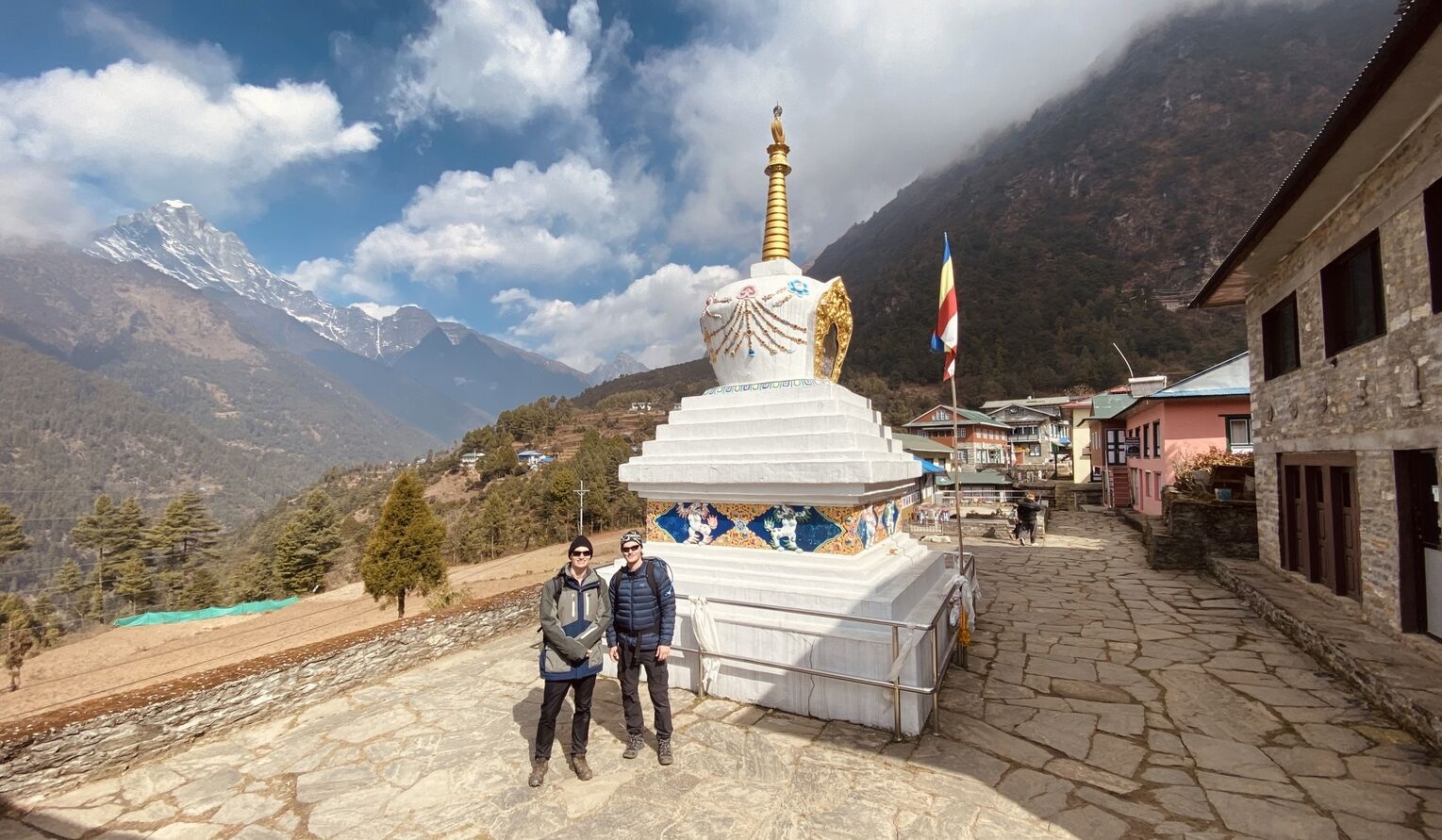
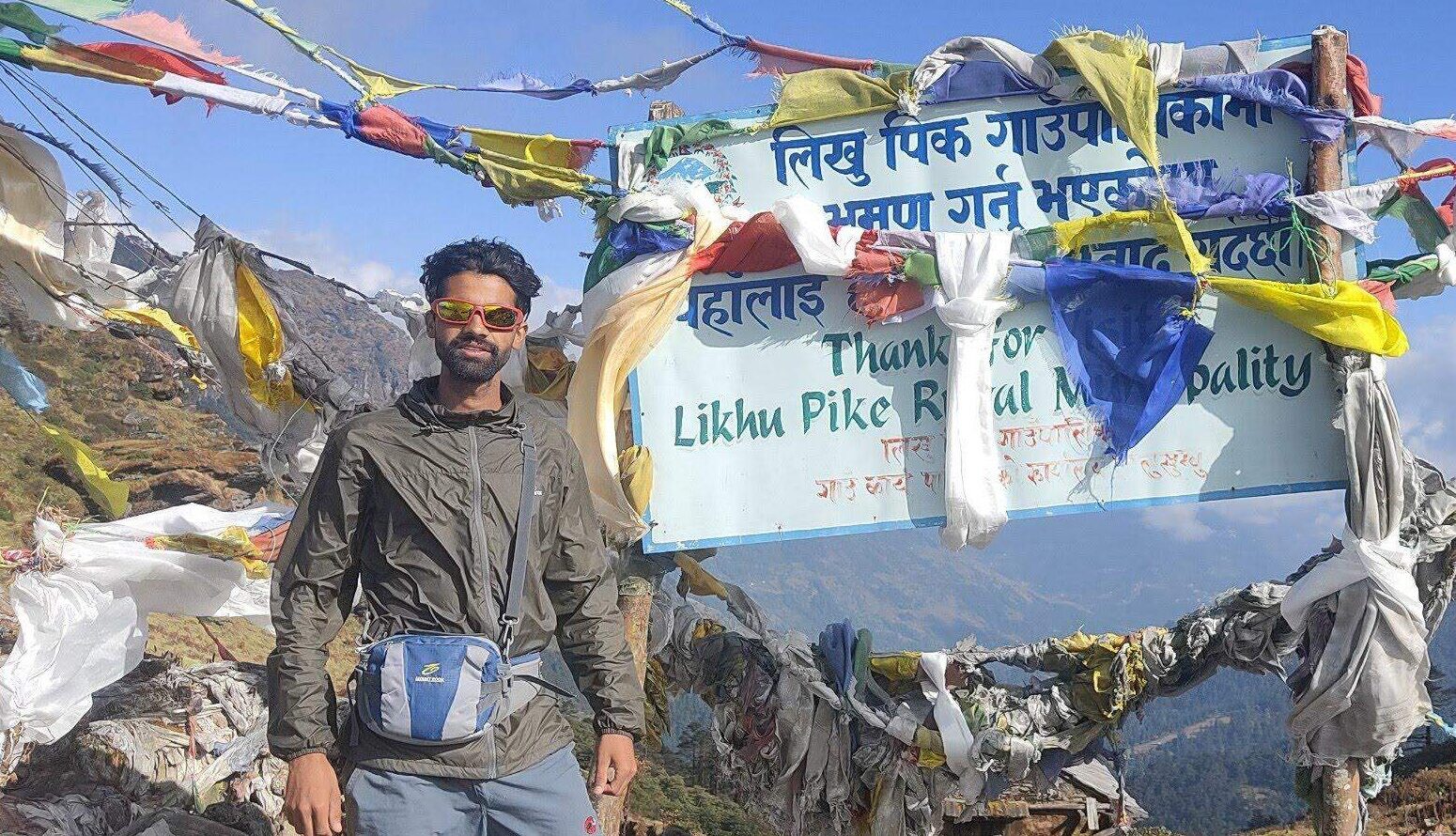
Culturally, you are walking through sacred ground. The trail is lined with beautifully carved mani stones, spinning prayer wheels, and ancient chortens reflecting deep Tibetan Buddhist traditions.
Fun Fact: Sagarmatha National Park is a UNESCO World Heritage Site recognized for its unique natural and cultural significance.
Everest View Trek Difficulty Level
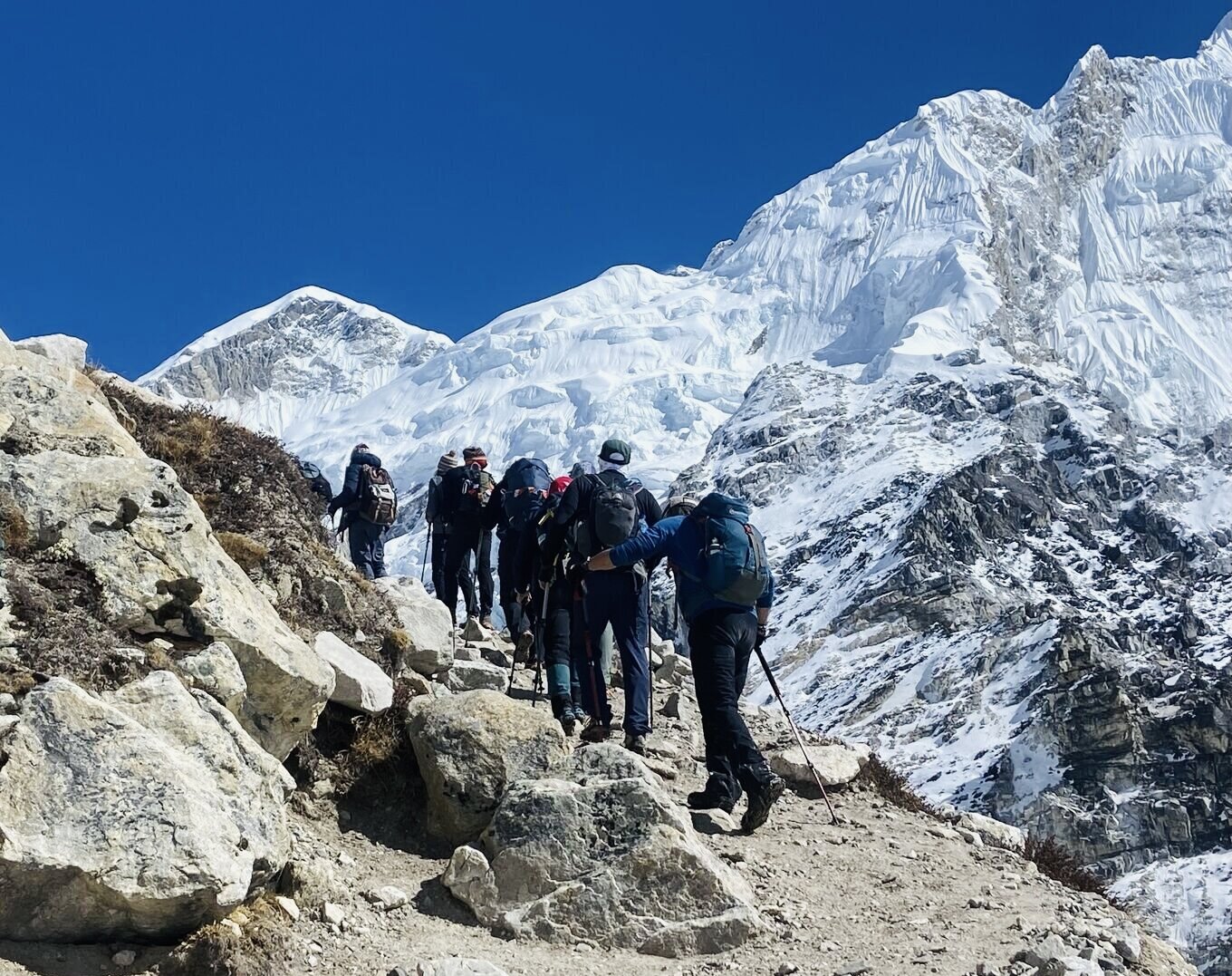
This route is classified as Easy to Moderate. Unlike the full Everest Base Camp trail, it avoids extreme altitudes above 4,000 meters and grueling multi-week trekking days. It is highly accessible for active travelers but still requires navigating steep stone staircases and sustained mountain inclines.
Essential Trekking Specs
| Specification |
Details |
| Maximum Altitude |
3,860 meters (12,664 feet) at Tengboche Monastery |
| Total Distance |
Approximately 52 kilometers (32 miles) |
| Daily Walking Hours |
4 to 6 hours per day at a slow, measured pace |
| Acclimatization |
1 Mandatory Day on Day 4 in Namche Bazaar (3,340m) |
Required Fitness & Preparation
No prior mountaineering experience is necessary. However, a solid baseline of cardiovascular fitness will make your trip much more enjoyable. We recommend incorporating regular day hikes, swimming, cycling, or stair-climber workouts into your routine 4 to 6 weeks before you arrive in Kathmandu.
Alternative & Escape Routes
Safety is our top priority. In the rare event of severe altitude sickness or physical injury, alternative escape routes run directly from Namche Bazaar down to lower elevations. Helicopter evacuation pads are readily available at Phakding, Namche, and Tengboche for rapid deployment if required.
Best Season for Everest View Trek
Spring (March to May): Excellent visibility, mild daytime temperatures (10°C to 15°C at mid-altitudes), and hillsides ablaze with blooming wild rhododendrons.
Autumn (September to November): The gold standard for crisp, cloudless blue skies. Nights are colder (-5°C to -10°C at higher teahouses), but daytime trekking weather is spectacular.
Everest View Trek Permits
The classic TIMS card is no longer used in the Everest region. Your package seamlessly covers the two mandatory local government regulations:
- Khumbu Pasang Lhamo Rural Municipality Permit
- Sagarmatha National Park Entry Permit
Everest View Trek Transportation
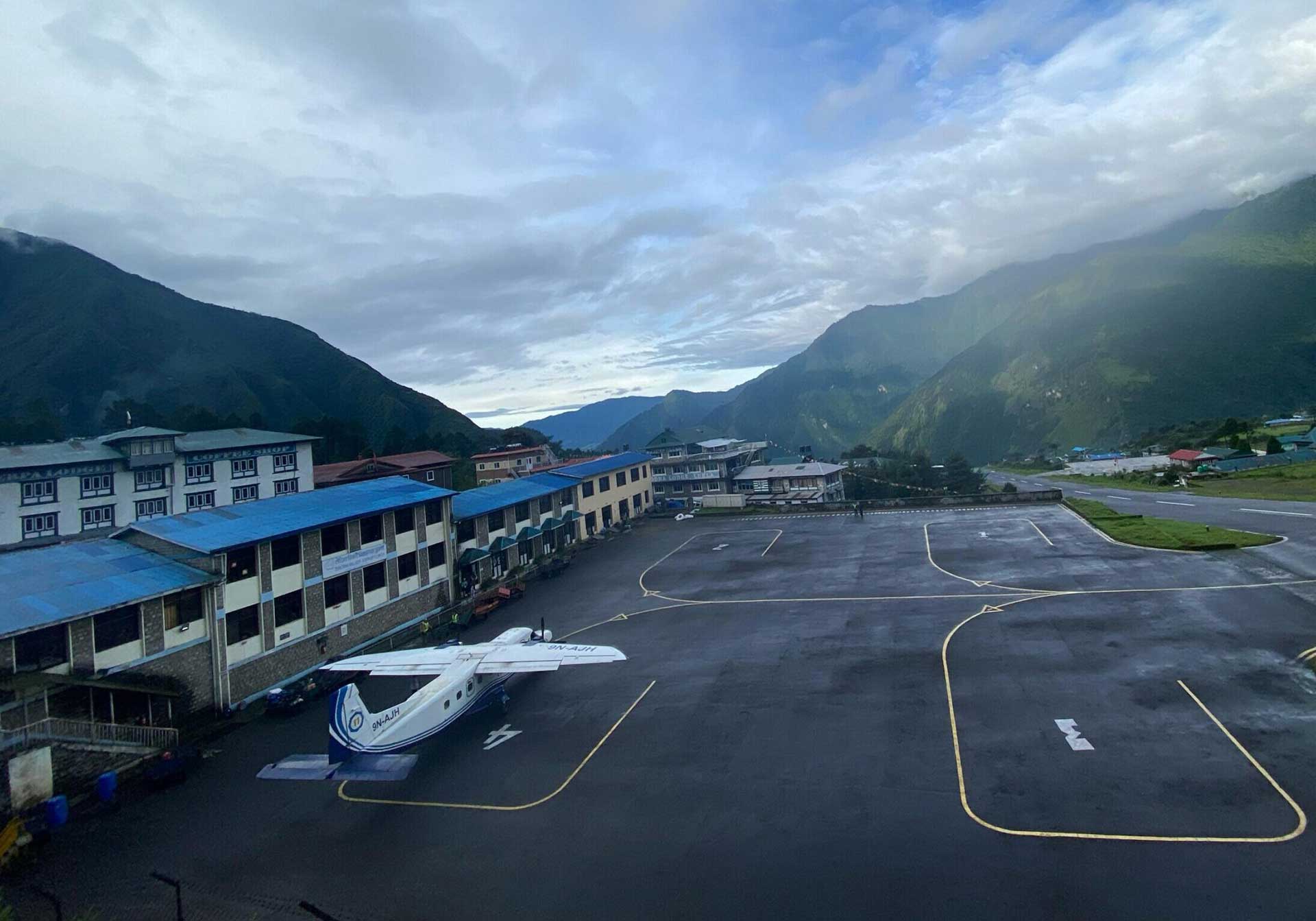
Your trek price includes all ground handling in Kathmandu via private, climate-controlled vehicles, alongside round-trip domestic flights to Lukla.
Note on 2026 Flight Logistics: During peak trekking seasons (Spring and Autumn), Civil Aviation authorities frequently divert Lukla flights to Ramechhap Airport (a 4-hour drive from Kathmandu) to avoid air traffic control congestion. If this mandate is active during your trek, Trek Curator handles all your private ground transfers to Ramechhap seamlessly.
Accommodation
In Kathmandu, you will stay in a premium boutique hotel close to local amenities. On the trail, we bypass standard, sub-par lodging in favor of handpicked, clean, and highly hospitable teahouses featuring comfortable twin-sharing rooms and cozy, wood-stove-heated communal dining halls.
Food, Water & Meals
A high-calorie, nutritious diet is essential. You will have full access to comprehensive teahouse menus featuring traditional Dal Bhat (lentil soup, rice, and curried vegetables, the ultimate fuel for trekking), pastas, potatoes, soups, eggs, and porridge. We provide safe, purified drinking water throughout the entire journey.
Facilities on the Trail
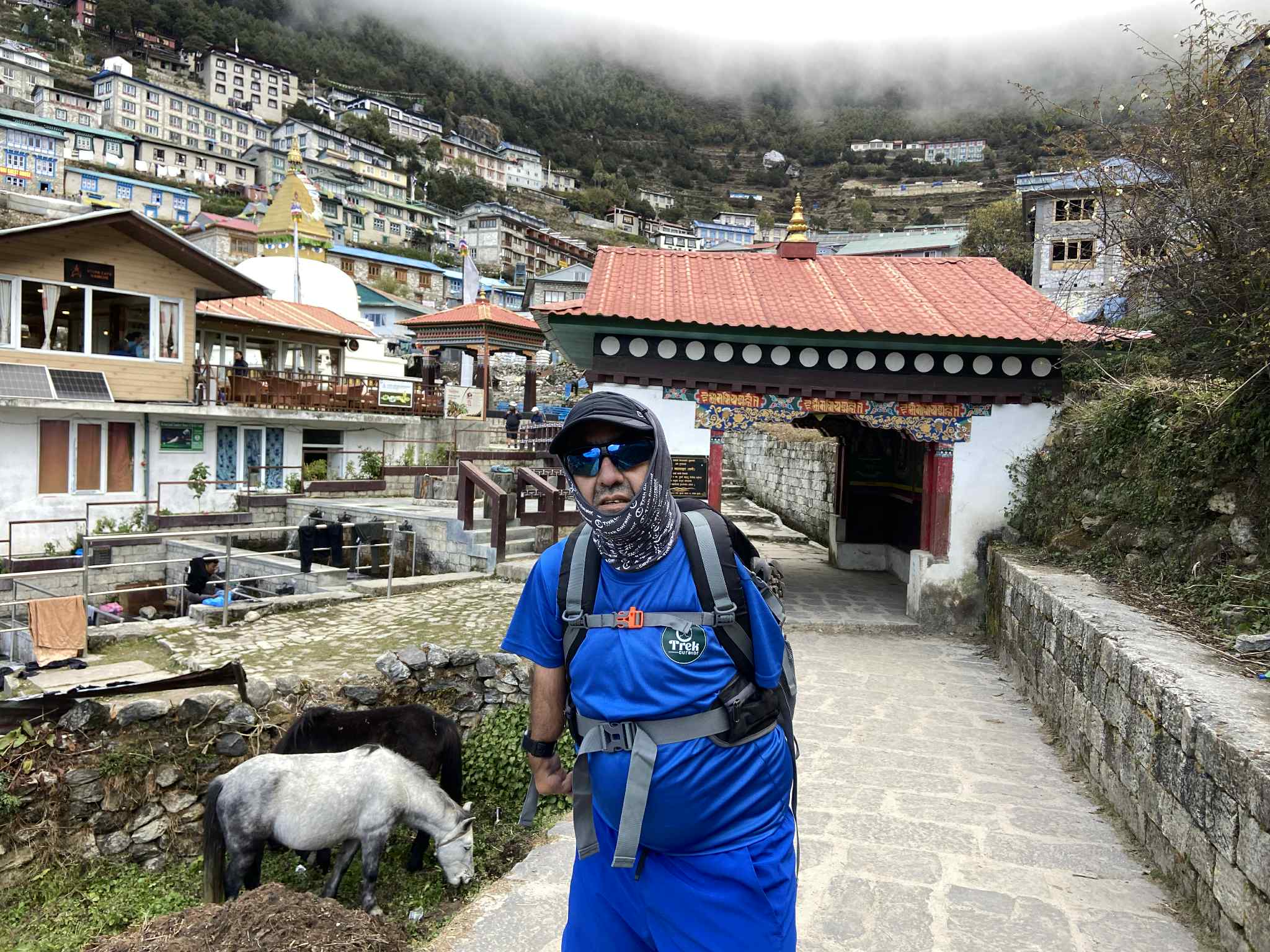
While remote, the trail to Tengboche is well-developed. You will find cozy bakeries, western-style coffee shops in Namche, hot showers (available for a small nominal fee), and small shops stocked with basic trekking essentials and snacks.
Communication, Internet & Electricity
Charging stations for cameras and phones are available at all teahouses for a small fee. Wi-Fi networks (via local providers like Everest Link or local Ncell/Nepal Telecom cellular data) work surprisingly well up to Namche Bazaar, though speeds fluctuate depending on weather conditions.
Guide & Porter Team
You will be accompanied by a licensed, English-speaking local mountain guide who knows every peak, monastery, and medical safety protocol. Strong, dedicated local porters carry your main luggage duffel bags (weight limit: 12.5 kg per trekker), leaving you with just a light daypack to carry your daily essentials.
Independent vs. Guided Trek
While independent trekking is technically possible in parts of Nepal, navigating changing aviation rules, sudden flight cancellations, emergency medical situations, and peak-season teahouse bookings makes a professionally guided trek significantly safer and more dependable.
Solo Travelers for Everest View Trek
Solo travelers are incredibly welcome! We regularly organize open group departures where you can join like-minded international adventurers, ensuring you get group-tier pricing while benefiting from top-tier logistical support. Also, you can hire your own guide and go on a trek.
Altitude Sickness
Acute Mountain Sickness (AMS) can affect anyone, regardless of fitness level. Our guides monitor everyone's oxygen saturation levels daily using pulse oximeters. We carry comprehensive medical first-aid kits and prophylactic medications like Acetazolamide (Diamox).
Trek Safe: Read our medical overview on Altitude Sickness in Nepal to learn how to identify symptoms, when to rest, and how our teams utilize the "climb high, sleep low" methodology.
Travel Insurance
It is a mandatory condition of booking that you secure a comprehensive travel insurance policy. Ensure your specific policy explicitly covers high-altitude trekking up to 4,000 meters and includes emergency medical helicopter evacuation.
Insurance Verification: Review our updated checklist for Travel Insurance for Himalayan Trekking to ensure your policy provider covers unexpected high-altitude medical extraction.
Emergency, Evacuation & Safety Information
In the event of a medical emergency, our guides work instantly with our 24/7 Kathmandu operations command hub to coordinate immediate helicopter extraction to international-standard hospitals in Kathmandu.
Trek Cost
We believe in absolute financial transparency. There are no hidden surcharges or surprise fees on our watch. Our tiered package pricing is based entirely on your group size:
Daily Expenses
Your core expenses (accommodation, three daily meals, transport, and permits) are fully covered in the package price. We recommend budgeting roughly USD 15 to USD 25 per day for out-of-pocket personal items on the trail.
Personal Expenses
Personal expenses include hot showers at teahouses, device charging fees, Wi-Fi access codes, specialty coffees, bakery treats, alcoholic beverages, and souvenirs.
Cash to Carry
Teahouses do not accept credit cards, and mountain ATMs can be unreliable. We recommend withdrawing local Nepalese Rupees (NPR) in Kathmandu before heading out into the mountains.
ATMs
While there are functioning ATMs inside Namche Bazaar, power outages or network failures frequently take them offline. Do not rely on them as your primary source of funds.
Money Exchange
Dozens of authorized foreign exchange booths operate throughout Thamel, Kathmandu, offering competitive, regulated rates for USD, EUR, GBP, and AUD.
Tipping
Tipping is a deeply appreciated tradition in the Himalayas that directly supports the local guiding community. As a general benchmark, plan for USD 10 to USD 15 per day combined for your guide and porter team.
Booking Policy
Secure your 2026 departure dates with a scalable 20% deposit. The remaining balance can be settled securely via bank transfer or paid in cash/credit card upon your arrival in Kathmandu.
Arrival in Kathmandu
Upon exiting the arrivals terminal at Tribhuvan International Airport (KTM), look for a Trek Curator representative holding a personalized name board ready to transport you directly to your hotel.
Departure Information
On your final day, our private vehicle picks you up from your hotel three hours before your international flight time to ensure a stress-free check-in process.
Trek Extensions
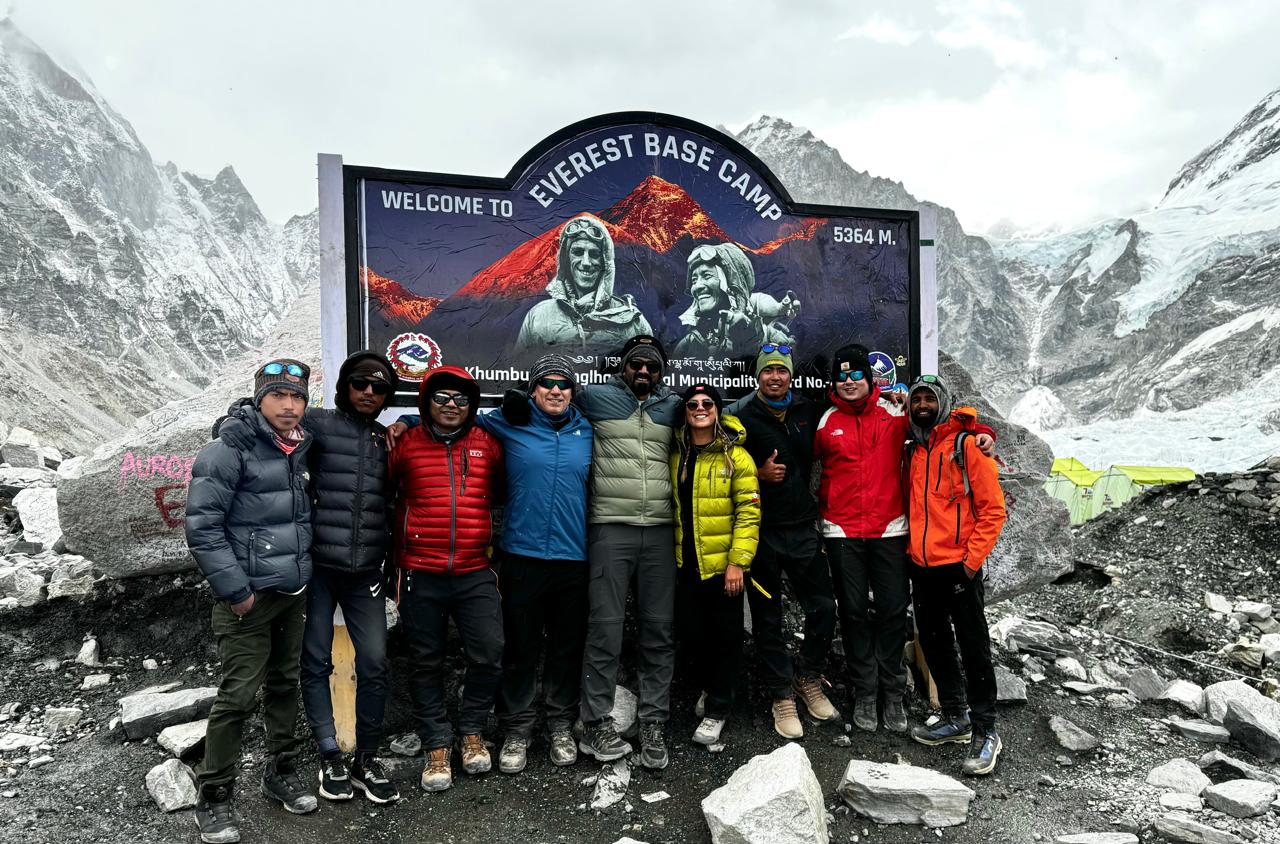
Looking to extend your trip? We offer seamless extensions to the full Everest Base Camp trail, Gokyo Lakes, or relaxing wildlife safaris down in Chitwan National Park.
Add-ons & Upgrades
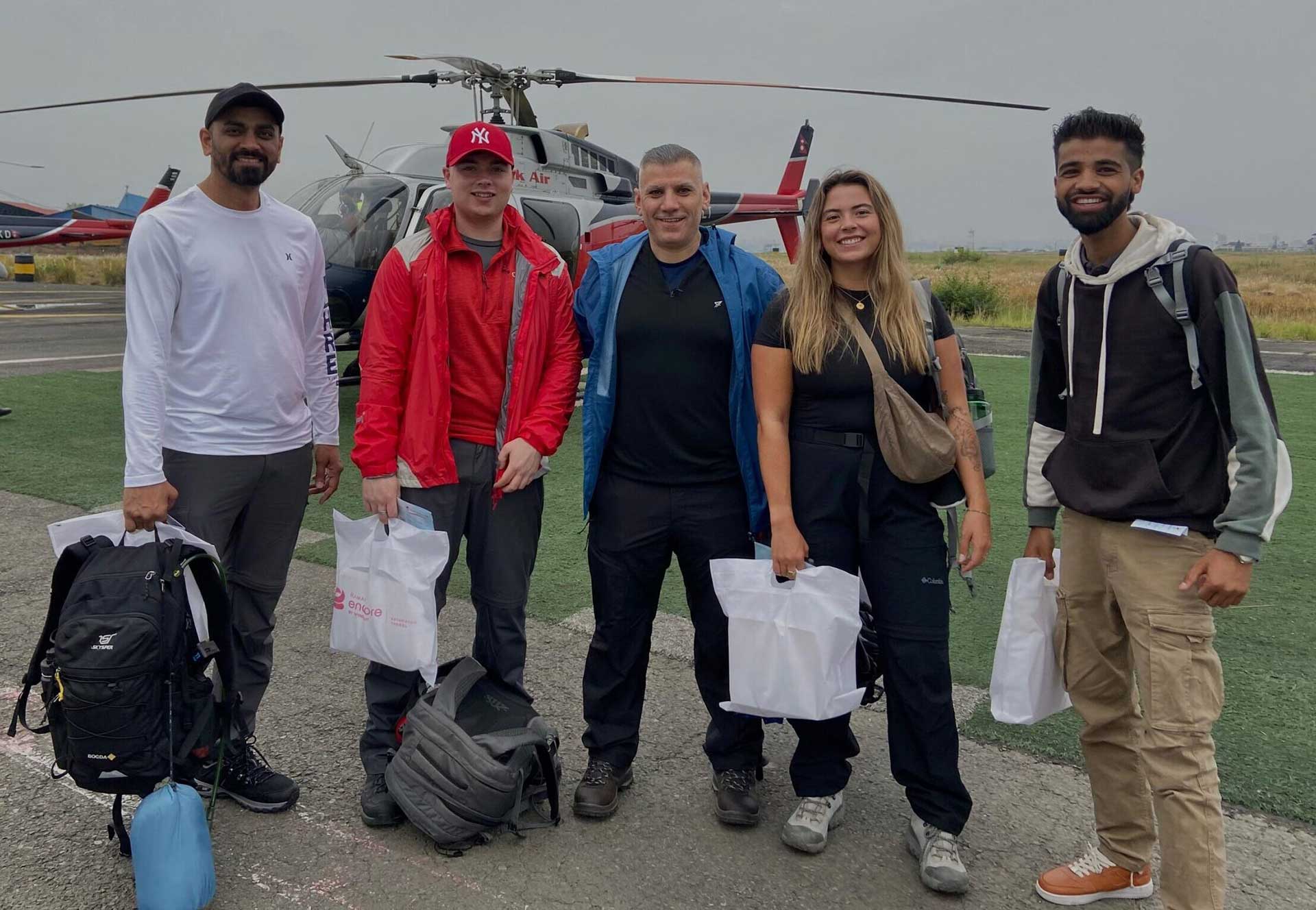
Upgrade options include single-room supplements in Kathmandu hotels, helicopter return flights from Namche Bazaar back to Kathmandu, and premium luxury lodge accommodations along the trail where available.
Airport Transfers
All airport pick-ups and drop-offs are fully included in the base cost of your package, regardless of what time your flights land or depart.
Responsible Trekking
Leave No Trace
We practice a strict Leave No Trace policy. We minimize single-use plastics, encourage travelers to bring reusable bottles with water purification systems, and responsibly pack out all waste generated by our trekking groups.
Environmental Practices
Trek Curator partners directly with local environmental clean-up initiatives across the Khumbu region, ensuring our operations actively support and protect the delicate Himalayan ecosystem for future generations.
A Typical Trekking Day
Wake up early to catch the clear morning mountain light, enjoy a hearty breakfast by 7:00 AM, and hit the trail while conditions are ideal. We stop for a relaxed lunch midday, arriving at our afternoon teahouse with plenty of time to rest, socialize, and enjoy a warm dinner.
Trail Conditions
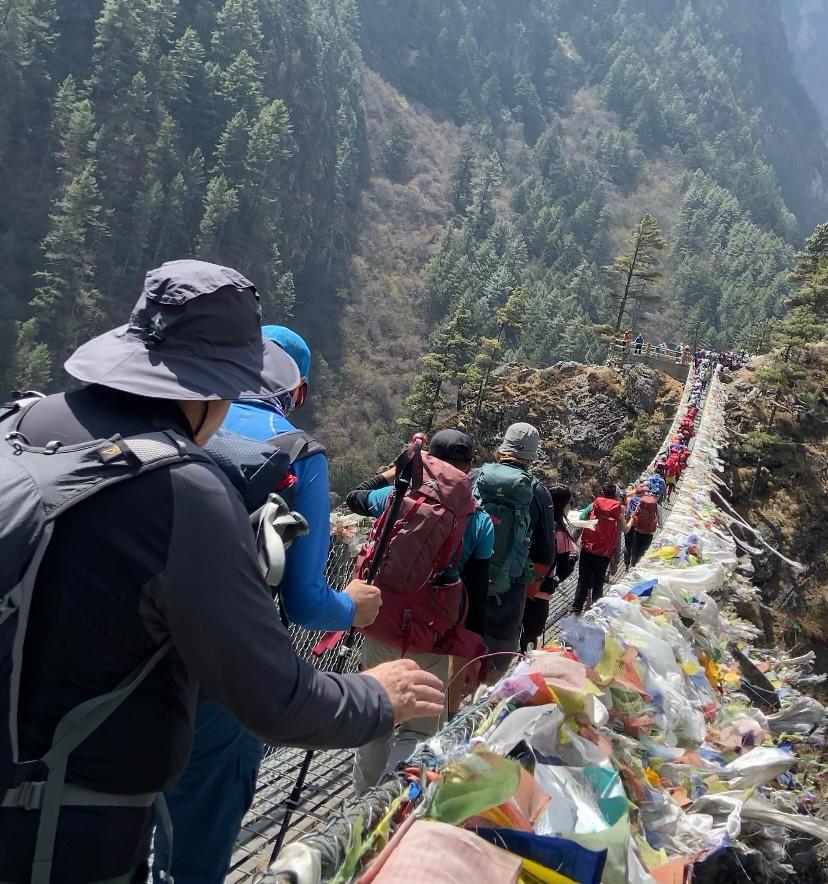
Expect a diverse mix of well-trodden dirt trails, stone steps, suspension bridges, and occasional rocky, uneven terrain. Sturdy, broken-in trekking boots are essential.
Water Safety
To cut down on plastic pollution, please avoid buying single-use bottled water on the trail. We provide boiled, filtered, or chemically treated safe drinking water at every single stop.
Toilets on the Trail
Teahouses offer a mix of western-style flush toilets and traditional Asian squat toilets. Always carry your own biodegradable toilet paper and hand sanitizer in your daypack.
Charging & Electricity
Hydro-powered or solar electricity runs throughout the valley, but charging ports are typically concentrated in common dining rooms. Bringing a 20,000mAh power bank is highly recommended to save on daily charging fees.
Weather Challenges
High mountain weather can shift quickly. Afternoon clouds and wind are common, and flights to Lukla can sometimes be delayed by fog. Our team builds flexible backup windows into our schedules to handle these situations smoothly without disrupting your international connections.
Nepal Visa Information
You can easily secure your On-Arrival Visa at the Kathmandu airport. A 15-day visa costs USD 30, and a 30-day visa costs USD 50. Please bring exact cash in USD and have digital copies of your passport photos ready.
Read our comprehensive Nepal Travel Information handbook before your flight.
Pre-Trek Checklist
- Ensure your passport has at least 6 months of validity remaining.
- Send your flight details and travel insurance policy details to our team.
- Inform your bank of upcoming transactions in Nepal.
- Confirm you have physical passport photos for local permits.
Tips & Insights
Photography Tips
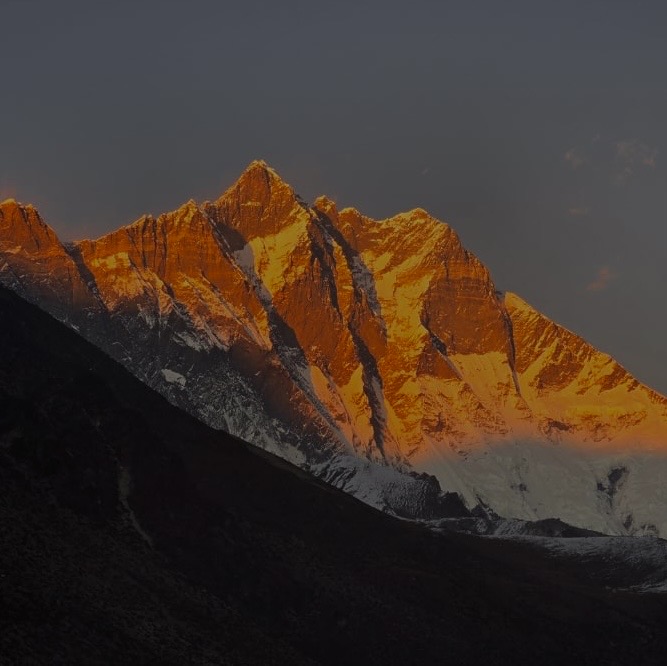
The best lighting for clear mountain shots is right at sunrise and sunset. Keep your camera and phone batteries close to your body or inside your sleeping bag at night; cold temperatures drain battery life rapidly.
Ready to Trek?