Culture, Landscape, Flora & Fauna
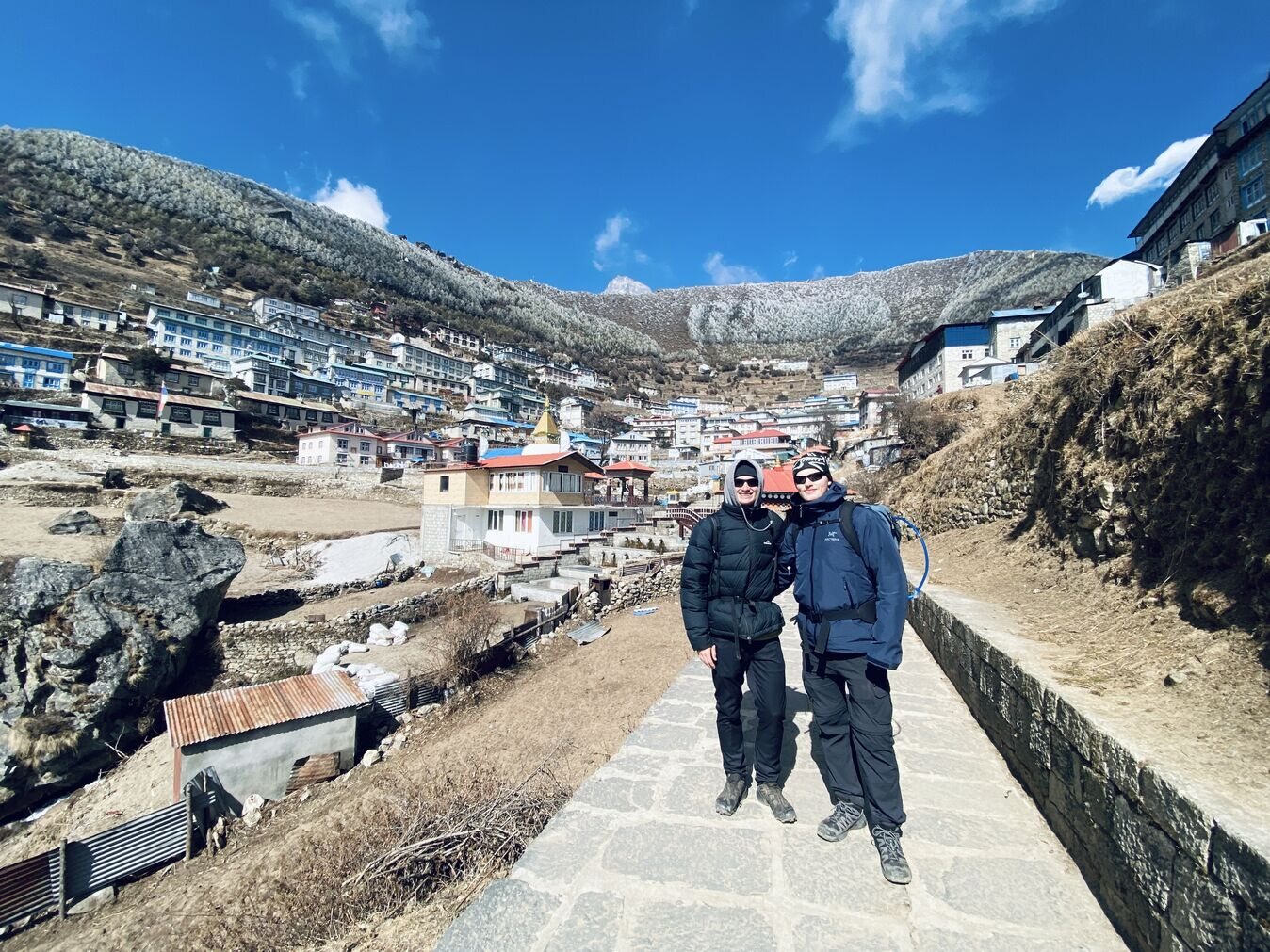
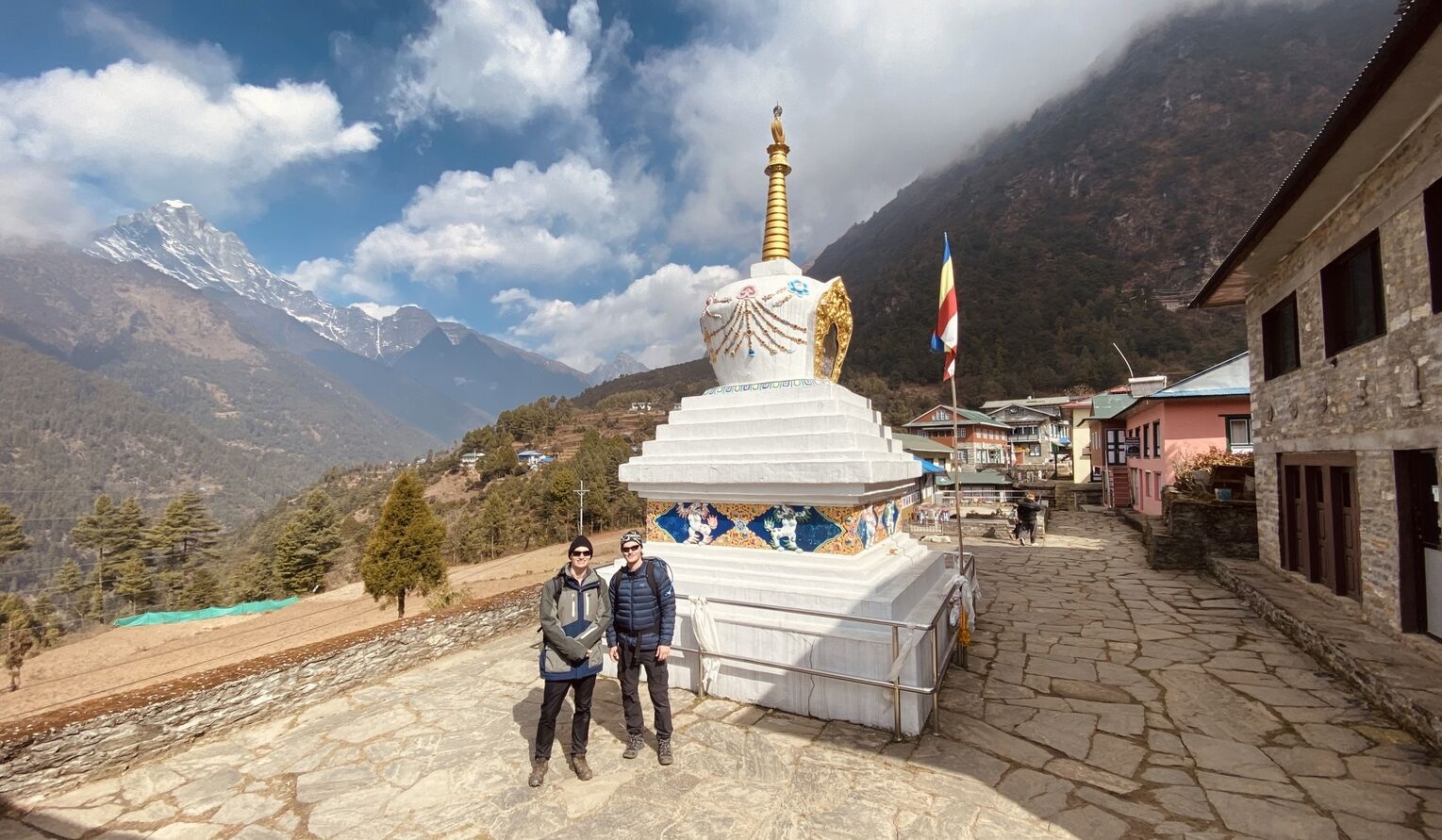
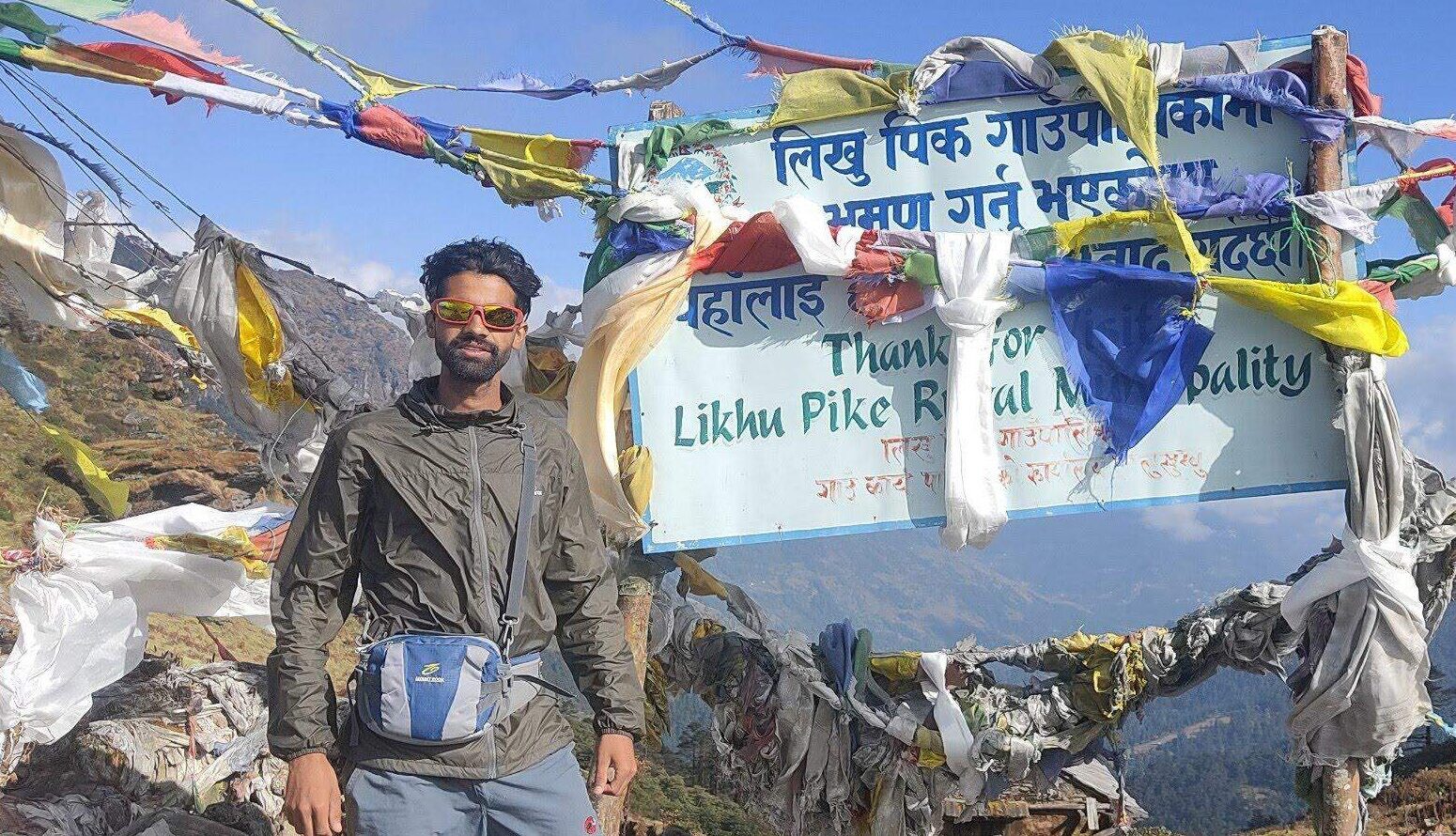
The Sagarmatha National Park region is the ancestral home of the Sherpa people, whose heritage is deeply linked to Tibetan Buddhism. Along the trail, trekkers pass carved mani walls, prayer flags, and historic stupas.
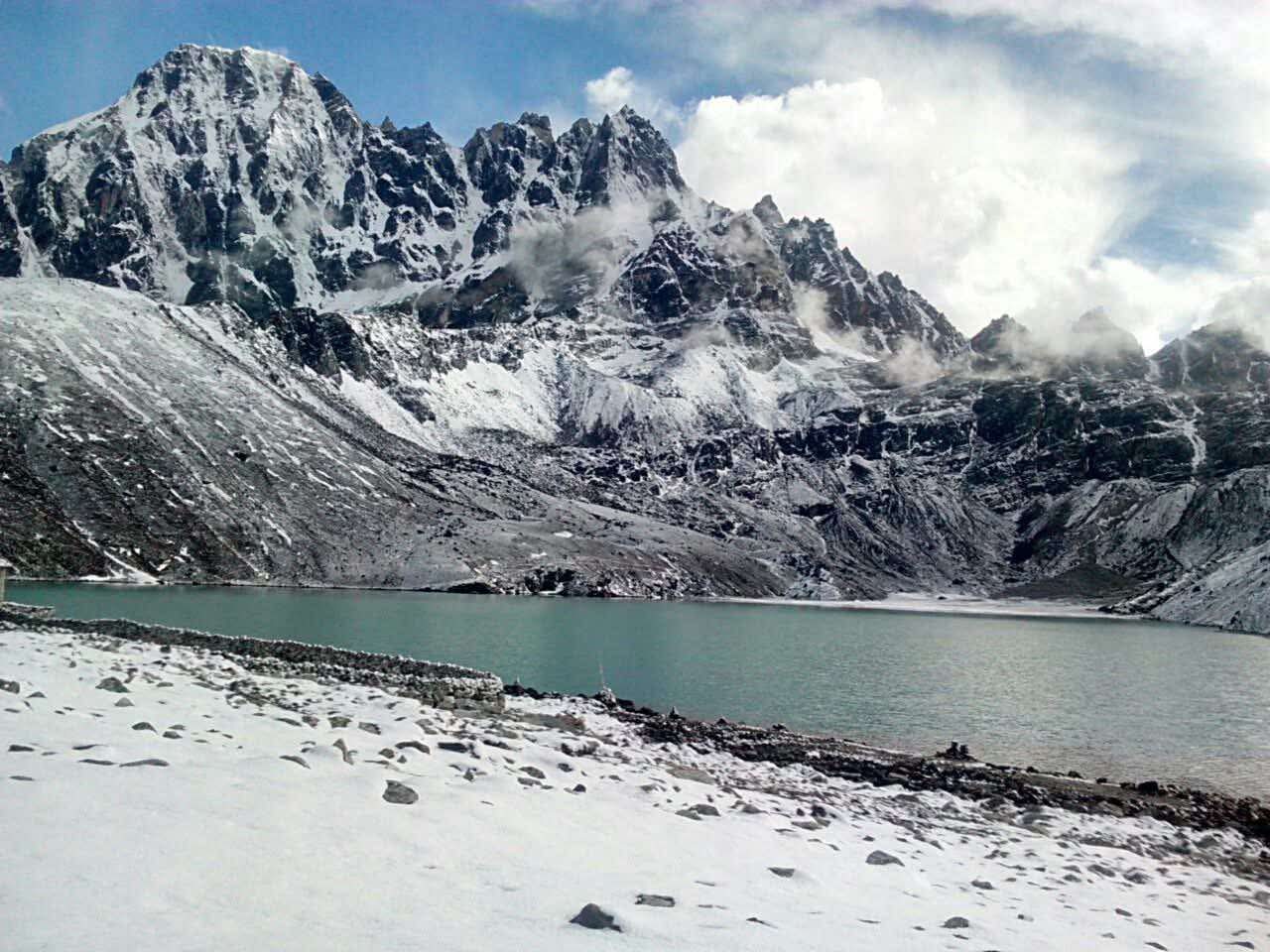
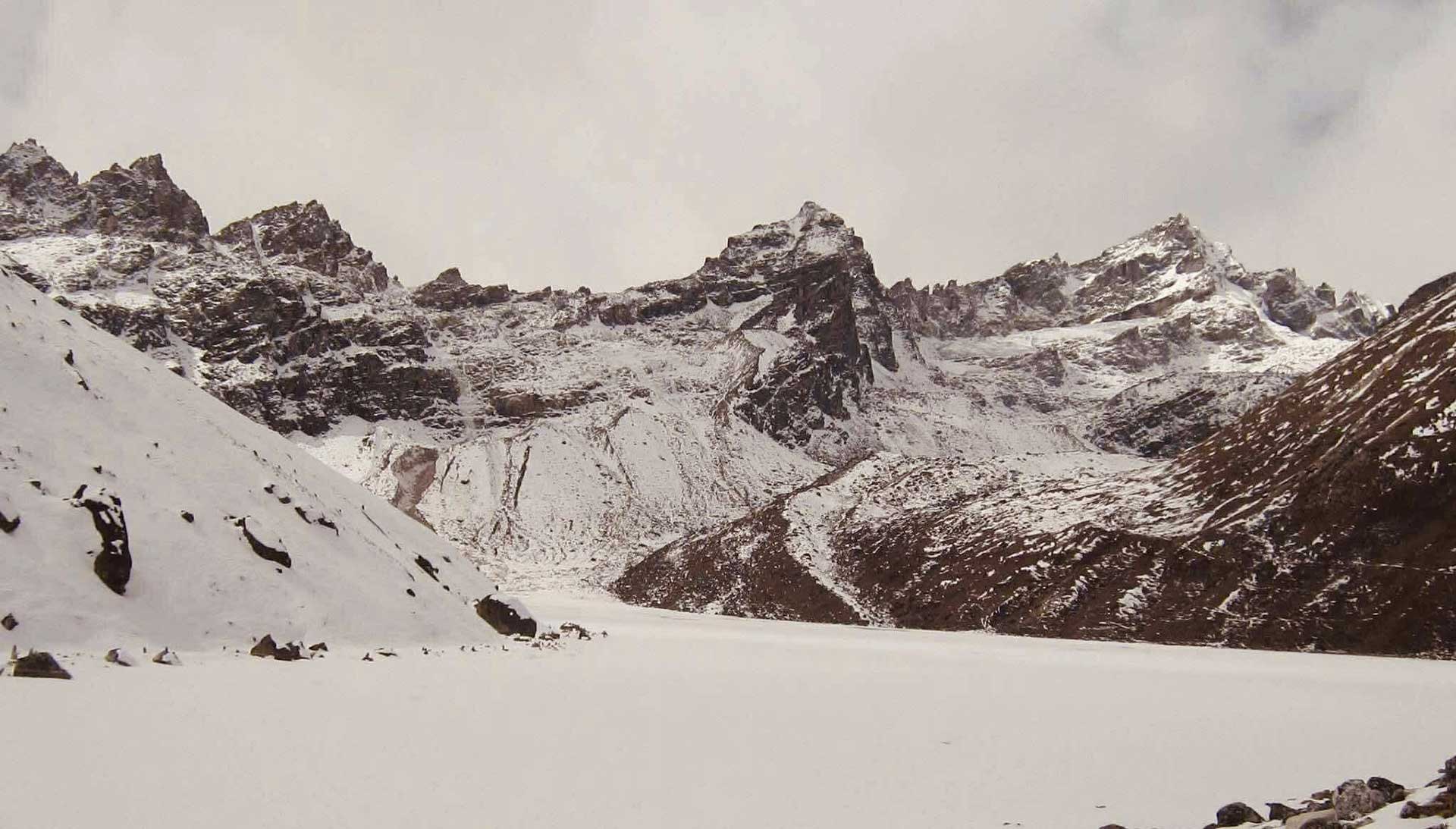
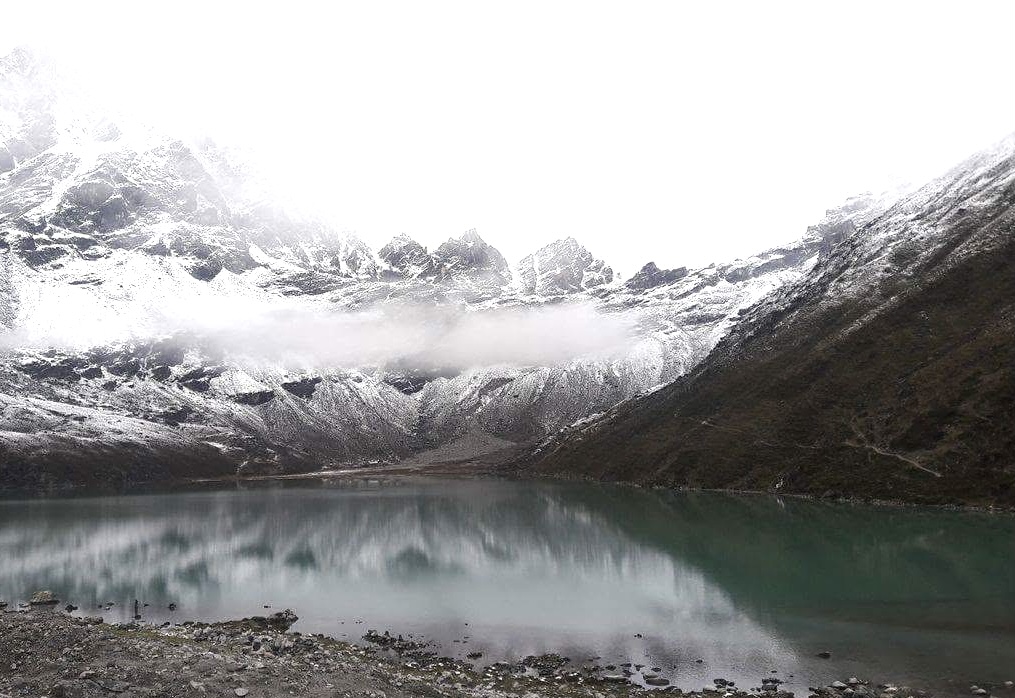
The ecosystem shifts from pine, bamboo, and rhododendron forests at lower elevations to alpine scrub, rocky moraines, and glacial lakes above 4,000 meters. Wildlife within the national park includes Himalayan tahr, musk deer, blood pheasant, and Nepal's national bird, the Danphe (Impeyan Monal). Snow leopards inhabit the high zones but remain elusive.
Gokyo Valley Trek Difficulty Level
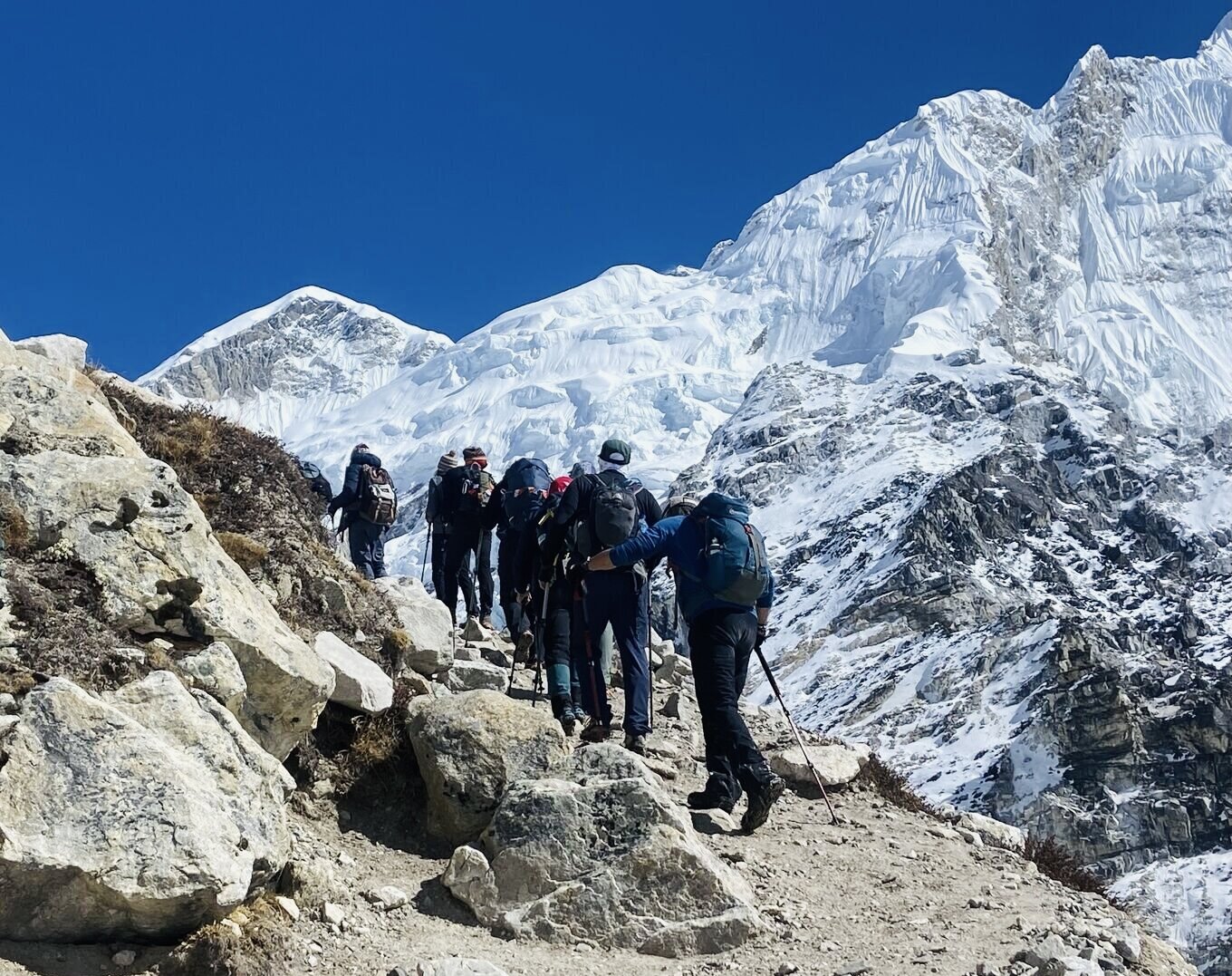
The Gokyo Valley Trek is rated Moderate to Strenuous. It does not require technical mountaineering skills or climbing gear. However, it involves consecutive days of walking 5 to 7 hours over uneven stone steps, loose scree, and sustained gradients above 4,000 meters.
Required Fitness & Preparation
Strong cardiovascular endurance and leg stamina are necessary. Trekkers should begin a targeted training program 8 to 12 weeks before arrival:
- Cardio Training: Running, cycling, or swimming 3–4 times per week.
Incline Walking: Stair-climbing or hill hiking carrying a 5–8 kg
- weighted daypack.
Strength Work: Squats, lunges, step-ups, and core exercises.
Altitude Profile


Best Season, Weather & Temperature
| Season |
Months |
Daytime Temp (Gokyo) |
Nighttime Temp (Gokyo) |
Trail Conditions |
| Spring |
March – May |
5°C to 12°C |
-5°C to -10°C |
Clear skies, stable weather, blooming rhododendrons |
| Autumn |
Sept – Nov |
8°C to 15°C |
-6°C to -12°C |
High visibility, dry trails, crisp mountain views |
| Winter |
Dec – Feb |
-2°C to 5°C |
-15°C to -22°C |
Heavy snow risk, freezing nights, quiet trails |
| Monsoon |
June – August |
10°C to 18°C |
0°C to 5°C |
Rain, muddy paths, cloud cover, active leeches
|
Check the official weather status on the Department of Hydrology and Meteorology Nepal.
Read More: See our season breakdown: Best Time of Year to Visit Nepal
Acclimatization
Acclimatization days are built directly into the 13-day schedule to minimize the risk of altitude illness:
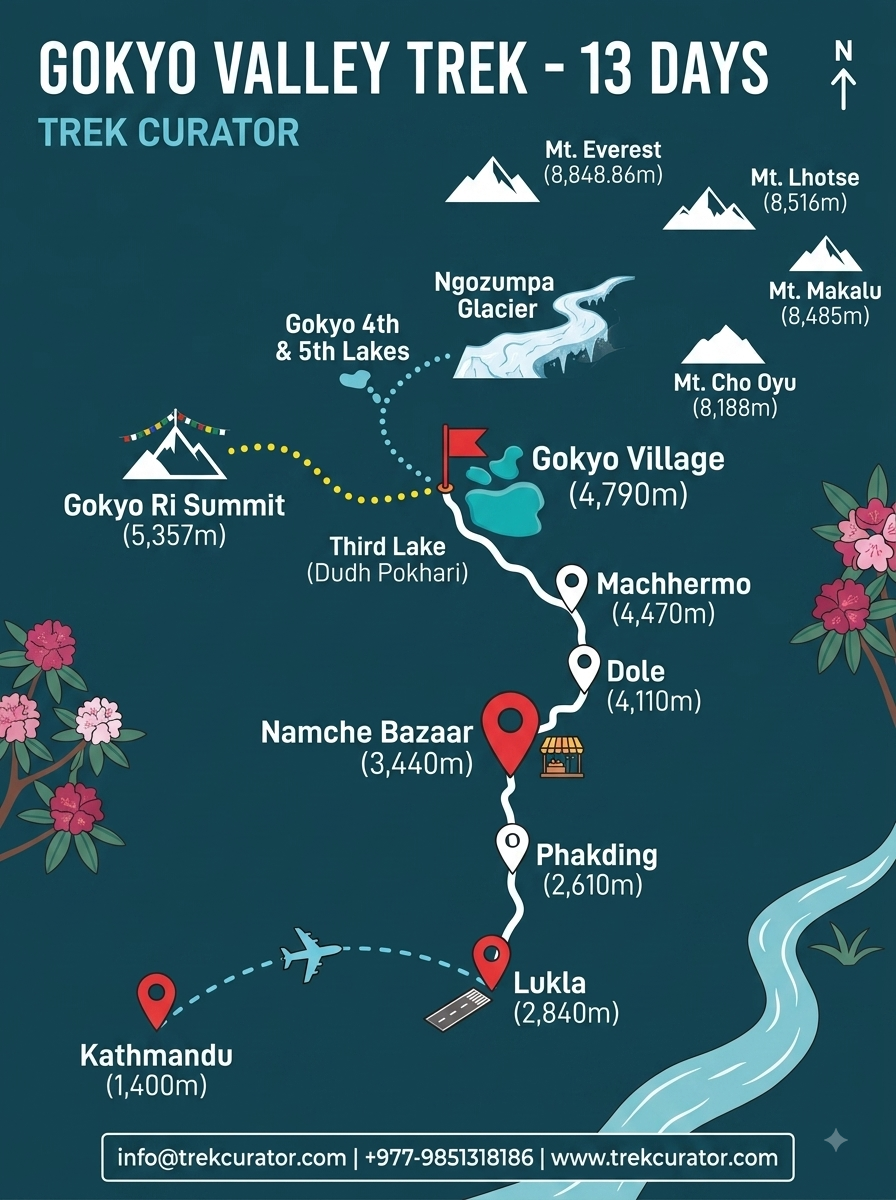
- Day 4 in Namche Bazaar (3,440m): Active climb to Everest View Hotel (3,880m).
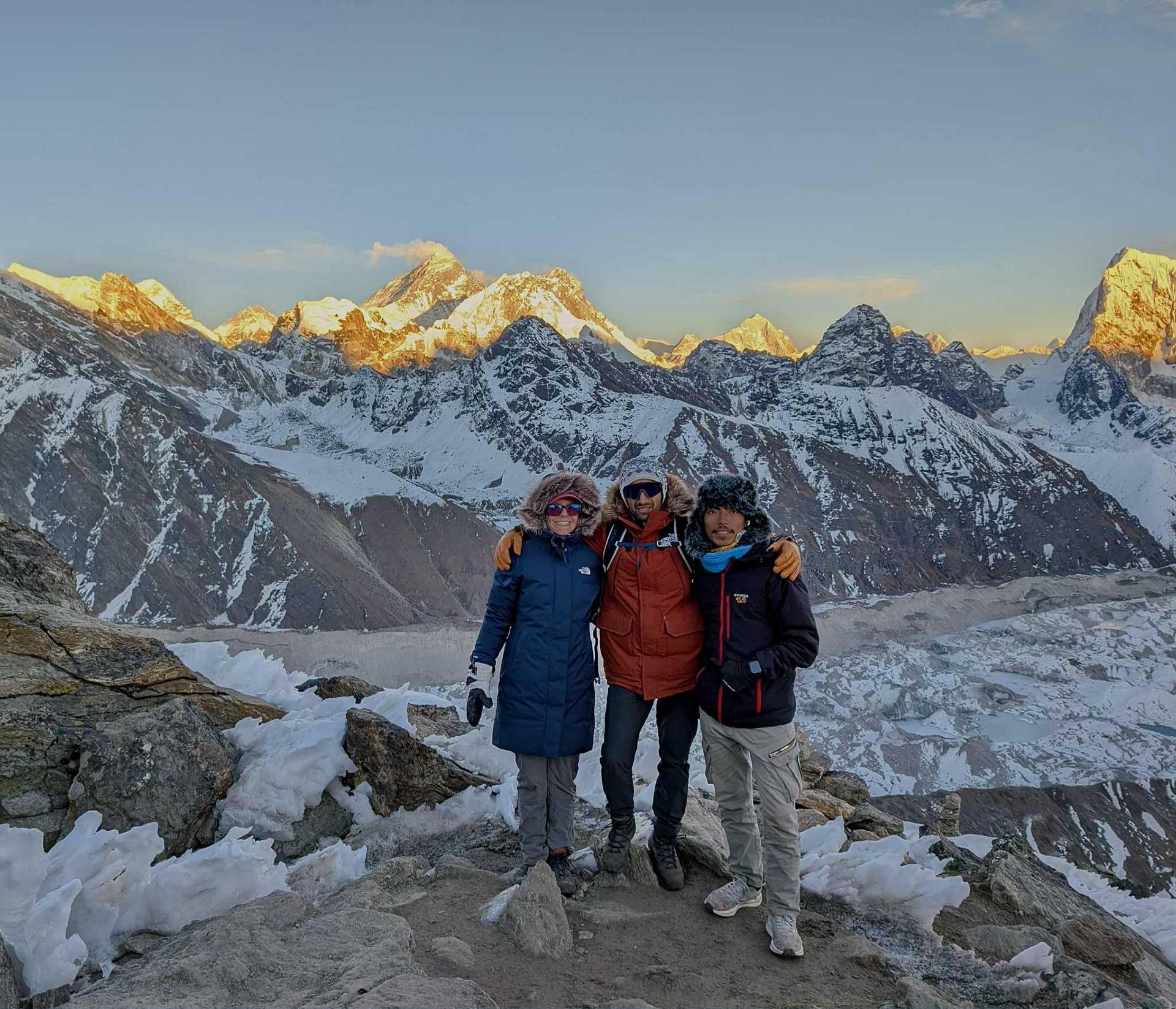
- Day 8 in Gokyo (4,790m): Acclimatization before attempting the steep ascent of Gokyo Ri (5,357m).
Guide’s Tip: "Pacing is key once you pass Namche. The air loses nearly half its sea-level oxygen by the time you reach Gokyo. Walk at a pace where you can comfortably hold a conversation, drink 3 to 4 liters of water daily, and never rush the early morning climb up Gokyo Ri."
Alternative / Escape Routes
- Standard Descent: Return via the same trail through Machhermo, Dole, and Namche Bazaar.
- Cho La Pass Route: Connects Gokyo Third Lake to Everest Base Camp via Dzongla for extended itineraries. See our Gokyo Lakes with Cho La Pass & EBC Trek (17 Days).
- Renjo La Pass Route: Link with our Gokyo via Renjo La Pass Trek (15 Days).
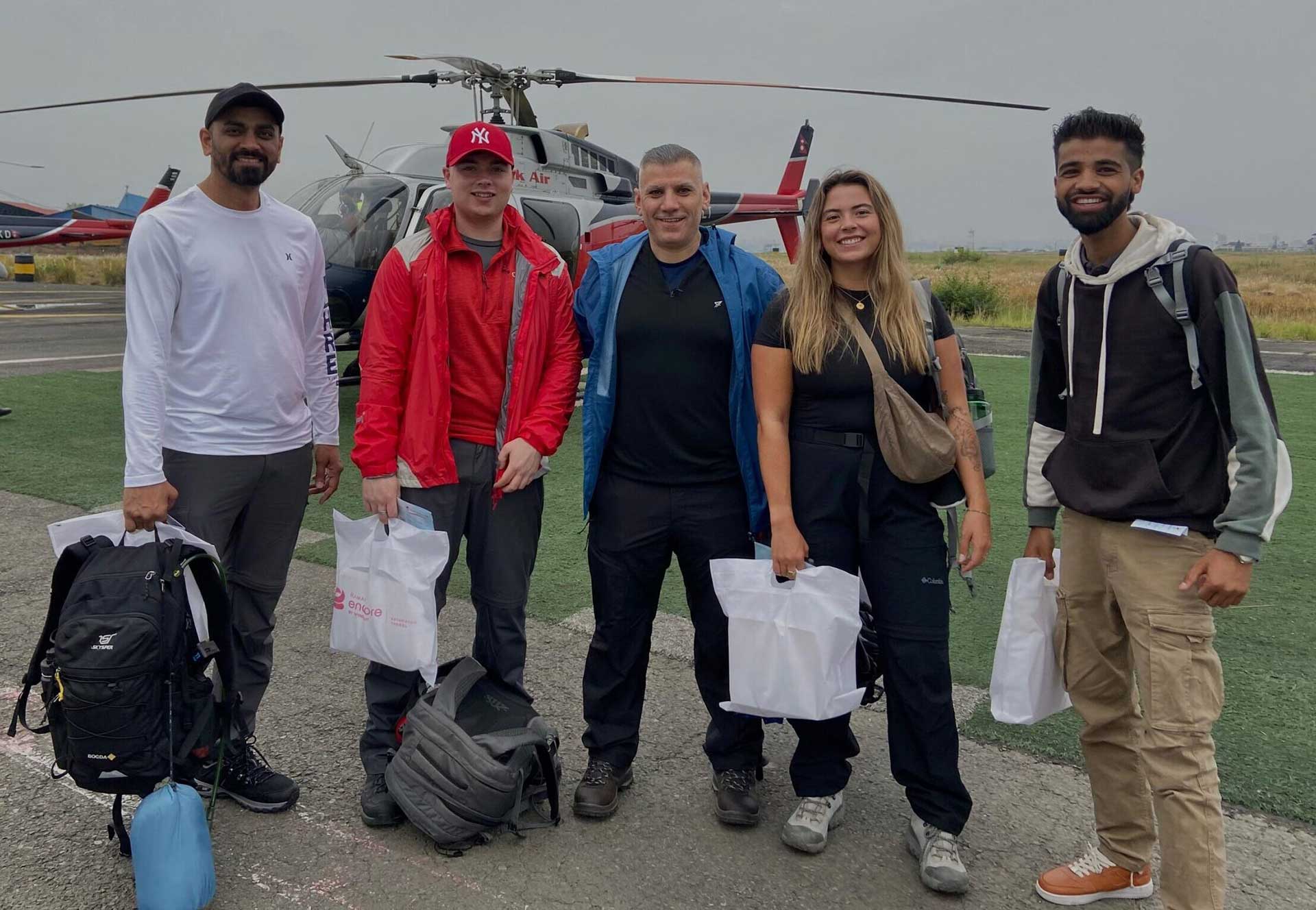
- Helicopter Evacuation: Designated landing zones exist at Gokyo, Machhermo, Dole, and Namche Bazaar for emergency medical evacuations. Consider upgrading with our Everest Base Camp Helicopter Return Trek.
Gokyo Valley Trek Permits
Two mandatory permits are required for this route (both included in our full service package):
- Sagarmatha National Park Entry Permit: NPR 3,000 per person.
- Khumbu Pasang Lhamu Rural Municipality Tourism Fee: NPR 3,000 per person.
(Note: TIMS cards are not required for the Everest/Khumbu region).
Permit Details: Read our full breakdown on Nepal Trekking Permits & Regulations.
Transportation
International Airport Pick-Up & Drop-Off (Kathmandu)
- Welcome Service: Private airport transfer upon arrival at Tribhuvan International Airport (KTM) directly to your hotel.
- Departure Service: Private transfer from your hotel back to KTM Airport at the end of your trip.
Lukla Mountain Flights (Round-Trip Included)
- Off-Peak Months (Winter & Summer): Direct 35-minute scenic flight between Kathmandu and Lukla.
Peak Trekking Seasons (Spring: Mar–May | Autumn: Sep–Nov): Per Civil Aviation Authority of Nepal (CAAN) rules to avoid air traffic jams in Kathmandu, Lukla flights operate out of Ramechhap (Manthali Airport).
- Our Service: We provide private, comfortable vehicle transfers (approx. 4–5 hours) between Kathmandu and Ramechhap at no extra charge.
Optional Flight Upgrades (Available on Request)
- Kathmandu to Lukla Shared Helicopter: Skip the Ramechhap overland drive entirely with a direct helicopter flight from Kathmandu to Lukla (additional upgrade fee applies).
- Return Helicopter Transfer: Fly direct from Gokyo or Lukla back to Kathmandu by helicopter to save time or avoid flight delay risks.
Accommodation
- Kathmandu: 3-star hotel accommodation with daily breakfast included.
- On the Trail: Locally operated teahouses. Rooms are twin-share with foam mattresses, pillows, and heavy blankets. En-suite bathrooms are common in lower villages (Phakding, Namche); higher lodges use shared bathroom facilities.
Food, Water & Meals
Meals: Three full meals per day (Breakfast, Lunch, Dinner) during the trek. Menus feature Dal Bhat (lentils and rice), Sherpa stews, soups, noodles, pasta, and eggs.
Drinking Water: Boiled or filtered water is sold at teahouses. Trekkers must bring reusable water bottles and use water purification tablets or UV purifiers.
Facilities on the Trail
Lower stops up to Namche Bazaar feature gear shops, bakeries, and cafes. Past Machhermo and into Gokyo, facilities become basic, with communal dining rooms heated by central yak-dung stoves in the evening.
Communication, Internet & Electricity
- Mobile Coverage: Ncell and Nepal Telecom (Namaste) offer decent 3G/4G connectivity up to Namche Bazaar. Signal above Dole is spotty.
- WiFi: Prepaid Everest Link WiFi cards can be purchased at teahouses along the route.
- Electricity: Solar and generator charging stations are available in teahouses for a fee ($2 to $5 USD per device).
Guide & Porter
- Guides: Licensed, English-speaking Sherpa guides certified in high-altitude safety and wilderness first aid.
- Porters: Local porters carry up to 15 kg of gear.
Independent vs Guided Trek
Independent trekking without a registered guide is legally restricted across protected zones in Nepal. While the local Khumbu municipality permits independent trekkers to purchase regional permits, a guided trek with an accredited agency guarantees safety management during high-altitude emergencies, secures flight seats during peak seasons, and guarantees teahouse bookings in crowded high-altitude settlements.
Gokyo Valley Trek Solo Trekking
Solo travelers are accepted. Private solo itineraries with a dedicated guide can be organized, or solo trekkers can join fixed-group departures to split logistical costs.
Altitude Sickness
Acute Mountain Sickness (AMS) can affect anyone above 2,500 meters, regardless of fitness level.
- Symptoms: Persistent headache, nausea, loss of appetite, dizziness, fatigue, and insomnia.
- Prevention: Slow ascent rate, consistent hydration, avoiding alcohol/tobacco, and doctor-approved preventive medication (Acetazolamide/Diamox).
- Action Protocol: Inform your guide immediately if symptoms appear. If conditions worsen, immediate descent to a lower altitude is mandatory.
Safety Blog: Review our complete guide to Preventing & Treating AMS in High Altitude Trekking.
Travel Insurance
Comprehensive travel insurance is mandatory before starting the trek. Your policy must explicitly cover:
- High-altitude trekking up to 5,500 meters (18,000 feet).
- Emergency helicopter search, rescue, and evacuation.
- Flight cancellations, medical treatment, and trip interruptions.
Check our blog Nepal Trekking Insurance for more detailed information.
Emergency, Evacuation & Safety Information
Guides carry pulse oximeters to check blood oxygen saturation daily, alongside first-aid kits and communication gear. In severe medical emergencies, helicopter rescue operations are dispatched in coordination with your insurance provider.
Gokyo Valley Trek Trek Cost
- Standard Package Price: $1,150 – $1,399 USD per person (varying by group size and booking season).
- Inclusions: Kathmandu-Lukla flights, all required permits, certified guide, porters, teahouse lodging, and three daily meals on the trek.
Daily Expenses
Plan for $15 to $25 USD per day in out-of-pocket cash to cover personal expenses like device charging, hot showers, snacks, hot drinks, and WiFi cards.
Personal Expenses
Extra costs not covered in standard packages include gear purchases/rentals, alcoholic beverages, bottled drinks, laundry, souvenirs, and crew tips.
Cash to Carry
There are no reliable ATMs past Namche Bazaar. Bring NPR 30,000 to 40,000 (~$220–$300 USD) in Nepalese Rupees from Kathmandu or Namche to cover on-trail expenses.
ATMs
ATMs are available in Kathmandu and Namche Bazaar. However, mountain ATMs frequently run out of cash or experience power outages; do not rely on them as a primary cash source.
Money Exchange
Exchange foreign currency (USD, EUR, GBP, AUD) into Nepalese Rupees (NPR) in Kathmandu to secure official exchange rates before flying to Lukla. Check daily official foreign currency exchange rates via the Nepal Rastra Bank (Central Bank).
Booking Policy
A 20% deposit is required at the time of booking to confirm flight allocations and trip logistics. The remaining balance is payable upon arrival in Kathmandu before trek departure.
Trek Options
- Gokyo Lakes with Cho La Pass (17 Days): Cross the 5,420m Cho La Pass to link Gokyo with Everest Base Camp and Kala Patthar.
- Gokyo Lakes via Renjo La Pass Trek (15 Days): Cross the Renjo La Pass (5,360m) for an alternative loop exit leading toward Thame.
- Everest Three Passes Trek (17 Days): The ultimate Khumbu circuit combining Kongma La, Cho La, and Renjo La passes.
- Annapurna Circuit Trek (12 Days): Looking for another region? Experience Thorong La Pass and classic Himalayan cultural valleys.
- Gosaikunda Trek (7 Days): Explore alpine holy lakes north of Kathmandu.
A Typical Trekking Day
- 06:30 AM: Wake up, pack your duffel bag, and eat breakfast at the teahouse.
- 07:30 AM: Start the morning walk while skies are clear.
- 12:00 PM: Stop at a trail village for a cooked lunch break.
- 01:00 PM – 03:30 PM: Continue the afternoon walk to the destination teahouse.
- 05:00 PM: Eat dinner in the heated dining hall; receive a safety and route briefing from your guide for the next day.
Trail Conditions
Trails range from well-trodden dirt paths and wooden suspension bridges to steep stone staircases, loose gravel, and uneven glacial moraines.
Water Safety
Never drink untreated stream or tap water. Use purification tablets, UV filters, or purchase boiled water at lodges.
Toilets on the Trail
Lower lodges feature western flush or squat toilets. Above Dole, facilities are primarily traditional squat toilets. Bring personal toilet paper, wet wipes, and hand sanitizer.
Charging & Electricity
Solar or generator wall outlets are available in teahouse common rooms for a small hourly or per-device fee.
Weather Challenges
Mountain weather can shift rapidly. Lukla flights are vulnerable to cloud cover and high winds. Buffer days are integrated into travel plans to handle potential delays.
Nepal Visa Information
On-arrival tourist visas are available at Tribhuvan International Airport in Kathmandu. Review eligibility and guidelines at the official Nepal Department of Immigration:
- 15 Days: $30 USD
- 30 Days: $50 USD
- 90 Days: $125 USD
Pre-Trek Checklist
[ ] Valid passport (with at least 6 months validity remaining)
[ ] Travel insurance policy documentation covering up to 5,500m elevation
[ ] Flight arrival details submitted to the operations team
[ ] Personal prescriptions and a personal first-aid kit
[ ] Passport-sized photos (2x) for administrative permits
Photography Tips
- Keep camera and phone batteries close to your body or inside your sleeping bag at night; sub-zero temperatures drain batteries rapidly.
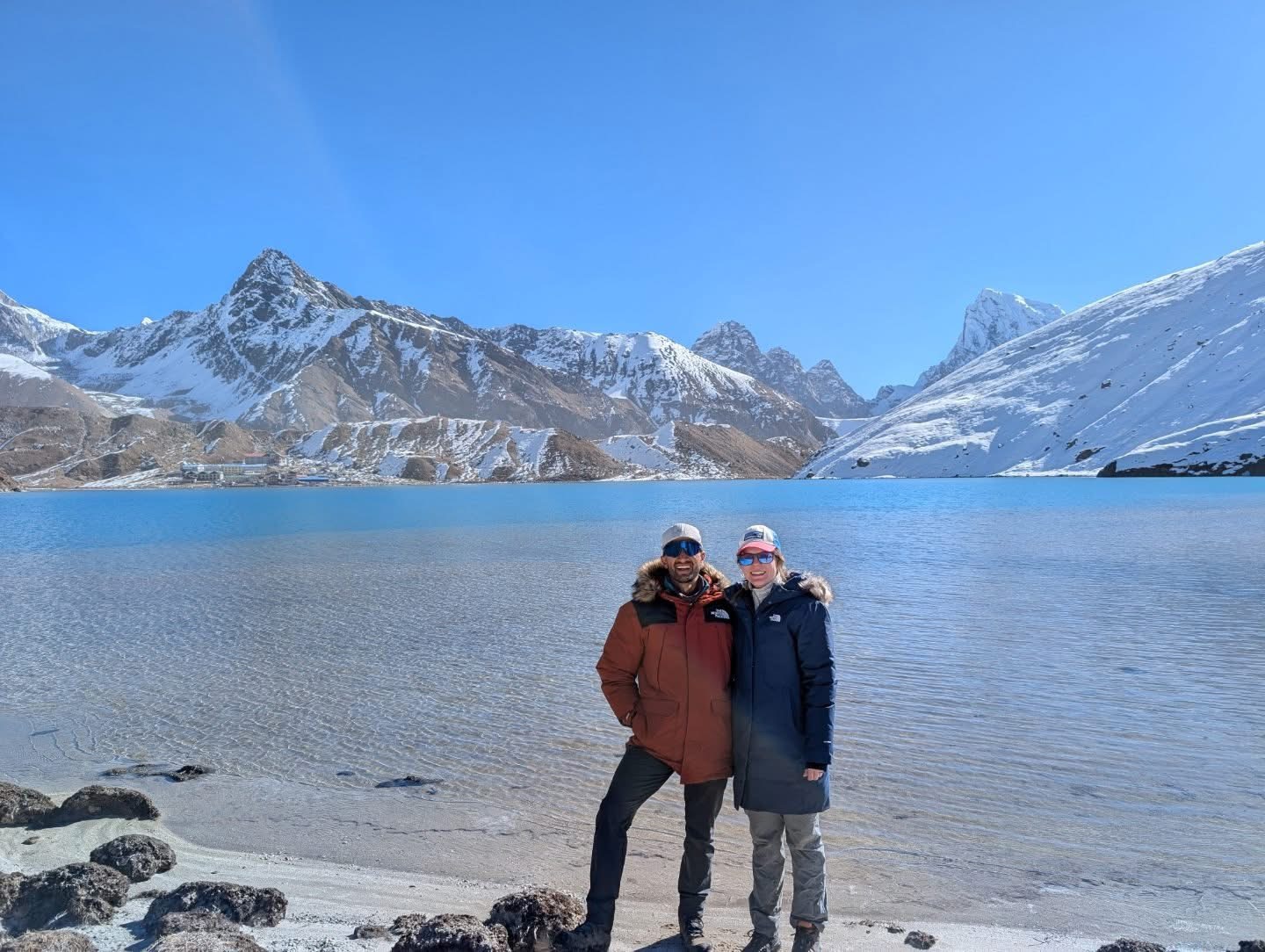
- Capture reflection shots on Gokyo Third Lake early in the morning before winds create surface ripples.
What I Wish I Knew Before the Trek
- The climb up Gokyo Ri starts before dawn (around 4:30 AM). A warm down jacket, gloves, and windproof gear are essential.
- Wet wipes, lip balm, and hand sanitizer are indispensable items past Namche.