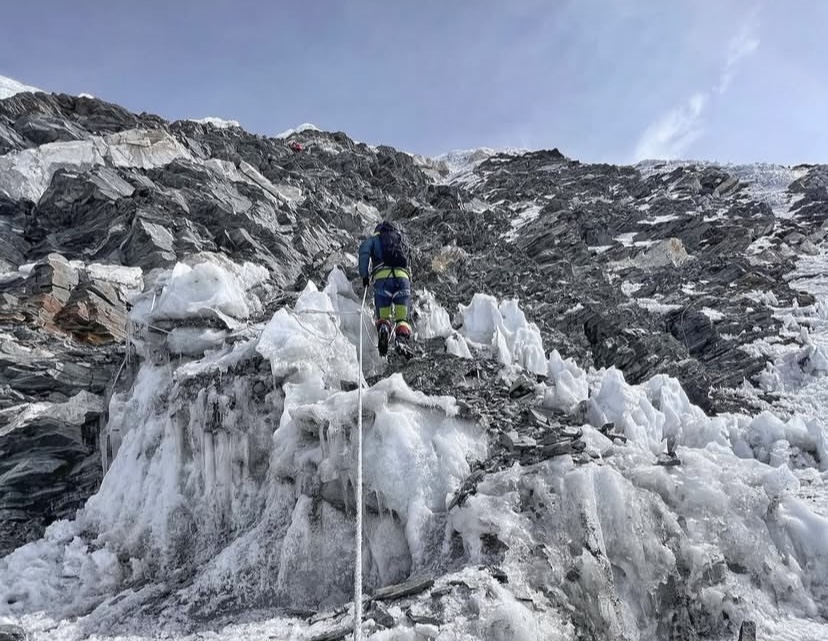
A "challenging" trip grade indicates a demanding, high-altitude adventure (often 5,000–6,000+ meters) designed for experienced adventurers with excellent fitness.
Mera Peak climbing takes you on an unforgettable journey to one of Nepal’s highest peaks, nestled in the stunning Hinku Valley. This adventure combines the thrill of mountaineering with the beauty of trekking, all set in the captivating eastern Everest region, far from the typical tourist trails. The climb itself features a blend of picturesque trekking paths and technical challenges that test your skills. Renowned for its rich biodiversity, showcasing vibrant rhododendron forests, alpine vegetation, and diverse wildlife, all while steeped in the culture of the Sherpa communities, which adds a unique touch to your experience.
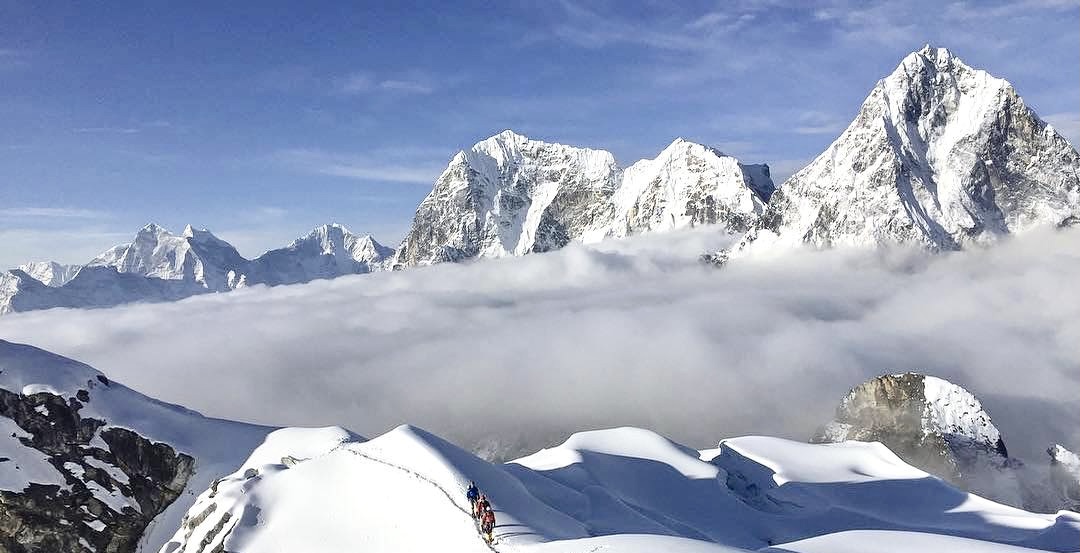
As you trek and ascend, you’ll be treated to breathtaking panoramic views of five of the world’s tallest peaks, including Everest, Lhotse, Makalu, Cho Oyu, and Kanchenjunga. The combination of natural beauty, physical challenges, and cultural immersion makes this journey truly unforgettable. Mera Peak is generally considered a non-technical climb, making it accessible for those looking to summit a Himalayan peak without requiring advanced mountaineering skills.
Mera Peak stands out as one of the highest trekking peaks in Nepal, offering a summit that is achievable for adventure seekers eager for a Himalayan peak experience. It’s perfect for trekkers who want to enjoy the journey and the thrill of reaching a summit without facing extreme technical difficulties. The summit not only provides stunning views of several Himalayan giants in one sweeping panorama but also allows for a deeper exploration of trekking, mountaineering, and cultural interaction. This experience is ideal for those looking to acquire basic mountaineering skills in a safe environment, accompanied by professional guides. With carefully curated non-technical climbing routes and fixed ropes, your safety is prioritized, making this an excellent introduction to Himalayan mountaineering.
Start your unforgettable Mera Peak journey today — book with expert guides and conquer one of Nepal’s highest trekking peaks safely and confidently!
Day 1: Arrival in Kathmandu [1,330m]
Day 2: Flight from Kathmandu to Lukla (2840m) then Trek to Paiya [2,730m]
Day 3: Trek from Paiya to Pangom [2,846m]
Day 4: Trek from Pangoma to Nagindingma [2,650m]
Day 5: Trek from Nagindingma to Khola Kharka [3,930m]
Day 6: Trek from Khola Kharka to Kothe [3,691m]
Day 7: Trek from Kothe to Thaknak [4,358m]
Day 8: Trek from Thaknak to Khare [5,045m]
Day 9: Acclimatization day in Khare [5,045m]
Day 10: Trek from Khare to Mera High Camp [5,780m]
Day 11: Ascend from High Camp to Mera Summit [6,461m] then Descend to Khare [5,045m]
Day 12: Trek from Khare to Kothe [3,600m]
Day 13: Trek from Kothe to Chetarwa [3,580m]
Day 14: Trek from Chetarwa to Lukla [2,800m]
Day 15: Fight from Lukla to Kathmandu [1,330m)]
Day 16: Departure
Upon your arrival at Tribhuvan International Airport, you will be welcomed by our representative with a traditional garland. A representative will assist you to your hotel, where you can take some time to relax. Later, you will meet your expedition team for an overview of the trek and a briefing on the peak climbing itinerary, followed by an equipment check. If necessary, you can purchase or rent any gear in the vibrant Thamel market. Enjoy your free time exploring the shops, cafés, and restaurants of Thamel, as well as the historic Kathmandu Durbar Square. In the evening, savor a delicious Nepali dinner while enjoying a cultural program.
Depending on your flight schedule, you will head to the airport for your flight to Lukla. In a thrilling 30-minute scenic flight, you will arrive in Lukla, the bustling gateway to both the Everest and Mera Peak treks. Marvel at the breathtaking views of the Himalayan peaks, including the Everest range, lush forests, terraced fields, and local villages along the way. Once in Lukla, gear up for a 3 to 4-hour trek to Paiya. The trek begins with a descent to Surke, followed by an ascent through dense forest trails and farmlands, navigating narrow, occasionally muddy stone steps, forest paths, and suspension bridges.
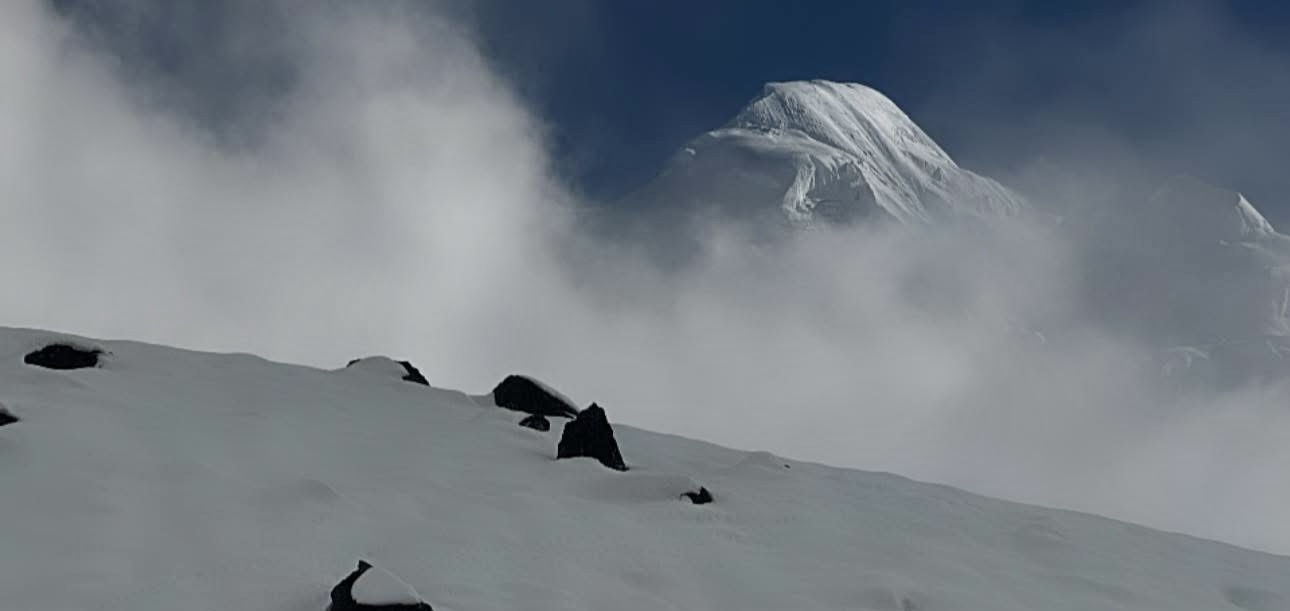
From Paiya, you’ll embark on a trek to Pangom, which will take approximately 5 to 6 hours. The trail features a series of gradual ascents and descents, leading you to Kari La Pass, surrounded by lush forests, small farming villages, and crossing minor ridges. Along the path, you’ll encounter local communities, giving you a taste of traditional Sherpa mountain culture. Keep an eye out for yaks, Himalayan monal pheasants, or blue sheep, and catch your first glimpse of Mera Peak in the distance. In the evening, prioritize rest and hydration to prepare for the journey ahead.
Today, you will trek to Nagindingma, navigating through lush bamboo groves, rhododendrons, and forested valleys. Expect about 5 to 6 hours of trekking as you pass by small settlements and yak pasturelands. Along the way, you will cross Pangom La Pass (approximately 3,100m), an important site for acclimatization. Upon reaching Naggingma, take the opportunity to meet local herders and visit small monasteries. You’ll sleep here to help your body adjust before tackling higher altitudes.
Prepare for a significant elevation gain of over 1,200 meters as you trek to Khola Kharka. Transitioning from lush forests to alpine terrain, you’ll witness stunning mountain views along the way. Watch for Himalayan marmots and snowcocks as you move through picturesque landscapes. You’ll spend the night near grazing pastures where yak herders come to seasonally migrate.
Your journey to Kothe involves a descent, but be sure to pace yourself to avoid altitude sickness. The trek follows the gorge of the Inkhu Khola River, surrounded by forests and views of glaciated peaks. After approximately 5 to 6 hours of walking, you will arrive in Kothe, a small settlement offering basic facilities like teahouses and lodges. After exploring Kothe in the evening, focus on resting and fueling up for the next leg of your journey.
You’ll gradually ascend along Hinku Valley from Kothe, moving into more remote regions with fewer trekkers. The trails lead you through yak pastures, alongside moraines, and across glacier-fed streams, all while providing stunning views of the majestic north face of Mera Peak. You’ll visit Lungsumgba Gompa, a Buddhist monastery, where you can witness local spiritual life. Expect to trek for about 4 to 5 hours to reach Thaknak.
The trek from Thaknak to Khare is short yet takes you to a high altitude. You will climb steeply across rocky terrain and the lateral moraine of the Dig Glacier, navigating an area marked by scree and snow patches with sparse vegetation. Enjoy panoramic views of Mera Peak and the surrounding glaciers as you trek for about 3 to 4 hours to reach Khare, the main base camp for Mera Peak climbs. Here, you’ll prepare your climbing gear and review safety protocols, ensuring that all equipment, including crampons, harnesses, and ice axes, is ready.
This day is crucial for acclimatization. You’ll engage in activities such as hikes up to 5,300 meters or higher and practice essential technical climbing skills, including using your ice axe, crampons, and rope techniques on nearby snow slopes. Keep an eye on any signs of altitude sickness and inform your guide immediately if any symptoms arise. Take the time to rest, hydrate, and eat balanced meals. You’ll also mentally prepare for summit day during discussions with your team.
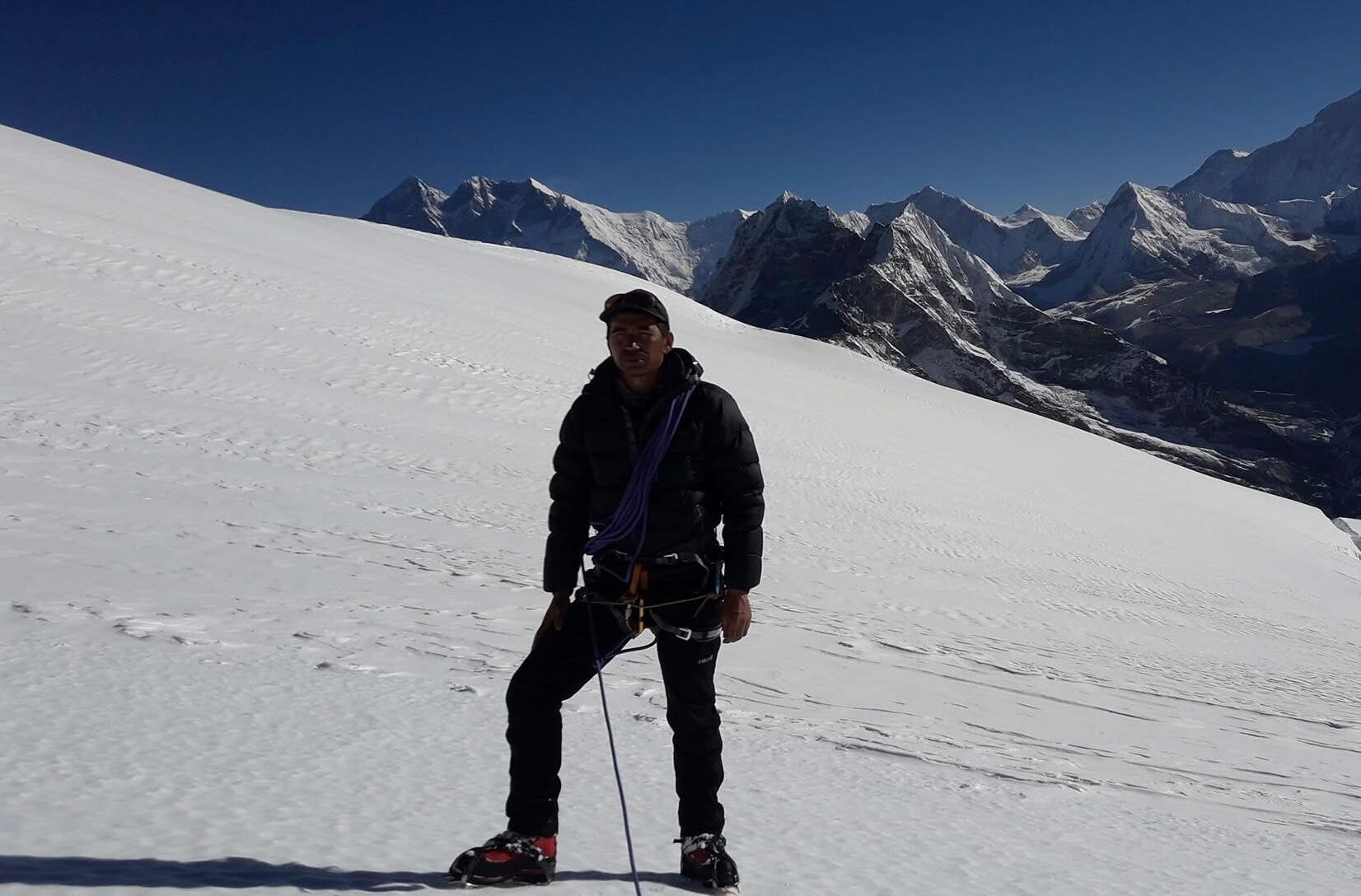
The trek from Khare to Mera High Camp is a steep and strenuous journey that involves crossing glaciers and navigating technical snow slopes. As you ascend the morning ridges, it’s essential to manage your energy and pace carefully. At High Camp, you will set up base on a rocky outcrop, where you’ll be treated to breathtaking panoramic views of the majestic Everest, Lhotse, Makalu, and Cho Oyu. After enjoying the scenery, you will have an early dinner and take some time to rest, preparing for the pre-dawn summit attempt. With a trek lasting around 5 to 6 hours, you will reach Mera High Camp.
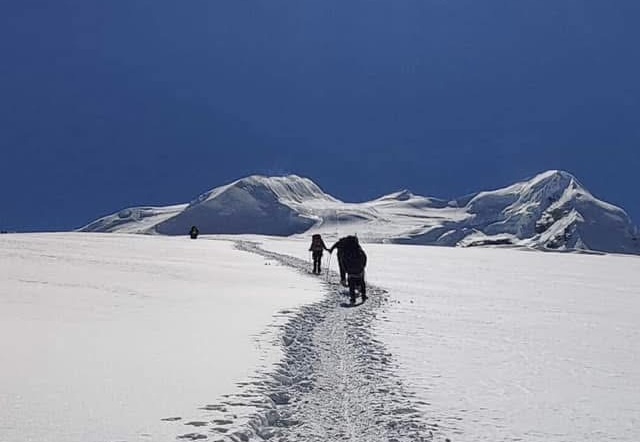
Today’s the big day! You’ll kick off the early summit push between 1 a.m. and 3 a.m., armed with headlamps to light your path. Crampons and ropes will help you keep a steady pace as you navigate the snow and ice. The ascent typically takes about 6 to 8 hours, depending on weather conditions and your overall health. Once you reach the summit, you’ll be rewarded with stunning 360-degree views, featuring iconic peaks like Everest, Annapurna, and Kanchenjunga. After soaking up the experience at the top, you will carefully descend back to High Camp before continuing your journey down to Khare, where you can celebrate your success! Don’t forget to hydrate and give your body some well-deserved rest.
Leaving Khare behind, you will begin your descent along the Hinku Valley Trail. While this day is comparatively easier, it’s still long, and your knees and joints may feel the strain. You’ll trace your steps back through the alpine meadows and river valley, with an estimated trekking time of around 6 to 7 hours to reach Kothe. Once there, take some time to reflect on your summit experience with your fellow team members.
Today’s trek from Kothe to Chetarwa will take about 5 to 6 hours. As you make your way down, the trails will transition to gentler paths, leading you through forested sections and farmland. Along the way, you’ll pass by yak herder shelters, seasonal grazing areas, and isolated homesteads. This is a great opportunity to chat with the local villagers and delve into their way of life in Chetarwa.
On the final day of trekking, you’ll descend steadily toward Lukla, a journey that will take around 6 to 7 hours. Upon reaching Lukla, it’s time to celebrate the completion of your trek with your team. You can explore the village, shop for souvenirs in the local markets, and enjoy a hot shower to refresh yourself before packing your gear for the flight back to Kathmandu.
You’ll have an early flight back to Kathmandu, dependent on weather conditions. The 30-minute journey will take you over the stunning hills, forested villages, and rivers of the Himalayas before landing in the capital. Once you’re back in Kathmandu, you’ll return to your hotel for some well-earned rest. If time allows, you might want to go sightseeing at places like Boudhanath Stupa or Pashupatinath Temple. In the evening, share a farewell dinner with your team and guides.
Your departure day has arrived! Based on your flight schedule, you’ll receive assistance from our representative as you check out of your hotel and head to Tribhuvan International Airport. This marks the end of your expedition, filled with beautiful memories to cherish.
Modify itinerary, accommodation, transportation, or activities according to your travel style and schedule.
The trek spans 16 days, including arrival and departure. While the trek is classified as moderate, the altitude and summit climb can pose challenges, requiring good physical fitness and some prior experience at high altitudes. The summit attempt includes glacier travel, so basic skills with an ice axe and crampons are necessary. However, beginners can also participate with the right guidance and training with a qualified guide and proper acclimatization.
When planning to climb Mera Peak, you’ll need specific permits, which include the Mera Peak Climbing Permit issued by the Nepal Mountaineering Association (NMA). Additionally, you’ll require the Sagarmatha National Park Entry Permit and the Khumbu Pasang Lhamu Rural Municipality Permit. These permits can be obtained through a registered trekking agency like ours. Most travelers can secure a tourist visa upon arrival at Tribhuvan International Airport in Kathmandu. For faster processing, an online visa option is available through the official Nepal Immigration website. Remember to bring a valid passport (with a minimum of six months validity), passport-size photos, and the visa fee paid in cash (in USD).
For Visa Information.
Your adventure kicks off with a short, scenic flight from Kathmandu to Lukla, which takes about 30 minutes. During peak seasons, flights may also operate from Ramechhap Airport due to high air traffic. For local transfers in Kathmandu, private vehicles or tourist buses are typically used. Once the climb and trek begin, no transportation is required. Keep in mind that weather delays can be common, so it’s wise to plan for a buffer day.
Throughout this journey, accommodation is mostly in basic tea houses. These provide dining halls where you can enjoy Nepali dishes and simple Western meals. Wi-Fi, hot showers, and charging options are usually available for an additional fee. At higher camps, you’ll stay in tents with meals prepared by the staff. Be prepared for a limited water supply and no permanent toilet facilities at high camp.
Spring (March to May) is the prime time for climbing, offering stable weather, clear skies, and pleasant temperatures at higher elevations. Autumn (September to November) also brings crisp weather, excellent visibility, and low rainfall, making it suitable for summit attempts despite the chilly nights. Winter (December to February) poses significant challenges with heavy snow and freezing temperatures, making it best suited for highly experienced climbers. The monsoon season (June to August) is generally not advisable due to frequent rain, reduced visibility, and an elevated risk of landslides and avalanches.
To ensure comfortable accommodation during peak trekking season, early booking is highly recommended. The booking process requires a valid passport copy, travel insurance (including emergency helicopter evacuation), and passport-size photos for trekking permits. To confirm your trek, a deposit of 20–30% is needed, with the remaining balance payable upon arrival in Nepal.
For Booking & Cancellation Policy: click here
Be aware that Altitude sickness can strike above 3,000 meters, so it’s crucial to acclimatize properly and stay hydrated. Keep contact information for your local guide and travel agency handy. Helicopter evacuations can be arranged from Gorakshep, Pheriche, and Lukla in emergencies, but they must be covered by your travel insurance. Your insurance should also accommodate high-altitude trekking (up to 4,500 m) and emergency evacuation. Basic health posts can be found in villages, while advanced hospitals are available in Kathmandu for serious health concerns. If you experience symptoms like headaches, nausea, or dizziness, inform your guide immediately.

Essential gear for comfort, warmth, and safe trekking at altitude.
Mera Peak climbing is considered a challenging high-altitude adventure, although the standard route is not highly technical compared with many other Himalayan peaks. The biggest challenge is the altitude, endurance, cold, and long summit day rather than complicated rock or ice climbing.
You should be comfortable walking for several hours a day on steep and uneven mountain trails and be prepared for glacier travel. Basic training with crampons, an ice axe, ropes, and other climbing equipment is normally provided before the summit attempt.
Good physical fitness, proper acclimatization, and a sensible pace are much more important than having advanced mountaineering experience.
Yes, Mera Peak can be suitable for fit beginners who are properly prepared and climb with an experienced guide. You do not necessarily need previous experience climbing a 6,000-meter peak, but you should not underestimate the altitude.
The climb involves glacier travel, steep sections, freezing temperatures, and a demanding summit day. Beginners should ideally have previous high-altitude trekking experience and spend time improving their cardiovascular endurance before the trip.
Your guide will also provide practical instruction on using crampons, an ice axe, ropes, and other climbing equipment before the summit push.
Mera Peak reaches approximately 6,461 meters (21,198 feet) according to the elevation used on this Trek Curator itinerary.
At this altitude, the air contains considerably less oxygen than at sea level. This is why acclimatization is an important part of the Mera Peak climbing itinerary rather than something that should be rushed.
The Trek Curator Mera Peak climbing itinerary takes 16 days, including arrival in Kathmandu and your final departure.
The route includes trekking from Lukla through the Hinku Valley, acclimatization at Khare, a night at Mera High Camp, the summit attempt, and the return journey to Lukla.
Allowing the full itinerary is important because high-altitude climbing can be affected by weather, acclimatization, and flight delays.
The best seasons for Mera Peak climbing are generally spring (March to May) and autumn (September to November).
Spring usually brings relatively stable mountain conditions and longer days, while autumn is known for clear skies and excellent mountain visibility after the monsoon.
Winter is considerably colder and can bring difficult snow and wind conditions. The monsoon months are less suitable because rain, cloud, slippery trails, and possible landslides can make the approach more difficult.
Winter climbing is possible, but it is much more demanding because of freezing temperatures, snow, and potentially strong winds. It is generally better suited to climbers who already have appropriate high-altitude and winter mountaineering experience.
For most trekkers planning their first Mera Peak expedition, spring or autumn provides a more practical climbing window.
Previous mountaineering experience is helpful but not always essential. What matters most is that you are physically prepared, comfortable at high altitude, and willing to learn the basic climbing techniques required for the route.
Your itinerary includes time at Khare for acclimatization and climbing practice. This is where you can become familiar with equipment such as crampons, an ice axe, and ropes before the summit attempt.
Both are popular Himalayan climbing objectives in Nepal, but they offer different experiences.
Mera Peak is higher, reaching about 6,461 meters, and is known for its impressive high-altitude panorama and relatively straightforward standard climbing route. Island Peak is lower but has more technical climbing features on its standard route.
The better choice depends on your previous experience, fitness, preferred type of climbing, available time, and what you want from your Himalayan expedition.
The standard Trek Curator itinerary begins in Kathmandu and continues with a flight to Lukla.
From Lukla, the route follows less-crowded trails through the Hinku Valley, passing places such as Paiya, Pangom, Kothe, Thaknak, and Khare before continuing to Mera High Camp and the summit.
This approach is one of the highlights of Mera Peak because it takes you away from the busier sections of the Everest Base Camp route.
During the trekking section, accommodation is mainly in local teahouses and lodges. These provide basic rooms and communal dining areas, with facilities becoming more limited as you climb higher.
Near the climbing section, you will stay in tents, including at Mera High Camp. At high altitude, facilities are basic, so you should be prepared for cold conditions, limited water, and fewer comforts than you would have at lower elevations.
Yes. Altitude sickness is one of the most important risks on any Mera Peak expedition because the route climbs above 6,000 meters.
That is why the itinerary includes gradual altitude gain and an acclimatization day at Khare.
Common symptoms of altitude sickness can include headache, nausea, dizziness, unusual tiredness, and loss of appetite. Tell your guide immediately if you develop symptoms rather than trying to push through them.
The safest approach is to ascend gradually, stay hydrated, eat properly, get enough rest, and follow your guide's instructions.
Yes. Comprehensive travel insurance with high-altitude trekking/climbing and emergency evacuation coverage is strongly recommended.
Before purchasing a policy, check the maximum altitude covered and whether emergency helicopter evacuation is included. Standard travel insurance does not always cover high-altitude mountaineering activities.
Your insurance should also cover the entire duration of your Nepal trip, including unexpected delays or medical emergencies.
Yes, many trekkers rent specialist equipment in Kathmandu rather than bringing every item from home.
However, make sure rented equipment fits correctly and is in good condition. Specialist items such as mountaineering boots, crampons, harnesses, helmets, and ice axes should be checked carefully before heading into the mountains.
It is also worth discussing your equipment requirements with your trekking agency before arrival so you know what is included, what can be rented, and what you need to bring yourself.
Internet and charging facilities are available in some teahouses, but they become less reliable as you move toward the higher camps. Services may also cost extra.
At high camp, facilities are very basic. Do not plan your trip around having reliable Wi-Fi or electricity.
A power bank and spare batteries are useful, particularly for your camera, phone, GPS, and headlamp.
Temperatures can drop well below freezing, particularly during the night and around summit time.
The temperature varies considerably depending on the season, altitude, wind, and weather conditions. At high camp and during the summit push, you should be prepared for severe cold.
A proper layering system, insulated clothing, warm gloves or mittens, suitable mountaineering boots, and a high-quality sleeping bag are essential.
Yes. Mera Peak itineraries can often be adjusted depending on your available time, acclimatization needs, preferred pace, and travel arrangements.
However, high-altitude trips should not be shortened simply to save a day or two. Acclimatization and contingency time are important parts of a safe Himalayan climbing itinerary.
If you have a specific schedule, discuss it with your trekking agency before booking so the route can be planned realistically.
Mera Peak climbing involves genuine high-altitude risks, including altitude sickness, extreme cold, changing weather, falls, glacier hazards, and flight delays.
However, these risks can be managed through proper preparation, acclimatization, suitable equipment, experienced guides, weather monitoring, and conservative decision-making.
Choose an experienced trekking agency, make sure your insurance covers the activity, follow your guide's instructions, and never ignore symptoms of altitude sickness.
Verified guest feedback collected from Tripadvisor and Google Reviews.