Culture, Landscape, Flora & Fauna
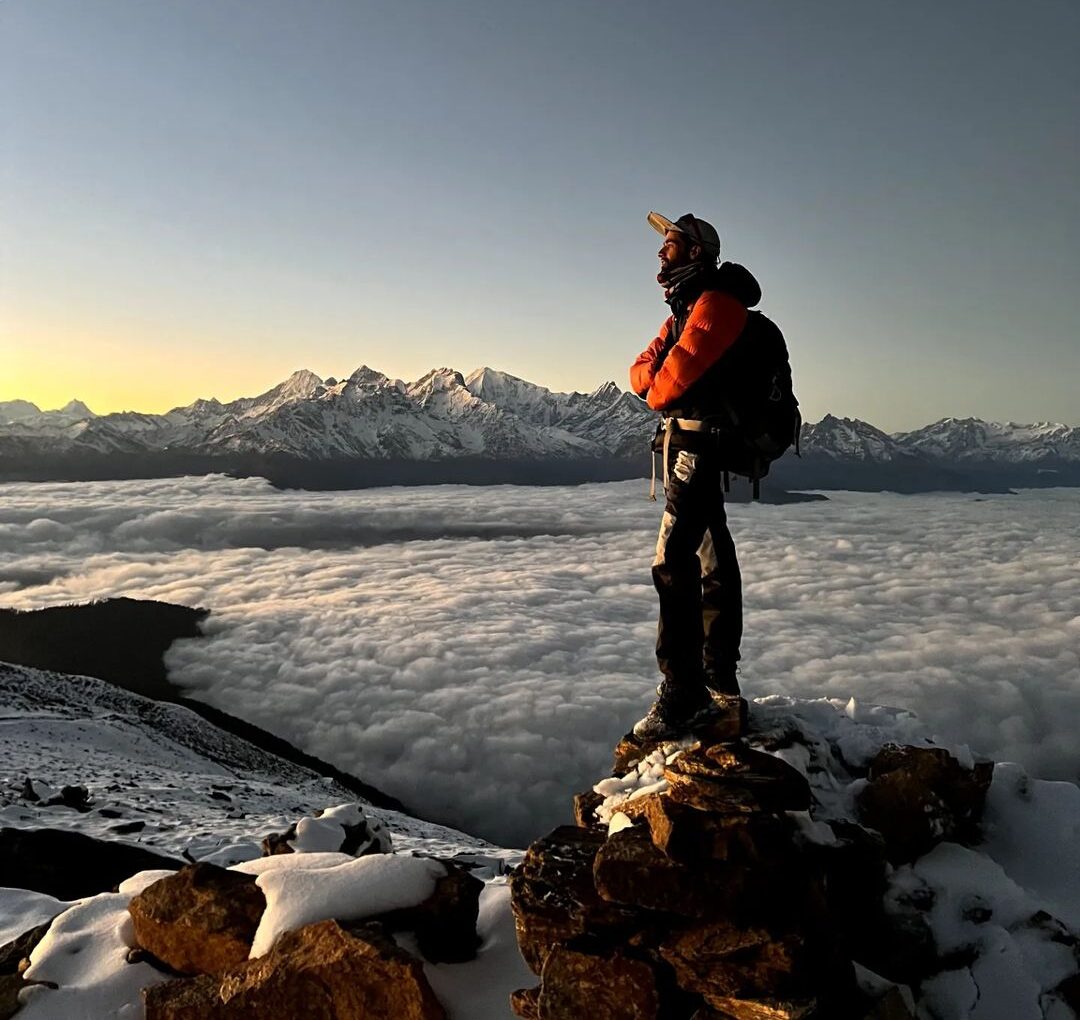
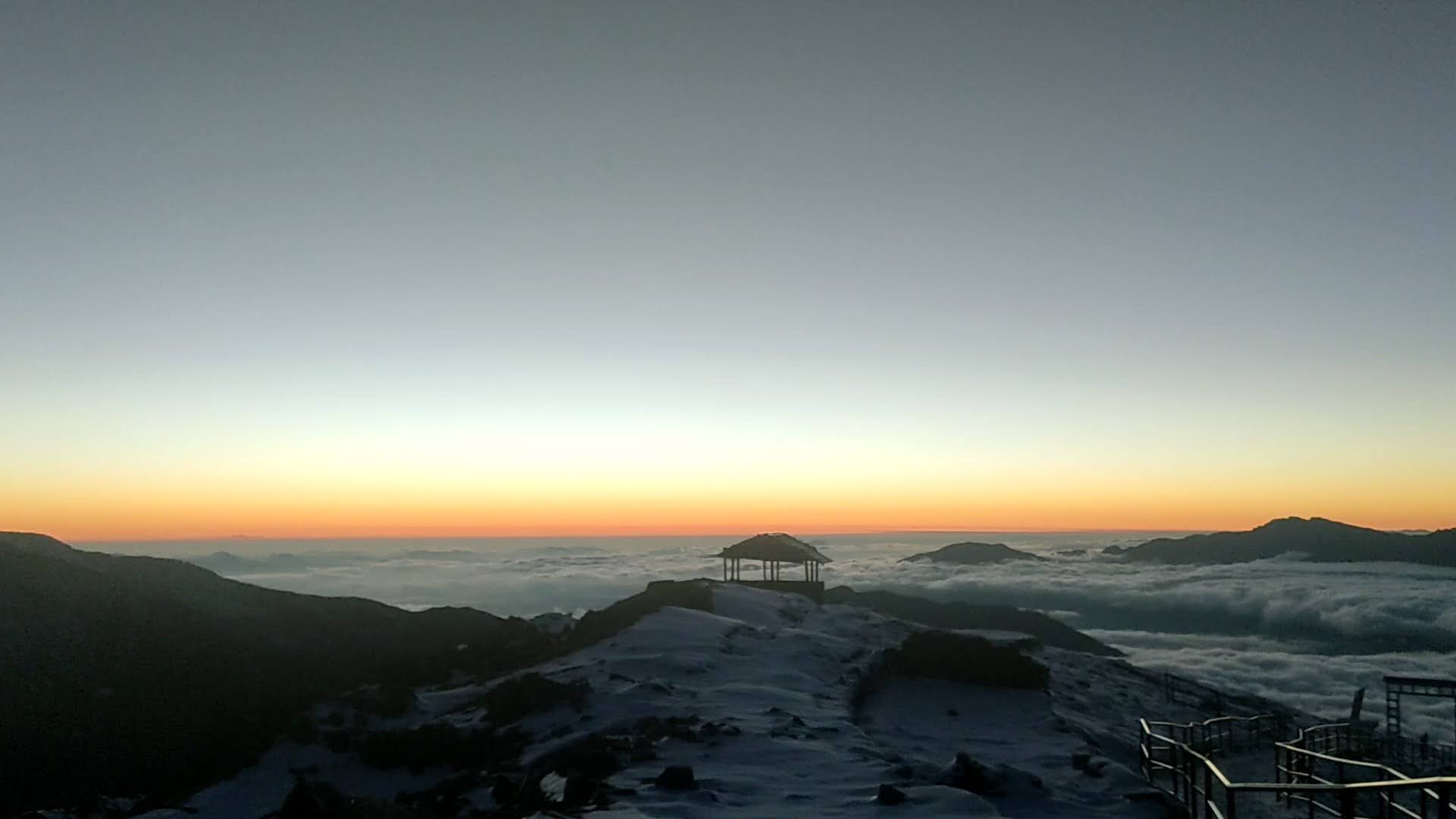
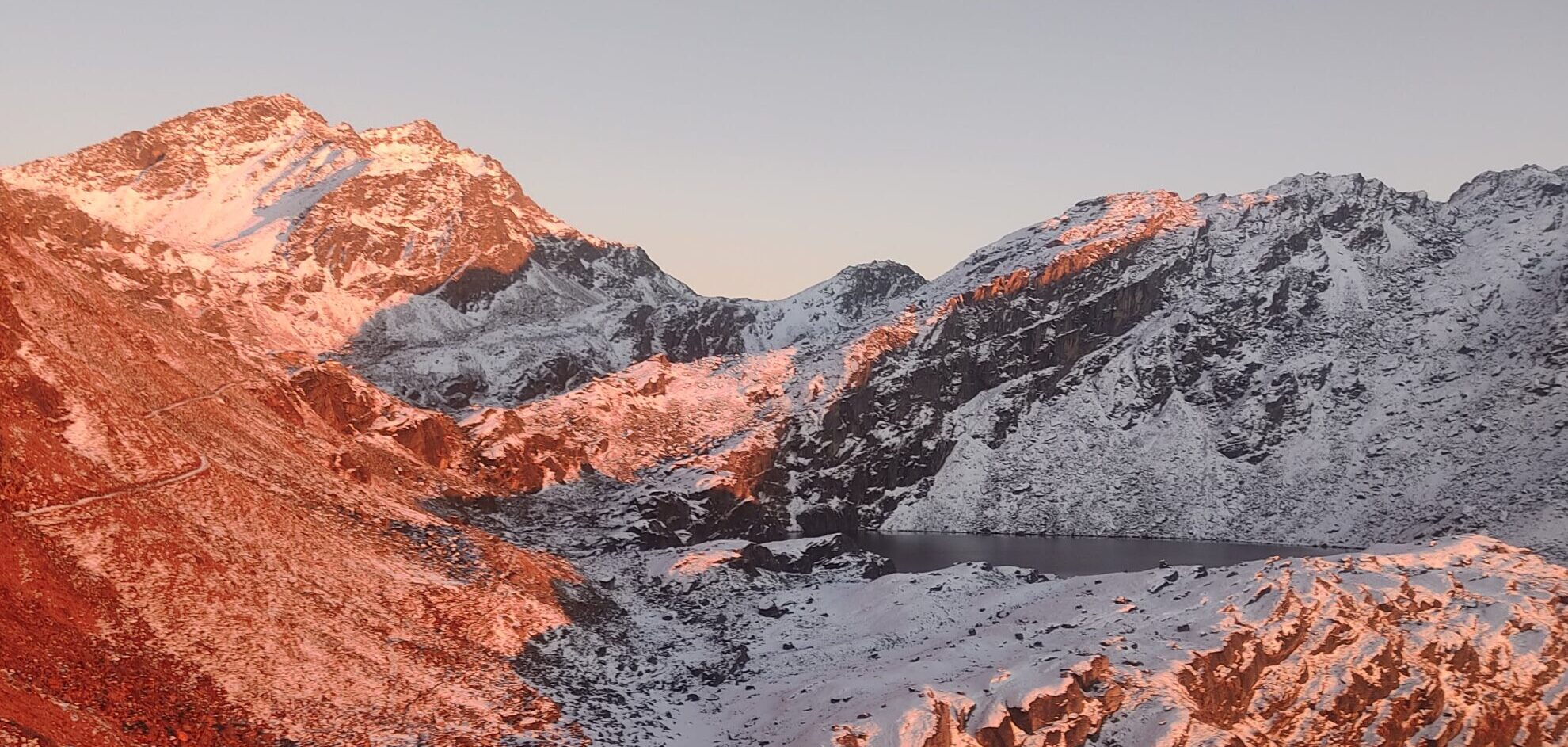
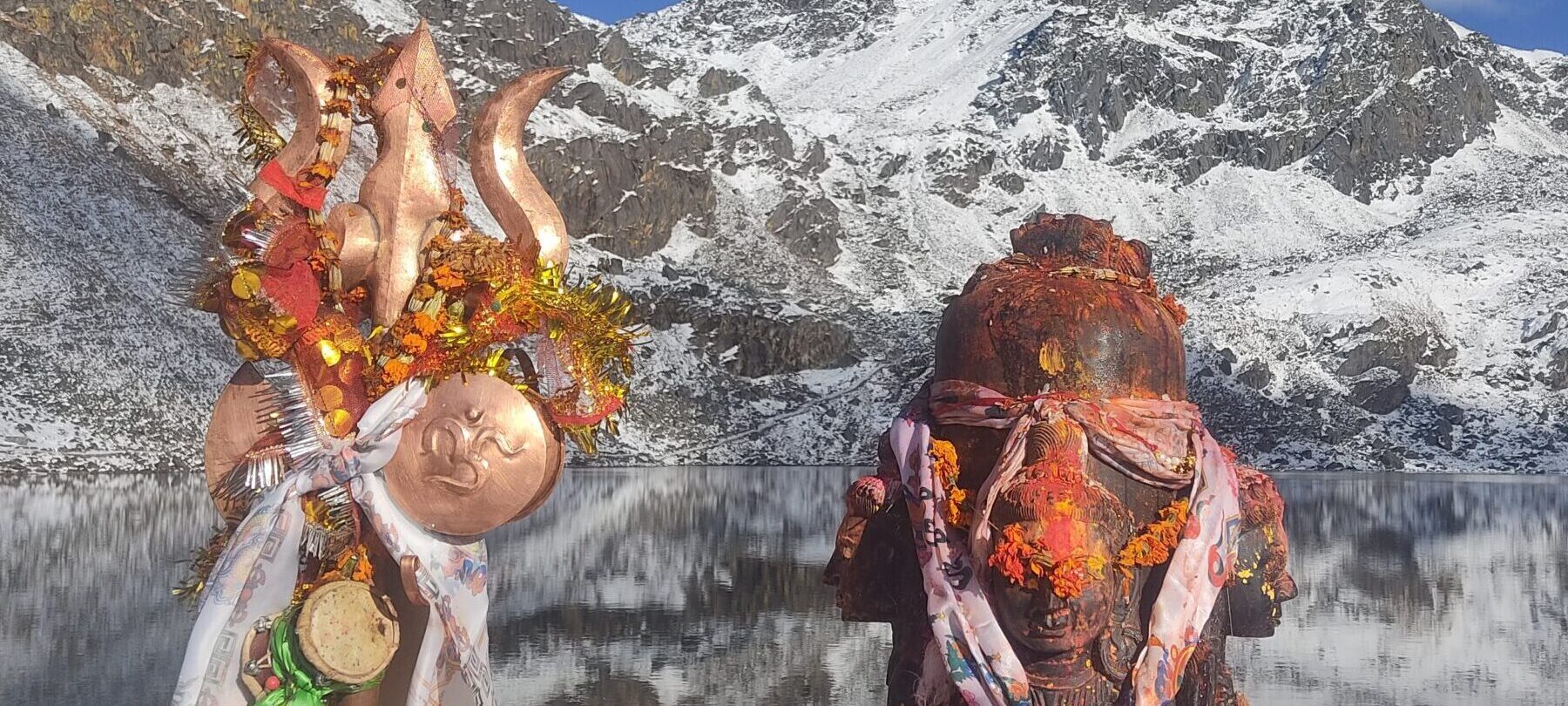
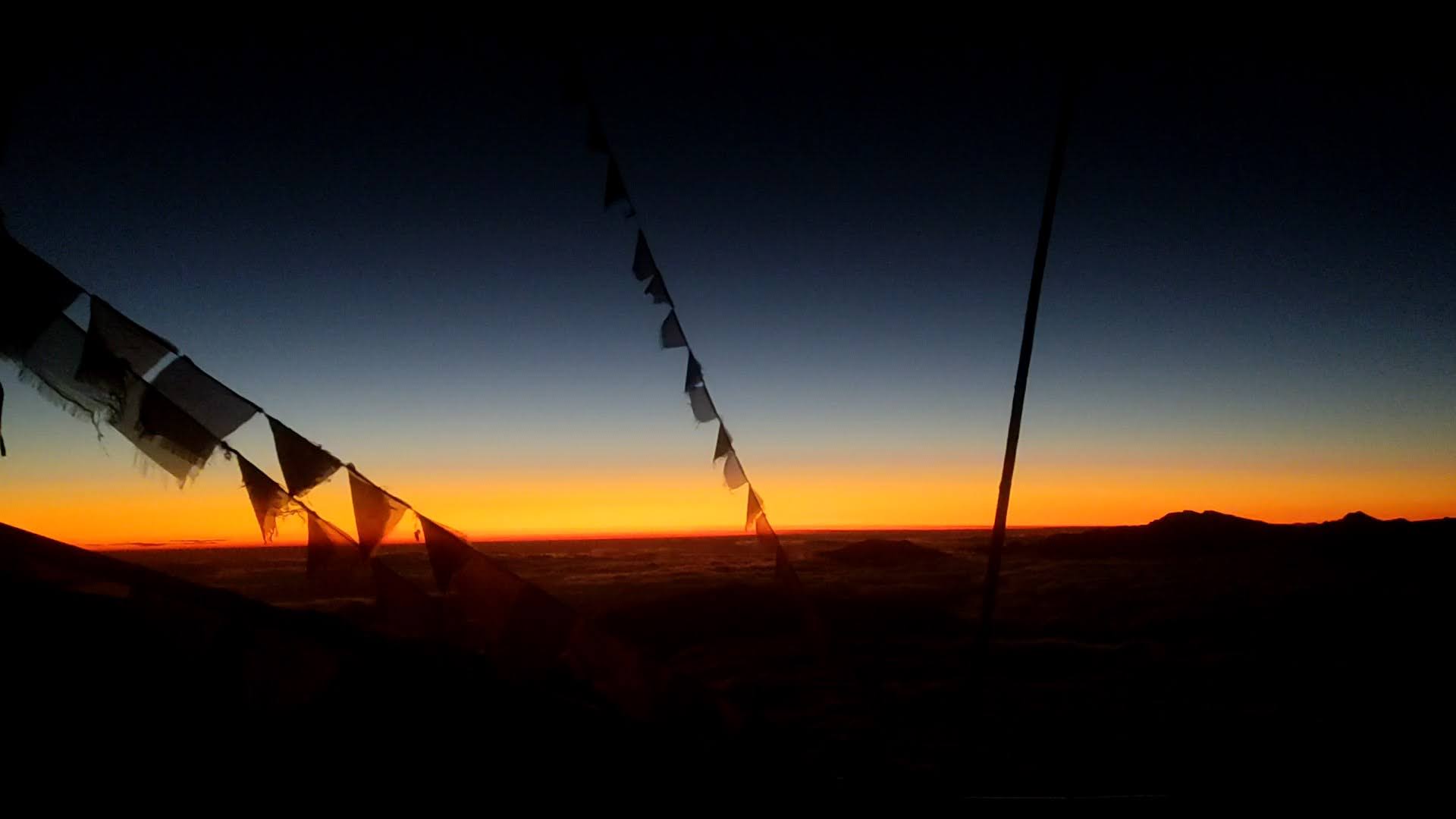
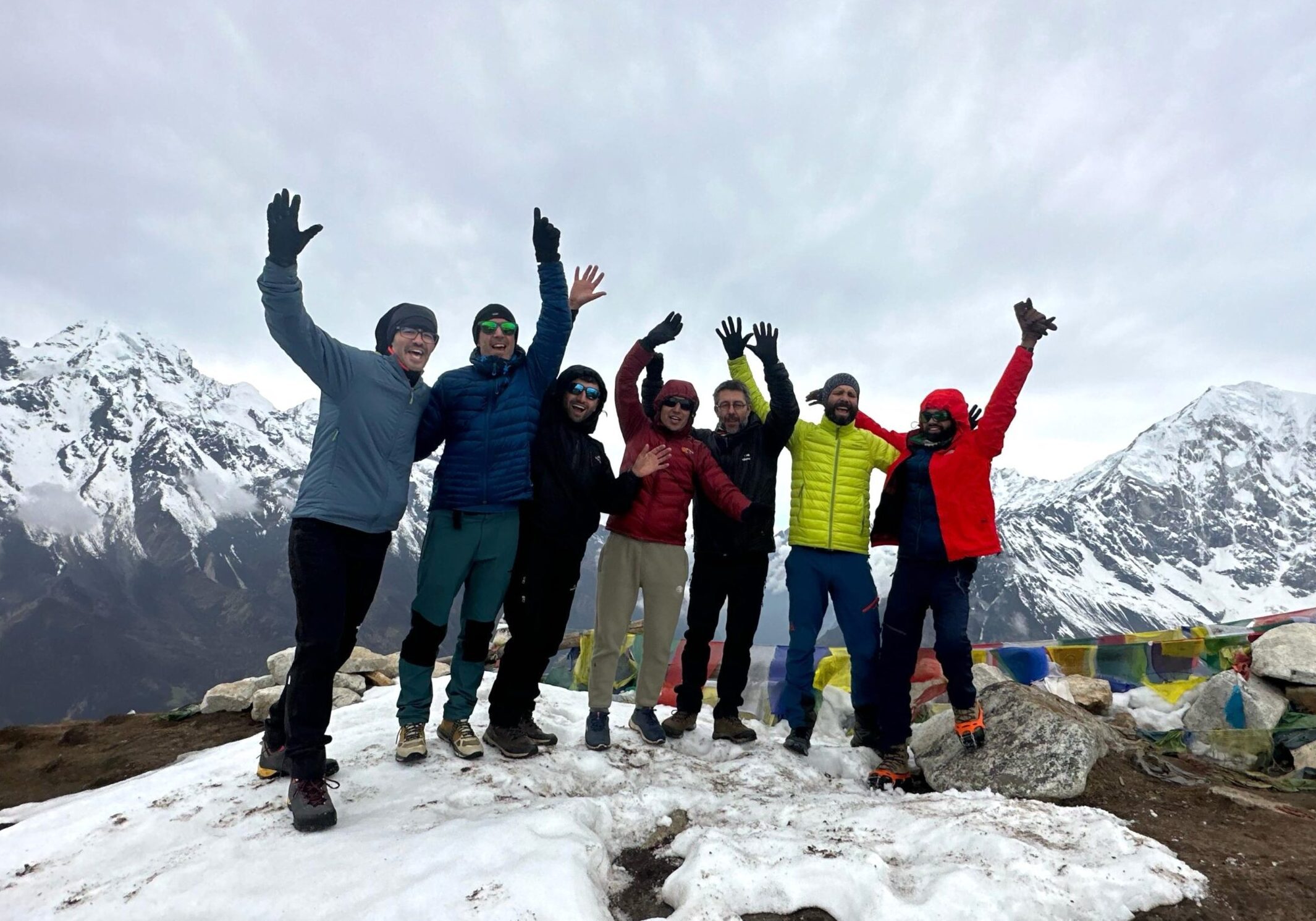
This trek cuts directly through the ancestral heartlands of the Tamang and Sherpa communities, whose unique cultural traditions shape daily life along the trail. As you climb, the landscape changes dramatically—moving from terraced subtropical farmlands to dense cloud forests packed with moss and towering rhododendrons. Keep your eyes peeled; these protected park zones are home to the elusive red panda, Himalayan tahr, and colorful monal pheasants. Above the tree line, the terrain strips down to raw, striking alpine scrub and exposed gray rock.
Difficulty Level
We grade the Gosaikunda Trek as Moderate. While it does not require technical alpine skills or ropes, it should not be underestimated. The trails consist of steep, well-engineered stone staircases that demand consistent uphill grinding. The primary challenge here isn't technical layout; it's the steepness of the terrain and managing your breathing as the air begins to thin.
Required Fitness & Preparation
If you can comfortably manage 5 to 6 hours of steady walking on an inclined treadmill or local hiking paths, you possess the physical foundation for this trek. Your calves and knees will bear the brunt of the work. We recommend building your stamina by incorporating leg-strengthening exercises, light running, or stair-climbing routines into your weekly schedule for at least 4 weeks before your departure date.
Best Season, Weather & Temperature
- Autumn (September to November): The gold standard. Deep blue skies, crisp mornings, and unparalleled mountain visibility. Daytime temperatures hover between 10°C to 15°C, dropping below freezing at night near the lake.
- Spring (March to May): A visual masterpiece. The hillsides erupt into pink, red, and white rhododendron blooms. Temperatures are milder, though afternoon clouds are more common.
Maximum Altitude & Safety
The crown jewel and highest overnight point of this trek sits at 4,380 meters (14,370 feet) right at the shores of Gosaikunda Lake.
Altitude Note: Standard topographic maps can sometimes feature varying alpine readings, but our certified satellite altimeters lock Gosaikunda Lake precisely at 4,380 m. Our modified itinerary limits daily sleeping elevation gains to ensure your body acclimates safely and smoothly.
Distance & Walking Hours
The overall foot trail spans roughly 32 kilometers out-and-back. Expect to cover 6 to 9 kilometers per day, translating into 4 to 6 hours of actual trail movement depending entirely on group pacing, altitude variables, and rest intervals.
Acclimatization & Escape Routes
Because this itinerary moves you from Kathmandu’s base level up past 4,000 meters, your guide will mandate a slow, measured walking pace. We deliberately break the steep upper climb into two parts by staying overnight at Chandanbari (3,330 m) and then Lauribina (3,910 m) to give your blood oxygen levels critical time to adapt naturally before pushing to the lakes.
Should early symptoms of altitude sickness occur, our primary emergency strategy is a controlled, manual descent back down the wide, clear ridge path. Dhunche can be reached reliably from lower points on the trail, offering immediate access to local transport links and regional medical outposts.
Permits
We manage all heavy bureaucratic paperwork on your behalf. To step foot on this trail, you require two essential documents (fully included in your package):
Langtang National Park Entry Permit: NPR 3,000 (~$22 USD)
TIMS Card (Trekkers' Information Management System): NPR 2,000 (~$15 USD)
Transportation & Accommodation
Your package includes land transport via private 4WD jeep or a comfortable shared tourist vehicle for the journey between Kathmandu and Dhunche. The road winds along terraced valley edges and past rural riversides.
On the trail, you will stay in traditional, family-run mountain teahouses. Accommodations are simple, clean, and charmingly rustic. Bedrooms generally feature two twin beds with foam mattresses and warm blankets. The centerpiece of every teahouse is the communal dining hall, warmed by a central stove, making it the perfect spot to swap stories with fellow travelers in the evening.
Food, Water & Meals
Menus along this route are surprisingly diverse, offering classic, hearty meals to fuel your trek:
· Meals: Freshly made Dal Bhat (lentil soup, rice, and vegetable curry—the ultimate fuel for trekking), momos, pastas, eggs, and warm porridge.
· Water: We prioritize ecological safety. We advise utilizing boiled water from teahouses or using water purification tablets/filters with tap water rather than buying single-use plastic bottles.
Communication & Facilities
As an established trek, you will find well-spaced rest stops, small trail shops selling snacks, and tea stalls strategically positioned every 2 to 3 hours of walking.
Cellular coverage via Nepal Telecom (NTC) and Ncell works reasonably well up to Chandanbari, but becomes spotty or completely absent as you enter the high basin around Gosaikunda. Most teahouses provide Wi-Fi access and electronic charging stations for a modest local fee ($2 to $4 USD).
Guide & Porter Crew
Your trip is led by a licensed, English-speaking Nepalese guide skilled in mountain safety and altitude management. Per 2026 regulations, hiring a licensed guide is mandatory for all trekkers in Nepal's National Parks to ensure environmental and personal safety.
To ensure you can focus entirely on the scenery without straining your back, our strong local porters carry your heavy duffel bags (capped at 12.5 kg per trekker, with one porter shared between two clients).
Insights From Our Mountain Guides
"Many hikers push way too fast during the first two hours out of Dhunche because their legs feel fresh. I always tell my groups: 'Bistari, bistari' (slowly, slowly). The key to reaching Gosaikunda with a smile on your face is keeping your heart rate steady from day one."
— Guide Pasang Tamang
Health & Safety
· Altitude Sickness: Acute Mountain Sickness (AMS) is a real consideration above 3,000 meters. Our guides monitor your health closely, tracking your hydration and oxygen saturation levels daily. We carry comprehensive wilderness first-aid kits and implement immediate descent procedures if necessary.
· Travel Insurance (Mandatory): You must secure comprehensive travel insurance before starting this trek. Your policy must explicitly cover high-altitude trekking up to 5,000 meters and include emergency helicopter evacuation coverage.
· Emergency Evacuation: In the rare event of severe illness or injury, our team coordinates directly with rescue services in Kathmandu to launch a helicopter evacuation from designated safe clearings near Gosaikunda or Lauribina.
Nepal Visa Information
You can obtain a tourist visa on arrival at Kathmandu’s airport. The fees are simple: $30 USD for 15 days, $50 USD for 30 days, or $125 USD for 90 days. Be sure to carry passport-sized photos and cash for payment.
Pre-Trek Checklist
· [ ] Double-check your travel insurance high-altitude coverage details (up to 5,000m).
· [ ] Make sure your passport has at least 6 months of validity remaining.
· [ ] Inform your bank of your upcoming international travel.
· [ ] Pack your personal prescription medications and a basic first-aid kit.
· [ ] Withdraw enough cash (Nepalese Rupees) in Kathmandu, as there are no ATMs past the trek starting point.
All-Inclusive 2026 Package Pricing Matrix
Trekkers Count
Cost Per Person (All-Inclusive)
Ideal For
1 Pax
$700 USD
Solo Explorers (Private Guide & Dedicated Team)
2–4 Pax
$550 USD
Couples & Small Groups of Friends
5–10 Pax
$400 USD
Large Families & Adventure Clubs
Note: Your core accommodation, land transport, park permits, guide/porter fees, and 3 meals a day on the trail are entirely covered within our package. Budget approximately $15 to $25 USD per day in local currency to cover personal snacks, hot showers, Wi-Fi access, device charging, and tips for your mountain crew.