Hidden between the Ganesh Himal and Manaslu ranges lies the sacred Tsum Valley. Known historically to the indigenous Tsumba people as Kyimu Lung (the Valley of Happiness), this border landscape remained closed to foreign travelers until 2008. Today, it stands as one of the last true bastions of pure Tibetan heritage in the Nepalese Himalayas.
Unlike heavily commercialized routes like Everest or Annapurna, Tsum Valley takes you off the grid. The ancient practice of non-violence, known locally as the Shyagya tradition, has been fiercely protected here since it was established in 1920. By communal edict, no animals are slaughtered, no hunting is permitted, and no forests are burned within the valley limits. This strict local conservation allows Himalayan Thar and Blue Sheep to roam freely alongside deeply spiritual communities.
Trek Curator is a premium, locally owned operator specializing in restricted-area Himalayan logistics. Our USD 900 flat-rate package guarantees fair guide wages, certified wilderness-first-aid guides, and ethical, transparent pricing with absolutely no hidden local fees.
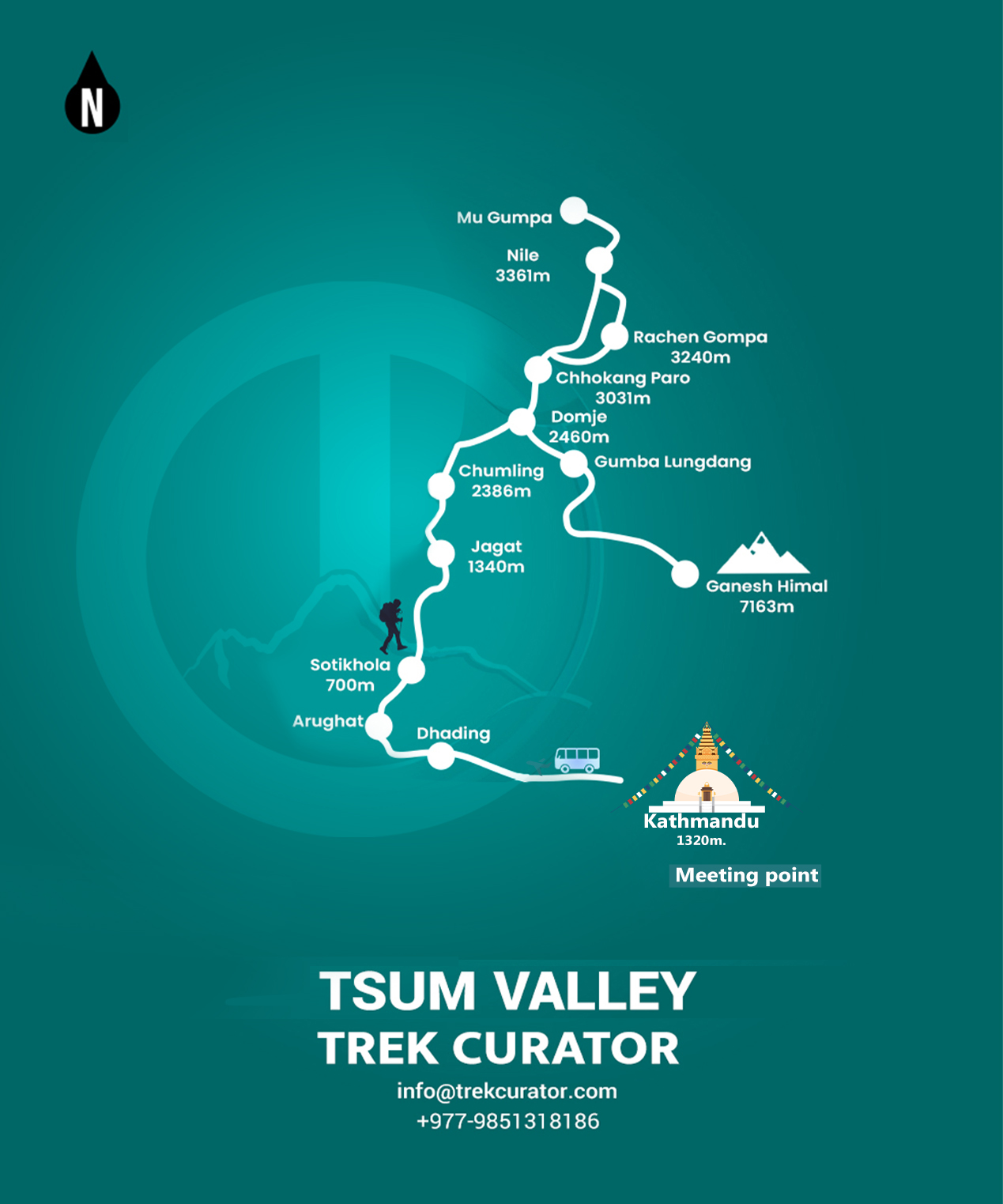
Day 1: Kathmandu Arrival, Transfer to Hotel [1,330m / 25-30 minute]
Day 2: Drive from Kathmandu to Machha Khola [ 930m / 6-7 hrs. ]
Day 3: Trek to Jagat [1,340m / 5-6 hrs ]
Day 4: Trek to Lokpa [ 2,240m / 5 hrs ]
Day 5: Trek to Chumling [2,386m / 4-5 hrs ]
Day 6: Trek to Chekampar [ 3,031m / 6-7 hrs ]
Day 7: Trek to Nile [ 3,361m / 5-6 hrs ]
Day 8: Trek to Mu Gompa [ 3,700m / 6-7 hrs ]
Day 9: Trek back to Chumling [ 2,386m / 6 hrs ]
Day 10: Trek to Philim [ 1,570m / 6-7 hrs ]
Day 11: Trek to Machha Khola [ 930m / 6 hrs ]
Day 12: Drive back to Kathmandu [ 1,330m / 6-7 hrs ]
Day 13: Departure
Upon landing at Tribhuvan International Airport in Kathmandu, you will be welcomed to Nepal with a traditional garland or khata from the Trek Curator staff. After this warm reception, the team will assist you in transferring to your hotel. Shortly thereafter, your trekking guide will provide an overview of the itinerary, discuss trekking difficulties, and highlight the gear you’ll need. If you still need some trekking equipment, you can easily rent or purchase it from the shops in Thamel. In the evening, take the time to explore Thamel’s Newari architecture, bustling markets, and cosy cafes.
Early in the morning, you will embark on a drive to Machha Khola, travelling along the Trishuli and Gandaki rivers. The drive features a mix of paved roads leading to Dhading and rough jeep tracks beyond Arughat. Enjoy the stunning views of terraced fields, traditional villages, waterfalls, and rolling hills. Once you arrive in Machha Khola, you’ll catch a glimpse of rural life in the area, with plenty of time to explore the village in the evening.
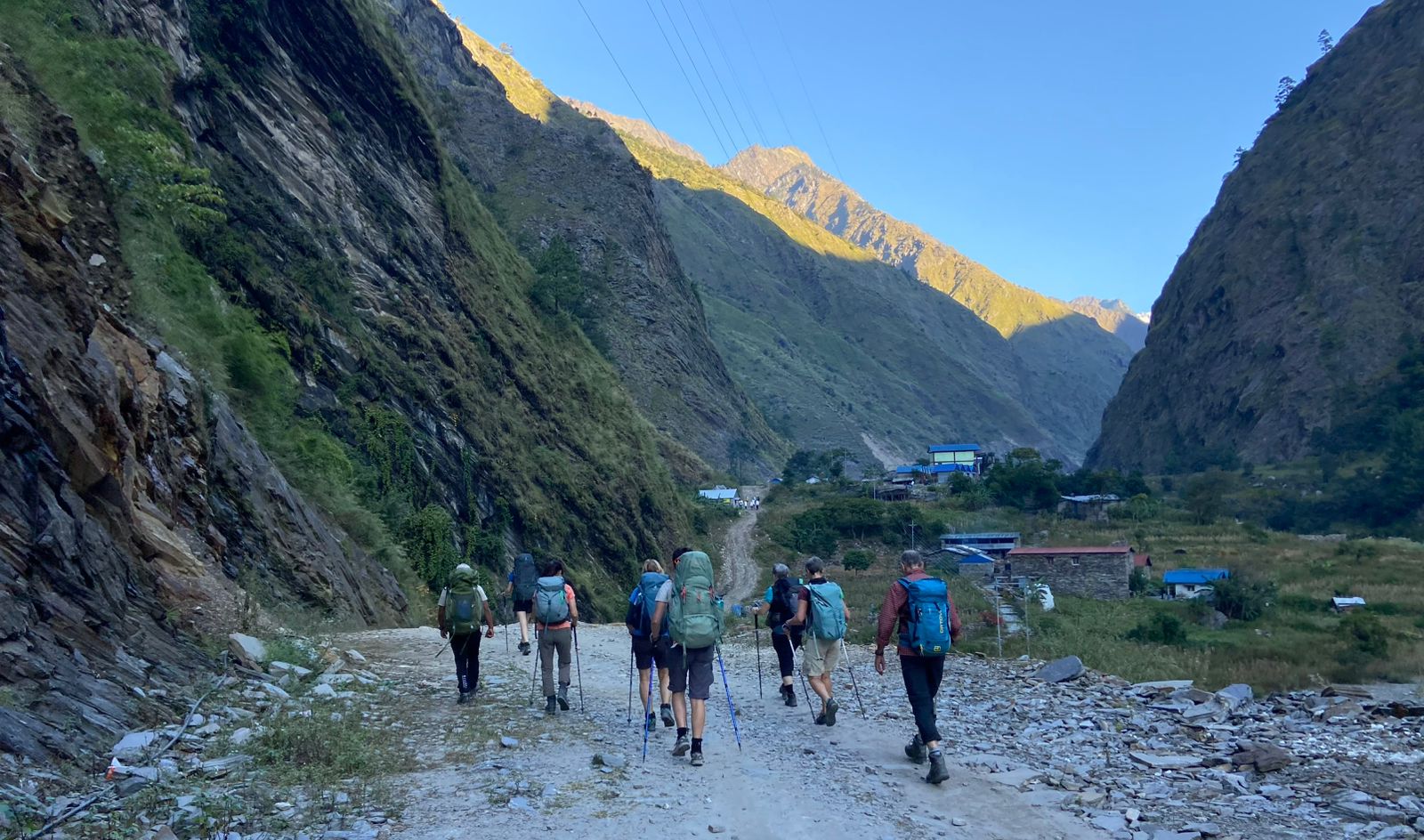
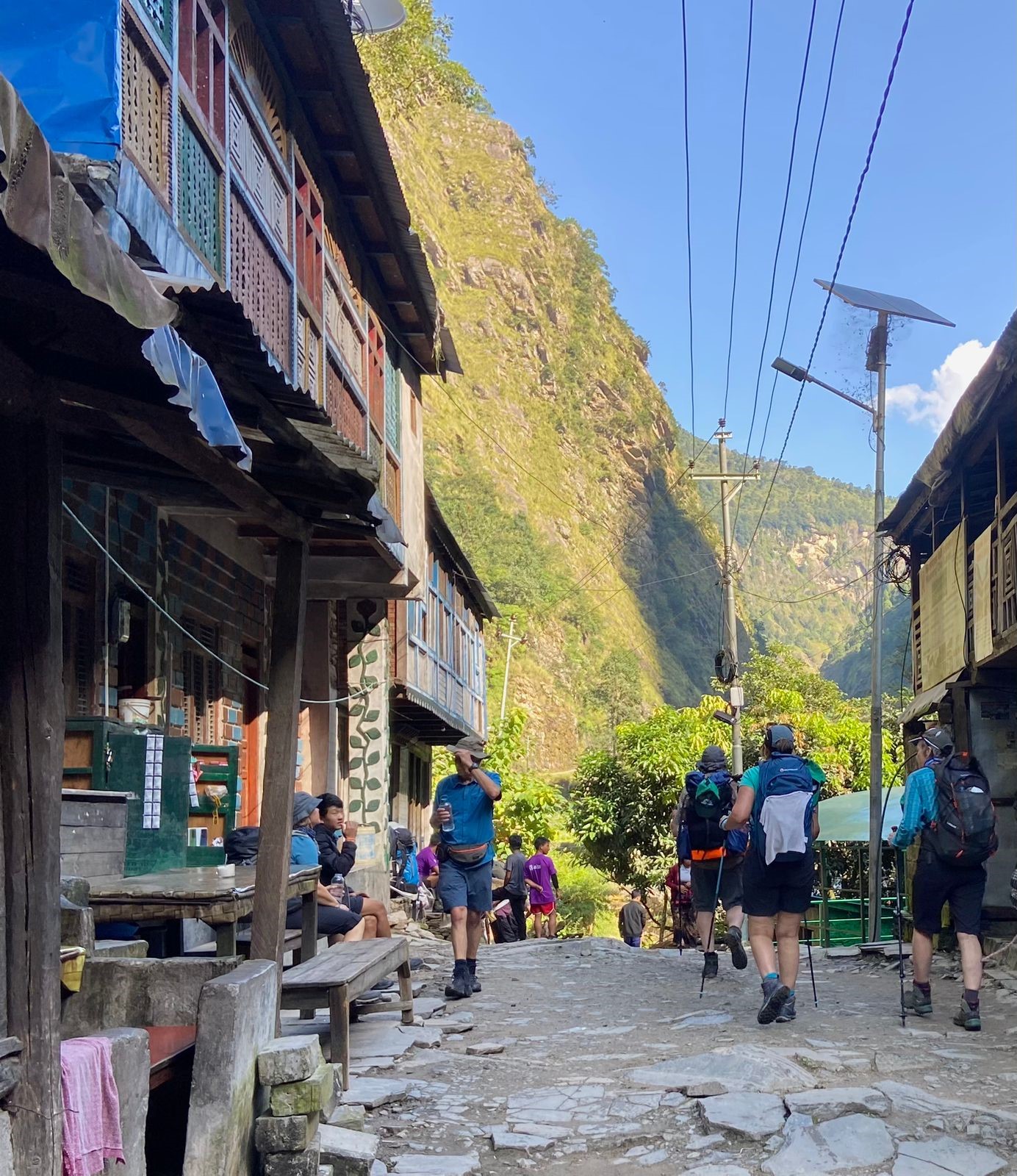
Today marks the beginning of your trek as you embark on a 5 to 6-hour journey to Jagat. The trail presents a series of steep ascents and descents through lush forested hills. As you trek, you will cross suspension bridges, navigate rocky paths, and follow the Budhi Gandaki River through narrow gorges. Upon reaching Jagat, you’ll encounter a charming stone-paved village adorned with Tibetan-style homes and mani walls. Jagat serves as the entry checkpoint for the Manasalu Conservation Area, so be prepared for a permit check.
Your trek begins with a climb from Jagat to Salleri and Sirdibas. You’ll cross a suspension bridge in Phlim and traverse through serene pine and bamboo forests. As you take the right trail toward the Tsum Valley region, you will notice a shift from predominantly Hindu areas to a more Tibetan Buddhist landscape. After five hours of trekking, you will arrive at Lokpa, which offers a first glimpse into the hidden valley. Enjoy the tranquillity of this isolated village and have a peaceful night here.
Today, you will descend to the Lungwa Khola and then tackle a steep climb through Ripchet to reach Chumling. The trail leads you through beautiful pine and rhododendron forests, crossing Lunguwa Khola on the way. As you arrive at Chumling, the first major village in the Tsum Valley, be sure to explore the historic Chumling Monastery (gompa), which houses ancient Tibetan scriptures and traditional mani walls. The village is characterised by stone houses with flat roofs used for drying grain.
Today’s trek features a gradual climb through dramatic landscapes alongside the Syar Khola, leading you to Nile village. En route, you’ll pass numerous mani walls and chortens adorned with painted stones. Don’t miss a visit to Milarepa Cave, associated with the famous Tibetan yogi Milarepa, believed to have served as a meditation site in the 11th century. After trekking for 5 to 6 hours, you’ll reach Nile, one of the last permanent settlements in the upper Tsum Valley, where a few homestays are available.
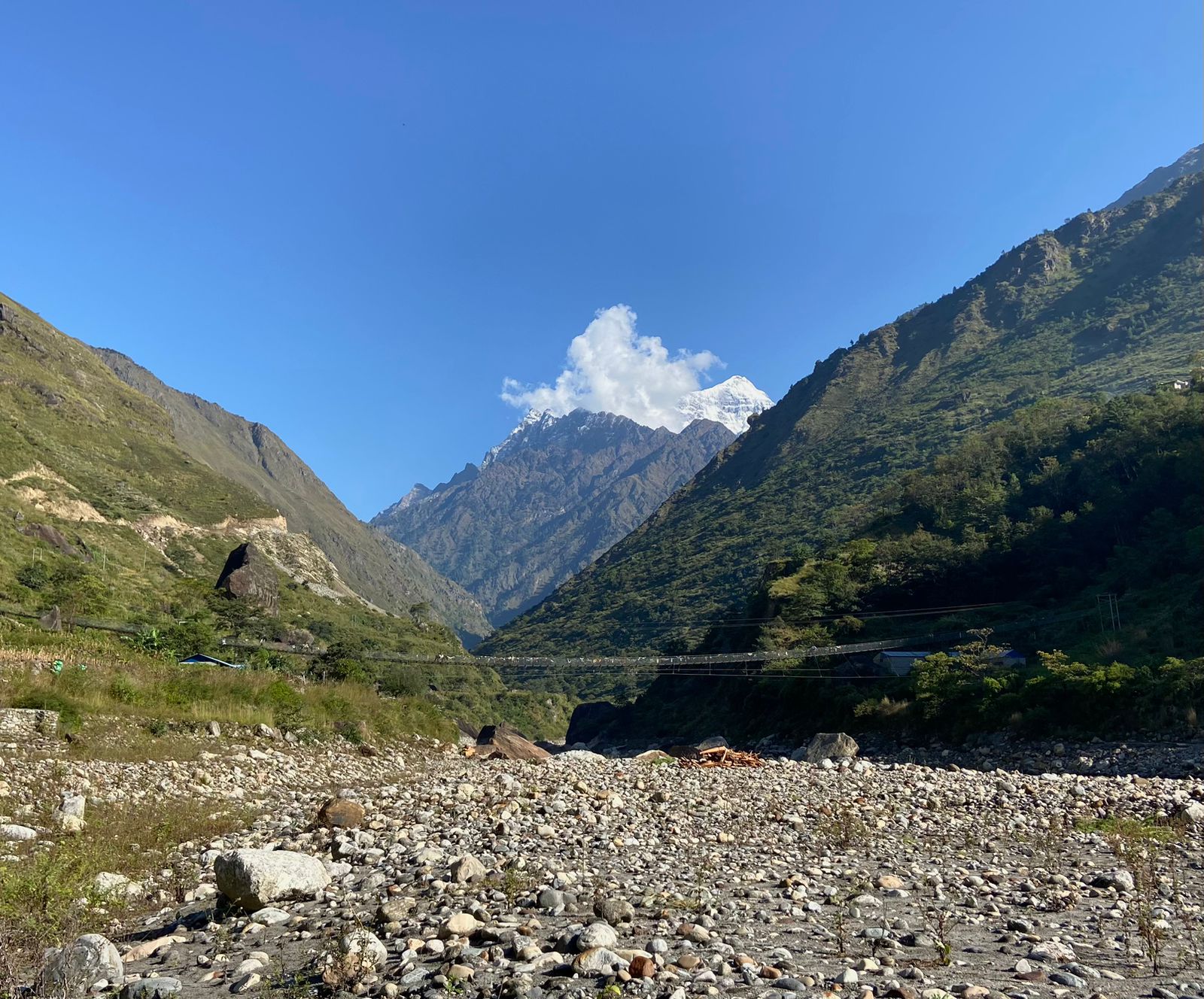
On this day, you’ll undertake a final ascent to Mu Gompa, the highest point of your trek. The trail offers challenging, dry terrain with magnificent views of Ganesh Himal and the Tibetan plateaus. Take time to explore Mu Gompa, a spiritual highlight perched on a rocky ridge, founded in the 19th century. You might also consider a hike to the nearby Dhephu Doma Nunnery. As this is the highest sleeping point of the trek, you may experience shortness of breath or headaches, so be sure to hydrate frequently, avoid heavy meals, and refrain from alcohol.
From Mu Gompa, you’ll retrace your steps back to Chumling. This descent, which takes approximately 6 hours, allows you to enjoy scenic views of the trail and take better photographs of the sacred monuments you might have missed on your ascent. As you navigate through the fields and homes of locals, you’ll have the chance to interact with the Tsumbas about their traditions and Buddhist practices. Returning to lower elevations means you’ll find yourself in oxygen-rich air, with more choices available for meals and possibly even showers after your trek. Or the Everest region.
On Day 10, you’ll set off from Chumling and make your way to Philim. Your trek begins with a descent to Lokpa, where you’ll rejoin the Manaslu Circuit. Continuing, you’ll descend further until you reach Philim, a culturally diverse village known for its comfortable lodging. Along the trail, you can savour the warmer climate and enjoy the lush river valley scenery, complete with stunning waterfalls. Upon arriving in Philim, you’ll notice a transition back to green forests, bamboo groves, and thriving farmlands. This village is home to a well-known school funded by Japan, a Buddhist learning centre, and a small museum. In Philim, you’ll find plenty of delicious food options and improved accommodation.
Day 11 marks your final trekking day as you retrace your steps through Jagat, Yaruphant, and Khorla Besi, heading towards Machha Khola. Along the way, you’ll cross several suspension bridges and enjoy a gentle descent through beautiful riverside farmlands. While the trail features fewer uphill sections, most of your journey will be downhill. Be sure to take in the last views of the Budhi Gandaki gorge and the breathtaking riverside cliffs. If you’re up for it, consider stopping by the Tatopani hot springs to soothe those tired muscles.
On Day 12, you’ll start bright and early for a long drive back to Kathmandu. The journey begins with a bumpy ride until you reach Dhading, after which the roads smooth out. Expect a few stops along the way for lunch and snacks, providing perfect opportunities to capture photos of the vibrant forests and stunning landscapes. Once you arrive in Kathmandu, you can unwind at your hotel or treat yourself to a massage or sauna in Thamel. Don’t forget to explore the area for some souvenir shopping before your last evening, which will feature a farewell dinner complete with a cultural show and local delicacies
On your final day, depending on your flight schedule, our representative will come to your hotel to assist with checkout and take you to Tribhuvan International Airport. You’ll depart with a heart full of unforgettable memories of the sacred Tsum Valley. As a keepsake, consider picking up handicrafts such as prayer flags, pashmina, yak wool scarves, and Thangka paintings. If you wish, you can also extend your trip to explore Pokhara, Chitwan, Lumbini, or even the Everest region.
Modify itinerary, accommodation, transportation, or activities according to your travel style and schedule.
The people of Tsum, known as Tsumbas, are of direct Tibetan descent. They speak a unique local dialect (Tsumke) and practice a distinct blend of ancient Bon and Tibetan Buddhist traditions. The trail begins in the warm, subtropical forests of Machha Khola, ascending through dense stands of rhododendron, pine, and blue oak before opening into wide alpine pastures.
The Tsum Valley Trek is classified as Moderate. Because this standalone itinerary does not cross any high-altitude glacial passes (unlike the nearby Larkya La on the Manaslu Circuit), it is less physically punishing on the knees and lungs. However, the vertical climbs through rugged river canyons and steep stone steps present a genuine physical challenge.
You do not need mountaineering experience, but you must be comfortable walking 5 to 7 hours per day over uneven, rocky terrain. We highly recommend starting a cardiovascular training routine (running, swimming, cycling, or stair climbing) 3 times a week at least a month before your departure date.
3,700 meters (12,139 feet) at Mu Gompa on Day 8. Keeping the entire trek under the 4,000-meter threshold drastically reduces the risk of severe Acute Mountain Sickness (AMS), though gradual acclimatization remains vital.
Approximately 110 kilometers were covered on foot.
Daily Walking Hours: 4-7 hours per day, depending on elevation gain and trail conditions.
Our 13-day itinerary is purposefully built around a progressive, staged ascent to let your body adapt naturally to the thinning air. If a trekker experiences severe weather or a sudden illness, the primary escape route follows the main valley path down through Lokpa back to Philim, where emergency mountain jeep transport can be arranged quickly to reach regional medical hubs.
Getting to the remote Budhi Gandaki valley is an adventure in itself. Our package relies entirely on rugged, private overland logistics:
Kathmandu to Machha Khola (Days 2 & 12): We avoid slow, overcrowded public buses by chartering private 4WD Scorpio or Toyota Hilux Jeeps. The 160 km route is fully blacktopped and smooth from Kathmandu until Salyantar. The final 32 km section from Arughat to Machha Khola transforms into a rough, dusty, unpaved off-road track.
Road Extensions Disclaimer: While recent military road extensions allow vehicle tracks to push toward Jagat under perfect weather, these dirt tracks are highly prone to sudden rockfalls and washouts. To guarantee trip pacing and physical safety, our official foot journey firmly begins and ends at Machha Khola.
Tsum Valley is a protected cultural zone, meaning large commercial hotels do not exist here. Instead, you will sleep in authentic, family-run Himalayan teahouses:
The Rooms: Bedrooms are basic, clean, and unheated. They feature twin single wooden beds equipped with a foam mattress, a pillow, and a thick local blanket. Walls are constructed of thin timber plywood panels; bringing a set of earplugs is highly recommended.
The Dining Hall: The central dining hall acts as the warm, social heart of the lodge. It is the only room in the teahouse that is actively heated via a central iron stove fueled by wood or fire briquettes.
Bathroom & Shower Facilities: Bathrooms are communal and range from Western sit-down styles in lower villages to traditional squat toilets at higher elevations. Hot showers (gas-geyser or solar-powered) are available down in Machha Khola and Jagat, but past Chumling, hot water is provided exclusively via a paid bucket of boiled water.
A standalone journey through the Tsum Valley requires three distinct legal documents, all of which are managed, paid for, and secured by Trek Curator on your behalf:
Tsum Valley Restricted Area Permit (RAP):
Manaslu Conservation Area Project (MCAP) Permit: A flat fee of NPR 3,000 (~USD 23) is required to enter the regional nature sanctuary. These entry fees are managed by the National Trust for Nature Conservation (NTNC) and are used directly to fund local biodiversity monitoring, trail maintenance, and community development within the region.
To file your application through the government's digital immigration portal, our booking desk requires you to send the following items via email at least 15 days before your departure:
Passport Scan: A clear, high-resolution color copy of your passport information page (must be valid for at least 6 months beyond your trek dates).
Nepal Tourist Visa: A digital photo or scan of your entry visa page (can be sent immediately after you obtain it on arrival at Kathmandu airport).
Passport Photos: Two recent digital passport-sized profile pictures against a clean background.
Travel Insurance Policy: A digital copy of your policy explicitly stating coverage for high-altitude wilderness evacuation up to 6,000 meters. Note: The Department of Immigration will reject RAP applications if valid insurance confirmation is missing.
The Government of Nepal categorizes Tsum Valley as a regulated border zone bordering Tibet. While independent trekking without a guide remains illegal, individual solo travelers are now fully permitted to obtain a single Restricted Area Permit (RAP). You no longer need to travel with a second companion or buy an imaginary permit; however, you must legally hire a licensed local guide and register your journey through a government-authorized Nepalese trekking agency to clear the checkpoints.
Cash is King: There are absolutely no operational banking facilities or ATMs past the town of Soti Khola / Machha Khola. You must withdraw all necessary cash in Nepalese Rupees (NPR) at ATMs in central Kathmandu on Day 1. Credit cards are not accepted on the trail.
Connectivity & Power: Cellular coverage (Ncell/Nepal Telecom) drops out entirely past Chumling. Some teahouses offer satellite Wi-Fi access for a nominal fee ($3–$5 USD). Electricity for charging power banks and cameras is available via local solar hubs, also for a small fee at higher altitudes.
Water Safety: Never drink untreated tap or stream water. We strictly discourage the purchase of single-use plastic water bottles to protect the local environment. Bring a reusable metal bottle or bladder and treat all water with chlorine dioxide drops, water purification tablets, or a high-quality UV filter
To process your restricted area permits through the government's digital portal, our operations desk requires a 20% deposit, a digital copy of your passport info page, and your flight details. Connect directly with our team to lock in your dates.
Chat via WhatsApp: +977-9851318186
Email Our Expert Booking Desk: info@trekcurator.com

Essential gear for comfort, warmth, and safe trekking at altitude.
Yes, absolutely. Under the updated regulations, even if you travel individually, you will always be accompanied by a certified, licensed guide hired through our agency. The cultural values of the Tsumba people are deeply rooted in Buddhist principles of non-violence and hospitality, making it one of the safest and most respectful environments in the world for solo travelers.
Expect simple, clean, family-run Himalayan lodges. The rooms are unheated and typically feature two single wooden beds with mattresses, pillows, and clean blankets. Bathrooms are shared, and hot showers are available in lower villages via solar power or gas geysers for a small fee.
The government treats this region as a sensitive border zone near Tibet and uses permit frameworks to manage visitor numbers sustainably. The fees directly support local infrastructure maintenance, cultural heritage preservation, and environmental protection of the Manaslu Conservation Area.
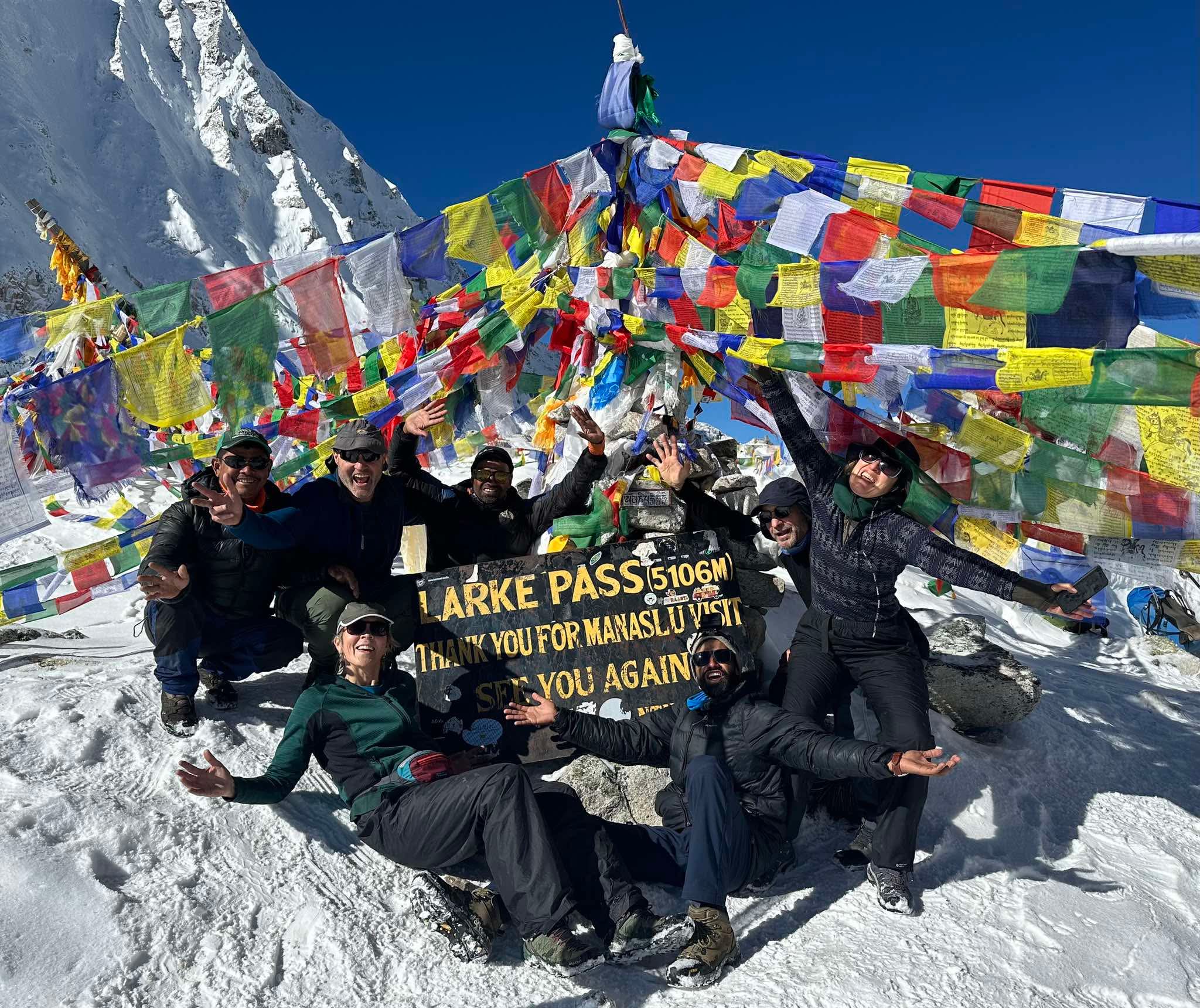
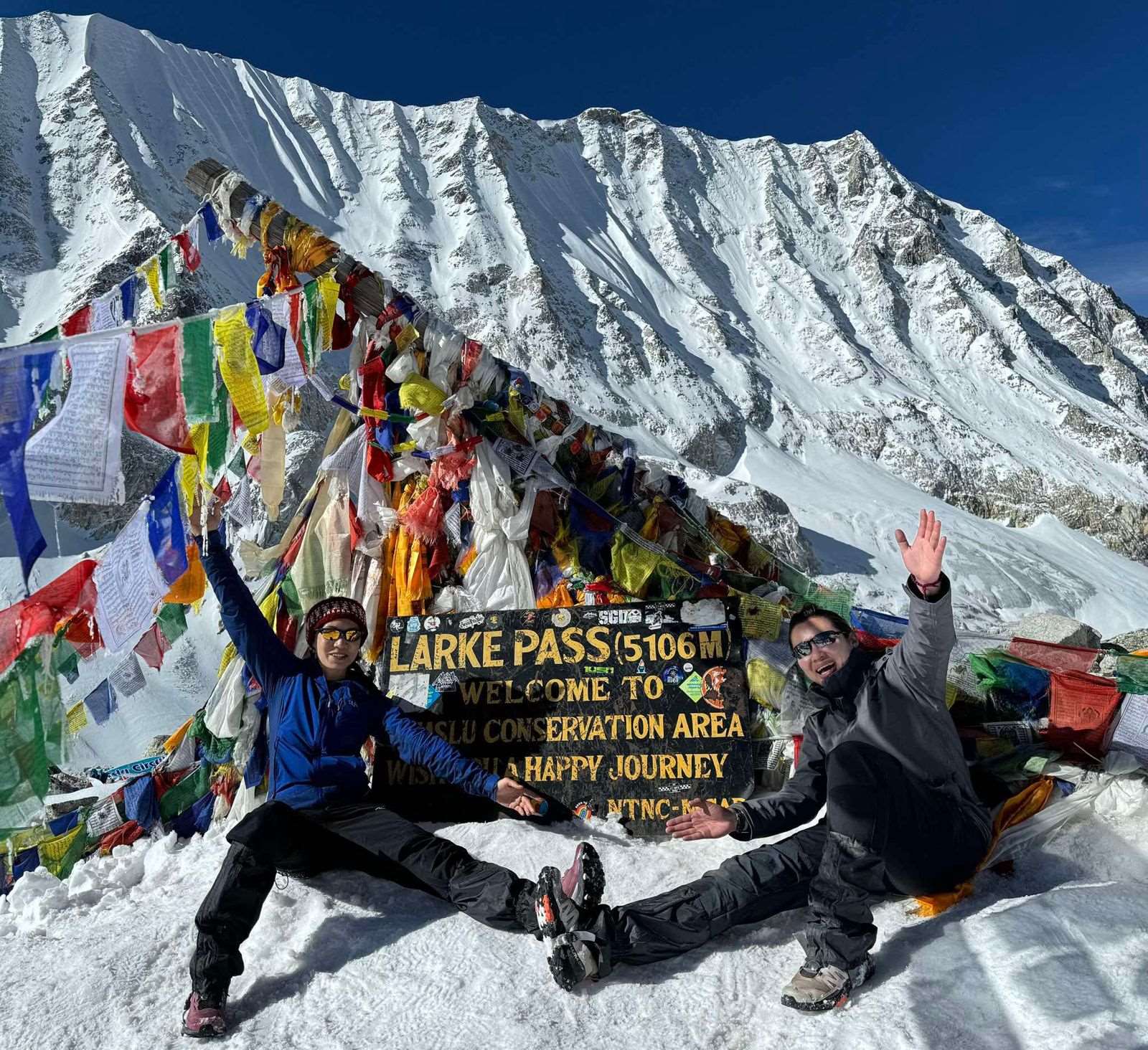
Yes. If you have an extra 7 to 9 days, this package can naturally be extended to rejoin the main trail past Philim, climb over the challenging Larkya La Pass (5,160m), and exit through Dharapani. Note: Combining the routes requires adding the Annapurna Conservation Area Project (ACAP) entry permit to your package, as the exit trail falls into the Annapurna region. Contact our booking desk directly to customize a longer 20-to-22-day itinerary.
Verified guest feedback collected from Tripadvisor and Google Reviews.