Lower Dolpo Trek - 15 Days

Destination
Destinations
Duration
15 Days
Trip Grade
Challenging
Challenging

A "challenging" trip grade indicates a demanding, high-altitude adventure (often 5,000–6,000+ meters) designed for experienced adventurers with excellent fitness.

Trip Overview

Lower Dolpo Trek at a Glance

  • Duration: 14–18 Days (Kathmandu to Kathmandu)
  • Maximum Altitude: Numa La Pass (5,309 m) & Baga La Pass (5,169 m)
  • Trek Difficulty: Strenuous (High Altitude, Pass Crossings)
  • Best Season: Spring (April–May), Autumn (Sept–Nov) & Summer/Monsoon (June–Aug - Rain Shadow)
  • Permits Required: Lower Dolpo Restricted Area Permit ($20 USD/week) + Shey Phoksundo National Park Permit ($30 USD)
  • Accommodation: Teahouses & Homestays (with optional camping in remote stretches)
  • Starts/Ends: Juphal (via flight from Nepalgunj)
  • Price Range: $1,850 – $2,650 USD per person (depending on group size and flight logistics)


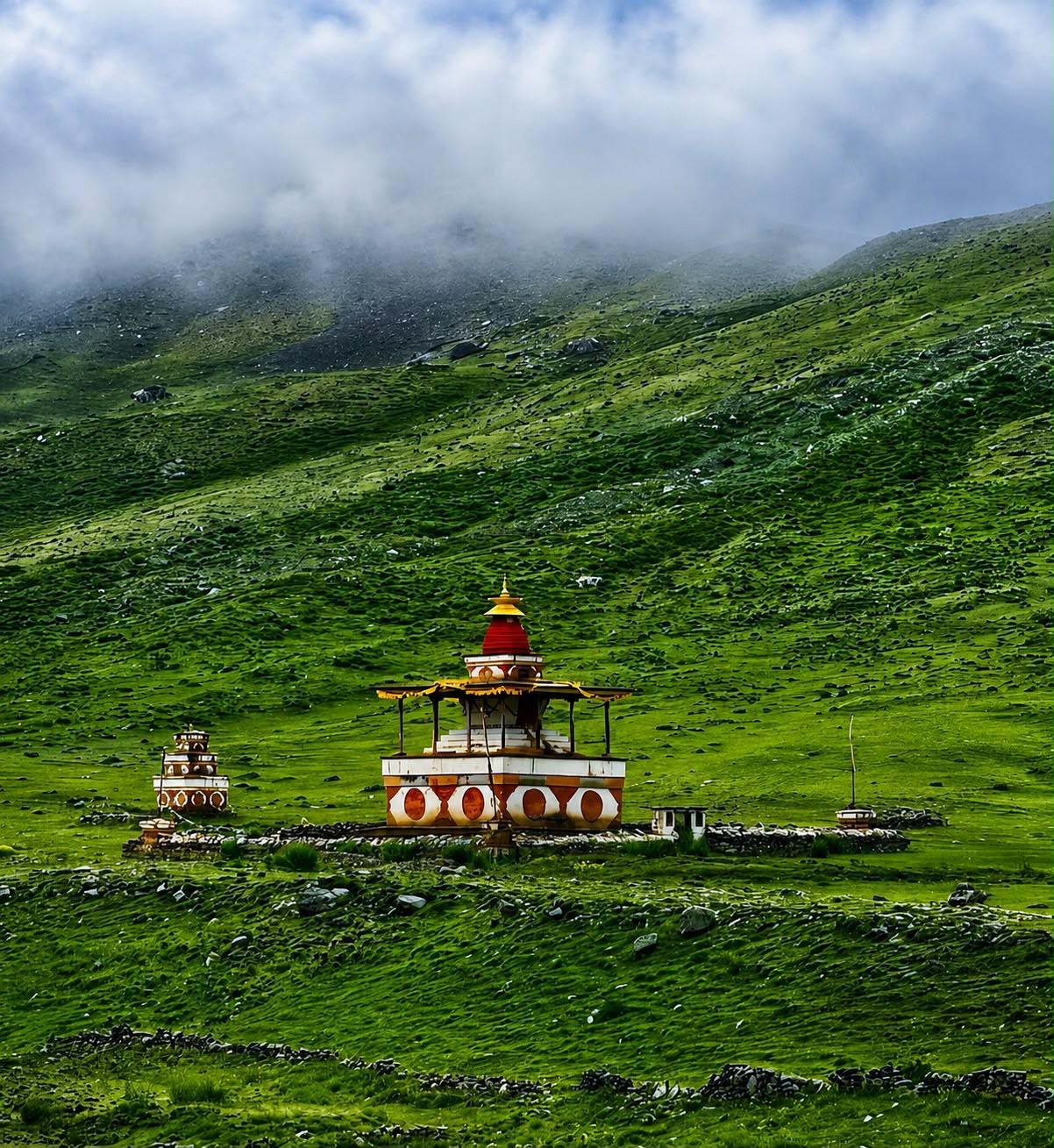
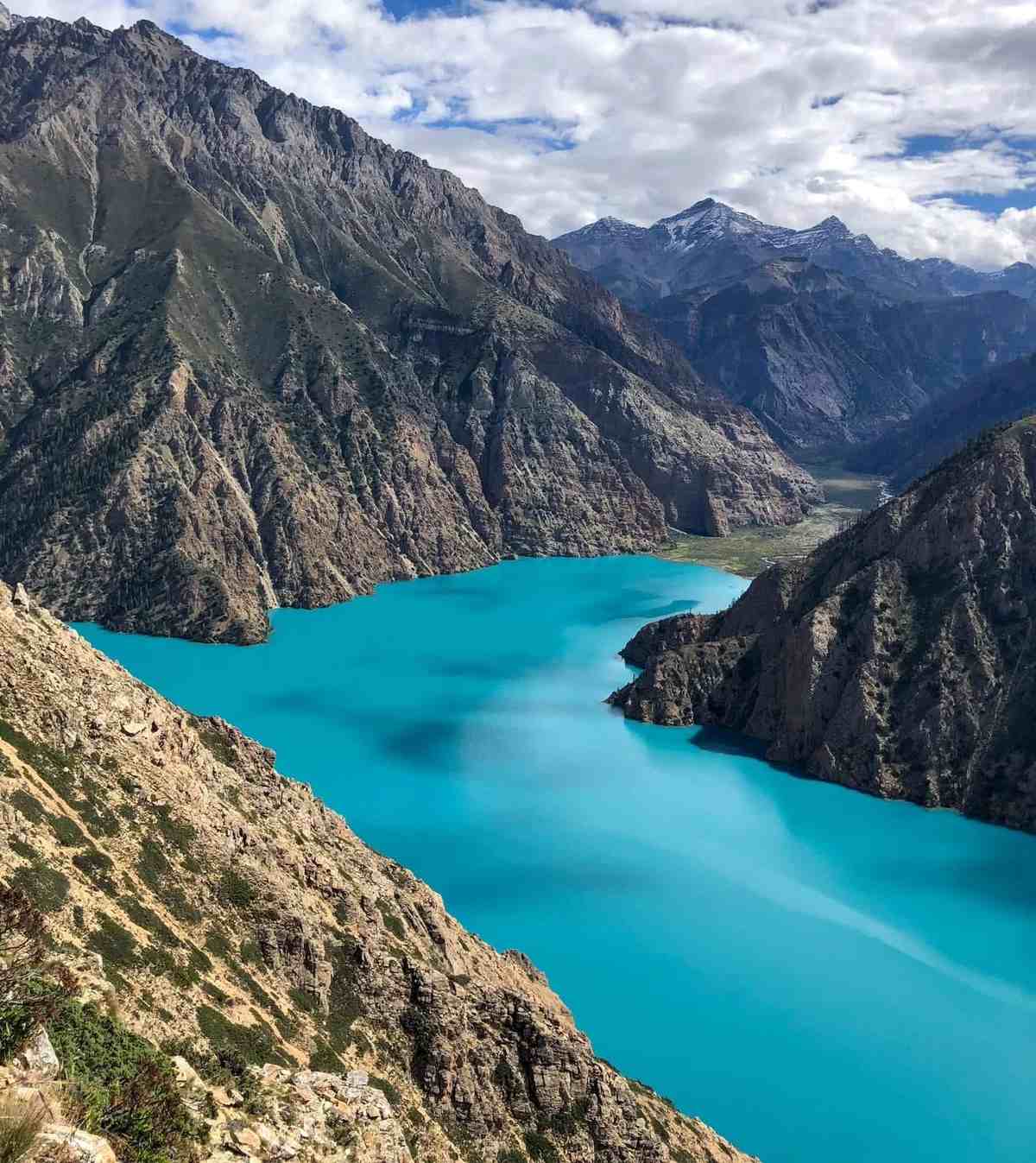
Hidden behind the rain-shadow of the Dhaulagiri massif lies a land untouched by modern times. The Lower Dolpo Trek is a journey into the soul of ancient Nepal. Here, turquoise alpine lakes like Shey Phoksundo slice through stark, high-altitude deserts, and medieval villages still practice Bon Po—a shamanistic religion pre-dating Tibetan Buddhism.

Unlike crowded routes in Everest or Annapurna, trekking in Lower Dolpo offers true solitude. You will traverse deep river gorges, cross two high mountain passes over 5,000 meters, and experience the warm hospitality of ancient mountain communities. At Trek Curator, we design fully supported, safety-first Lower Dolpo expeditions tailored to adventurers seeking raw Himalayan wilderness.


Route Overview

Your journey begins with a scenic flight from Kathmandu to Nepalgunj, followed by a mountain landing at Juphal airstrip (2,475 m). From Juphal, the trail follows the rushing waters of the Thuli Bheri River toward Dunai before heading east into the fortress valleys of Tarakot.

You will trek through dramatic river canyons up to the high, arid valley of Dho Tarap (4,090 m). Continuing across alpine terrain, the route tackles Numa La Pass (5,309 m) and Baga La Pass (5,169 m), descending to the cobalt-blue waters of Shey Phoksundo Lake (3,611 m) and Ringmo Village before completing the circuit back to Juphal.

Route Sequence: Kathmandu ➔ Nepalgunj ➔ Juphal ➔ Dunai ➔ Tarakot ➔ Dho Tarap ➔ Numa La Pass ➔ Baga La Pass ➔ Shey Phoksundo Lake / Ringmo ➔ Dunai ➔ Juphal


Lower Dolpo Trek Highlights

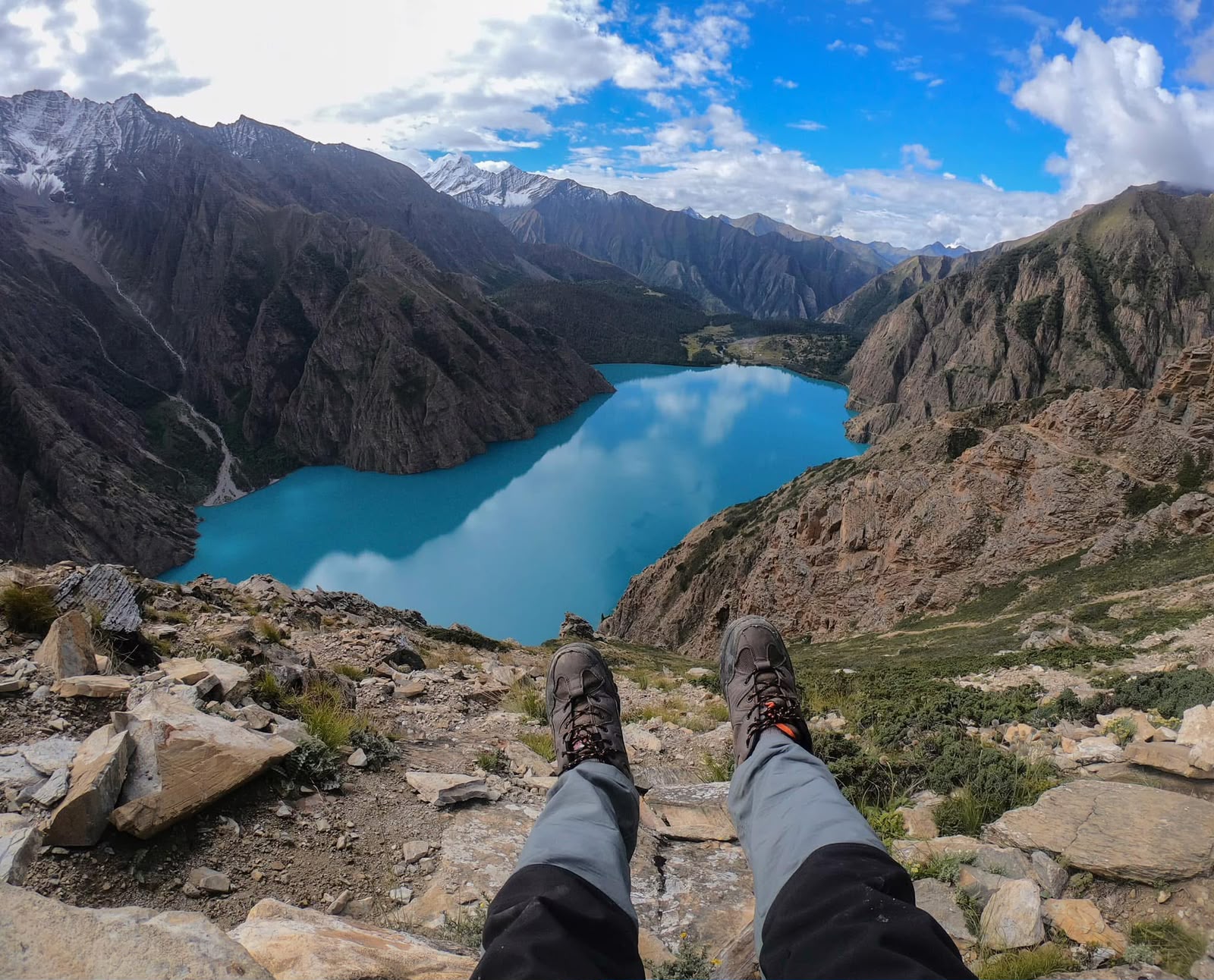
  • Shey Phoksundo Lake: Stand on the shores of Nepal’s deepest and most breathtaking alpine lake (3,611 m).
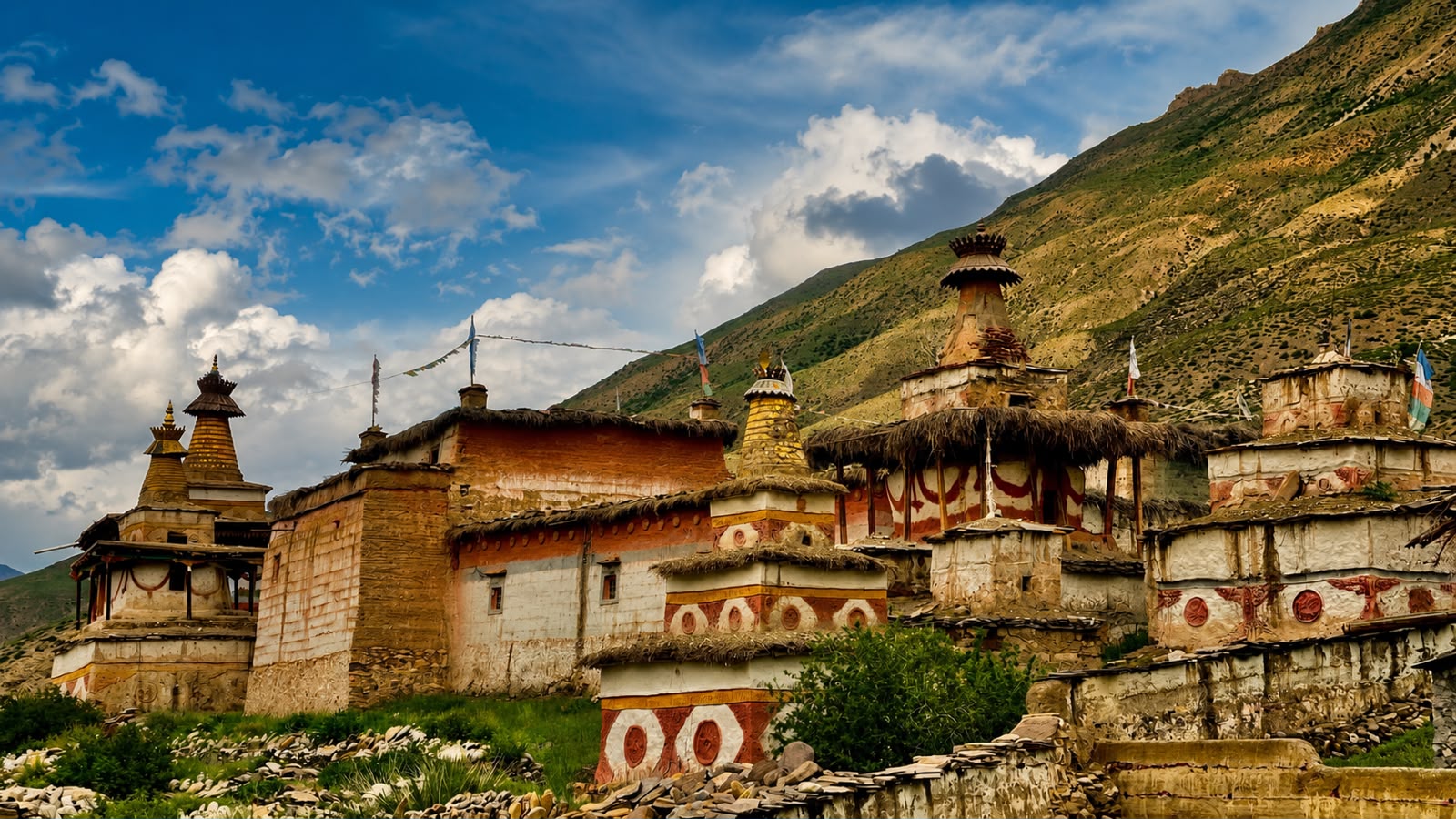
  • Ancient Bon & Buddhist Culture: Visit centuries-old monasteries like Ringmo’s Bon Monastery and Taron Gompa.
  • High Mountain Passes: Conquer Numa La Pass (5,309 m) and Baga La Pass (5,169 m) for sweeping panoramas of Dhaulagiri and the Tibetan Plateau.
  • Dho Tarap Valley: Walk through one of the highest human settlements on Earth, rich in Tibetan trade heritage.
  • Rain-Shadow Advantage: Trek during peak summer months (June to August) when most of Nepal is covered by monsoon rains


Why Choose Trek Curator

  • Local Expert Guides: Native Dolpo and Himalayan guides with extensive training in high-altitude wilderness medicine.
  • Seamless Logistics: Handled end-to-end permits, flights, emergency communications, and logistics.
  • Fair Pay & Sustainability: Ethical treatment, insurance, and top-tier mountain gear for our local porters and support staff.
  • Tailored Small Groups: We limit private group sizes to ensure safety, cultural integrity, and personal attention.

Day-by-day itinerary

Expand All

Welcome to Nepal! Upon arrival at Tribhuvan International Airport, your driver transfers you to your hotel. Meet your lead guide in the evening for a pre-trek brief and welcome dinner. Overnight in Kathmandu.

Take a 50-minute afternoon flight south to Nepalgunj near the Indian border. Transition from cool mountain valley air to warm lowlands. Overnight in Nepalgunj hotel.

Walking Time: 3 hours | Distance: 10 km

Catch an early morning flight landing at Juphal’s mountain airstrip. Meet your local porter team, organize gear, and start trekking downhill along terraced fields and pine forests toward Dunai, the administrative center of Dolpa. Overnight at a teahouse.

Walking Time: 5–6 hours | Distance: 15 km

Follow the bank of the Thuli Bheri River, crossing suspension bridges and passing small fortress villages. Reach Tarakot, an ancient trade post once known for collecting border tolls. Overnight at Teahouse/Lodge.

Walking Time: 6 hours | Distance: 14 km

Ascend along the Tarap Chu River gorge. The trail climbs through steep canyon sections, traversing carved rock ledges and crossing wooden bridges over surging waterfalls. Overnight at Teahouse/Camp.

Walking Time: 6–7 hours | Distance: 16 km

Trek upward as the river valley opens into wide Tibetan plateau landscapes. Pass through Nawarpani and enter the wide, sunlit Dho Tarap valley, one of the world's highest human settlements. Overnight at Teahouse/Homestay.

Spend a dedicated acclimatization day exploring ancient Bon and Buddhist monasteries, interacting with local villagers, and observing local trade traditions. Overnight at Teahouse/Homestay.

Walking Time: 5–6 hours | Distance: 12 km

Leave Dho Tarap behind and cross high alpine meadows, ascending toward the foot of Numa La Pass. Pass through high pastures as the terrain becomes windswept alpine scree. Overnight at High Camp (Tents).

Walking Time: 7–8 hours | Distance: 14 km

An early start for the highest point of the trek. Hike up steep paths to the top of Numa La Pass (5,309 m). Take in views of Dhaulagiri and distant Tibetan peaks before descending to Pelung Tang. Overnight at High Camp (Tents).

Walking Time: 7–8 hours | Distance: 16 km

Climb steadily up the second 5,000-meter pass: Baga La (5,169 m). Reach the prayer-flag-adorned crest before descending into pine and juniper forests surrounding the stunning blue Shey Phoksundo Lake. Overnight at Teahouse in Ringmo.

Walk along the shores of Shey Phoksundo Lake, famous for its turquoise waters framed by sheer rock cliffs. Hike up to the local Bon Monastery (Pal Tshe Ring Gompa) perched above the lake to observe centuries-old rituals. Overnight at Teahouse.

Walking Time: 6–7 hours | Distance: 18 km

Begin the descent through deep forests and river gorges along the Phoksundo River stream, passing waterfalls and small hamlets down to Chepka. Overnight at Teahouse.

Walking Time: 6 hours | Distance: 16 km

Follow the familiar river trail back toward Dunai and complete a short climb back up to Juphal airstrip village. Celebrate the final night of the trek with your mountain team. Overnight at Lodge.

Catch an early morning flight back to Nepalgunj, connecting to your flight to Kathmandu. Transfer to your hotel for rest and celebration. Overnight in Kathmandu.

Enjoy your final breakfast in Kathmandu. Depending on your flight schedule, our representative will transfer you to Tribhuvan International Airport (TIA) approximately 3 hours prior to your international departure. Safe travels home!

Flexible Adventure Planning

Customize Your Dream Trip

Modify itinerary, accommodation, transportation, or activities according to your travel style and schedule.

Additional Information

Culture, Landscape, Flora & Fauna

Lower Dolpo is a biological and cultural sanctuary. Culturally, it is deeply connected to Tibet. Residents speak local dialects of Tibetan and follow a blend of Vajrayana Buddhism and ancient Bon religion. Landscapes shift dramatically from lush pine and oak forests in the lower valleys to barren, red-brown Tibetan plateau landscapes at higher elevations.

The region sits inside Shey Phoksundo National Park, home to rare wildlife including the elusive Snow Leopard, Blue Sheep (Bharal), Himalayan Musk Deer, and Tibetan Wolf. In spring and summer, alpine meadows burst into bloom with rare medicinal herbs, including Yarsagumba (caterpillar fungus).


Lower Dolpo Trek Difficulty Level

The Lower Dolpo Trek is rated Strenuous / Challenging. It requires high endurance, the ability to walk comfortably over steep scree and rocky tracks, and strong physical preparation. Traversing two passes above 5,000 meters demands mental resilience and proper acclimatisation.


Required Fitness & Preparation

You should start cardiovascular conditioning (running, cycling, swimming, stair climbing) at least 8 to 12 weeks before departure. Focus on leg strength, core stability, and back endurance by hiking with a loaded backpack (8 to 12 kg).


Best Season, Weather & Temperature for Lower Dolpo Trek

Season Months Avg Day Temp Avg Night Temp Conditions
Spring April – May 10°C to 18°C -5°C to 2°C Clear skies, blooming wildflowers, ideal pass conditions
Summer/Monsoon June – August 12°C to 20°C 0°C to 6°C Dry in rain-shadow, lush landscapes; flight delays possible
Autumn Sept – Nov 8°C to 15°C -10°C to -2°C Crystal clear mountain views, stable high-altitude weather
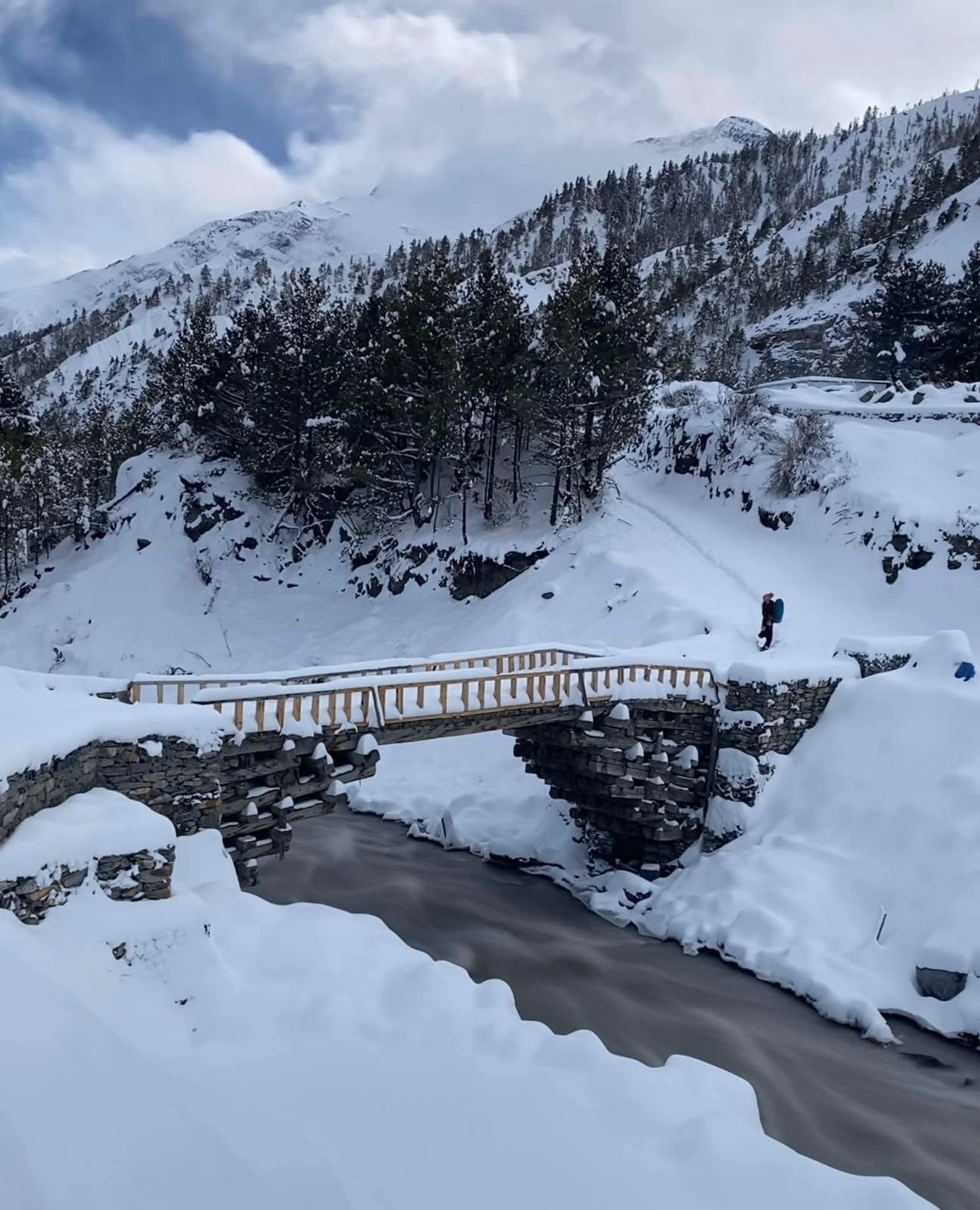
Winter Dec – March 0°C to 8°C -18°C to -8°C Heavy snow closes high passes; not recommended


Maximum Altitude

The maximum altitude reached on this trek is Numa La Pass at 5,309 meters (17,418 feet), followed closely by Baga La Pass at 5,169 meters (16,958 feet).


Acclimatization

Our 14-day itinerary incorporates built-in rest and acclimatization days at Dho Tarap (4,090 m) and Shey Phoksundo Lake (3,611 m). Following the gold standard rule of "Climb high, sleep low", we ensure your body adapts naturally to decreased oxygen levels before tackling the 5,000m+ passes.


Alternative / Escape Routes

In the event of severe weather or severe altitude sickness, escape routes are maintained via the lower Thuli Bheri river valley back to Dunai and Juphal. Emergency satellite communication is carried on every expedition for real-time weather updates and helicopter support coordinate tracking.


Permits & Logistics

Permit Type Cost Where Issued
Lower Dolpo Restricted Area Permit (RAP) $20 USD / week per person Department of Immigration, Kathmandu (via agency)
Shey Phoksundo National Park Permit Approx. $30 USD (NPR 3,000) Kathmandu / Park Entry Gate
TIMS Card Waived for RAP areas (subject to local updates) TAAN / Nepal Tourism Board

Important Regulation Notice: Lower Dolpo is a restricted area. Individual trekkers cannot apply for permits independently; they must be arranged through a licensed Nepalese trekking agency like Trek Curator.


Transportation

Logistics in Dolpo require precise planning. The journey involves a domestic flight from Kathmandu to Nepalgunj, an overnight stay, and an early morning flight to Juphal airstrip. Because Juphal is a short high-altitude runway, flights are subject to early morning weather windows.


Accommodation

Lower Dolpo is rapidly evolving. Basic teahouses and local homestays are now available along key sections of the lower route (Dunai, Ringmo, Dho Tarap). However, during pass crossings (around Numa La and Baga La base camps), fully supported wilderness camping or basic seasonal shelters are utilized.


Food, Water & Meals

Meals in teahouses consist of hearty Himalayan staples: Dal Bhat (rice, lentil soup, and vegetable curry), Tibetan bread, porridge, tsampa, noodles, and potato dishes. Safe drinking water is managed using filtration devices, UV purifiers, or boiled water—we strictly discourage buying single-use plastic bottles in sensitive ecosystems.

Facilities on the Trail

Facilities are primitive compared to Everest or Annapurna. Charging and Western-style toilets are rare outside major villages. Expect basic pit or drop toilets in high camps and limited solar power options.


Communication, Internet & Electricity

Cellular networks (Ncell/NTC) work intermittently in lower towns like Dunai and Juphal. Higher up, connectivity is minimal to non-existent. Trek Curator provides satellite messaging capability and solar charging options for emergency communications.


Guide & Porter

Government regulations state that all restricted-area trekking in Dolpo must be accompanied by a licensed guide. Our porters carry up to 15 kg of gear per trekker, letting you walk with a lightweight daypack.


Independent vs Guided Trek

Independent solo trekking without a guide is illegal in Lower Dolpo due to restricted area status. You must trek with a licensed guide registered through an authorised Nepal agency.


Lower Dolpo Trek Solo Trekking

Solo travelers can easily undertake this trek! Under updated regulations, single trekkers can obtain Lower Dolpo Restricted Area Permits as long as they are accompanied by a licensed Trek Curator guide.


Altitude Sickness

Acute Mountain Sickness (AMS) is a real consideration when crossing passes higher than 5,000 meters. Symptoms include headaches, dizziness, loss of appetite, and nausea.

ALTITUDE SAFETY PROTOCOL:

  • Monitor Symptoms: Mild headache or fatigue? Hydrate, rest, and monitor closely.
  • Evaluate Severity: If symptoms persist or worsen after rest, do not ascend further.
  • Immediate Descent: Mandatory descent of 500m to 1,000m if symptoms become severe or indicate severe AMS/HAPE/HACE.

Our guides carry pulse oximeters to measure blood-oxygen saturation twice daily, supplemental medical oxygen cylinders, and comprehensive high-altitude first-aid kits.


Travel Insurance

Comprehensive travel insurance is mandatory. Your policy must specifically cover high-altitude trekking up to 5,500 meters and emergency helicopter rescue and medical evacuation.


Emergency, Evacuation & Safety Information

In the event of severe illness or injury, our team coordinates emergency satellite communications for immediate helicopter response out of Juphal or direct from high camps where terrain permits.


Trek Cost

Our standard 14-day fully supported Lower Dolpo Trek package ranges between $1,850 and $2,650 USD per person, depending on group size, accommodation upgrades in cities, and flight availability.


Daily Expenses

On the trail, personal expenses are minimal. Budget around $10 – $20 USD per day for snacks, warm showers (where available), hot water, and electronic device charging.


Personal Expenses

Covers alcoholic beverages, soft drinks, laundry, specialized gear rentals, and personal souvenirs in local villages.


Cash to Carry

There are no operational ATMs on the trail beyond Kathmandu and limited facilities in Nepalgunj/Dunai. Bring sufficient Nepalese Rupees (NPR) in cash from Kathmandu ($250 – $350 USD equivalent in local currency).


ATMs

No functioning foreign-card ATMs exist along the trekking trail past Nepalgunj.


Money Exchange

Exchange all foreign currency into Nepalese Rupees (NPR) in Kathmandu before flying to Nepalgunj.


Tipping

Tipping is a customary way to thank your hard-working guide and porter team. We recommend budgeting $150 – $200 USD total per trekker to be distributed among the crew at the end of the trek.


Booking Policy

A 20% advance deposit is required upon confirmation to secure permit authorizations, local flight seats, and guide logistics. The remaining balance can be settled upon arrival in Kathmandu prior to trek departure.


Arrival in Kathmandu

Upon landing at Tribhuvan International Airport (KTM), our representative will greet you at the terminal with a private vehicle and escort you to your hotel.


Departure Information

Following your trek return, we provide seamless transfers back to Kathmandu International Airport for your homeward flight.


Trek Options

We offer both scheduled group departures and customized private itineraries tailored to photographic, cultural, or extended pacing preferences.


Add-ons

Extended cultural tour of Kathmandu Valley (UNESCO World Heritage sites)
Chitwan National Park Safari extension post-trek


Airport Transfers

All international and domestic airport pickups and drops are fully included in our core package.


Responsible Trekking

We are committed to preserving Dolpo’s fragile culture and ecosystem. We practice Leave No Trace principles, hire local guides and porters from the Dolpa and Karnali regions, and support community-owned teahouses.


Environmental Practices

Zero single-use plastics policy: All drinking water is filtered or purified.
Packing out non-biodegradable waste from high-altitude campsites.
Minimizing firewood usage by utilizing gas or kerosene stove fuel for all group cooking.


A Typical Trekking Day

6:00 AM: Morning call with hot tea/coffee brought to your room or tent.
6:30 AM: Pack bags and enjoy a hearty breakfast.
7:30 AM: Hit the trail while conditions are clear and winds are light.
12:00 PM: Lunch stop at a local settlement or scenic trail point.
3:30 PM: Arrival at camp/teahouse; relax, refresh, and explore the village.
6:30 PM: Warm dinner served, followed by the daily safety briefing from your lead guide.


Trail Conditions

Trails range from wide river-valley paths to rocky, narrow cliffside trails, scree slopes, and high alpine snow sections over passes. Stable trekking boots with good ankle support are essential.


Water Safety

Never drink untreated tap or stream water. Use water treatment tablets, squeeze filters, or UV purifiers provided during your trek.


Toilets on the Trail

Facilities vary from flush toilets in low-altitude teahouses to simple wooden squat outhouses and outdoor toilet tents at high-altitude campsites.


Charging & Electricity

Solar charging is available at lower teahouses for a small fee ($2 – $5 USD). Bring a reliable power bank (20,000 mAh) to keep your phone and camera equipment powered throughout the remote segments.


Weather Challenges

High altitude winds, occasional early snowstorms on mountain passes, and mountain flight delays due to foggy conditions in Nepalgunj/Juphal are common realities. Our itineraries include contingency days to manage flight adjustments smoothly.


Gear Rental

High-quality down jackets, sleeping bags, and trekking poles can be rented easily in Kathmandu through Trek Curator at low daily rates.


Nepal Visa Information

Visas are easily obtained On-Arrival at Kathmandu Airport (TIA). Fees are approximately $50 USD for a 30-day tourist visa (payable in cash or card at the airport processing counter).


Pre-Trek Checklist

  • Valid passport with minimum 6 months' validity.
  • 4 passport-size photographs (for permits).
  • Travel insurance documentation confirming high-altitude and helicopter rescue coverage.
  • Flights to Kathmandu booked.


Photography Tips

  • Bring extra camera batteries; cold mountain temperatures drain battery life rapidly. Keep them warm inside your inner jacket pockets.
  • Always ask for permission before taking close-up portraits of local villagers or monks.
  • Use a polarising filter to capture the deep blue shades of Shey Phoksundo Lake against the pale desert cliffs.

What's included

Included
  • All Permits & Documentation: Lower Dolpo Restricted Area Permit ($20 USD/week), Shey Phoksundo National Park Entry Permit ($30 USD), and local registration fees.
  • Domestic Air & Ground Transfers: Round-trip flights for Kathmandu ⇄ Nepalgunj and Nepalgunj ⇄ Juphal, plus private airport transfers in Kathmandu and Nepalgunj.
  • Accommodation: 2 nights in Kathmandu (3-star hotel with breakfast), 1 night in Nepalgunj (air-conditioned hotel), and 10 nights on trail (mix of local teahouses, homestays, and high-altitude camping tents).
  • Meals & Hydration: Full board meals (breakfast, lunch, dinner) during the trek, fresh seasonal fruit after dinner, and safe water purification/filtration support.
  • Guide & Support Crew: Government-licensed, English-speaking senior mountain guide, porters (1 porter per 2 trekkers, carrying up to 15kg/33lbs per client), kitchen team during camping sections, and full wages, meals, lodging, equipment, and insurance for all staff.
  • Safety & Medical Gear: Daily blood-oxygen monitoring (pulse oximeter), comprehensive high-altitude first aid kit, emergency portable oxygen cylinder, and satellite communications support for rescue coordination.
  • Complementary Equipment & Extras: Trek Curator duffel bag, down jacket and sleeping bag rental (on request), route map, and official trek completion certificate.
Not Included
  • International Travel & Visas: Flights to/from Kathmandu and Nepal tourist visa fees ($50 USD for 30 days).
  • City Meals: Lunches and dinners during hotel stays in Kathmandu and Nepalgunj.
  • Travel & Evacuation Insurance: Mandatory insurance explicitly covering high-altitude trekking up to 5,500m and emergency helicopter rescue.
  • Personal Trail Expenses: Charges for hot showers, Wi-Fi, battery/power bank charging at teahouses ($2–$5/day), soft drinks, bottled water, snacks, alcohol, and laundry.
  • Personal Gear & Clothing: Personal clothing, high-altitude trekking boots, and trekking poles.
  • Tips & Gratuities: Recommended customary tips for guides, porters, and camp crew (~$150–$200 total per trekker).
  • Unforeseen Logistics: Additional nights, extra meals, or expenses resulting from weather delays (e.g., flight holds in Nepalgunj/Juphal) or emergency evacuations.

Equipment Checklist

Essential gear for comfort, warmth, and safe trekking at altitude.

Duffel Bag

  • Main Duffel Bag (80L–90L): Water-resistant, heavy-duty duffel bag for porters to carry (Max weight limit: 15 kg / 33 lbs per trekker).
  • Daypack (25L–35L): Padded shoulder and hip straps, built-in rain cover. You will carry your water, snacks, camera, layers, and emergency kit daily.
  • Dry Sacks / Stuff Sacks (3–4 pieces): Lightweight waterproof bags inside your main duffel to keep gear dry from rain or river crossings.

Layering System (Clothing)

Pro-Tip: Avoid cotton; it traps moisture and gets cold. Stick to Merino Wool or quick-dry synthetic materials.

Base Layer (Next to Skin)

  • 2x Synthetic/Merino short-sleeve trekking shirts
  • 2x Merino long-sleeve thermal tops (200+ weight)
  • 1x Thermal leggings/long johns (for cold nights and high passes)
  • 4–5x Moisture-wicking undergarments

Mid-Layer (Insulation)

  • 1x Polar fleece jacket or grid-fleece pullover
  • 2x Lightweight trekking pants (convertible/zip-off works great)
  • 1x Softshell/fleece-lined trousers (for high-altitude days)

Outer Layer (Protection)

  • 1x Waterproof & Windproof Shell Jacket (Gore-Tex rated, seam-sealed)
  • 1x Waterproof & Windproof Shell Pants
  • 1x High-Altitude Down Jacket (Comfort-rated down to -15°C / 5°F)

Head, Hands & Feet

  • Trekking Boots: High-ankle support, waterproof (Gore-Tex), firm Vibram soles. Must be well broken-in before arriving in Nepal.
  • Camp Shoes / Sandals: Lightweight sneakers or Crocs to rest your feet at lodges/campsites.
  • Trekking Socks: 4x pairs of thick merino wool socks + 2x thin liner socks (blister prevention).
    Sun Hat / Cap: Wide-brim hat with chin strap.
  • Thermal Beanie: Fleece-lined, snug-fitting warm hat.
  • Buff / Neck Gaiter: 2x pieces (essential against cold wind and trail dust).

Gloves:

  • 1x Lightweight inner liner gloves
  • 1x Heavyweight waterproof, windproof insulated gloves

High-Altitude Sleeping Gear

  • 4-Season Sleeping Bag: Rated to -15°C to -20°C (0°F to -4°F). High-camp temperatures drop severely.
  • Silk/Thermal Sleeping Bag Liner: Adds 3°C–5°C extra warmth and keeps your sleeping bag clean.

Trekking Accessories & Hardware

  • Trekking Poles: Adjustable, shock-absorbing poles (reduces knee impact on steep pass descents).
  • Sunglasses: Category 3 or 4 UV Protection (Polarized with side-shields to prevent snow-blindness on pass crossings).
  • Headlamp: Bright (300+ Lumens) with extra batteries/USB charging (crucial for early morning 4:00 AM pass starts).

Water Hydration System:

  • 2x Wide-mouth 1-Liter Nalgene water bottles (can double as hot water bottles inside your sleeping bag)
  • Water purification device (Sawyer Squeeze, Katadyn BeFree, or Aquatabs/UV Purifier)

Electronics & Remote Power Setup

  • Power Bank: Minimum 20,000 mAh (Cold temperatures drain batteries quickly, and teahouses charge high fees for solar power).
  • Universal Adapter: Type C/D plug adaptors.
  • Camera / GoPro + Spare Batteries: Keep batteries wrapped in warm clothing inside your sleeping bag at night.

Health, Hygiene & Toiletries

  • High-SPF Sunscreen (SPF 50+) & Lip Balm (SPF 30+)

Personal First Aid Kit:

  • Acetazolamide (Diamox) for altitude acclimatization
  • Ibuprofen/Paracetamol (painkillers)
  • Anti-diarrheal tablets (Imodium / Ciprofloxacin)
  • Blister plaster kit (Compeed tape)
  • Rehydration salts (ORS sachets)
  • Biodegradable Wet Wipes & Hand Sanitizer: (Showers are rare/cold above 3,500m).

Quick-Dry Travel Towel

  • Toilet Paper (2–3 rolls): Keep in zip-lock bags.


Note on Renting vs. Buying: If you don't own a heavy down jacket (-15°C) or a 4-season sleeping bag, you can easily rent high-quality gear in Kathmandu (Thamel) for $2–$3 USD/day per item

FAQ

Yes, trekking in Lower Dolpo is safe when accompanied by a licensed guide who understands route navigation, high-altitude safety, and emergency protocols.

Lower Dolpo is physically more demanding than Everest Base Camp due to its remote, less-developed trail infrastructure and two high pass crossings (5,309 m and 5,169 m).

A mix of local teahouses, family homestays, and high-altitude mountain tent camps on pass-crossing days.

Yes! Lower Dolpo sits in the rain shadow of the Himalayas, making it one of Nepal's best trekking regions during July and August.

The Nepalese government regulates permits to protect the region's fragile ancient culture, preserve wildlife inside Shey Phoksundo National Park, and manage border security near Tibet.

Trek Curator provides licensed guides, comprehensive high-altitude safety equipment, transparent pricing, and managed permit logistics for the Lower Dolpo trek.

Traveller Reviews

Verified guest feedback collected from Tripadvisor and Google Reviews.