Culture, Landscape, Flora & Fauna
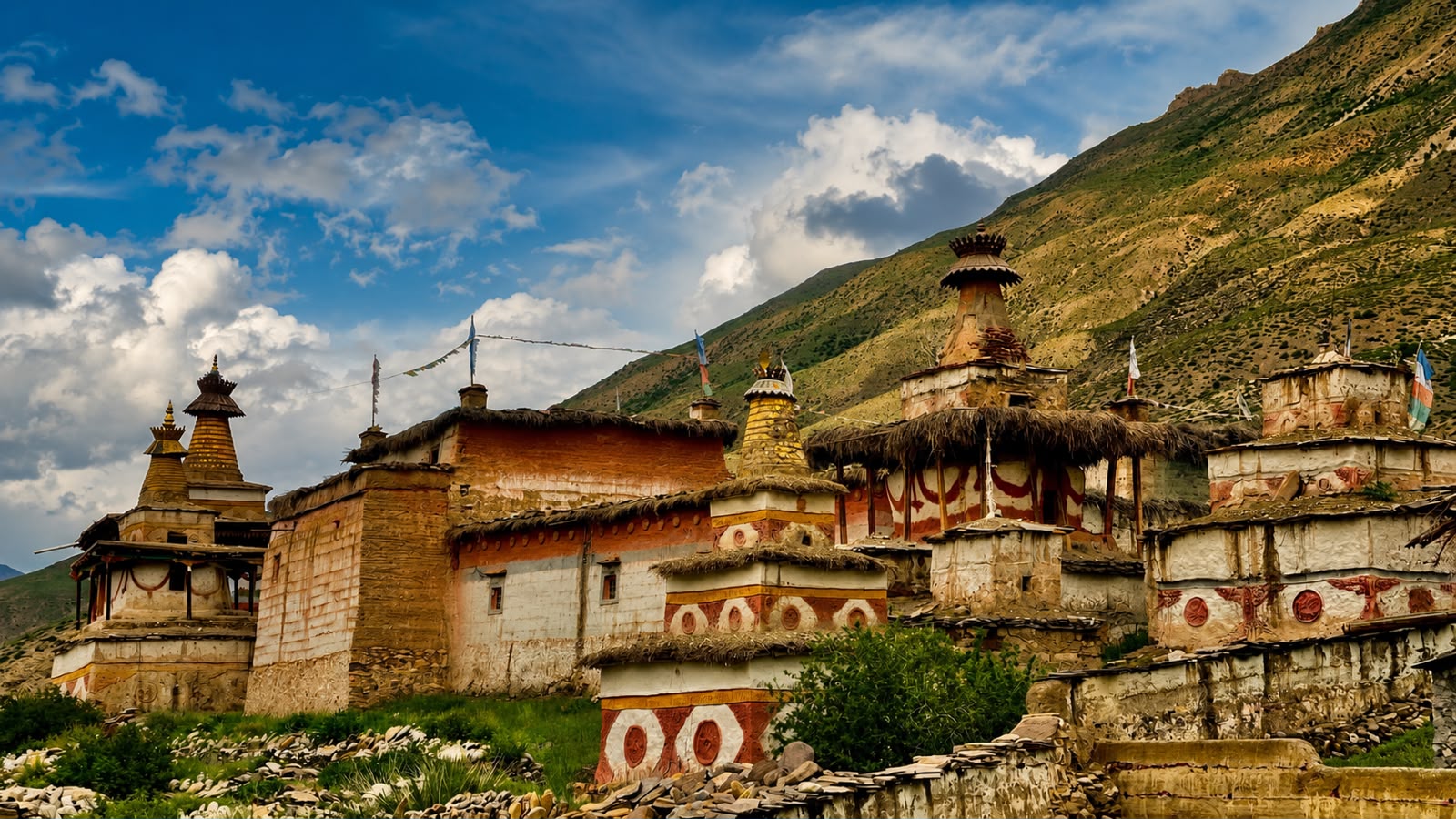
The culture of Upper Dolpo is closely tied to Tibetan traditions and the ancient, pre-Buddhist Bon religion. Villages like Saldang and Ringmo feature flat-roofed stone houses, hand-carved mani walls, and ancient chortens walked counter-clockwise according to Bon custom.
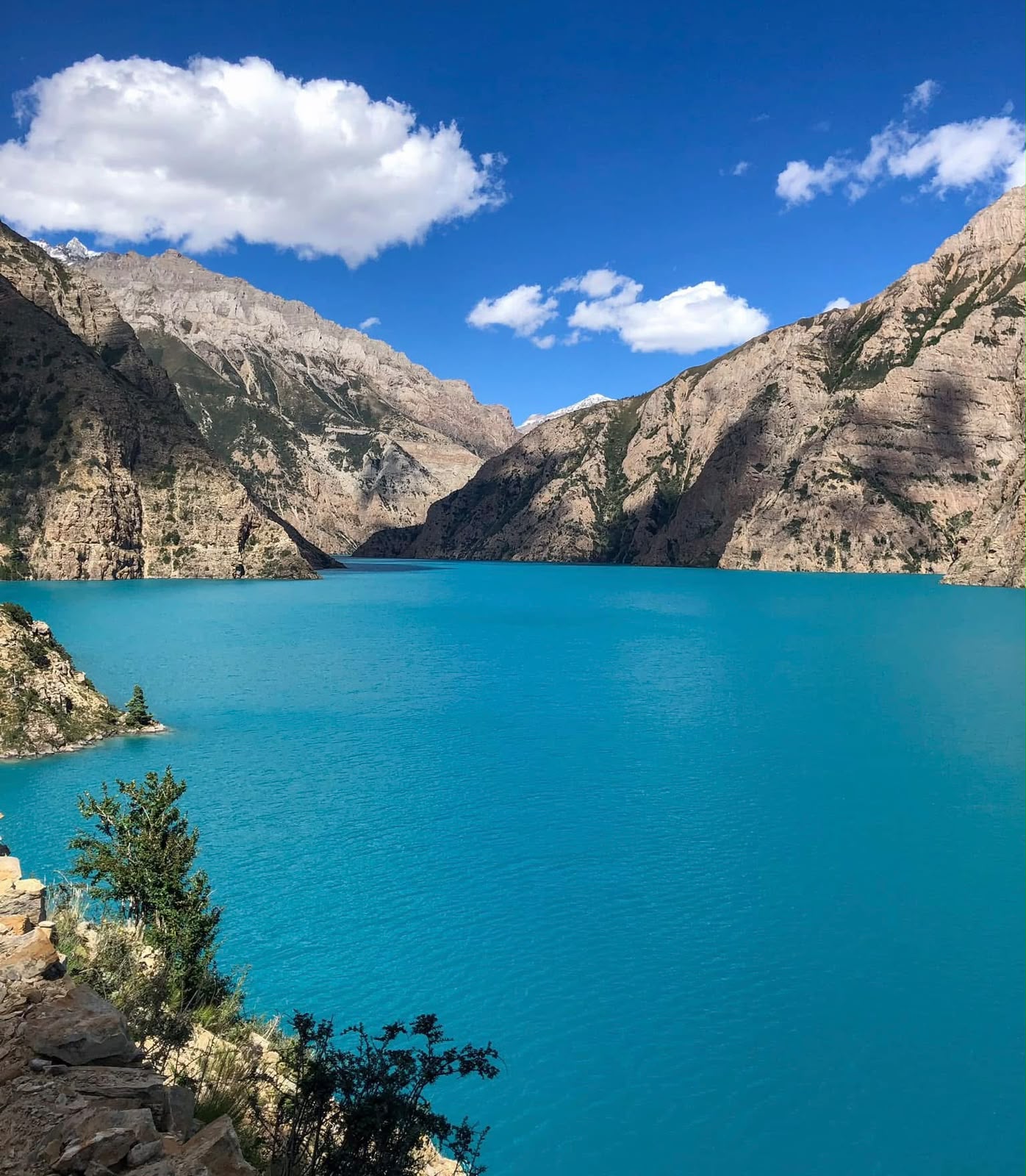
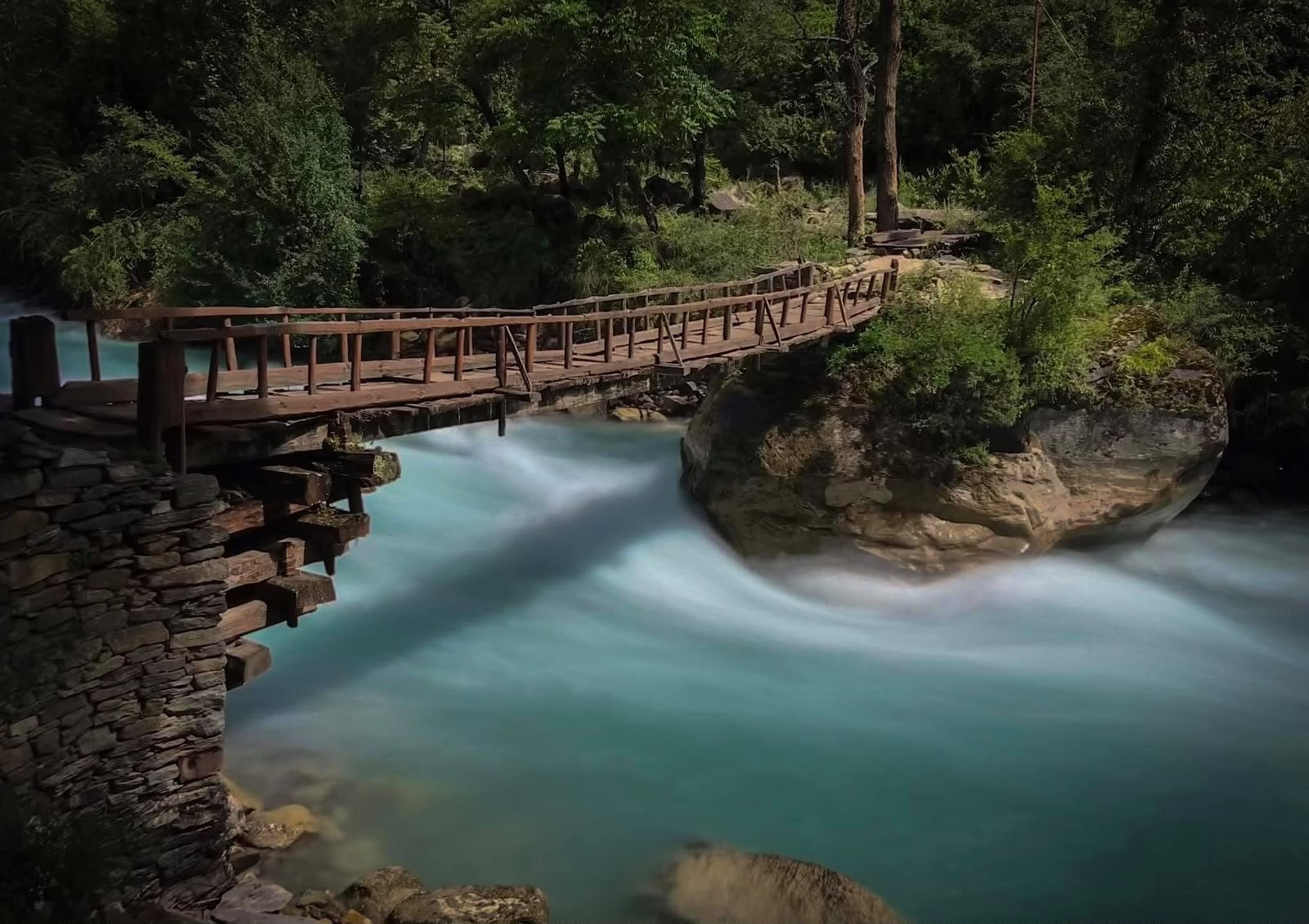
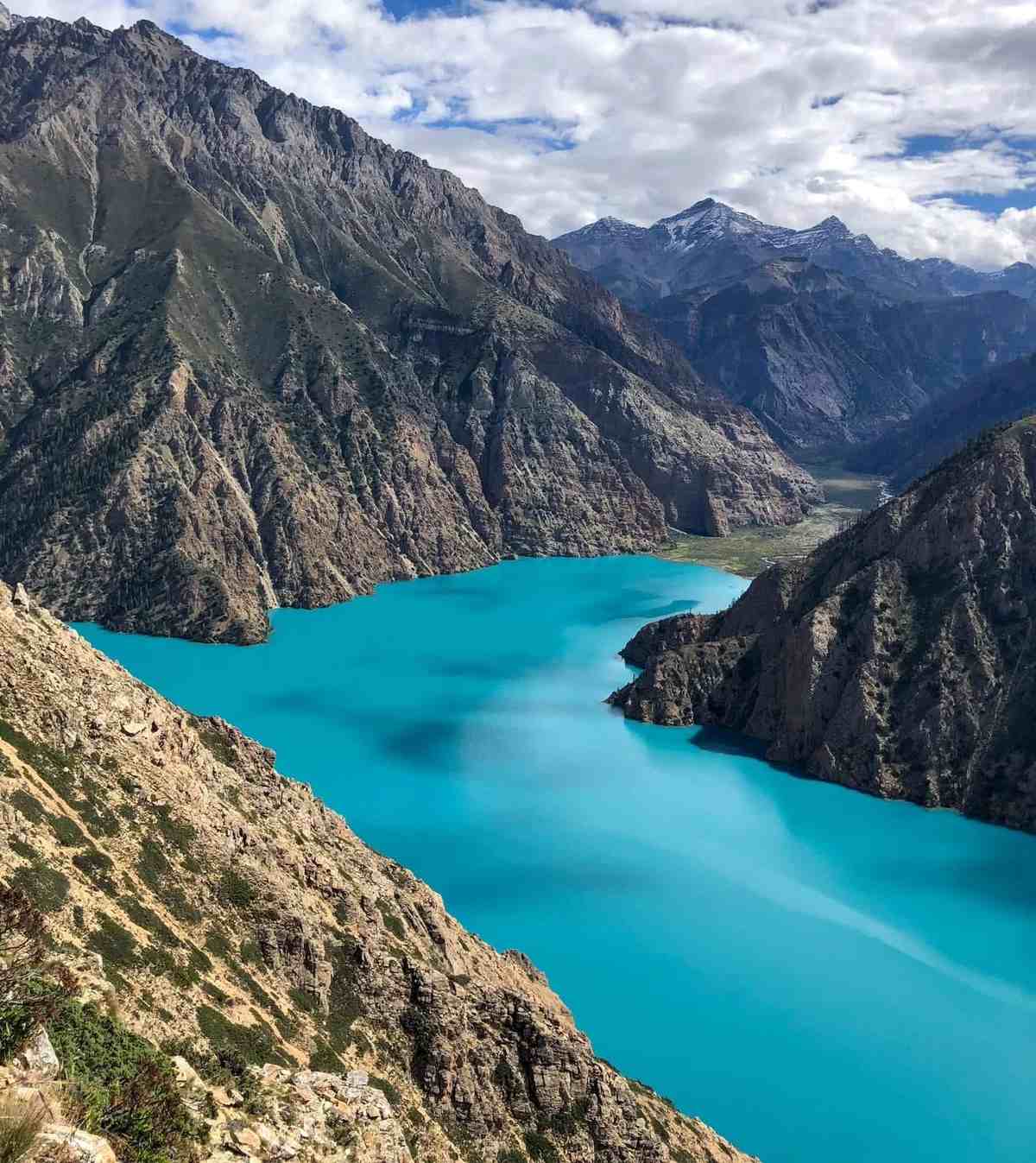
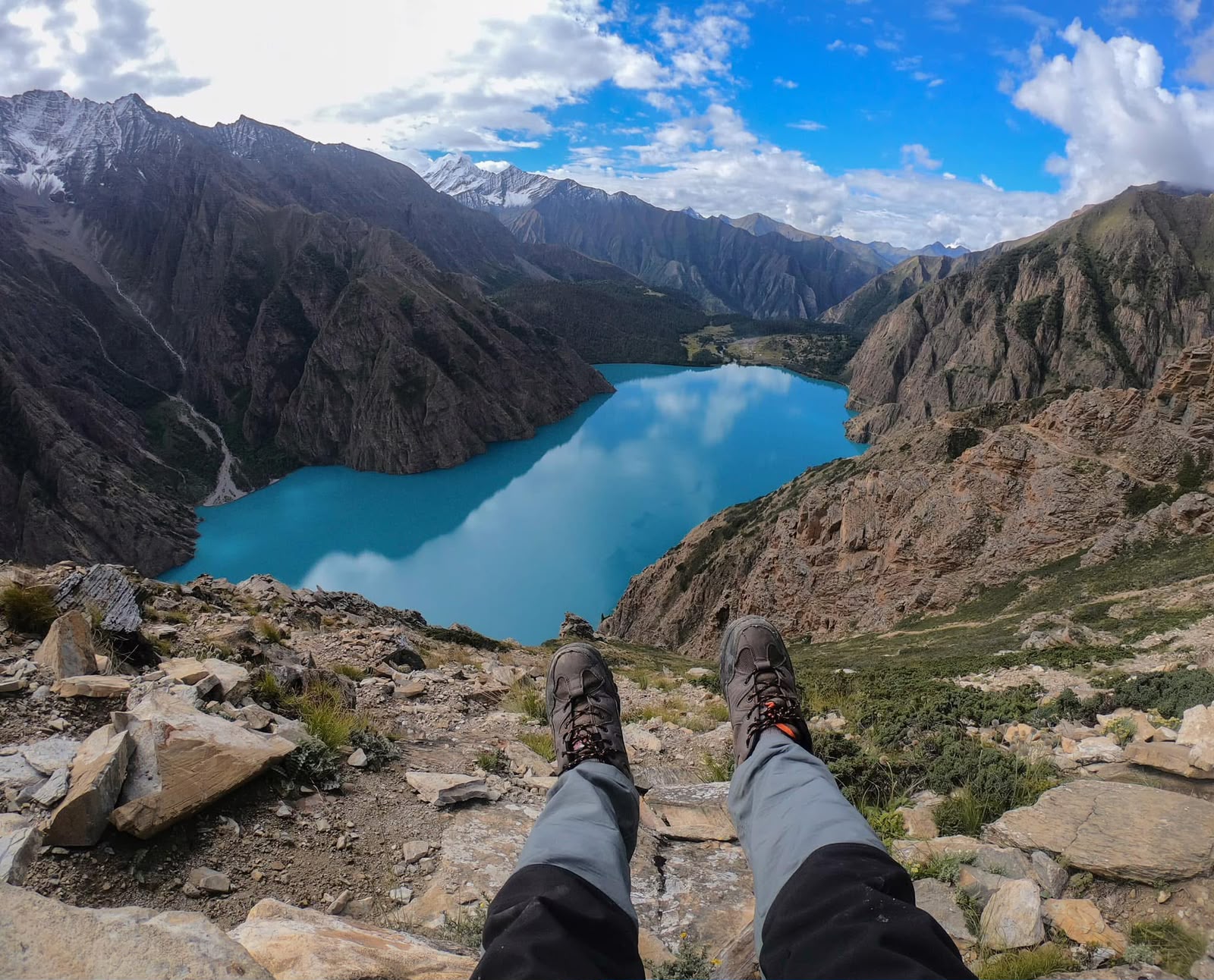
The terrain features stark, high-altitude valleys framed by alpine meadows. Located in the rain shadow of Dhaulagiri, the region is arid and dominated by low juniper, alpine scrub, and dramatic rock formations. Wildlife includes snow leopards, blue sheep (bharal), Himalayan musk deer, and Tibetan wolves.
Upper Dolpo Trek Difficulty Level & Fitness Requirements
The Upper Dolpo Trek is rated Strenuous / Challenging (Grade 5). Trekkers must endure multiple consecutive days walking above 4,000 meters, cross several passes over 5,000 meters, and trek 6 to 8 hours daily over uneven, scree-covered terrain.
Preparation Guidelines
Cardiovascular Endurance: Focus on running, cycling, or rowing 4 to 5 months before departure to build a strong aerobic base.
Leg Strength & Conditioning: Practice weighted stair-climbing or trail hikes carrying an 8 to 12 kg daypack to prepare for long descents.
Mental Readiness: Be prepared for basic tent accommodation, variable high-mountain weather, and true wilderness remoteness with zero cellular connectivity.
Best Season for Upper Dolpo Trek
Because Upper Dolpo sits in the Himalayan rain shadow, it is one of the few regions in Nepal suitable for trekking during the summer monsoon months. However, extra buffer days are built into our itineraries for domestic flights between Nepalgunj and Juphal, which can face weather delays in the lower valleys.
| Season |
Daytime Temp Range |
Nighttime Temp Range |
Trekking Conditions |
| Spring (Apr – May) |
10°C to 18°C |
-5°C to -10°C |
Crisp air, clear tracks, lingering snow on high passes |
| Summer (Jun – Aug) |
15°C to 22°C |
0°C to 5°C |
Rain shadow protection, vibrant high pastures, active local farming |
| Autumn (Sep – Nov) |
8°C to 15°C |
0°C to 5°C |
Exceptional sky clarity, cold nights, best mountain views |
Required Permits & Regulations
Because Upper Dolpo borders the Tibetan borderlands, Department of Immigration manages it as a restricted region to protect its cultural heritage and delicate ecology.
| Permit Type |
Cost Structure |
| Upper Dolpo Restricted Area Permit (RAP) |
USD $500 per person (First 10 Days) |
| Upper Dolpo Permit Extension |
USD $50 per person/day (After Day 10) |
| Lower Dolpo Restricted Area Permit |
USD $20 per person/week |
| Shey Phoksundo National Park Entry |
NPR 3,000 (~USD $23) per person |
All Restricted Area Permits (RAP) must be submitted electronically through an authorized agency via the Nepali Port Immigration System.
Important Legal Requirement: Independent solo trekking is strictly prohibited in Upper Dolpo under Nepalese immigration law. Regulations mandate a group of at least two trekkers accompanied by a licensed Nepalese guide and processed through an authorised agency.
Transportation & Accommodation
Domestic Flights
Accessing the trail requires two flights each way: Kathmandu to Nepalgunj (Terai plains), followed by an early morning mountain flight from Nepalgunj to Juphal Airstrip (Dolpa).
Accommodation
Upper Dolpo is primarily a full camping expedition. We provide 3-season mountain tents, insulated dining tents with chairs and tables, and private toilet tents. Basic homestays exist in select villages such as Dunai, Ringmo, and Saldang.
Food & Water
Our mobile kitchen team prepares three hot, nutritious meals daily (oatmeal, eggs, Dal Bhat, pasta, and warm soups). Water is thoroughly boiled or purified with UV/filtration systems.
Trail Facilities & Communication
Cellular & Internet
Coverage is absent across most of Upper Dolpo, with rare, intermittent signals near Dunai and Saldang. Satellite phones and Garmin InReach devices are carried for safety tracking and emergency logistics.
Electricity & Power
Solar charging is available at select teahouses or via portable camp solar panels for a small fee. Trekkers are advised to carry a 20,000 mAh+ cold-resistant power bank.
Porters & Support Crew
Our expeditions include a licensed lead guide, high-altitude cook crew, and porters or pack animals (yaks/mules) to carry equipment (luggage weight allowance: 15 kg per trekker).
Health, Safety & Insurance
Altitude Sickness (AMS) Prevention
Trekking over 3,000 meters requires careful pacing to prevent Acute Mountain Sickness (AMS).
- Symptoms: Persistent headache, nausea, dizziness, fatigue, loss of appetite, and insomnia.
- Prevention: Gradual ascents, high fluid intake (3 to 4 liters daily), avoiding alcohol, and using Acetazolamide (Diamox) under medical consultation.
- Protocol: Immediate descent to lower elevation if severe AMS, HAPE, or HACE symptoms persist. Portable hyperbaric chambers and emergency oxygen are carried on all Trek Curator Dolpo expeditions.
Travel Insurance Requirements
Comprehensive travel insurance is mandatory before joining the team. Your policy must explicitly cover:
High-altitude trekking up to 6,000 meters.
Emergency helicopter evacuation and search/rescue in remote regions.
Medical treatment and emergency repatriation costs.
Upper Dolpo Trek Cost
Standard Package Cost: A full-service 25-day Upper Dolpo expedition ranges between USD $3,800 and $4,800 per person, depending on group size, camping setups, and internal flight connections.
Personal Daily Budget: Estimate USD $10 to $20 per day for personal items, hot bucket showers (where available in lower villages), snacks, device charging, and tips for the local crew.
Cash Requirement: ATMs are non-existent once you leave Nepalgunj or Dunai. Trekkers should carry NPR 30,000 to 40,000 (approx. USD $250–$300) in small Nepalese Rupee bills exchanged in Kathmandu.
Plan Your Upper Dolpo Expedition
Ready to explore one of Nepal's most pristine high-altitude sanctuaries? Speak directly with our expedition leadership team to reserve your 2026 departure, request a detailed itinerary PDF, or customize a private group route.
Email: info@trekcurator.com
WhatsApp Consultation: +977 980-0000000
Official Website: www.trekcurator.com