Culture, Landscape, Flora & Fauna
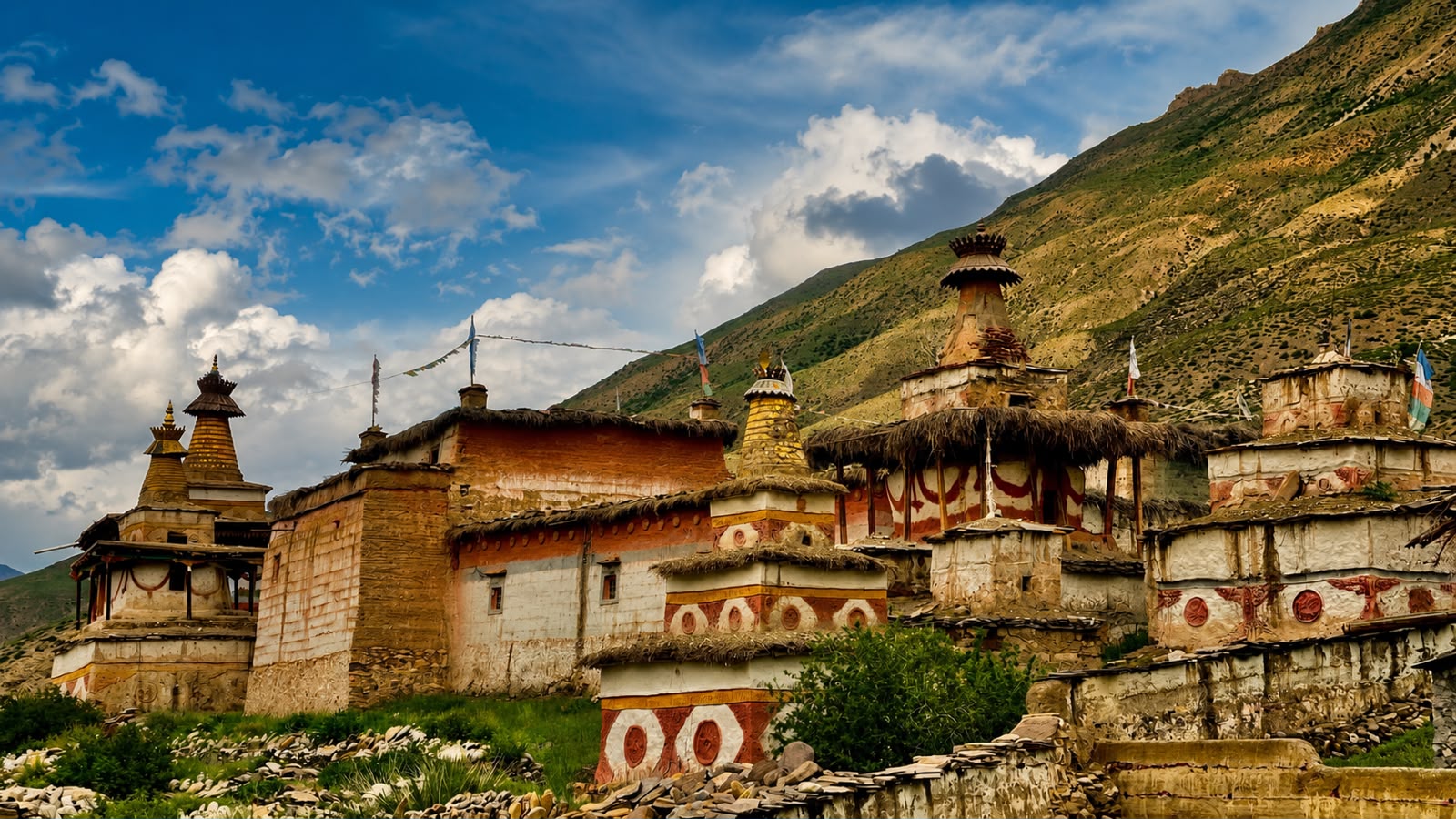
The Dolpo region is one of the last remaining enclaves of authentic Tibetan culture. In Ringmo Village, residents practice Bon Po, an ancient animistic religious tradition that predates Tibetan Buddhism. You will notice prayer walls (mani) built to be passed on the left-hand side, reversing the Buddhist clockwise convention.
The landscape shifts from lush sub-tropical river valleys filled with bamboo and blue pine to arid, high-altitude alpine deserts. Shey Phoksundo National Park protects rare ecosystems: upper slopes harbour Himalayan birch and juniper, while the alpine meadows serve as grazing grounds for blue sheep and winter territories for snow leopards protected under WWF Nepal Conservation Initiatives.
Difficulty Level
The Shey Phoksundo Lake Trek is rated Moderate. While it does not require technical mountaineering equipment or crossing high-altitude passes above 4,000 meters, it is a remote wilderness trek.
Trails involve rocky steps, narrow gorge paths cut into cliff walls, and sustained daily uphill walking for 5 to 7 hours. The primary challenge comes from the remote nature of Dolpo, where medical facilities are non-existent outside basic posts.
Required Fitness & Preparation
You should be comfortable walking 10 to 15 kilometres daily with an elevation gain of 500 to 800 meters while carrying a light daypack (5–7 kg).
We recommend starting cardio training 6 to 8 weeks before departure:
- 3x weekly aerobic exercise (running, stair climbing, cycling)
- Weekend day hikes carrying an 8 kg backpack
- Leg strength conditioning (squats, lunges, step-ups)
Best Season, Weather & Temperature
| Season |
Months |
Daytime Temp |
Nighttime Temp |
Trail Conditions & Vibe |
| Spring |
March – May |
10°C to 18°C |
-2°C to 5°C |
Clear skies, blooming wild rhododendrons, crisp mountain air. |
| Summer/Monsoon |
June – August |
15°C to 22°C |
5°C to 10°C |
Rain-shadow protection keeps Dolpo mostly dry while lower flights face delays. |
| Autumn |
Sept – Nov |
15°C to 22°C |
-5°C to 2°C |
Stable weather, exceptional visibility, autumn golden foliage. |
Check real-time weather metrics via the Department of Hydrology and Meteorology Nepal.
Maximum Altitude
The maximum altitude reached during the standard trek is 3,611 meters (11,847 feet) at Lake Phoksundo and Ringmo Village. An optional day hike to the upper Lake Viewpoint reaches approximately 3,800 meters (12,467 feet).
Distance & Walking Hours
- Total Trekking Distance: Approx. 82 kilometers (51 miles) round-trip from Juphal.
- Daily Walking Duration: 5 to 7 hours per day.
- Average Daily Distance: 10 to 14 kilometers.
Acclimatization
Although the maximum elevation is under 4,000 meters, the ascent from Juphal (2,475 m) to Ringmo (3,611 m) happens over three days to allow your body to adapt. Day 6 in our itinerary is dedicated to active acclimatization at Phoksundo Lake, allowing you to rest, explore the monastery, and adjust comfortably without overexertion.
Alternative / Escape Routes
In the event of severe illness or injury, the primary escape route is retracing the trail down the river valley to the emergency airstrip at Juphal. For life-threatening altitude or medical emergencies, satellite-coordinated helicopter evacuation operates directly from Ringmo or Chhepka, weather permitting.
Permits
| Required Permit |
Standard Cost |
Processing Notes |
| Lower Dolpo Restricted Area Permit (RAP) |
$20 USD per person/week |
Requires minimum 2 trekkers + licensed guide |
| Shey Phoksundo National Park Entry Permit |
NPR 3,000 (~$23 USD) per person |
Park entry conservation fee |
Note: Trek Curator manages all permit procurement, paperwork, and government taxes before your arrival via the official Department of Immigration Nepal.
Guide & Porter
Under Nepal Tourism Board regulations and restricted area rules, independent trekking without a licensed guide is strictly illegal in Dolpo.
Trek Curator provides:
- Government-licensed local wilderness guide (English-speaking, wilderness first-aid certified).
- Local Porters (1 porter per 2 trekkers, carrying up to 18 kg combined weight).
Independent vs Guided Trek
Because Dolpo contains restricted zones, you cannot trek Shey Phoksundo completely independently. You must book through a registered Nepali trekking agency that secures the RAP permit and handles logistics.
Solo Trekking
Solo travelers are welcome, but government regulations state that Restricted Area Permits (RAP) require a minimum group size of two trekkers. If you are traveling solo, Trek Curator can pair you with another traveler or process a solo-supplement permit clearance per official protocols.
Transportation
Logistics in Dolpo require precise planning due to weather-dependent mountain flights:
- Kathmandu to Nepalgunj: A 50-minute domestic flight to the southern plains.
- Nepalgunj to Juphal: A 35-minute early-morning flight aboard a Twin Otter or Dornier aircraft into the mountains of Dolpa.
- Contingency Note: Mountain flights into Juphal are subject to weather delays. We build buffer days into our operational strategy.
Accommodation
Accommodation on this trail consists of simple, authentic Yaksi and Nepalese tea houses. Rooms are twin-share with basic wooden beds, mattresses, and blankets. Facilities are rustic compared to Everest or Annapurna trails; bringing a 3-season sleeping bag (rated to -10°C) is essential.
Food, Water & Meals
- Food: Meals are fresh, warm, and carbohydrate-dense. Expect traditional Dal Bhat (steamed rice, lentil soup, and vegetable curry), noodle soups, fried rice, potato dishes, and Tibetan bread.
- Water: Tap water along the trail must be treated. We provide boiled water at teahouses and require guests to use UV purifiers or chlorine/iodine purification tablets. Single-use plastic bottles are banned in Shey Phoksundo National Park.
Facilities on the Trail
Dolpo is a remote wilderness region. While main stopovers (Chhepka, Ringmo) have basic teahouses, amenities remain modest. Do not expect hot showers or flush toilets at every stop.
Communication, Internet & Electricity
- Mobile Network: NTC (Nepal Telecom) has spotty 2G/3G coverage in Juphal and Ringmo, though service drops in the deep gorges between villages. Ncell generally lacks service here.
- Electricity: Solar charging is available at most teahouses for a small fee ($2–$5 USD per device).
- Power Bank: A 20,000 mAh portable power bank is highly recommended.
Altitude Sickness
Acute Mountain Sickness (AMS) can occur above 2,500 meters. Because Phoksundo Lake sits at 3,611 m, our itinerary is paced to keep elevation gains under 600 meters per day once above 2,800 m.
- Symptoms to watch: Persistent headache, nausea, loss of appetite, dizziness, and insomnia.
- Prevention: Stay hydrated (3–4 liters of water daily), walk at a steady pari-pari (slow) pace, avoid alcohol, and inform your guide immediately if you feel unwell. Learn more in our Altitude Sickness Prevention Guide.
Travel Insurance
Comprehensive travel insurance is mandatory. Your policy must specifically cover:
- Trekking/Hiking up to 4,000 meters.
- Emergency Helicopter Evacuation and medical repatriation.
- Flight delays/cancellations (particularly for the Nepalgunj–Juphal sector).
Emergency, Evacuation & Safety Information
Our guides carry satellite communication devices and first-aid kits, including pulse oximeters to monitor blood oxygen levels daily. In a medical emergency, your guide will coordinate with our Kathmandu headquarters to dispatch a helicopter evacuation to the nearest medical center in Nepalgunj or Kathmandu.
Trek Cost
The all-inclusive Shey Phoksundo Lake Trek Package (12 Days) ranges from $1,450 to $1,850 USD per person, depending on group size and hotel selection in Kathmandu.
Daily Expenses
During the trek, you will only need pocket money for personal luxuries. Allocate roughly $10 to $20 USD per day for bottled/boiled water, hot showers, device charging, and soft drinks.
Personal Expenses
Showers in remote tea houses cost roughly $3–$5 USD (heated by firewood/gas). Wi-Fi/satellite connectivity where available costs $3–$5 USD per session.
Cash to Carry
There are NO ATMs along the trail past Juphal. You must withdraw sufficient Nepali Rupees (NPR) in Kathmandu or Nepalgunj. We recommend carrying NPR 20,000 to 30,000 (~$150 – $220 USD) in small denominations.
ATMS
ATMs are readily available in Kathmandu and Nepalgunj. Once you land in Juphal, transactions are exclusively cash-based.
Money Exchange
Exchange your foreign currency (USD, EUR, GBP, AUD) into Nepali Rupees in Kathmandu. Local teahouses in Dolpo do not accept foreign currency or credit cards.
Booking Policy
- Deposit: A 20% non-refundable deposit is required at the time of booking to secure restricted area permits and domestic flight seats.
- Balance: The remaining 80% balance is payable upon arrival in Kathmandu before trek departure.
- Payment Methods: Credit card (Visa/Mastercard), wire transfer, or cash.
Arrival in Kathmandu
Upon landing at Tribhuvan International Airport (KTM), a Trek Curator representative will greet you outside the terminal holding a personalized name sign and transfer you to your hotel.
Departure Information
On Day 12, we provide a private airport transfer from your Kathmandu hotel to the international terminal 3 hours before your scheduled flight home.
Trek Options
- Private Trek: Customized dates and private guide service for couples, families, or private groups.
- Group Joins: Join an existing small group departure (max 8-10 people) to share costs.
Add-ons
- Chilche & Tarap Valley Extension: Add 6–8 days to traverse the high passes of Lower Dolpo (Numa La & Baga La).
- Kathmandu Valley Cultural Sightseeing: 1-day guided tour of UNESCO World Heritage Sites (Pashupatinath, Boudhanath, Swayambhunath, Patan).
Airport Transfers
All airport-to-hotel and hotel-to-airport transfers are included in private, air-conditioned vehicles.
Responsible Trekking
We operate strictly under Leave No Trace (LNT) principles. Dolpo is a fragile alpine ecosystem. We pack out all non-biodegradable waste, encourage reusable water bottles, and support locally owned teahouses to ensure tourism benefits resident communities directly.
Environmental Practices
- Zero single-use plastic bottles on trail.
- Respect local cultural norms: always walk clockwise around stupas and mani walls (except Bon Po walls in Ringmo, which are walked counter-clockwise).
- Do not photograph local villagers or monks without explicit verbal consent.
A Typical Trekking Day
06:30 AM: Morning wake-up call with hot tea/coffee at your teahouse.
07:00 AM: Breakfast, pack your main duffel bag for the porters.
07:30 AM: Start walking while temperatures are cool.
12:00 PM: Stop at a trailside lodge for a freshly cooked lunch (1.5 hours rest).
01:30 PM: Afternoon walk to destination village.
03:30 PM: Arrive at destination teahouse, check into room, wash up, order dinner.
06:30 PM: Dinner in the warm communal dining room, trek debrief with guide for the next day.
Trail Conditions
The trail alternates between wide earthen tracks, stone staircases, and narrow paths cut into river gorge walls. Wooden cantilever bridges cross the river multiple times. Good ankle support on your trekking boots is essential.
Water Safety
Never drink untreated stream or tap water. Use a quality water filter, UV steripen, or purification tablets.
Toilets on the Trail
Teahouse toilets are typically traditional squat toilets or basic sit-down toilets. Bring your own toilet paper and hand sanitizer.
Charging & Electricity
Teahouses utilize solar panels. Bring a multi-plug adapter and keep battery packs inside your sleeping bag at night to prevent cold-weather discharge.
Weather Challenges
Mountain weather in Dolpo can shift rapidly. Afternoon winds are common along river valleys, and early morning fog may temporarily hold up domestic flights in Juphal. Flexibility and patience are key assets.
Nepal Visa Information
You can obtain a Nepal Visa on Arrival at Tribhuvan International Airport in Kathmandu:
- 15 Days: $30 USD
- 30 Days: $50 USD
- 90 Days: $125 USD
(Ensure your passport has at least 6 months of validity remaining.)
Pre-Trek Checklist
- Passport valid for 6+ months from travel date.
- Travel insurance policy purchased (covering 4,000 m + helicopter evacuation).
- Flight details forwarded to Trek Curator team.
- Physical cash exchanged into Nepali Rupees for on-trail expenses.
Photography Tips
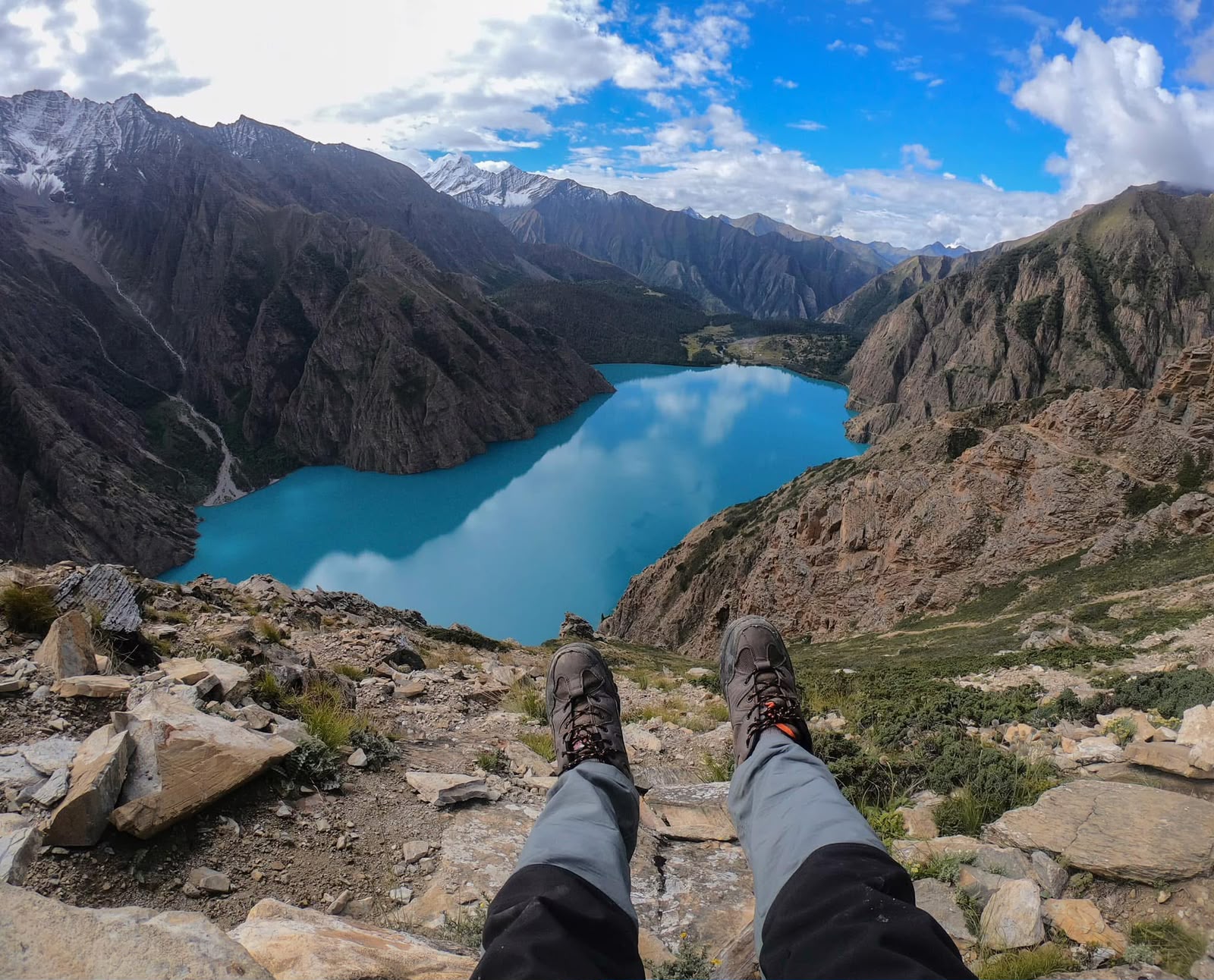
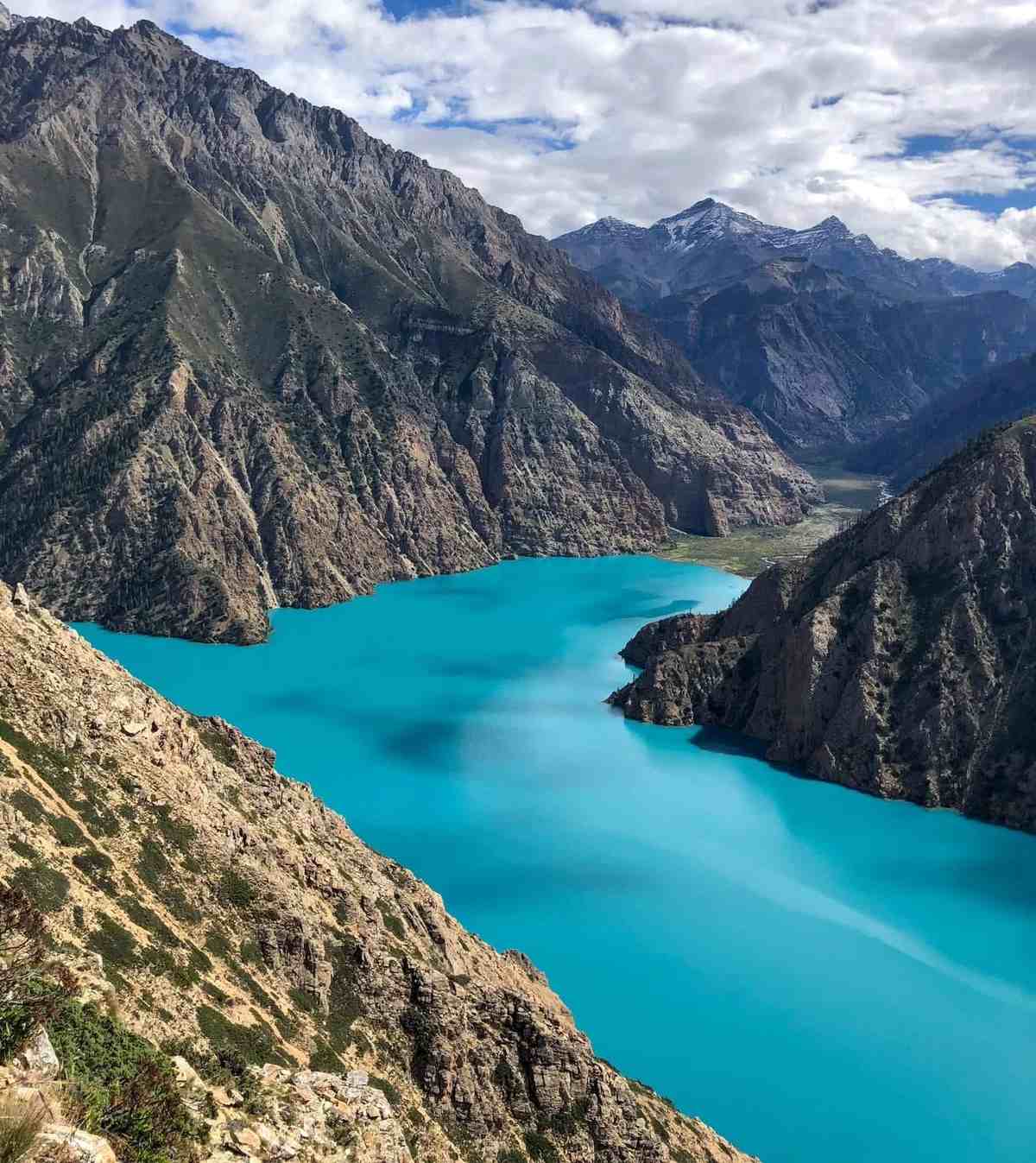
- Phoksundo Turquoise Colors: The lake shows its most vibrant color between 11:00 AM and 2:00 PM when direct sunlight hits the water.
- Polarizer Filter: Bring a circular polarizing filter for your camera to cut through water glare and accentuate the deep blue sky.
- Battery Care: Cold nights drain lithium batteries fast—store camera batteries inside your sleeping bag.
What I Wish I Knew Before the Trek
The flight from Nepalgunj to Juphal is one of the most scenic mountain landings in Nepal, but it gets delayed easily if winds pick up. Always keep a buffer day in Kathmandu before your flight home!