A "challenging" trip grade indicates a demanding, high-altitude adventure (often 5,000–6,000+ meters) designed for experienced adventurers with excellent fitness.
The Everest Base Camp Cho La Pass Gokyo Trek is an unforgettable journey through the heart of the Khumbu, combining the iconic Everest Base Camp trail with the adventurous crossing of Cho La Pass and the peaceful beauty of the Gokyo Valley.
This trek is ideal for travelers who want to experience more than the classic Everest Base Camp route. Along the way, you will walk through traditional Sherpa villages, visit ancient monasteries, cross high mountain terrain, stand beneath some of the world’s highest peaks, and discover the spectacular turquoise lakes of Gokyo.
The journey includes three unforgettable highlights: Everest Base Camp (5,364m), Cho La Pass (5,420m), and Gokyo Ri (5,357m). Each offers a completely different Himalayan experience, making this one of the most rewarding trekking routes in the Everest region.
At Trek Curator, we see this trek as more than a list of places on an itinerary. It is a journey where the landscape, people, culture, challenges, and small moments along the trail become part of your story.
The classic Everest Base Camp trek is already an incredible adventure, but adding Cho La Pass and Gokyo creates a much more varied experience.
You begin by following the familiar route toward Everest Base Camp, passing through famous Sherpa settlements such as Namche Bazaar, Tengboche, Dingboche, and Lobuche. After reaching Everest Base Camp and enjoying the sunrise from Kala Patthar, the trail takes you away from the main route toward the challenging Cho La Pass.
Crossing the pass feels like a true Himalayan adventure. Depending on the season and weather, you may encounter snow, ice, rocky terrain, and steep sections. Once across Cho La, the scenery changes again as you enter the beautiful Gokyo Valley.
Here, the enormous Ngozumpa Glacier, turquoise Gokyo Lakes, and surrounding Himalayan peaks create an entirely different atmosphere.
The final major highlight is Gokyo Ri, where an early morning climb rewards you with a breathtaking view across the Everest region.
Your journey begins in Kathmandu, Nepal’s cultural and historical center.
Before heading toward the mountains, there is time to experience the energy of the city, explore the streets of Thamel, prepare your trekking equipment, and meet your trekking team. Depending on your itinerary, a traditional Nepali dinner can also be a wonderful introduction to the country’s food and hospitality.
Then comes the exciting flight to Lukla.
Flying toward the Everest region offers the first glimpse of the dramatic Himalayan landscape. As the aircraft moves between green hills and towering mountains, you know that the trekking adventure is about to begin.
From Lukla, the trail follows the Dudh Koshi River through villages, forests, suspension bridges, and mountain paths.
Phakding and Monjo are among the first settlements along the route. After entering Sagarmatha National Park, the trail gradually becomes more challenging as you climb toward Namche Bazaar.
Namche is one of the most important towns in the Khumbu. Surrounded by mountains and built along a natural amphitheater, it is both a cultural center and an essential acclimatization stop.
An acclimatization hike around Namche can provide your first impressive views of Everest, Ama Dablam, Lhotse, and other Himalayan peaks.
Leaving Namche, the trail continues deeper into the mountains.
One of the memorable stops is Tengboche, home to the famous Tengboche Monastery. The monastery sits in an extraordinary mountain setting, with Ama Dablam rising dramatically behind it.
From Tengboche, the trail gradually enters a higher and more rugged environment. The forests become thinner, the air gets colder, and the mountains appear increasingly close.
Dingboche provides another important acclimatization point before the trek continues toward Lobuche and the Everest Base Camp area.
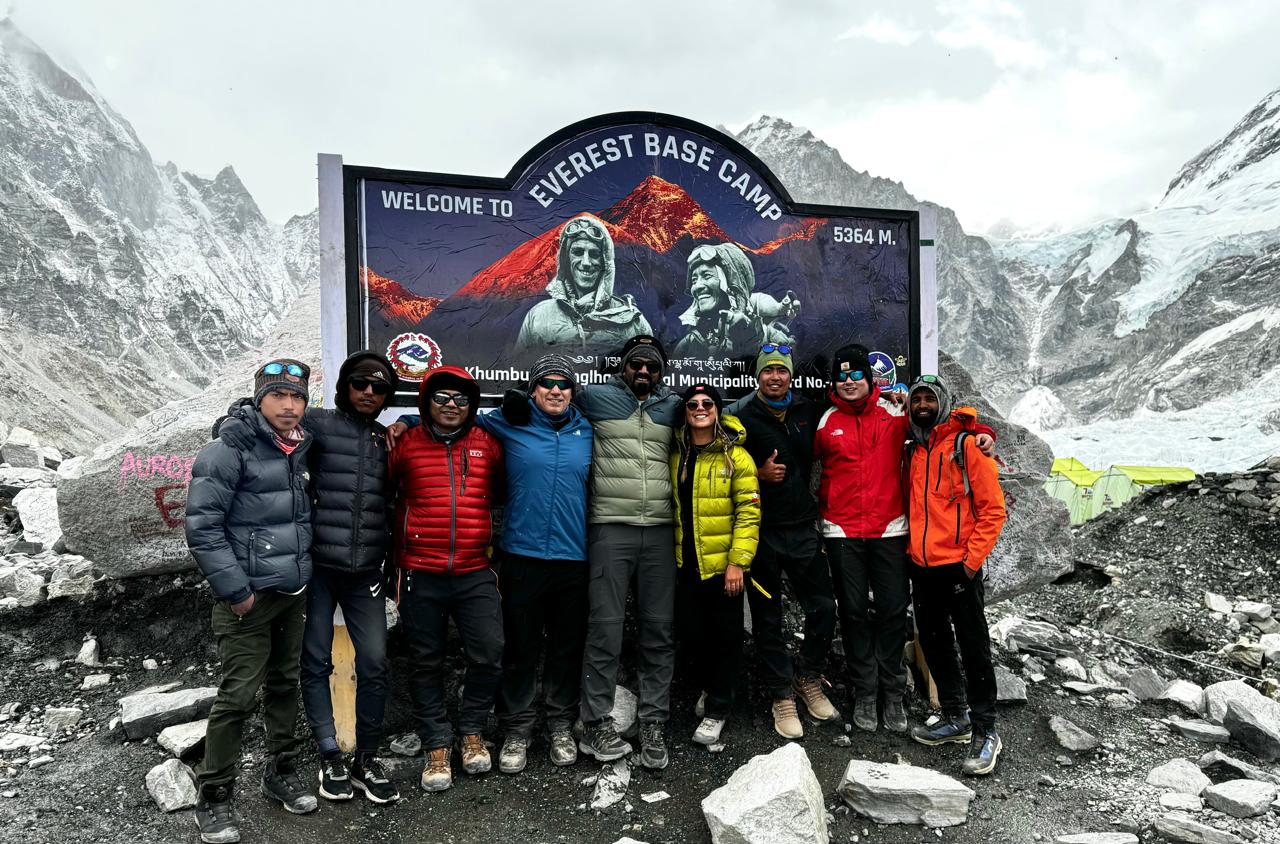
Reaching Everest Base Camp is one of the defining moments of the trek.
The trail from Lobuche takes you through the rugged Khumbu landscape toward Gorak Shep before continuing to Base Camp. The surroundings become increasingly dramatic, with glaciers, rocky moraines, and enormous Himalayan peaks dominating the horizon.
At Everest Base Camp, prayer flags flutter in the mountain wind, and the Khumbu Icefall rises nearby.
For many trekkers, the significance of this moment goes beyond reaching a particular altitude. It represents days of walking, physical effort, changing landscapes, new friendships, and the determination to keep moving forward.
An early morning hike to Kala Patthar (5,545m) is another major highlight.
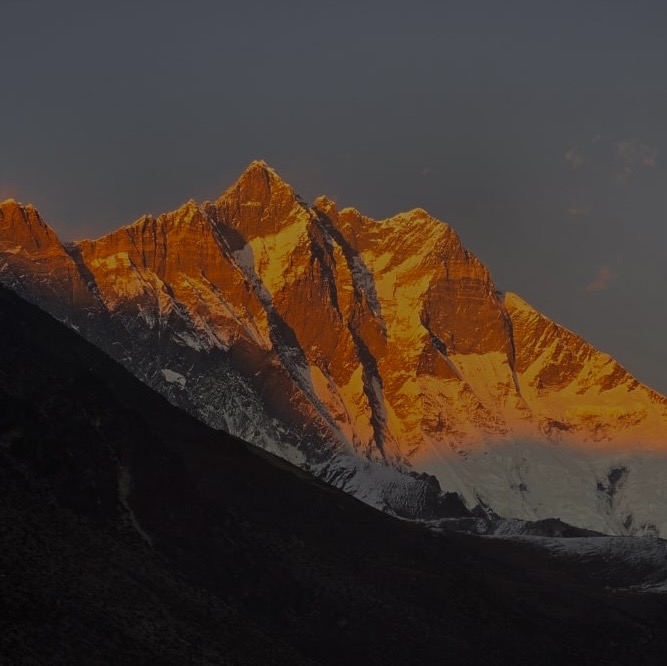
Before sunrise, the trail is usually quiet and cold. As the first light reaches the mountains, Everest and the surrounding peaks gradually appear in shades of gold.
From Kala Patthar, you can see Mount Everest, Nuptse, Lhotse, Pumori, and other spectacular Himalayan peaks.
The view is one of the reasons many trekkers consider Kala Patthar an essential part of the Everest Base Camp experience.
After Everest Base Camp and Kala Patthar, the adventure becomes more challenging.
Instead of simply returning along the same trail, the route heads toward Cho La Pass, one of the major high passes in the Everest region.
At approximately 5,420 meters, Cho La is a serious high-altitude crossing. The conditions can vary considerably depending on the season, and snow or ice may be present on sections of the pass.
The climb is demanding, but the surrounding scenery makes the effort worthwhile. From the high terrain, you are surrounded by glaciers, rocky ridges, and some of the most dramatic mountains in the Khumbu.
After crossing Cho La, the descent toward Thangnak leads you into the Gokyo side of the Everest region.
The atmosphere changes as you approach Gokyo.
Instead of the busy feeling of the main Everest Base Camp route, the Gokyo Valley feels quieter and more open. The landscape is dominated by mountains, glaciers, and a series of beautiful glacial lakes.
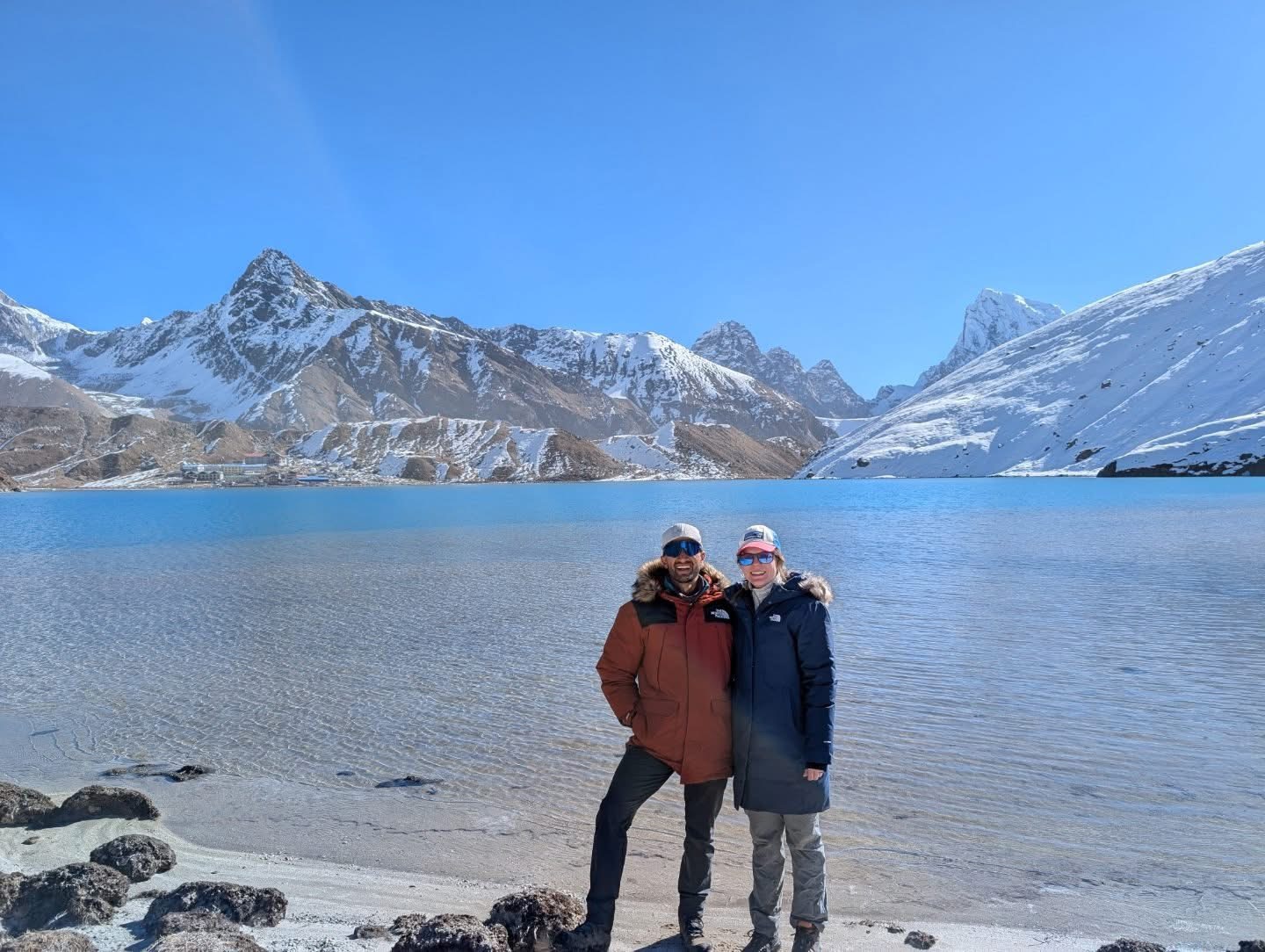
The famous Gokyo Lakes are known for their striking blue and turquoise colors. Against the surrounding rocky mountains and snow-covered peaks, the lakes create one of the most memorable landscapes in the Everest region.
Gokyo also lies beside the massive Ngozumpa Glacier, adding another remarkable feature to the valley.
For many trekkers, arriving at Gokyo after crossing Cho La feels like entering another side of the Everest Himalayas.
The climb to Gokyo Ri (5,357m) is one of the highlights of the entire trek.
An early morning ascent allows you to reach the viewpoint around sunrise, when the mountains begin to glow with the first light of the day.
From Gokyo Ri, the panorama includes Mount Everest, Lhotse, Makalu, Cho Oyu, Cholatse, and many other Himalayan peaks.
Looking down at the turquoise Gokyo Lakes from above gives the experience an entirely different perspective.
After the challenging climb, standing on Gokyo Ri and looking across the Himalayan horizon is a moment that stays with many trekkers long after they leave Nepal.
After exploring Gokyo and completing the Gokyo Ri climb, the trek begins its gradual return toward Lukla.
The route takes you through mountain villages and familiar sections of the Khumbu, giving you a chance to see the landscape from a different perspective.
By this point, the trail that once felt unfamiliar can begin to feel surprisingly familiar. The villages, bridges, forests, and mountains become part of the memories you have built throughout the trek.
Back in Kathmandu, Trek Curator can arrange a farewell gathering, giving you time to relax and share stories from your Himalayan adventure.
Best Time for the Everest Base Camp Cho La Pass Gokyo Trek
The most popular seasons for this trek are spring and autumn.
Spring (March to May) brings warmer trekking conditions and blooming rhododendrons in the lower sections of the trail.
Autumn (September to November) is widely considered one of the best periods for trekking in the Everest region, with generally stable weather and excellent mountain visibility.
Winter can bring colder temperatures and more snow around Cho La Pass, while the monsoon season can bring clouds, rain, and less predictable mountain views.
Because Cho La is a high-altitude pass, weather and trail conditions should always be considered when planning the trek.
At Trek Curator, we believe a great Himalayan trek is not only about reaching the destination. It is also about how you experience the journey.
Our team focuses on thoughtful planning, responsible trekking, proper acclimatization, comfortable pacing, and genuine local hospitality.
From the first welcome in Kathmandu to the flight into Lukla, from Everest Base Camp to Cho La Pass and Gokyo Ri, our goal is to make every stage of your journey safe, meaningful, and memorable.
We want you to return home with more than photographs. We want you to take home stories of the people you met, the mountains you walked beneath, the challenges you overcame, and the moments that made you stop and simply look around.
The Everest Base Camp Cho La Pass Gokyo Trek brings together some of the finest experiences the Everest region has to offer.
You experience the legendary trail to Everest Base Camp, witness sunrise from Kala Patthar, challenge yourself on Cho La Pass, discover the peaceful Gokyo Valley, admire the turquoise Gokyo Lakes, and climb Gokyo Ri for a spectacular Himalayan panorama.
If you are looking for an Everest trek that goes beyond the classic route and allows you to experience both the iconic and quieter sides of the Khumbu, the Cho La Pass Gokyo Trek with Everest Base Camp is an adventure worth taking.
Day 1: Arrival in Kathmandu – 1,300m
Day 2: Fly to Lukla and Trek to Phakding – 2,250m | 3–4 Hours
Day 3: Trek to Namche Bazaar – 3,440m | 5–6 Hours
Day 4: Acclimatization Day in Namche Bazaar – 3,800m | 4–5 Hours
Day 5: Trek to Tengboche – 3,860m | 5–6 Hours
Day 6: Trek to Dingboche – 4,410m | 5–6 Hours
Day 7: Acclimatization Day in Dingboche – Up to 5,000m | 5–6 Hours
Day 8: Trek to Lobuche – 4,940m | 5–6 Hours
Day 9: Lobuche to Everest Base Camp and Back to Gorak Shep – 5,180m | 6–7 Hours
Day 10: Kala Patthar Hike and Trek to Dzongla – 5,550m / 4,800m | 5–6 Hours
Day 11: Dzongla to Thangnak via Cho La Pass – 5,420m | 6–8 Hours
Day 12: Thangnak to Gokyo – 4,790m | 6–7 Hours
Day 13: Gokyo Ri and Trek to Machhermo – 5,357m / 4,470m | 6–7 Hours
Day 14: Machhermo to Namche Bazaar – 3,440m | 4–5 Hours
Day 15: Namche Bazaar to Lukla – 2,860m | 6–7 Hours
Day 16: Fly from Lukla to Kathmandu – 1,300m
Day 17: Departure from Kathmandu

Welcome to Nepal! Your Everest Base Camp, Cho La Pass and Gokyo trek begins in Kathmandu, the vibrant capital city and gateway to the Himalayas.
After landing at Tribhuvan International Airport, a Trek Curator representative will meet you and transfer you to your hotel. Once you have settled in, you can take some time to explore Thamel, one of Kathmandu’s most popular tourist areas. Its colorful streets are filled with trekking shops, cafés, restaurants, and local stores.
In the evening, we’ll gather for a traditional Nepali welcome dinner. Enjoy a delicious dal bhat thali while experiencing local music and culture with your trekking team. It is also a great opportunity to meet your guide and prepare for the adventure ahead.
Overnight: Kathmandu
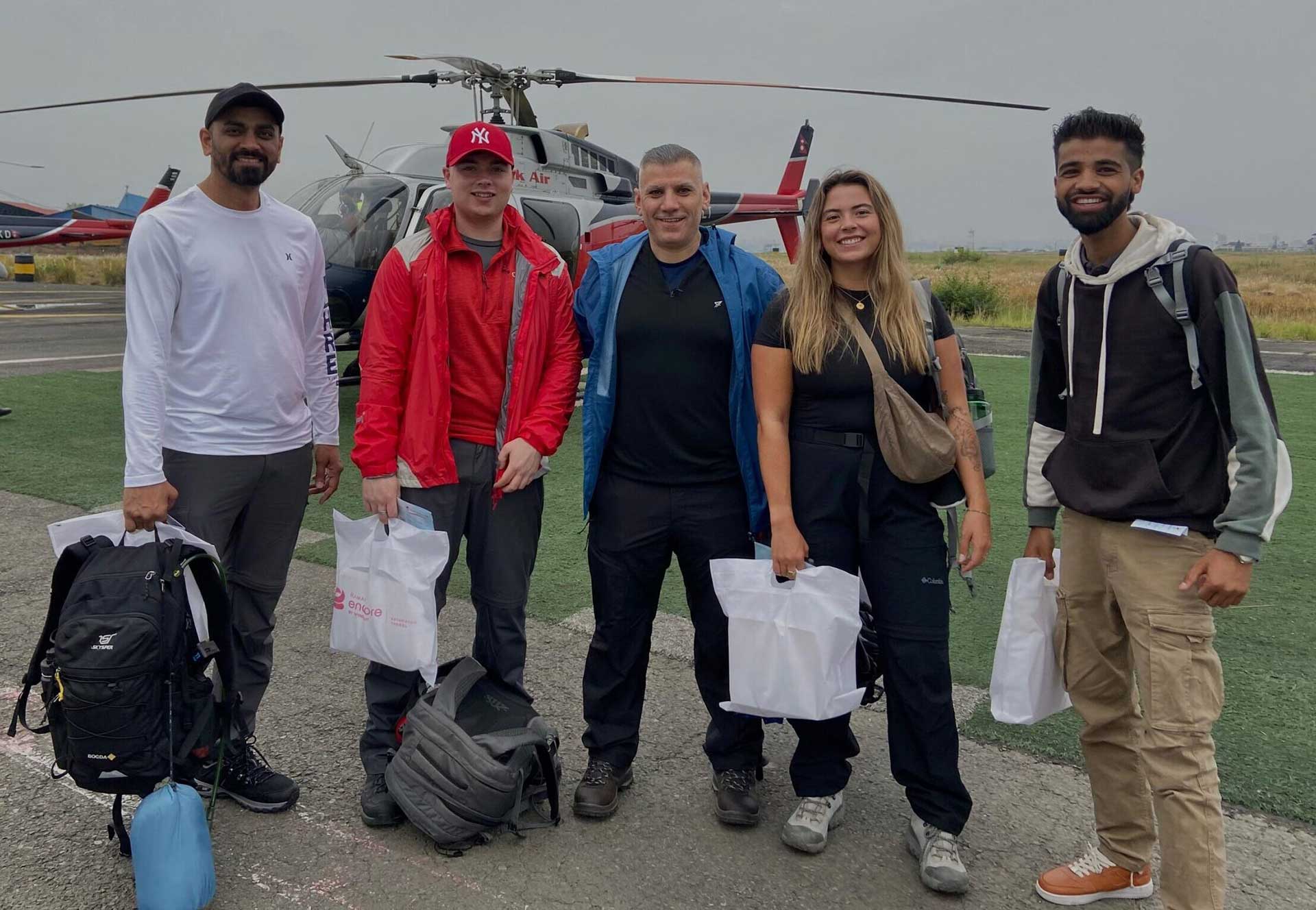
Your Everest region adventure starts early today with a flight toward Lukla and the famous Tenzing-Hillary Airport.
During the main trekking seasons, particularly March to May and September to November, Lukla flights may operate from Manthali Airport in Ramechhap due to air traffic management in Kathmandu. If your flight is scheduled from Manthali, we’ll leave Kathmandu very early in the morning for the scenic drive along the BP Highway.
The short flight to Lukla is an exciting experience in itself, with spectacular views of the Himalayan foothills as you approach the mountain airstrip.
After meeting the trekking crew and having breakfast, we begin walking toward Phakding. The trail passes through small Sherpa settlements, green hills and suspension bridges spanning the Dudh Koshi River.
We’ll arrive at Phakding in the afternoon and have time to relax. If conditions and time allow, you can also visit the peaceful Phakding Monastery.
Overnight: Phakding
After breakfast, we continue along the Dudh Koshi Valley toward Namche Bazaar, the lively heart of the Khumbu region.
The trail crosses several suspension bridges and passes through beautiful forests before reaching Monjo, where we enter Sagarmatha National Park, a UNESCO World Heritage Site.
One highlight of the day is crossing the famous Hillary Suspension Bridge. From here, the trail becomes steeper as we make our way toward Namche Bazaar.
The final climb can feel demanding, especially as you begin gaining altitude, but reaching Namche is a rewarding moment. Surrounded by mountains and built into a natural amphitheater, Namche is the region’s main trading and trekking hub.
Overnight: Namche Bazaar
Today is an important acclimatization day on your Everest Base Camp and Gokyo trek. Rather than staying completely inactive, we take a short hike to a higher elevation and return to Namche to help your body adjust to the thinner mountain air.
Our hike takes us toward the Everest View Hotel, one of the best places in the area for an early glimpse of Mount Everest. Depending on weather conditions, you can enjoy views of Everest, Lhotse, Ama Dablam and other Himalayan peaks.
We’ll also have an opportunity to learn more about Sherpa culture and mountaineering history. The rest of the afternoon is free to explore Namche’s cafés, bakeries and local shops or simply rest before continuing higher into the mountains.
Overnight: Namche Bazaar
Leaving Namche behind, the trail follows a beautiful high route overlooking the Dudh Koshi Valley.
This section is particularly scenic, with magnificent views of Ama Dablam, Everest, Lhotse, and other Himalayan peaks. We gradually descend toward Phungi Tenga before climbing through rhododendron and pine forests toward Tengboche.
Tengboche is famous for its monastery and its incredible mountain setting. The monastery is considered one of the spiritual centers of the Khumbu region.
If the timing is right, you may be able to experience the peaceful atmosphere around the monastery and watch the mountains change color as the afternoon light reaches Ama Dablam.
Overnight: Tengboche
Today we continue deeper into the Everest region. The trail descends through Deboche before reaching the traditional Sherpa village of Pangboche.
As we move higher, the landscape begins to change. Dense forests gradually disappear, giving way to open valleys, stone walls, prayer flags and rugged alpine terrain.
We pass traditional chortens and mani stones before continuing through Somare and into the wide Imja Valley.
Eventually, we reach Dingboche, one of the most important acclimatization stops on the Everest Base Camp route. Surrounded by impressive mountains, Dingboche is a beautiful place to spend the evening and prepare for the higher elevations ahead.
Overnight: Dingboche
Another important acclimatization day awaits us in Dingboche.
The principle of trekking at high altitude is simple: climb higher during the day and sleep lower. Today, we take a hike toward a nearby ridge such as Nagarjun or another suitable viewpoint, depending on weather and trail conditions.
The climb provides spectacular views across the Imja Valley, including Island Peak, Makalu, Lhotse, and surrounding Himalayan peaks.
At around 5,000 meters, the air is noticeably thinner, so we take the hike at a comfortable pace with plenty of time for rest and photographs.
We then return to Dingboche for a relaxed afternoon. Staying hydrated, eating well, and getting enough rest today will help prepare you for the challenging days ahead.
Overnight: Dingboche
Today the trail takes us toward Lobuche, with the landscape becoming increasingly rugged and alpine.
We walk along the valley toward Thukla, surrounded by impressive Himalayan scenery. After a break at Thukla, we tackle the steep section leading toward the Thukla Pass.
At the top, we reach the Everest Memorial, a deeply moving collection of memorial stones honoring climbers and Sherpas who lost their lives in the Himalayas.
From the memorial area, the trail gradually becomes easier as we continue toward Lobuche. With the peaks rising dramatically around us, this is when the scale of the Everest region really begins to sink in.
Overnight: Lobuche
Today is one of the biggest days of your Everest Base Camp Trek.
We leave Lobuche early and follow the rocky trail toward Gorak Shep. After settling, we take a short break and leave our heavier belongings at the teahouse before continuing toward Everest Base Camp.
The trail follows the rugged glacial landscape alongside the Khumbu Glacier. As you approach Everest Base Camp, the surrounding peaks and ice formations create an unforgettable Himalayan scene.
Reaching Everest Base Camp is a special moment. Although Mount Everest itself is not always visible from the base camp, you are standing at the starting point used by climbers attempting the world’s highest mountain.
After enjoying the scenery and taking photographs, we retrace our steps to Gorak Shep for the night.
Overnight: Gorak Shep
We start early this morning for one of the most famous viewpoints in the Everest region: Kala Patthar.
The climb from Gorak Shep is steep, but the reward is exceptional. From the summit area, you can enjoy an incredible panorama of Mount Everest, Nuptse, Pumori, Lhotse, Khumbu Glacier, and surrounding Himalayan peaks.
Early morning is particularly special because the first light can illuminate the mountains in spectacular colors.
After spending time at Kala Patthar, we descend to Gorak Shep for breakfast and a short rest. We then continue toward Dzongla, leaving the main Everest Base Camp trail and entering a quieter section of the Khumbu.
The changing scenery and fewer trekkers make this section feel more remote as we prepare for the upcoming Cho La Pass crossing.
Overnight: Dzongla
Today is one of the most challenging and memorable days of the Everest Base Camp Cho La Pass Gokyo Trek.
We leave Dzongla early and gradually make our way toward Cho La Pass. The trail becomes more rugged as we approach the pass, with rocky terrain, steep sections, and potentially icy or glacial surfaces depending on the season.
At an altitude of around 5,420 meters, Cho La Pass is a serious high-altitude crossing and requires careful pacing. In icy conditions, microspikes or crampons may be necessary, and your guide will assess the trail conditions before the crossing.
Reaching the top of Cho La is an incredible achievement. From the pass, dramatic Himalayan peaks and glaciers stretch across the horizon.
We then begin the careful descent toward Thangnak, passing through Phedi and rugged glacial terrain before reaching the small settlement of Thangnak.
After such a demanding day, a warm meal and comfortable teahouse are especially welcome.
Overnight: Thangnak
Today we enter the beautiful Gokyo Valley.
From Thangnak, we cross rugged glacial terrain and gradually follow the route alongside the enormous Ngozumpa Glacier, the longest glacier in the Himalayas.
As we approach the Gokyo Lakes, the landscape begins to change dramatically. The turquoise water of the high-altitude lakes contrasts beautifully with the surrounding rocky mountains and glaciers.
We pass the first and second lakes before reaching the third lake, known as Dudh Pokhari. Beside its blue-green waters sits the small village of Gokyo.
After arriving at our teahouse, there will be time to explore the lakeshore, enjoy the mountain scenery and rest after the demanding Cho La Pass crossing.
Overnight: Gokyo
We wake early today for the climb to Gokyo Ri, one of the finest viewpoints in the Everest region.
The ascent is steep, and the high altitude makes the climb challenging, but the panorama from the top is worth every step. From Gokyo Ri, you can see some of the region’s most impressive mountains, including Everest, Cho Oyu, Lhotse, Makalu, Cholatse and Taboche.
After enjoying the views and taking photographs, we descend to Gokyo for breakfast.
We then continue downhill through the Dudh Koshi Valley. The route passes through beautiful alpine landscapes and yak grazing areas while following the edge of the Ngozumpa Glacier.
By afternoon, we reach Machhermo, a picturesque settlement beneath the terminal moraine of the Ngozumpa Glacier.
Overnight: Machhermo
After several demanding days at high altitude, today brings us gradually back toward the greener landscapes of the lower Khumbu.
We descend through the Dudh Koshi Valley, passing through small mountain settlements and forests of rhododendron and pine.
As we lose altitude, the air becomes warmer, and vegetation becomes more abundant. We continue through the Sherpa villages and viewpoints around Mongla and Khumjung before eventually reaching Namche Bazaar.
Returning to Namche feels rewarding after completing the high-altitude section of the trek. You’ll have time to relax, enjoy a bakery or café, and reflect on the incredible journey through Everest Base Camp, Cho La Pass, and Gokyo Valley.
Overnight: Namche Bazaar
Today is our final full day of trekking in the Everest region.
After breakfast, we follow the familiar trail from Namche toward Lukla. The route descends through forests and traditional Sherpa villages, with a few short uphill sections along the way.
We cross suspension bridges over the Dudh Koshi River and gradually make our way back toward the lower elevations.
Although the trail is familiar, it can feel very different on the return journey. Looking back at what you have accomplished—from Everest Base Camp and Kala Patthar to Cho La Pass and Gokyo Ri—makes this final walking day especially meaningful.
After reaching Lukla, we can relax, celebrate the completion of the trek, and enjoy our final evening in the Khumbu.
Overnight: Lukla
After breakfast, we head to Lukla Airport for our flight back to Kathmandu.
The flight usually takes around 30–40 minutes, depending on conditions, and offers beautiful aerial views of the hills, valleys, and Himalayan landscape.
Once we arrive in Kathmandu, our representative will meet you at Tribhuvan International Airport and transfer you to your hotel.
The rest of the day is free. You can relax at the hotel, explore Thamel, enjoy a final Nepali meal, or shop for souvenirs before your journey home.
Overnight: Kathmandu
Your Himalayan adventure comes to an end today.
After breakfast, our team will arrange a private transfer to Tribhuvan International Airport according to your flight schedule.
As you leave Nepal, you take home more than photographs. You leave with memories of walking beneath some of the world’s highest mountains, meeting people from the Himalayan communities, and completing an unforgettable journey through Everest Base Camp, Cho La Pass, and Gokyo Valley.
Thank you for trekking with Trek Curator. We hope to welcome you back to Nepal for another Himalayan adventure.
Modify itinerary, accommodation, transportation, or activities according to your travel style and schedule.
Yes, this is a challenging high-altitude trek.
The combination of Everest Base Camp, Kala Patthar, Cho La Pass, and Gokyo Ri means you will spend several days at significant altitude. Cho La is particularly demanding because of the steep terrain and potentially snowy or icy conditions.
However, you do not need to be an experienced mountaineer. Good preparation, gradual acclimatization, appropriate pacing, and an experienced trekking team can make a significant difference.
Regular hiking and cardiovascular training before the trip can help you prepare for the long walking days.
Verified guest feedback collected from Tripadvisor and Google Reviews.