2026 Law: Is Travel Insurance Mandatory for Nepal Permits?
For years, local trekking agencies recommended travel insurance as a smart safeguard. However, due to rising rescue complications and strict safety overhauls, the Nepal Government has made comprehensive high-altitude travel insurance strictly mandatory to obtain any trekking authorization.
The "No Insurance, No Permit" Regulated Regions
If you or your mandatory, registered local agency is planning to secure your entry permits, you will be required to upload digital proof of your policy details. The administrative landscape breaks down as follows:
Everest Base Camp & Khumbu Region: Local municipality checkpoints require your digital insurance policy number and an international 24-hour emergency line before confirming your regional entry card.
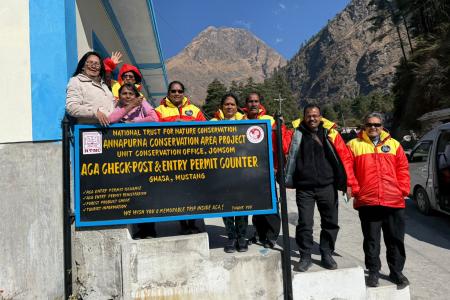
Annapurna Circuit & ABC: The Annapurna Conservation Area Project (ACAP) permit windows cross-verify coverage limits and your required licensed guide's credentials at entry gates like Besisahar.
Restricted Areas (Manaslu, Upper Mustang, Dolpo: Under the landmark Department of Immigration update, solo travelers can now apply for restricted area permits individually without a group partner, but hiring a licensed local guide through a TAAN-registered agency and providing verified high-altitude insurance remain strictly compulsory to print the permit.
The Altitude Loophole: Why Your Current Policy is Probably Useless
This is where the vast majority of independent travelers make a catastrophic mistake. They buy a standard, reputable insurance policy, assuming that general medical coverage handles any health crisis abroad.
Standard Policy Caps vs. Himalayan Realities
Most mainstream travel insurance policies, including those built into premium credit cards, contain a strict altitude exclusion clause capped at 2,000 to 3,000 meters. They are designed for alpine skiing vacations or light day hikes, not high-altitude Himalayan expeditions.
Consider the geographic reality of a typical Nepal itinerary:
| Landmark / Route Location | Elevation (Meters) | Standard Policy Status |
| Standard Policy Cap | 2,000m – 3,000m | Automatic Exclusion |
| Namche Bazaar (Everest Route) | 3,440m | Breached |
| Annapurna Base Camp | 4,130m | Breached |
| Gorak Shep (EBC Route) | 5,164m | Breached |
| Everest Base Camp | 5,364m | Breached |
| Thorong La Pass (Annapurna) | 5,416m | Breached |
If you develop severe altitude sickness at Gorak Shep (5,164m) and your policy is capped at 4,000 meters, your insurer will legally deny your claim immediately. You are completely on your own. Always look for a specialized adventure add-on that explicitly extends coverage up to 6,000 meters.
Trekking vs. Mountaineering Definitions in the Fine Print
Read the definitions section of your contract carefully. Insurers draw a distinct line between trekking (walking on established paths without technical gear) and mountaineering or climbing (which involves ropes, harnesses, ice axes, or crampons). If you are crossing high passes like Cho La or trekking a designated "climbing peak" like Island Peak (6,189m), ensure your policy doesn’t classify these crossings under a strict mountaineering exclusion.
Helicopter Evacuation in Nepal: Reality and Out-of-Pocket Costs
Nepal’s remote mountain infrastructure relies entirely on private helicopter charters for emergency medical rescue. No road networks or wheeled ambulances serve the high teahouses of the Khumbu, Langtang, or Manaslu regions.
What an Airlift Actually Costs Out-of-Pocket
If you do not have specialized travel insurance or if your provider refuses to issue a guarantee letter, you must pay the charter operator directly. Actual data from mountain rescues show staggering numbers:
- Annapurna Region Evacuation: $3,000 – $5,000 USD
- Everest Base Camp / Khumbu Evacuation: $5,000 – $8,000 USD
- Remote Regions (Dolpo, Kanchenjunga): $6,000 – $12,000+ USD
These costs merely cover the flight to Kathmandu. Hospital stays at specialized international clinics like CIWEC or Norvic run an extra $500 to $3,000+ per day.
Direct Billing vs. Reimbursement: The Catch That Can Strand You
Some insurance policies offer excellent altitude coverage but operate strictly on a reimbursement basis. This means you must pay the $6,000+ rescue fee out of pocket or max out a credit card, then file a claim to get your money back months later.
Expert Warning: Helicopter operators in Kathmandu rarely take off for a foreign trekker without an upfront cash/card deposit or an official Guarantee of Payment (GoP) letter from an authorized insurance company. Choose a specialized adventure provider known for issuing lightning-fast GoP letters to Kathmandu ground handlers.
Comparing the Best Travel Insurance for Nepal Trekking
Here is a direct comparison of the primary international insurance providers trusted by the Himalayan trekking community.
| Provider | Max Altitude Limit | Emergency Evacuation Style | Best Suited For |
| World Nomads (Explorer Plan) | Up to 6,000 meters | Direct Billing via fast-tracked GoP letters. | Global trekkers looking for well-established high-altitude coverage. |
| True Traveller (with Extreme Pack) | Up to 6,000 meters+ (Customizable) | Direct Billing via 24/7 medical assistance teams. | Residents of the UK and Europe looking for specialized adventure sport policies. |
| IMG Global (Patriot + Adventure Rider) | Unlimited / Custom Mountaineering options | Direct Billing coordination with local ground handlers. | High-risk mountaineers, peak climbers, and long-term wilderness explorers. |
| SafetyWing (Nomad Insurance) | Capped at 4,500 meters | Reimbursement heavy; slower emergency approval process. | Digital nomads are staying below high-altitude passes. Insufficient for EBC or Annapurna Circuit. |
Hidden Risks Your Policy Must Cover
A great Himalayan policy protects you from more than just altitude sickness. Make sure your contract includes riders for these common disruptions:
The Lukla Flight Delay Domino Effect: The airport in Lukla (the gateway to the Everest region) is entirely dependent on clear visual flight conditions. Sudden mountain fog or high winds frequently shut down the airport for 3 to 5 consecutive days. When this happens, you miss your international return flight out of Kathmandu, lose your hotel bookings, and incur unexpected accommodation expenses. Ensure your insurance has a robust Trip Interruption and Delay clause that compensates you for weather-related flight disruptions.
Medical Repatriation (The $50,000 Flight Home): If you suffer a serious injury, like a shattered ankle from a trail fall or severe complications from HACE, a local hospital may stabilize you but recommend you return home for advanced surgery. A standard commercial flight will not accept a patient requiring medical supervision or specialized stretchers. Medical repatriation flights via commercial air ambulance liners scale from $30,000 to over $80,000 USD. Ensure your policy's Medical Repatriation sub-limit explicitly covers these high-tier transport costs.
How to Trigger an Emergency Rescue: Step-by-Step
If an emergency strikes on the trail, chaos can delay medical response times. Follow this operational sequence to ensure your rescue is authorized and covered seamlessly:
Assess and Stabilize the Patient (Immediate Action)
Move the patient out of immediate trail hazards. If Acute Mountain Sickness (AMS) is suspected, immediately administer supplementary oxygen if available and prepare to descend manually without waiting for a helicopter.
Contact Your Trekking Agency's Operations Hub (Within 10 Minutes)
Under current regulations, your local agency is legally responsible for emergency coordination. Provide your licensed guide with your location's exact GPS coordinates, the patient's symptoms, and clear physical details of the nearest flat helicopter landing zone (LZ).
Alert the Insurance Emergency Hotline (Simultaneous Step)
Call your insurer's 24-hour emergency medical assistance line. Give them your policy number and the contact information of your trekking agency so they can cross-verify the emergency and issue a Guarantee of Payment (GoP) letter directly to the helicopter operator in Kathmandu.
Clear and Secure the Landing Zone (Before Arrival)
While the aircraft is en route (typically 1 to 3 hours, depending on weather windows), clear the landing zone of loose gear, packs, and debris. Secure bright clothing or markers to indicate wind direction for the incoming pilot.
Frequently Asked Questions (FAQ)
Q.Can I buy travel insurance after arriving in Kathmandu?
A.Most reputable international insurers require you to buy your policy before you leave your home country. Providers like World Nomads may allow you to purchase a policy while already traveling, but a strict 48-to-72-hour waiting period applies before the high-altitude coverage becomes active to prevent fraudulent, trail-side sign-ups. Alternatively, specialized domestic insurance options can now be bought locally through registered agencies in Kathmandu.
Q. What happens if my guide insists on a helicopter but I feel fine?
A.There has been an historical issue with "unnecessary rescue scams" in Nepal, where corrupt guides pressured trekkers into helicopter evacuations to collect kickbacks from charter firms. If you feel perfectly fine, refuse the evacuation, demand to walk down to a lower altitude, and speak directly to your insurance company's medical desk before boarding an aircraft.
Q. Does credit card travel insurance cover trekking to Everest Base Camp?
A. Almost universally, no. While premium credit cards offer excellent rental car and flight cancellation coverage, their medical transport clauses strictly exclude extreme adventure activities and cap altitude coverage well below the 3,000-meter mark.
Protect Your Himalayan Adventure
Don’t let an unexpected medical emergency turn your dream trek into a financial disaster. Take a screenshot of your policy details, save an offline copy of your insurer's emergency contact number, and leave a duplicate copy with your local guiding team. Stay safe, stay covered, and enjoy the majestic views of Nepal.
Chat Live With Our Team & Verify Your Insurance
Contact Trek Curator
Have questions about specific altitude riders, mandatory guide regulations, or custom itineraries? Connect with our Kathmandu team directly for 24/7 expert trail guidance.
📧 Email: info@trekcurator.com
📱 WhatsApp / Phone: +977 9851318186 (Speak directly with founder & lead guide Taranath Bhatta)