This guide helps travelers choose the best season for trekking, budget travel, photography, and cultural experiences in Nepal. Nepal travel seasons are best understood by month clusters: October–November (peak visibility), March–April (balanced trekking), June–August (budget travel), and December–February (quiet season).
Best Answer (Quick Summary)
October–November and March–April are the best times to visit Nepal due to stable weather, clear Himalayan views, and ideal trekking conditions.
These peak months offer:
- Crystal-clear Himalayan mountain views
- Stable, dry weather conditions
- Best trekking access (Everest, Annapurna, and Langtang regions)
- Comfortable daytime temperatures
According to the Nepal Tourism Board and Himalayan trekking operators, peak seasons consistently deliver the highest visibility and the safest trail conditions.
Introduction: Why Timing Your Nepal Trip Changes Everything
There’s a moment most travelers never forget in Nepal. You’re walking along a quiet Himalayan trail, maybe near Pokhara or ascending toward Everest, and suddenly, the clouds break. Snow-covered peaks appear like they’ve been switched on.
But here’s what experienced trekking guides always emphasize: Nepal doesn’t have one “best time”—it has four completely different versions of itself. Choose the right season, and the Himalayas feel within reach. Choose the wrong one, and the mountains can disappear behind heavy mist for days.
Weather clarity can change by more than 70% between the monsoon and autumn months, directly impacting your views and flight reliability. Here is how those seasons break down:
When to Go: The 2026 Seasonal Breakdown
Choosing when to visit Nepal depends entirely on what you want to experience. While autumn offers unparalleled clarity, spring brings the hills to life with color.
| Season | Months | Avg Temperature (Low / High) | Visibility & Crowds | Key Travel Insight & Difficulty |
| Spring | Mar–May |
Lowlands: 10°C to 22°C High Altitude: -5°C to 10°C |
High Crowds | Moderate. Excellent mix of wildlife, blooming rhododendrons, and stable pass crossings. |
| Monsoon | Jun–Aug |
Lowlands: 18°C to 30°C High Altitude: 0°C to 10°C |
Very Low Crowds | Hard. Slick trails, mud, and landslides. Classic paths are tough, but rain-shadow deserts (Mustang) are perfect. |
| Autumn | Late Sep–Nov |
Lowlands: 8°C to 20°C High Altitude: -8°C to 12°C |
Peak Crowds | Easy–Moderate. Maximum visibility and trail safety. The gold standard, but teahouses fill up fast. |
| Winter | Dec–Feb |
Lowlands: 5°C to 18°C High Altitude: -15°C to 5°C |
Low Crowds | Moderate–Hard. Clear, crisp skies, but extreme high-altitude cold requires heavy winter gear. |
Best Time to Visit Nepal for Trekking
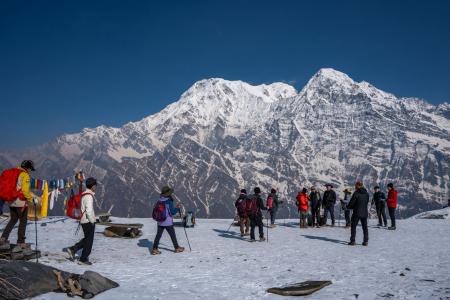
Autumn (Late September–November): The Gold Standard
- Widely considered the ultimate trekking window in Nepal.
- The Perks: Ultra-sharp Himalayan visibility, dry trails, and comfortable hiking temperatures.
- Popular Treks: Everest Base Camp, Annapurna Circuit, Langtang Valley.
Expert Insight: Early September still catches the tail-end of the monsoon rains. The true "peak clear weather" kicks off in late September. Because of this perfect weather, trekking companies see peak demand, and local operators report a 20–40% price increase during October.
Downside: Crowded trails and higher accommodation costs.
🌸 Spring (March–May): The Most Photogenic Season
Spring is the second-best trekking window and a favorite for nature lovers.
- The Perks: Vibrant, blooming rhododendron forests, balanced weather, and great morning visibility.
Expert Insight: Many veteran guides call this the most beautiful season because the colorful valleys offer a stunning contrast against the white, snow-capped peaks.
Winter (December–February): Quiet & Crisp
Winter is underrated for those who don’t mind the cold.
- The Perks: Crystal-clear morning skies, virtually no crowds on the trails, and lower off-season prices.
- The Catch: Extreme cold at high altitudes and heavy snow can temporarily close high passes (like Thorong La or Cho La).
- Best for: Cultural city travel, photography, and lower-altitude treks (like the Ghorepani Poon Hill trek).
Monsoon (June–August): Low Visibility but Great for Rain-Shadows
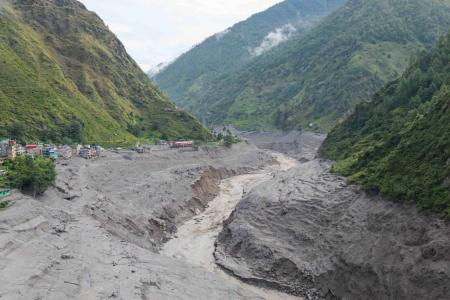
Monsoon is generally not recommended for classic Himalayan trekking due to slick trails, leeches, and landslide risks that can delay domestic flights.
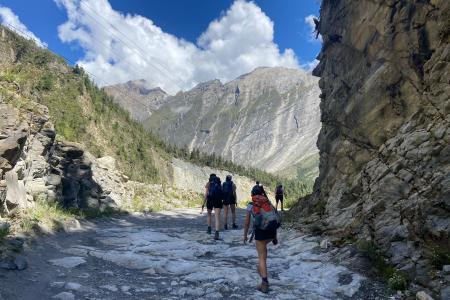
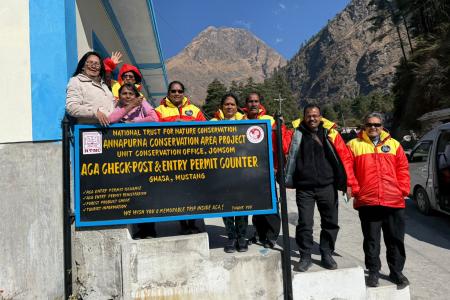
- The Exception: Rain-shadow regions like Mustang and Dolpo stay dry and clear, making them spectacular (though remote) summer trekking destinations.
- Best for: Cultural explorers, budget backpackers, and rain-shadow trekkers.
Cheapest Time to Visit Nepal (Budget Breakdown)
Cheapest Months: June–August (monsoon) and January–February (winter).
Price Drops: Hotels are often 30–50% cheaper, domestic flight routes face less demand, and trekking packages can be secured at heavily reduced off-season rates.
The Trade-off: You must be flexible. Heavy monsoon rain or winter fog can delay flights into mountain airstrips like Lukla.
Best Time for Culture & Festivals ( 2026 Calendar)
Nepal is a cultural powerhouse, and aligning your trip with a festival offers unforgettable immersion. If you are traveling in 2026, keep these exact calendar dates in mind:
- Holi (March 3, 2026): The famous, high-energy festival of colors celebrated wildly across the streets of Kathmandu and Pokhara. (Note: Celebrated in the Terai flatlands on March 4).
- Dashain (October 11–26, 2026): Nepal’s largest national festival. Celebrations kick off with Ghatasthapana on October 11, leading up to the main day of sacred blessings (Bijaya Dashami) on October 21, and concluding on October 26. Expect massive bamboo swings, family feasts, and reduced business hours as locals travel home.
- Mani Rimdu Festival (October 26–28, 2026): The most crucial festival for the Sherpa community in the Everest region, held at the iconic Tengboche Monastery. Perfect for hikers on the Everest Base Camp route looking to witness three days of sacred, public masked dances (Chham).
- Tihar (November 6–11, 2026): The beautiful five-day festival of lights. The magic begins with Kaag Tihar (crow worship) on November 6, followed by Kukur Tihar (honoring dogs). The highly anticipated Laxmi Puja falls on November 9, where the streets glow brilliantly with oil lamps and marigold flowers, concluding with Bhai Tika on November 11.
Best Time for Photography in Nepal
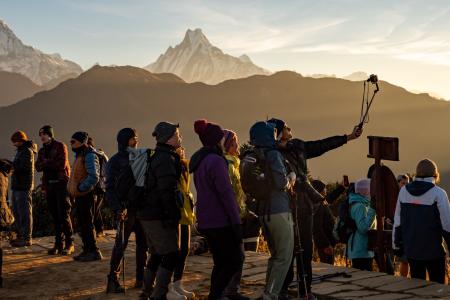
- Autumn yields the sharpest, most pollution-free Himalayan visibility.
- Spring offers the best foregrounds with blooming wildflowers and rhododendrons.
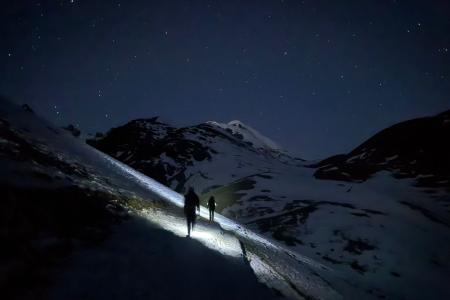
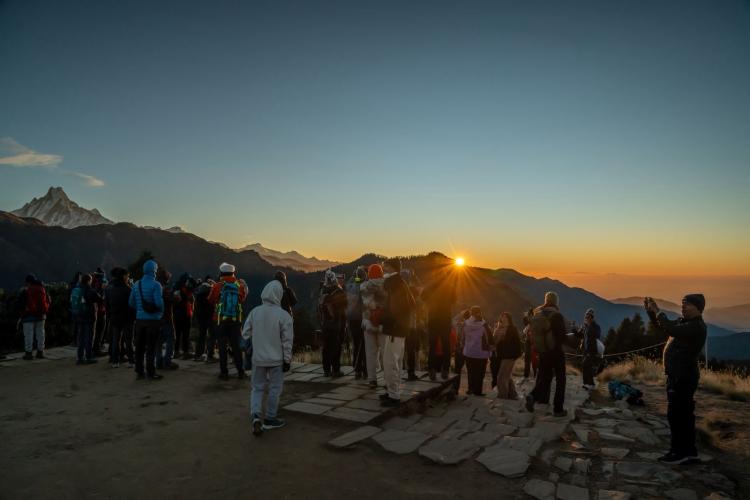
Pro Photographer Tip: The clearest mountain shots are typically captured before 8:00 AM. As the sun heats the valleys, clouds and haze naturally rise to cover the peaks by midday.
Practical Nepal Travel Tips from the Pros
1. Secure Cash and Local SIMs Upon Arrival: While major hubs in Kathmandu accept credit cards, mountain teahouses operate entirely on local cash (Nepali Rupees). Grab a local Ncell or Nepal Telecom SIM card at the Tribhuvan International Airport arrival terminal for data access along the trail networks.
2. Pack for Rapid Layering: Mountain temperature fluctuations are severe. You will easily sweat in a t-shirt while hiking uphill at noon, but will immediately require a heavy down jacket the moment the sun drops below the peaks at 5:00 PM.
3. Pace Your Ascent Aggressively: Acute Mountain Sickness (AMS) is dictated entirely by your rate of ascent and altitude adjustments, not your baseline physical fitness. Schedule structured acclimatization days if passing 3,500 meters, and consistently consume 4 liters of water daily.
Frequently Asked Questions
Q.What is the single best month to visit Nepal?
A.October is widely considered the best month. The monsoon rains have completely cleared the air, leaving the brightest skies, safest trails, and perfect trekking temperatures.
Q.What is the cheapest time to visit Nepal?
A.The monsoon season (June–August) offers the deepest discounts on accommodation and tour packages, followed by the peak winter months (January–February).
Q.Can you see Mount Everest clearly year-round?
A.No. During the monsoon (June–August), Everest is almost always shrouded in thick cloud cover. Your highest chance of a crystal-clear view is in the early mornings of October through November or March through April.
Final Verdict: Simple Decision Guide
- Autumn (Sep–Nov): Choose this for the ultimate trekking clarity and big cultural festivals.
- Spring (Mar–May): Choose this for beautiful blooming scenery, photography, and wild rhinos/wildlife spotting.
- Winter (Dec–Feb): Choose this to avoid the crowds, save money, and enjoy crisp, quiet trails.
- Monsoon (Jun–Aug): Choose this for budget travel or exploring the unique, dry landscapes of Upper Mustang.
Ready to Plan Your Nepal Trip in 2026?
Nepal isn’t just a destination; it’s a completely different experience depending on when you go.
High-demand trekking permits and peak-season mountain flights for October and November 2026 fill up months in advance. Analyze seasonal price differences, compare your options, and secure your spot today to guarantee the trip of a lifetime!
Need Help Planning Your Perfect Nepal Trip?
Don't puzzle over itineraries alone! Whether you have questions about trail safety, altitude pacing, or booking the right flights, we're here to help you pull it all together.
💬 Chat instantly on WhatsApp: +977-9851318186
✉️ Drop us an email: info@trekcurator.com