Choosing when to trek to Everest Base Camp (EBC) is the single most important decision of your preparation. Get it right, and you will be rewarded with crystal-clear Himalayan sunrises, stable weather, and shirtsleeve daytime hiking. Get it wrong, and you can find yourself staring at cloud-covered peaks, shivering next to frozen water pipes, or stuck at an airport runway for days.
At elevations climbing from 2,860m (Lukla) up to 5,545m (Kala Patthar), mountain weather changes rapidly. This comprehensive, month-by-month breakdown will help you choose the perfect window for your travel style, budget, and physical preparation.
Quick Answer: When is the Best Time for Everest Base Camp Trek
- Best Overall Month: October
- Top Trekking Seasons: Spring (March–May) & Autumn (September–November)
- Best for Photography & Crystal-Clear Views: October & November
- Best for Scenery & Wildflowers: April
- Best for Beating the Crowds: Late November & February
- Months to Absolutely Avoid: July & August (Peak Monsoon)
Everest Base Camp Trek Seasons Overview
Here is the detailed comparison of EBC seasons
| Season | Months | Weather & Visibility | Crowd Levels | Trail Conditions |
| Spring | March–May | Mild, blooming flora, afternoon haze | High | Great, clearing snow |
| Monsoon | June–August | Heavy rain, obscured peaks, humid | Minimal | Muddy, leeches at lower altitudes |
| Autumn | September–November | Sharp visibility, dry, stable | Very High | Great, clearing snow |
| Winter | December–February | Freezing nights, clear but harsh cold | Very Low | Muddy, leeches at lower altitudes |
Everest Base Camp Weather by Month
March
Winter snow begins to melt at lower altitudes as temperatures slowly warm up. While mornings are beautifully clear and the trails are blissfully quiet compared to peak season, high-altitude teahouses remain intensely cold. You must pack high-quality thermals and a heavy-duty sleeping bag.
April (Highly Recommended)
This is the prime spring month, featuring exceptionally stable weather where rhododendron forests burst into vibrant pinks and reds. The lower valleys are stunningly beautiful, though you should expect major trail hubs like Namche Bazaar to become packed with trekkers.
May
Daytime temperatures become much warmer, and the Everest climbing expedition season is in full swing. This turns the base of the mountain into a bustling, colourful tent city visible from the trekking edge. The trade-off is that pre-monsoon humidity begins to build up, bringing an afternoon haze that can obscure distant panoramic peaks.
June
The summer monsoon begins to roll into the Himalayas, with rain creeping into the lower trails by mid-month. Leeches appear below Lukla, and flight cancellations to the mountains become a daily occurrence.
July & August (The Off-Season)
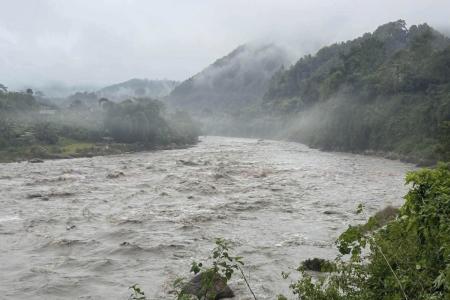
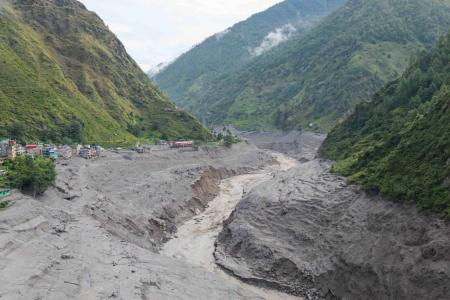
Characterised by heavy downpours, high humidity, and thick cloud cover, this is the worst time for mountain views. Trails are slick, lower sections are prone to landslides, and Everest can remain completely hidden behind cloud walls for weeks at a time.
September
The monsoon transitions out, making it a total gamble month. Early September still catches the tail end of the heavy rains. By late September, however, the atmosphere is washed completely clean, opening up pristine, dust-free mountain views.
October (The Peak Month)
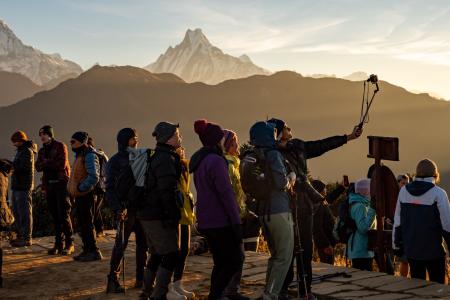
Offering outstanding visibility, crisp air, and perfectly stable weather, this is the absolute best month to trek. The downside is that you will not be alone; trails are highly crowded, and you must book your flights and teahouses months in advance.
November
Expect crisp, clear skies but rapidly dropping temperatures. This window is phenomenal for photography due to the dry, dust-free atmosphere. The autumn crowds begin to thin out significantly by mid-month, but nights at Gorakshep (5,164m) will drop well below freezing.
December, January & February
Intense winter cold and heavy snow accumulation mean the trails are empty, peaceful, and majestic. However, temperatures routinely drop below -15°C to -20°C at night, many upper-elevation teahouses close for the season, and water pipes freeze solid. This window is best left to highly experienced winter trekkers.
Crucial Travel Realities Most Guides Won't Tell You
1. The Lukla Flight Dilemma (Ramechhap Diversion)
During the peak months of April, October, and November, Kathmandu’s Tribhuvan International Airport experiences intense air traffic congestion. To manage this, authorities frequently divert all flights to Lukla out of Manthali Airport in Ramechhap instead of Kathmandu.
The Inside Reality: This diversion completely changes your transit day. It requires waking up at 1:00 AM in Kathmandu to endure a bumpy, 4-to-5-hour shared bus or private Jeep ride to Ramechhap just to catch your morning flight. Because Ramechhap is closer to Lukla, planes can fly a brief 15-minute loop, allowing airlines to squeeze in double the flights before afternoon winds shut down Lukla's runway. Always factor 2 to 3 buffer days at the end of your itinerary in Kathmandu to account for weather delays.
2. The Mandatory Guide Law & Group Ratios
Independent, purely solo trekking to Everest Base Camp is no longer legally permitted for foreign nationals. To strengthen trail safety and ensure immediate medical response at altitude, foreign trekkers must be accompanied by a government-licensed guide registered through an authorised trekking agency.
Furthermore, strict group caps are enforced: a single guide can escort a maximum of 7 trekkers. Groups of 8 or more require an additional assistant guide. Checkpoints along the trail, particularly at Monjo, strictly enforce this policy. Unguided foreign trekkers are systematically turned back or fined.
3. The 2026 Permit Framework: The Death of the TIMS Card
If you are reading older online forums or outdated travel blogs, completely ignore advice about buying a standard green or blue paper TIMS card. The system has been fully digitised and phased out. For the Everest region, you only need to secure two primary entry permits:
The Khumbu Local Municipality Entrance Fee: Costs NPR 3,000 (roughly $23 USD) per person. This is paid directly upon arrival at the checkpoints in Lukla or Monjo.
Sagarmatha National Park Permit: Costs NPR 3,000 (roughly $23 USD). While you can buy this at the park entrance gate in Monjo, the queues during peak October and April seasons are immense. It is highly recommended to have your registered trekking agency secure this via the government's centralised digital portal ahead of time. Verify current government pricing schedules directly via the official Nepal Tourism Board Portal.
High-Altitude Teahouse Comfort
No matter what month you choose, remember that high-altitude teahouses are basic, unheated plywood structures.
- Electricity: Charging your phone, power bank, or camera battery costs an extra fee ($2 to $5 USD per charge) and relies purely on solar power. Cold weather drains lithium batteries rapidly; keep them zipped inside your sleeping bag at night.
- Wi-Fi: You can purchase prepaid internet cards on the trail (such as Everest Link tokens), but speeds degrade significantly the higher and further you climb.
Essential Safety & Preparation
Prioritize Acclimatization
Altitude sickness does not care about your fitness level, age, or athletic background. Your itinerary must include dedicated acclimatisation rest days, typically one at Namche Bazaar (3,440m) and another at Dingboche (4,410m).
Red Flag Symptoms: If you or anyone in your group experiences a persistent headache, nausea, dizziness, or a total loss of appetite, do not ascend further. Descending to a lower altitude is the only cure for worsening Acute Mountain Sickness (AMS). Stay hydrated, avoid alcohol completely, and always listen to your local guide.
Seasonal Packing Variations
- Spring/Autumn: A versatile layering system is king. You will likely hike in a lightweight base layer or t-shirt in the afternoon sun, but you will need a heavy down jacket the moment the sun dips behind the mountain ridges.
- Winter: Requires a heavy -20°C rated down sleeping bag, thick insulated gloves, a thermal balaclava, and microspikes/crampons for icy, snow-packed trail sections.
- Monsoon: High-quality waterproof gaiters, an oversized backpack rain cover, a heavy-duty poncho, and synthetic, quick-dry clothing are completely non-negotiable. Single-use plastic water bottles are banned in the region, so bring a reusable insulated bottle and a water filtration system (like a Sawyer or Grayl filter).
Which Season Fits Your Travel Style?
First-Time Trekkers: Stick strictly to April or October for the safest, most predictable weather, fully open teahouses, and stable trail conditions.
Photographers: Choose October or November for the sharpest, most dust-free mountain panoramas and crisp morning light.
Solitude Seekers: Aim for Late November or February to experience the grand, silent scale of the Himalayas without the tourist crowds.
Frequently Asked Questions
Q.Is October the best month for the Everest Base Camp trek?
A.Yes. October usually offers the clearest skies, stable weather, and outstanding mountain visibility.
Q.Can beginners trek to Everest Base Camp?
A.Yes. With proper preparation, pacing, acclimatisation, and reasonable fitness, beginners can complete the trek.
Q.How long does the Everest Base Camp trek take?
A.Most itineraries take between 12 and 14 days, including acclimatisation days.
Q.Is Everest Base Camp crowded in spring?
A.Yes. Spring is one of Nepal’s busiest trekking seasons, especially during April and May.
Q.How cold does Everest Base Camp get?
A.
- Daytime at Base Camp: around -2°C to 8°C depending on season
- Nighttime: can drop below -15°C in winter
Q.Can you trek to Everest Base Camp during the monsoon season?
A.Yes, but rain, cloud cover, and frequent flight disruptions make the monsoon less ideal for most trekkers.
Q.Which season has the best mountain views?
A.Autumn generally provides the clearest Himalayan panoramas, especially during October and early November.
Q.Is travel insurance required?
A.It is absolutely mandatory for booking with reputable agencies. Ensure your specific policy explicitly covers high-altitude trekking up to 6,000 meters and includes provisions for emergency helicopter evacuation. Standard global travel insurance policies usually cap out at 3,000 meters.
Ready to Stand at the Base of the World's Tallest Peak?
The Himalayas reward thorough, respectful preparation. Don't leave the trip of a lifetime to chance; start planning your itinerary early, book your peak-season internal flights well in advance, and start training your legs today.
[View Our Recommended 14-Day Safe Acclimatisation Itinerary]
- WhatsApp: +977-9851318186
- Email: info@trekcurator.com