Planning a high-altitude trek in Nepal is exciting, but packing the right gear is one of the most important and difficult steps for a safe and enjoyable adventure. Whether you're trekking to Everest Base Camp, Annapurna Base Camp, Annapurna Circuit, Langtang Valley, Manaslu Circuit, Mardi Himal, or other Himalayan trails of Nepal, having the right equipment can make your journey much more comfortable and easier.
The weather in Nepal's mountains changes within minutes. You may enjoy warm sunshine in the morning and face freezing temperatures, rain, strong winds, or snowfall by afternoon. At higher elevations, oxygen levels decrease, making your body work harder. Packing wisely helps you stay warm, dry, healthy, and prepared for these changing conditions.
This packing guide includes everything you need before your trek, including clothing, footwear, trekking equipment, sleeping gear, first aid, electronics, travel documents, snacks, and expert packing tips. Whether you're a first-time trekker or an experienced adventurer, this checklist helps you preventing unnecessary weight in your backpack.
Complete High Altitude Trekking Packing Checklist Clothing
Clothing
| Base Layer | Mid Layer | Outer Layer |
| Moisture-wicking thermal tops (2) | Fleece jacket | Waterproof jacket |
| Thermal bottoms (2) | Lightweight insulated jacket | Waterproof trekking pants |
| Quick-dry T-shirts (3–4) | Trekking pants (2) | Down jacket (-10°C or warmer) |
| Underwear (5–7 pairs) | Hiking shorts (optional) | Rain poncho (optional) |
| Sports bra (if required) |
Accessories
- Warm beanie
- Sun hat
- Neck gaiter or Buff
- Waterproof gloves
- Warm inner gloves
- Wool socks (3–4 pairs)
- Trekking socks (3–4 pairs)
Footwear
- Waterproof trekking boots
- Lightweight sandals
- Camp shoes
- Gaiters (winter treks)
- Spare shoelaces
- Blister patches
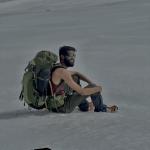
Backpack
- 40–50L trekking backpack
- Rain cover
- Dry bags
- Small daypack (optional)
Sleeping Gear
- Sleeping bag (-10°C to -20°C)
- Sleeping bag liner
- Inflatable pillow (optional)
Trekking Equipment
- Trekking poles
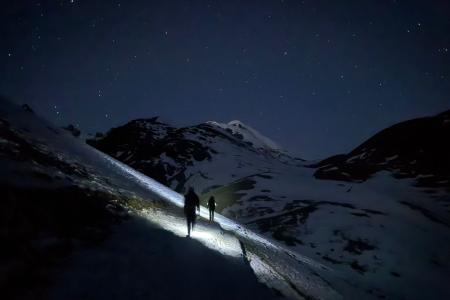
- Headlamp
- Extra batteries
- Reusable water bottles
- Hydration bladder
- Water purification tablets
- Water filter
- Pocket knife
- Repair tape
Personal Care
- Toothbrush
- Toothpaste
- Soap
- Shampoo
- Sunscreen SPF 50+
- Lip balm
- Moisturizer
- Hand sanitizer
- Wet wipes
- Toilet paper
- Quick-dry towel
First Aid Kit
- Personal medicines
- Diamox (consult your doctor)
- Pain relievers
- Bandages
- Blister treatment
- Antiseptic cream
- ORS packets
- Electrolyte powder
- Anti-diarrheal medicine
- Allergy medicine
Electronics
- Mobile phone
- Camera
- Power bank (20,000mAh)
- Charging cables
- Universal adapter
- Extra memory card
- Smartwatch or GPS watch (optional)
Food & Snacks
- Energy bars
- Mixed nuts
- Trail mix
- Chocolate
- Dried fruits
- Electrolyte tablets
Important Documents
- Passport
- Nepal visa (if required)
- Trekking permits
- Travel insurance
- Flight tickets
- Emergency contacts
- Cash (small denominations)
- Printed copies of important documents
Optional Items
- Kindle or book
- Journal
- Playing cards
- Camera tripod
- Binoculars
- Earplugs
What You Should NOT Pack
- Heavy jeans
- Large bottles of toiletries
- Hair dryer
- Too many clothes
- Expensive jewelry
- Heavy laptops unless necessary
Packing Tips
- Pack only what you need.
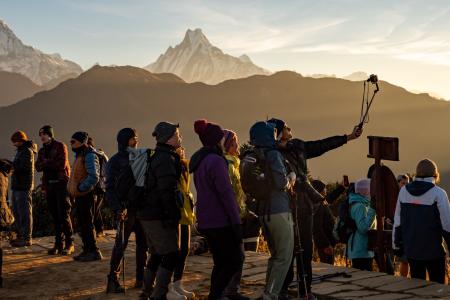
- Follow the three-layer clothing system.
- Waterproof your gear using dry bags.
- Break in your trekking boots before your trip.
- Stay hydrated throughout your trek.
- Walk slowly to reduce altitude sickness.
- Keep snacks and water easily accessible.
- Carry enough cash for remote villages.
Frequently Asked Questions
How heavy should my backpack be?
Aim for 8–12 kg if you're carrying your own backpack.
Do I need a sleeping bag?
Yes. Even if teahouses provide blankets, a warm sleeping bag offers better warmth and hygiene.
Can I rent trekking gear in Nepal?
Yes. Kathmandu and Pokhara have many affordable rental shops offering sleeping bags, down jackets, trekking poles, and more.
https://www.trekcurator.com/blog/best-trekking-shops-in-thamel
Is travel insurance necessary?
Absolutely. Choose travel insurance that covers high-altitude trekking and helicopter evacuation.