Nepal Trekking Permits and Costs in 2026: The Complete Guide to Fees, Rules, and Smart Savings
Planning a trek in Nepal is one of the most exhilarating adventures in the world. Whether you are dreaming of standing beneath Mount Everest, crossing the legendary Thorong La Pass on the Annapurna Circuit, exploring the remote forbidden kingdom of Upper Mustang, or trekking through the serene valleys of Langtang, nailing down your paperwork is essential.
Many trekkers spend months researching down jackets and breaking in hiking boots, only to leave permit details until the last minute. In 2026, that mistake can cost you. Because Nepal now tracks trail traffic via centralized digital checkpoints, relying on outdated rules from past travel blogs could result in heavy on-site fines, or worse, being turned back at the trailhead.
This comprehensive guide breaks down the exact costs of Himalayan permits this year, clarifies the mechanics of the mandatory guide policy, and shows you how to protect your travel budget.
Quick Overview: The New 2026 Rules
- The Mandatory Guide Policy: Independent, unguided trekking remains strictly prohibited across all major national parks, conservation areas, and protected regions. To pass trail checkpoints, you must be accompanied by a government-licensed guide registered through an authorized local agency.
- Solo Restricted Permits Allowed: In a massive legal update, Nepal’s Department of Immigration officially abolished the historical "minimum group size of two" rule. Individual solo travelers can now legally obtain Restricted Area Permits (RAPs) for pristine zones like Upper Mustang and Manaslu, though hiring a licensed guide remains non-negotiable.
- The 1:7 Guide Ratio: Regulations stipulate that a single licensed trekking guide can accompany a maximum of 7 trekkers per permit to ensure high-altitude safety.
- Centralized Digital Verification: Paper permits and physical TIMS cards are completely a thing of the past. Checkpoints across the country now utilize digital QR code scanners linked to the central government portal to verify real-time trekker safety.
- Direct Mountain Economics: Tourism revenue historically leaked away from remote borderlands. This modern framework ensures your permit funds directly subsidize local health posts, trail maintenance, and basic infrastructure inside the mountain villages you visit.
Why Has Nepal Modernized the System?
- Trekker Accountability & Rescue: Real-time digital tracking allows search-and-rescue teams to instantly cross-reference exact climber locations during sudden weather shifts or medical emergencies.
Environmental Infrastructure: Fragile alpine trail ecosystems face extreme pressure. Your permit fees directly bankroll localized waste management networks and wildlife conservation zones. - Direct Mountain Economics: Tourism revenue historically leaked away from remote borderlands. This modern framework ensures your permit funds directly subsidize local health posts, trail maintenance, and basic infrastructure inside the mountain villages you visit.
2026 Permit Cost Matrix
While Restricted Area Permits (RAPs) are denominated in USD, local park, municipality, and conservation fees must be paid in Nepalese Rupees (NPR). Always carry local cash for trailside checkposts.
| Trekking Region / Route | Required Permits & Fees | Base Cost (Approx. USD Equivalent) | Solo Permitted? (As 1 Trekker + 1 Guide) |
| Everest Base Camp / Three Passes |
Sagarmatha National Park Permit: NPR 3,000
|
~$45 total | Yes (Guide mandatory; TIMS not required here) |
| Annapurna Circuit / Base Camp |
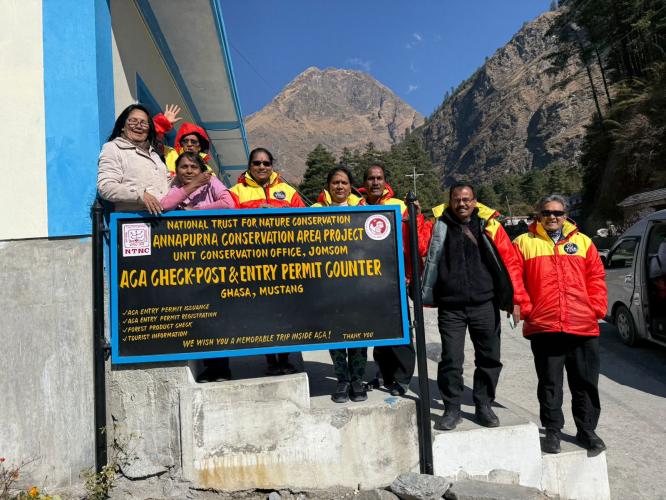
ACAP Permit: NPR 3,000
|
~$37 total | Yes (Guide mandatory) |
| Langtang Valley |
Langtang National Park Permit: NPR 3,000
|
~$37 total | Yes (Guide mandatory) |
| Manaslu Circuit |
RAP (Sept–Nov): USD 100/first week + USD 15/day extra
|
Starting at ~$145+ | Yes (New March 2026 Rule—No second partner needed!) |
| Upper Mustang |
RAP: USD 500 per person (for first 10 days) + USD 50/day extra ACAP Permit: NPR 3,000 |
Starting at ~$522 | Yes (New March 2026 Rule—No second partner needed!) |
Hidden Trekking Costs to Budget For
The cost of your paperwork is only a baseline. To map out a realistic financial plan, factor in these trail realities:
- Mandatory Insurance Uploads: To issue permits, the digital portal requires an insurance policy upload. Your policy must explicitly state high-altitude coverage up to 6,000 meters and include unconditional emergency helicopter evacuation. Standard travel insurance policies usually cap out at 2,500 meters and will be immediately flagged and rejected by the portal system.
- Guide & Porter Wages: Licensed mountain guides cost between USD 25 and USD 45 per day, depending on experience and route difficulty. This covers their food, accommodation, and field insurance. If you hire a porter to handle your main gear bag, factor in USD 20 to USD 35 per day. Tipping your field crew 10% to 15% of their total wage is standard cultural etiquette.
- The Single-Use Plastic Bottle Ban: Most major routes have completely banned single-use plastic bottles. You must budget for an insulated metal bottle alongside a robust water filtration system (like a Grayl bottle or Sawyer filter) or pay NPR 100 to NPR 300 per liter for boiled water at teahouses.
- Non-Refundable Fees: All government, conservation, and municipality trekking permits are strictly non-refundable and non-transferable once issued, even if you turn back early due to altitude sickness.
Smart Ways to Save Money
Share Guide Expenses in a Small Group: Because a single certified guide can legally handle a maximum ratio of 7 trekkers, traveling with friends or joining an authorized agency group lets you split the guide’s daily wage and accommodation costs evenly.
Leverage the Shoulder Season Windows: Arranging your dates during the precise margins of peak season transitions (such as late May or late November) can drastically lower your domestic flight costs and give you significant negotiating power for teahouse room rates.
Prioritize High-Value, Non-Restricted Paths: If a USD 500 permit for Upper Mustang stretches your budget too thin, opt for the Langtang Valley or the classic Annapurna Circuit. The alpine vistas are equally stunning, while your combined permit costs remain well under USD 40.
Frequently Asked Questions
Q.Is a TIMS card required in 2026?
A.The traditional physical paper TIMS card has been discontinued. It has been replaced by the digital E-TIMS QR system (NPR 2,000) for regions like Annapurna and Langtang. However, the Everest (Khumbu) region does not use E-TIMS at all, relying instead on its own local municipality fee.
Q.Can a solo individual trek in Upper Mustang or Manaslu now?
A.Yes! Single travelers can now legally obtain a Restricted Area Permit (RAP) without needing a secondary trekking partner. However, you are still legally required to hire a licensed guide and book through a registered agency.
Q.Can I apply for restricted area permits online by myself?
A.No. The online Department of Immigration portal is strictly accessible by authorized, tax-registered local agencies. Individual foreign tourists cannot apply for RAPs independently; you must submit your documentation through a licensed agency.
Streamline Your Himalayan Adventure
Navigating the digital registry, uploading high-altitude insurance compliance, and securing restricted permits can be daunting from abroad. Our local team specializes in matching adventurers with certified, highly experienced Himalayan guides while handling 100% of your digital permit processing before your boots ever hit the ground in Kathmandu.
Before you set out, make sure to read our essential preparation tips for trekking in Nepal to ensure your gear is trail-ready, or explore our curated Himalayan trekking packages to find your perfect route.
Ready to secure your 2026 permits hassle-free?
Contact Our Local Trekking Experts Today to lock in your certified guide and customize your dream Himalayan itinerary.