Nepal is home to the most demanding trekking routes on the planet. With eight of the world’s 14 highest peaks, including Mount Everest, the country offers far more than scenic walks; it delivers grueling, high-altitude expeditions that push physical endurance and mental resilience to their absolute limits.
Beyond mainstream tea-house trails lies a different world: trackless valleys, shifting glacial moraines, and high mountain passes above 5,000 meters where a sudden blizzard can change everything in minutes. If you are looking to test your boundaries, these are the 10 toughest treks in Nepal, ranked by technical difficulty, remoteness, and altitude exposure.
Quick Overview: The Toughest 5 At A Glance
If you are hunting for your next extreme challenge, these five routes represent the pinnacle of Himalayan trekking:
- Everest Three Passes Trek (Extreme altitude and relentless high passes)
- Dhaulagiri Circuit Trek (True expedition level; heavy glacier travel)
- Upper Dolpo Trek (Deep, self-sufficient wilderness in the rain shadow)
- Kanchenjunga Base Camp Trek (Massive duration in far-eastern isolation)
- Makalu Base Camp Trek (Brutal, steep ascents on underdeveloped trails)
The Baseline for Entry: Every single one of these routes demands weeks of continuous physical output, sustained sleeping altitudes above 4,000 meters, and navigation through remote terrain where helicopter evacuations are highly dependent on clear weather.
What Actually Makes a Nepal Trek "Extreme"?
Trekking difficulty in the Himalayas isn't just about steep hills; it's a volatile combination of environmental and physiological stressors:
- Sustained Altitude Exposure: Spending consecutive days sleeping above 4,000m and crossing passes over 5,000m drastically reduces oxygen absorption, compounding physical exhaustion.
- The Weight of Remoteness: On paths like Upper Dolpo or Kanchenjunga, you are days away from the nearest road head or basic medical post. Rescue access is entirely weather-dependent.
- Technical Terrain: You aren't walking on paved trails. Expect loose scree, active rockfall zones, and crossing dynamic glaciers where trails change weekly as the ice moves.
- Weather Vulnerability: High passes act as weather funnels. Sub-zero temperatures, ice storms, and high valley winds are standard, even during peak seasons.
How Regions Are Classified
- Moderate Treks: Annapurna Base Camp, Ghorepani Poon Hill (Well-graded trails, lower altitude ceilings).
- Hard Treks: Manaslu Circuit, Nar Phu Valley (Requires crossing one major high pass).
- Very Hard Treks: Kanchenjunga, Makalu, Upper Dolpo (Highly remote, basic infrastructure, multi-week lengths).
- Extreme Expeditions: Everest Three Passes, Dhaulagiri Circuit, Great Himalayan Trail (Glacial travel, multiple high passes, mountaineering-adjacent elements).
Top Most Difficult Treks in Nepal
1. Everest Three Passes Trek
Widely considered the ultimate loop in the Khumbu region, this trek avoids the crowded highway to Everest Base Camp by taking on three massive 5,300m+ passes: Kongma La (5,535m), Cho La (5,420m), and Renjo La (5,360m).
Unlike the standard EBC trek, the Three Passes loop forces you to cross active glaciers (like the Ngozumpa Glacier) and exposes you to raw, relentless winds. It requires superb physical conditioning and impeccable acclimatization pacing, but rewards you with unparalleled, uncrowded views of Everest, Lhotse, and Makalu.
2. Dhaulagiri Circuit Trek
The Dhaulagiri Circuit is a full-blown, expedition-style trek that loops around the world's seventh-highest mountain. This route crosses into true mountaineering territory, requiring crampons and occasionally fixed ropes.
You will spend multiple days trekking over raw ice and moraine through the French Pass (5,360m) and Dhampus Pass (5,244m). Accommodation relies entirely on wilderness camping, as there are no teahouses for long stretches. Avalanche risks are real, and the logistics require an experienced crew to navigate safely.
3. Kanchenjunga Base Camp Trek
Tucked into the far eastern border shared with Sikkim, this marathon trek explores both the North and South base camps of Kanchenjunga, the third-highest mountain on earth.
The primary enemy here is time and isolation. Spanning 20 to 25 days, you are cut off from modern civilization on poorly developed trails that snake through dense bamboo forests before hitting high alpine scree. The infrastructure is basic, the walking days are long, and you must maintain physical stamina for nearly a month straight.
4. Upper Dolpo Trek
Upper Dolpo is a starkly beautiful, barren landscape located in Nepal’s far western rain shadow. Culturally Tibetan, this region feels frozen in time.
The trek is exceptionally punishing due to its sheer remoteness. You must navigate multiple high passes above 5,000m (such as the Kang La) with vast distances between tiny, isolated settlements. There are no luxury teahouses here; you are heavily reliant on your trekking agency's logistical capabilities for food, shelter, and emergency support.
5. Makalu Base Camp Trek
This route leads to the base of the world's fifth-highest peak, notorious among climbers for its steep, jagged profile. The trek mirrors that unforgiving landscape.
The trail features relentless, knee-buckling elevation gains and losses, dropping deep into river gorges only to climb straight back up steep ridges. The trails are rugged, often muddy or icy, and see very little foot traffic. Logistical support is basic, meaning you must be entirely comfortable with rustic food and simple shelter.
6. Manaslu Circuit Trek
Circling the eighth-highest peak in the world, the Manaslu Circuit has evolved into a popular, wilder alternative to the classic Annapurna Circuit.
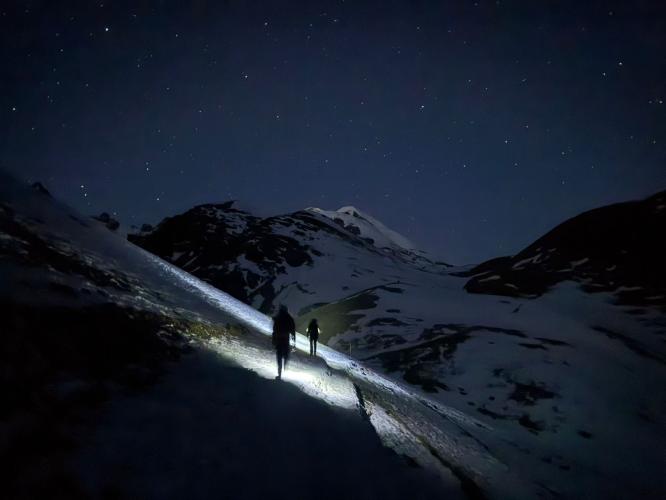
While the majority of the trek features comfortable teahouses, the itinerary builds up to a massive crescendo: crossing the Larkya La Pass (5,106m). The pass day requires a brutal 3:30 AM alpine start to beat the devastating midday valley winds. You will hike for 8 to 10 hours in bitter, sub-zero cold over loose rock and patches of black ice.
7. Rolwaling Valley Trek
Nestled tightly against the Tibetan border, the Rolwaling Valley is a rugged, deeply spiritual gorge dominated by the looming face of Mt. Gauri Shankar.
This trek is notoriously tough, serving as a classic training ground for high-altitude mountaineers. If you choose to tackle the optional crossing of the Tashi Lapcha Pass (5,755m) to drop into the Khumbu region, you cross an extreme alpine pass that presents objective dangers like rockfall, steep ice slopes, and technical crevasse navigation.
8. Nar Phu Valley Trek
Branching off from the Annapurna Circuit, the Nar Phu Valley is a pristine pocket of ancient Tibetan culture hidden behind narrow, towering rock canyons.
The challenges begin with the terrain: trails are carved out of sheer cliff faces and navigate tight, claustrophobic gorges. Accommodations are highly limited, and to complete the loop, you must haul yourself over the high Kang La Pass (5,320m), which demands an exhausting ascent over steep, shifting scree slopes.
9. Tsum Valley & Ganesh Himal Trek
This route combines the deeply sacred, spiritually preserved Tsum Valley with the rugged, wild ridges flanking the Ganesh Himal range.
The primary difficulty stems from massive daily vertical gains and losses on trails that are far less manicured than those in neighboring Annapurna. Facilities are basic, and you will find yourself moving through thick, humid forests before abruptly emerging onto exposed alpine ridges with zero shelter from the elements.
Data Comparison: Nepal’s Toughest Routes
| Trek Route | Typical Duration | Max Elevation | Core Logistical Style | Difficulty Rating |
| Everest Three Passes | 18–21 days | 5,535m | Teahouse / Lodge | Extreme |
| Dhaulagiri Circuit | 16–20 days | 5,360m | Teahouse / Lodge | Extreme / Expedition |
| Kanchenjunga Base Camp | 20–25 days | 5,143m | Basic Teahouse / Homestay | Very Hard |
| Upper Dolpo | 18–28 days | 5,350m | Very Hard | |
| Makalu Base Camp | 18–22 days | 5,250m | Basic Teahouse / Homestay | Very Hard |
| Rolwaling Valley | 18–24 days | 5,755m (Tashi Lapcha) | Camping & Teahouse Mix | Very Hard / Technical |
| Manaslu Circuit | 14–18 days | 5,106m | Standard Teahouse | Hard |
| Nar Phu Valley | 10–14 days | 5,320m | Basic Teahouse / Homestay | Hard |
| Tsum Valley & Ganesh | 12–18 days | 5,100m | Basic Teahouse | Hard |
Preparation & Safety Blueprint
Attempting these routes requires at least 3 to 6 months of deliberate, targeted training. If you show up unprepared, the mountains will find you out within the first 48 hours.
1. Physical Conditioning Strategy
- Weighted Stair Climbs: Put on a 10–15 kg backpack and train on stairmasters or local hills. Your quads and calves need to handle up to 1,200 meters of vertical descent on loose rock.
- Zone 2 Cardio: Build a massive aerobic base via long, slow runs or road cycling. This trains your heart to pump oxygen efficiently when the air gets thin.
- Back-to-Back Hiking Days: Go for 6-hour hikes on both Saturday and Sunday. Your body must adapt to waking up exhausted and hiking anyway.
2. Gear That Cannot Fail
In high-altitude zones, cheap gear is a major safety hazard. Focus heavily on your sleep system and extremities:
- Sleeping Bag:Minimum Comfort Rating: -15°C to -20°C (Down-filled)
- Footwear: Broken-in waterproof leather/synthetic boots + Merino socks
- Layers: 200+ GSM Merino wool base layers (Avoid cotton completely)
- Electronics: 20,000+ mAh cold-resistant power banks or portable solar panels
3. Acute Mountain Sickness (AMS) Protocol
The physiology of altitude cannot be bypassed by sheer willpower. Watch out for early warning signs: throbbing headaches, loss of appetite, mild nausea, and sudden dizziness.
The Law of the Trail: Never ascend to a higher sleeping altitude if you are experiencing any symptoms of AMS. If symptoms worsen, the only cure is immediate descent. Ignoring these signs risks developing High Altitude Pulmonary Edema (HAPE) or Cerebral Edema (HACE), both of which are fatal if left untreated.
Crucial 2026 Trekking Regulations & Permits
Nepal's rules around mountain safety have evolved significantly over the last few years. To trek legally and pass through trail checkpoints, you must understand the current legal framework:
The "No Guide, No Trek" Policy
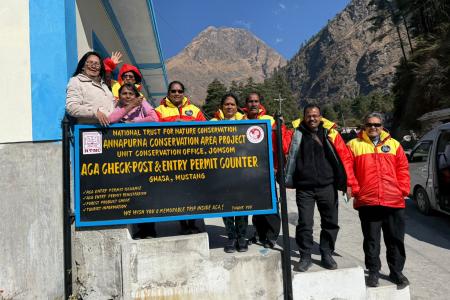
The old system, allowing independent hikers to get "Green TIMS cards" and trek solo, has been completely phased out. Independent, unguided trekking is illegal in all national parks and conservation areas across Nepal. You must book through a government-registered agency that assigns you a licensed, insured guide.
The March 2026 Restricted Area Update
On March 22, 2026, the Department of Immigration officially updated the group permit rules. Previously, you could not get a Restricted Area Permit (RAP) without a minimum group size of two foreign trekkers.
The New Rule: Solo travelers can now legally obtain permits for restricted zones like Upper Mustang, Manaslu, and Upper Dolpo as individuals.
The Catch: You still cannot go alone. You must book through a TAAN-registered agency and be accompanied by a licensed guide. The update simply removes the need to find a second tourist companion.
Required Permits & Registration
Before stepping on the trail, your agency will secure your paperwork via the digital E-TIMS portal (linked directly to your guide’s license and insurance) along with regional fees:
- Sagarmatha National Park Permit & Khumbu: Required for Everest Three Passes.
- ACAP / MCAP Permits: Required for Annapurna and Manaslu regions.
- Department of Immigration RAP: Required for Upper Dolpo, Kanchenjunga, Nar Phu, and Manaslu. Fees range from $10/week (Kanchenjunga) up to $500/10 days (Upper Dolpo).
Best Seasons to Attempt Tough Routes
- Autumn (September–November): The premium trekking window. The monsoon rains have cleared the air, offering crisp, crystal-clear views and stable weather. High passes are usually clear of deep winter snow, though nights above 4,000m will plunge well below freezing.
- Spring (March–May): Excellent conditions with warmer valley temperatures and blooming rhododendron forests. However, high passes can still hold massive amounts of unstable winter snow, requiring microspikes or crampons early in the season.
- Winter & Monsoon: Intensely cold temperatures, blocked high passes, landslide risks, and poor visibility make these extreme routes highly dangerous and functionally untrekable during these months.
Frequently Asked Questions
Q.Why is hiring a guide mandatory now?
A.The rule was enforced to drastically reduce the rising costs of search-and-rescue operations for lost or injured solo trekkers, and to ensure tourism revenue directly supports local mountain communities through legal employment.
Q.Can a local porter count as my guide?
A.No. Under current regulations, a porter cannot clear your permits at digital checkpoints. Your primary escort must hold an official, valid guide license issued by the Nepal Tourism Board.
Q.What kind of travel insurance do I need?
A.You need a specialized adventure sports policy that explicitly covers trekking up to 6,000 meters and includes unrestricted emergency helicopter evacuation. Standard holiday insurance policies usually cap out at 2,500m and will leave you stranded in an emergency.
Final Takeaway
The toughest routes in the Himalayas do not care about your speed or your ego. They reward meticulous preparation, infinite patience, and absolute respect for the altitude. Success out here isn’t about pushing through pain; it’s about listening to your body and adapting smarter.
Ready to Stand on the Roof of the World?
Planning a Himalayan trek shouldn't feel like a logistical hurdle. Since 2023, independent trekking has shifted dramatically, and the landmark March 2026 regulations require structured legal filings through registered agencies.
We take the logistics completely off your shoulders. From securing remote restricted area permits from home to pairing you with expert, government-certified local guides, we handle every detail so you can focus entirely on the trail.
- 100% Legal Compliance: Automatic handling of e-TIMS, ACAP, MCAP, and solo RAP permits.
- Safety-First Logistics: Government-licensed guides equipped with comprehensive high-altitude medical protocols.
- Tailored Itineraries: Customized acclimatization paths built for your fitness level.
Design Your Custom Himalayan Trek Today
Or
- WhatsApp Support: +977-985-1318186 (Instant response for route availability and booking updates)
- Email: info@trekcurator.com