Most people imagine trekking in the Himalayas as something only seasoned mountaineers can attempt. Snowstorms, extreme fitness levels, technical gear. It sounds intimidating.
But here’s some good news: If you’re looking for beginner treks in Nepal, there are several accessible Himalayan routes.
You don’t need climbing experience. You don’t need expensive equipment. And you definitely don’t need to be an athlete. In fact, thousands of first-time trekkers complete Himalayan hikes every year through well-established routes that offer:
- Comfortable tea house stays
- Gradual altitude gain
- Safe, marked trails
- Local guide support
From sunrise over the Annapurnas to peaceful trails in the valleys of the Langtang region, beginner trekking in Nepal is less about endurance and more about rhythm, patience, and discovery.
Why Nepal is Ideal for Beginner Treks
Nepal offers a unique balance of adventure and accessibility. Unlike remote expedition hikes, most beginner-friendly routes include:
- Tea house network: Eat, sleep, and rest comfortably along the trail.
- Non-technical trails: No climbing experience or expensive gear required.
- Gradual altitude gain: Most beginner treks stay below 4,000 meters.
- Cultural immersion: Meet local Gurung, Tamang, and Sherpa communities.
- Guided support: Easily available in Kathmandu and Pokhara.
“Most beginners struggle not because of fitness but because they walk too fast. Slow pacing and hydration solve 80% of trekking problems.”
— Licensed trekking guide, Nepal
Master Comparison: The Best Beginner Trails in Nepal
Instead of navigating conflicting trail reviews, use this unified master breakdown to choose the path that best matches your timeline, comfort level, and current physical condition.
| Trek Name | Region | Ideal Fitness | Duration | Max Elevation | Core Highlight |
| Ghandruk Village Trek | Annapurna | Complete Beginner | 2 Days | ~2,050 meters | Authentic Gurung culture and stone alleyways with clear mountain backdrops. |
| Ghorepani Poon Hill | Annapurna | Moderate Fitness | 2 Days | 3,210 meters | Panoramic golden sunrise over the Dhaulagiri and Annapurna mountain massifs. |
| Langtang Valley Trek | Langtang | Active Walker | 10 Days | ~3,800 meters | Peaceful glacial valleys, pine forests, and ancient Tamang cultural heritage. |
| Annapurna Base Camp | Annapurna | Fit Beginner | 12 Days | 4,130 meters | A moderate-plus challenge leading into a dramatic 360-degree peak amphitheater. |
Detailed Trail Breakdowns
-
Ghorepani Poon Hill Trek – Best Overall First-Time Experience
If you only have a few days and want the quintessential postcard view of the Himalayas, this is your route. The trail weaves through dense rhododendron forests and up wide stone staircases.
- Daily Walking: 4 to 6 hours
- Terrain: Well-maintained stone steps, forest dirt tracks.
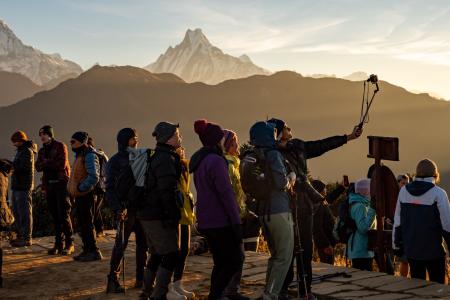
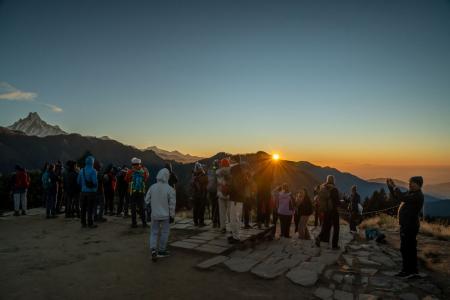
- The Draw: Standing on Poon Hill at dawn as the sun paints the peaks of Annapurna South and Dhaulagiri in brilliant shades of orange and gold.
2. Langtang Valley Trek – Best for Culture and Quiet Valleys
Located closer to Kathmandu, the Langtang region offers a more serene alternative to the bustling Annapurna trails. It is ideal for those who want to experience authentic Himalayan life without heavy tourist crowds.
- Daily Walking: 5 to 7 hours
- Terrain: River valleys, gradual valley ascents, forested switchbacks.
- The Draw: Walking alongside dramatic glacier fields and exploring ancient Buddhist monasteries nestled beneath towering peaks.
3. Ghandruk Village Trek – Best Short-Window Option
Perfect for families, travelers with tight schedules, or those who want to test their hiking legs without committing to a grueling multi-day itinerary.
- Daily Walking: 3 to 5 hours
- Terrain: Easy dirt paths, gentle stone terraces.
- The Draw: Staying in a beautifully preserved Gurung settlement with sweeping, unobstructed views of Machapuchare (Fishtail Mountain).
4. Annapurna Base Camp (ABC) Trek – Best High-Reward Challenge
While it pushes the boundaries of a "beginner" hike due to its final altitude, ABC remains highly achievable for active travelers who exercise regularly and want a true deep-mountain expedition.
- Daily Walking: 5 to 7 hours
- Terrain: Steady alpine climbs, boulder valleys, high-altitude mountain trails.
- The Draw: Falling asleep and waking up surrounded by vertical, snow-capped walls inside the legendary Annapurna Sanctuary.
How to Prepare for Your First Trek in Nepal
Preparation is the secret to turning a challenging trek into an unforgettable adventure.
-
Build Basic Fitness (No Gym Required)
You do not need an intense gym to enjoy these trails. The best preparation is simple, consistent movement:
- Dedicate 3 to 4 days a week to walking 5–10 kilometers on varying terrain.
- Practice climbing stairs or using an incline treadmill to condition your calves and thighs.
- Train using the exact backpack and hiking boots you plan to bring to ensure your gear is fully broken in before your flight lands.
2. Pack Smart, Not Heavy
Comfort matters more than style in the mountains. Avoid overpacking. Most beginners find a backpack weighing 8–12 kg (excluding porter-carried gear) comfortable for multi-day treks.
| Category | Item |
| Clothing | Waterproof jacket, warm fleece layers, moisture-wicking base layers |
| Footwear | Sturdy, well broken-in trekking shoes or hiking boots |
| Essentials | Bright headlamp, durable power bank, polarized sunglasses |
| Hydration | Reusable water bottle and high-quality purification tablets |
| Extras | Lightweight trekking poles, high-SPF sunscreen, basic blister kits |
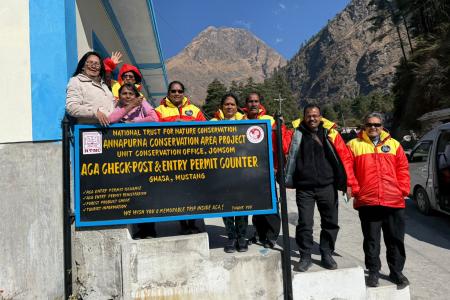
Eco-Alert: Single-use plastic water bottles are strictly banned across major trekking zones like the Annapurna Conservation Area. Pack a durable, reusable water bottle alongside your water purification tablets or filter.
3. Understand Altitude (This Is Crucial)
Beginner treks often exceed 2,500m, where altitude effects may begin.
- Common symptoms: Headache, fatigue, shortness of breath.
- Smart acclimatization habits: Walk slowly (slower than you think you should), drink 3–4 liters of water daily, avoid rushing uphill, and take regular rest breaks.
4. 2026 Regulations: Guides, Permits, and Safety
The government of Nepal strictly regulates the trekking system to preserve local ecosystems and guarantee traveler safety. Before you head to the trailhead, ensure your logistics comply with current legal mandates:
- The Mandatory Guide Policy: Independent trekking without a registered professional is prohibited across almost all major protected areas, including the Annapurna and Langtang loops. Foreign nationals must hire a government-licensed guide through a verified agency, in accordance with the safety guidelines outlined by the Nepal Tourism Board.
- Solo Traveler Status: Hiking completely unaccompanied is illegal. However, solo travelers are welcome to book private treks, provided they hire a licensed guide. Policy adjustments allow individual travelers to secure required conservation permits without matching with a tour group.
- The E-TIMS Digital Shift: The historic paper TIMS cards have been completely replaced by the centralized E-TIMS digital portal. Checkpoints now utilize biometric and digital scanning to monitor trekker safety in real time. These digital permits must be filed directly by your registered trekking agency.
- Insurance Requirements: To clear permit registration, your travel insurance policy must explicitly state coverage for high-altitude trekking (up to 4,500 meters for beginner routes) and include full coverage for emergency helicopter evacuation.
Budget Overview (Beginner-Friendly Estimate)
- Tea House Lodging: $5 to $15 per night
- Daily Meals: $3 to $8 per dish
- Licensed Guide Fees: $25 to $35 per day
- Porters: Optional, but highly recommended for comfort
Tip: Prices tend to rise at higher altitudes due to limited transport access.
Best Season for Beginner Trekking in Nepal
Timing can completely change your experience.
- Spring (March–May): Temperatures are warm, skies are mostly clear, and the hillsides are vibrant with blooming rhododendron forests.
- Autumn (September–November): The gold standard for mountain visibility. This is peak trekking season with crisp, stable weather.
- Monsoon (June–August): Heavy rain causes muddy, slippery trails and obscured mountain views. Not recommended for beginners.
- Winter (December–February): High-altitude routes face severe freezing and snow risks, though lower trails like Ghandruk remain clear and empty.
What Most First-Time Trekkers Don’t Expect
Even beginner treks have surprises:
- Long stone stair climbs
- Cold nights, even in spring/autumn
- Simple accommodations (shared bathrooms, basic rooms)
- 4–7 hours of walking per day
- Limited internet connectivity
Knowing these in advance makes your journey safer and more enjoyable.
Frequently Asked Questions
Q: What is the easiest trek in Nepal for beginners?
A: The Ghorepani Poon Hill Trek is widely considered the best beginner trek due to its short 4–5 day duration, well-maintained trails, comfortable teahouses, and gradual elevation gain.
Q: Can beginners trek in Nepal without previous experience?
A: Yes. Most beginner-friendly treks do not require technical climbing or mountaineering skills. With basic fitness preparation, proper pacing, and support from a local guide where required, first-time trekkers can comfortably complete these routes.
Q: Is a guide mandatory for beginner treks in Nepal?
A: Yes. A government-licensed guide hired through a registered agency is legally required for all major trekking routes passing through national parks and conservation areas, including Poon Hill, Ghandruk, Langtang Valley, and Annapurna Base Camp.
Q: Can I trek completely solo to save money?
A: No, you cannot trek unguided. However, you can go as a solo traveler (without a group of friends) on a private trek, provided you hire a licensed local guide to accompany you on the trail.
Q: Which trek offers the best sunrise views?
A: The Ghorepani Poon Hill Trek is famous for its spectacular sunrise panorama over the Annapurna and Dhaulagiri ranges, making it one of Nepal's most photographed viewpoints.
Q: What is the best time of year for beginner treks?
A: The most favorable seasons are spring (March–May) and autumn (September–November), when skies are generally clear, temperatures are comfortable, and mountain views are at their best.
Final Thoughts: Which Beginner Trek in Nepal Should You Choose?
Your first Himalayan journey will challenge you, but it will also leave you with memories and a sense of achievement you didn’t anticipate. Expect steep climbs, cold mornings, and tired legs but also unparalleled sunrises, quiet mountain villages, and deep cultural connections. Beginner trekking in Nepal isn’t about pushing extreme survival limits; it’s about discovering that the mountains are far more welcoming than you ever imagined.
To finalize your itinerary, choose the route that speaks to your goal:
- Want the best sunrise view? Choose Ghorepani Poon Hill.
- Want culture and quiet trails? Choose Langtang Valley.
- Have a very short time window (2–3 days)? Choose Ghandruk Village.
- Want a true big-mountain base camp experience? Choose Annapurna Base Camp.
Select a trail that fits your timeline, secure a trusted local guide, and step out onto the path. The mountains are waiting.
Plan Your Custom Adventure
If you need personalized planning assistance, route updates, or help securing a licensed local guide under the 2026 safety guidelines, our regional specialists are ready to assist.
Connect with our trail experts
Regulatory and Production Notes
This comprehensive guide is compiled using verified trail data from the Trekking Agencies' Association of Nepal (TAAN) and mirrors the updated safety and immigration frameworks enforced by the Nepal Tourism Board. Always cross-reference trail conditions with your local provider before departure.