Why does one Upper Mustang trek cost one thousand five hundred dollars while another costs three thousand dollars? We look into permits, guides, jeep transport, unexpected costs and the hidden value of time in Nepal's Himalayan kingdom.
Same Destination, Different costs
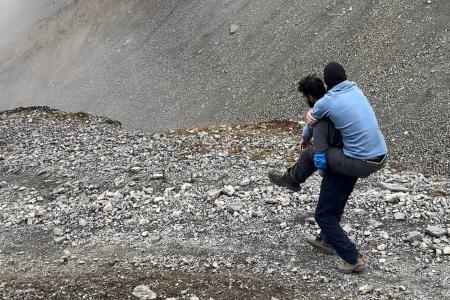
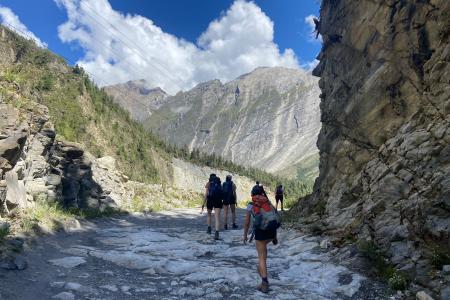
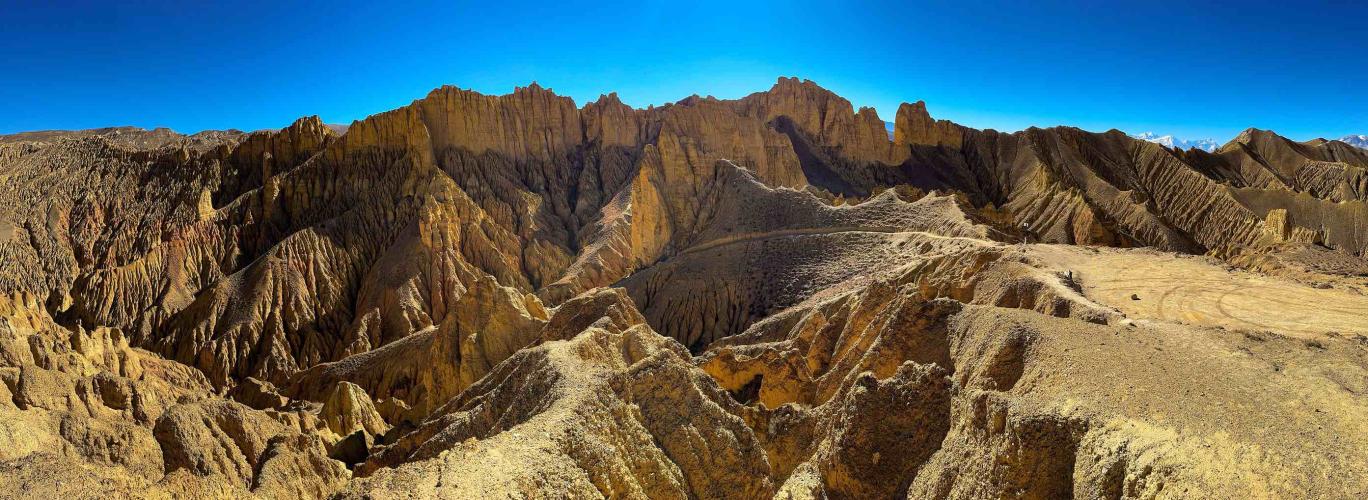
One traveller has spent days walking through the wind-carved valleys of Upper Mustang. The other traveller has followed the road north in a four-wheel-drive vehicle stopping at villages and viewpoints along the way.
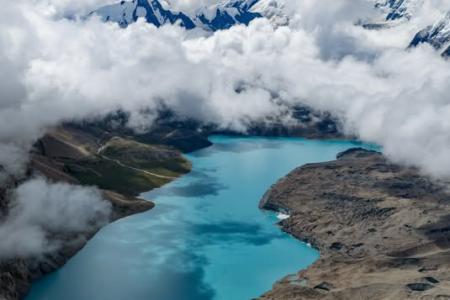
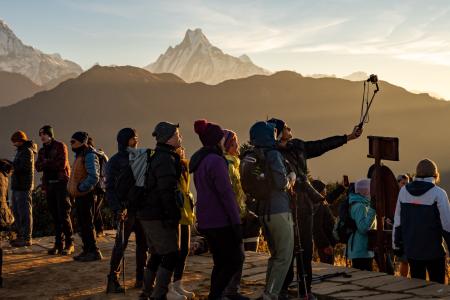
Upper Mustang travellers stand beneath the ancient walls surrounded by the same extraordinary landscape.
Upper Mustang travellers have paid different amounts to get there.
One may have spent one thousand five hundred dollars. The other may have paid two thousand five hundred dollars.
Does that mean one Upper Mustang traveller received a deal?
Not necessarily.
One paid for days of walking, guiding and accommodation. The other may have paid for a vehicle, driver and a shorter itinerary. Even if Upper Mustang packages cost the same, the experiences could be entirely different.
This is the problem with comparing Upper Mustang tour prices. Unlike buying a product from two retailers, Upper Mustang travellers are rarely comparing identical journeys.
The differences are not always obvious.
A package might include permits. Exclude meals. Another might cover flights but charge separately for porter services. A third might be substantially cheaper because it spends days inside the restricted area.
The real cost of Upper Mustang is not simply the number advertised on a travel companys website. It is everything required to complete the journey everything that could unexpectedly increase the bill and everything you might miss along the way.
How Much Does an Upper Mustang Trek Cost in 2026?
Published guided Upper Mustang trekking packages commonly range from approximately USD 1,500 to USD 3,000 per person although private, premium and shorter journeys may fall outside that range.
For context several operators publishing prices in September and October 2026 advertise guided itineraries beginning at $1,480 to $1,800 per person depending on group size and inclusions.
Even this range is misleading without context.
A 16-day package may include flights, permits, porters and accommodation but exclude food. A 14-day package may include meals. Require an additional payment for a porter.
That creates three prices every traveller should understand:
Type of price
What it means
Advertised price : The price shown on the website or quotation
Comparable package price : The cost after accounting for the services included in one offer but excluded from another
Complete travel budget : Package cost plus insurance, visa, international flights, personal Spending and contingency expenses
The last figure is the closest estimate of what the traveller will actually spend.
The best place to begin is, with one of Upper Mustang's most significant expenses: the restricted-area permit.
1. The $50-a-Day Permit: Why Upper Mustang's Entry Fee Changes Everything
For years, travellers associated Upper Mustang with a particularly expensive permit: USD 500 for the first ten days.
That rule changed.
Nepal's Department of Immigration now lists the Upper Mustang Restricted Area Permit at USD 50 per person per day.
This is not merely a small adjustment to the fee structure. It changes how shorter trips can be planned.
Under the previous arrangement, visitors could face the same initial permit expense whether they intended to stay for four days or ten.
Under the current daily fee structure, the cost corresponds to the permitted days in the restricted area.
Days inside restricted Upper Mustang
Permit fee
3 days
$150
5 days
$250
7 days
$350
10 days
$500
12 days
$600
14 days
$700
These are Restricted Area Permit fees only, not total trekking costs.
The detail that can save you hundreds of dollars
A 14‑day Upper Mustang itinerary does not automatically need a 14‑day restricted‑area permit.
The itinerary might include two days in Kathmandu two days in Pokhara and extra travel time around Jomsom.
The number that matters is how many days are covered by the restricted‑area permit, not the length of the package.
For example if two 14‑day itineraries contain respectively seven and ten restricted‑area days their permit costs differ by $150 for each traveller.
For four travellers that makes a $600 difference in permit costs
Cheaper does not automatically mean better.
Those extra three days could give time to visit villages finish extra walking routes or experience Lo Manthang at a slower pace.
The important question is not how permit days you can cut. It is how days you really want to spend there.
The second permit: ACAP
Upper Mustang also falls inside the Annapurna Conservation Area.
The National Trust for Nature Conservation currently lists the Annapurna Conservation Area Permit (ACAP) at:
NPR 3,000 for foreign nationals.
NPR 1,000 for SAARC nationals.
Its official online permit system also lists a 2.9% payment processing charge for payment and no such charge for counter payment.
Permits bought at conservation check‑posts cost twice the entry fee.
Travellers should arrange permits in advance. Ask if both required permits are already in their package.
A separate TIMS requirement should also be checked with the issuing agency, for your itinerary not just assumed from a published cost breakdown.
Before booking ask your operator to tell you the number of restricted‑area permit days and list every permit that is included in the price.
2. The Solo Traveller Paradox: Allowed to Travel Alone, But Not Independently
Until recently, Upper Mustang's restricted-area permit arrangements generally required at least two foreign trekkers.
In March 2026, the Department of Immigration changed the rules to allow individual foreign travellers to obtain permits for restricted areas, including Upper Mustang.
However, this does not mean completely independent trekking is permitted.
A solo traveller must still arrange the journey through a registered trekking agency and travel with a licensed guide.
Under the revised requirements, a guide may accompany a maximum of seven trekkers.
This creates a financial difference between travelling alone and joining a group.
Some expenses are charged individually, such as the restricted-area permit. Others, such as guiding and private vehicle hire, may be divided among several travellers.
Imagine a private vehicle arrangement costing $1,000 for the group.
Travellers sharing
Cost per person
1
$1,000
2
$500
4
$250
5
$200
This is an illustration, not a current vehicle quotation.
The difference is substantial, even though all five travellers would be visiting the same destination.
A solo journey can provide greater personal flexibility, but it usually means paying a larger share of fixed operating expenses.
That is why a package price without an accompanying group-size condition tells only part of the story.
3. The Jeep vs Trekking Question: What Are You Paying to Experience?
One of the significant changes in Upper Mustang tourism has been expanding road access.
It is now possible to reach Lo Manthang by vehicle rather than undertaking a long walking itinerary.
That has made the region accessible to a range of travellers.
It has also made price comparisons more complicated.
A traditional trekking-focused itinerary may require days of guiding, accommodation and meals as well as porter support.
A jeep-focused itinerary may require a vehicle budget but fewer travel days.
A mixed itinerary combines road travel with selected walking sections.
None is automatically superior.
However it is misleading to compare the price of a walking journey, with a shorter jeep tour as though the two were interchangeable.
The hidden questions behind a jeep quotation
When a company advertises an Upper Mustang jeep tour, check whether the price includes the vehicle for the entire itinerary or only particular sections.
Find out if the jeep is private or shared, whether driver costs are included, and what happens if difficult road conditions require changes.
The word private is also important.
A private vehicle allows the itinerary to be planned around the group's interests, within the practical limits of the road and schedule. A shared arrangement may offer less flexibility.
For some travellers, that flexibility is worth paying for.
For others, a shared vehicle and a well-planned itinerary are perfectly adequate.
The best financial choice depends on the experience you want, not simply the cheapest method of reaching Lo Manthang.
4. The Flight That Can Change Your Budget
Flights between Pokhara and Jomsom are a popular choice for many Upper Mustang itineraries.
Operator estimates published in 2026 put visitor fares in the range of $120 to $150 or more per person each way depending on booking conditions.
Airfares are not fixed for every traveller. Should be confirmed when booking.
However ticket price is not the financial consideration.
Flights to Jomsom are sensitive to weather, wind and visibility.
A cancelled flight can affect accommodation bookings, road transfers, guides, subsequent reservations and international travel connections.
Consider a traveller who has booked a return flight shortly after finishing Upper Mustang.
If transport disruption delays the return, to Kathmandu the resulting costs could include a hotel night, road transport or airline rebooking charges.
Not every travel policy covers all those expenses.
Before choosing a flight‑based itinerary ask the operator what happens if a flight is cancelled, whether alternative transport is arranged and who pays the difference.
A journey that includes a contingency day may appear longer or more expensive.
However, that additional day can protect against a larger unplanned expense.
6. Meals: The Expense That Quietly Adds Up
Suppose two companies advertise Upper Mustang trekking packages.
Company A includes all breakfasts, lunches and dinners during the trek.
Company B includes only accommodation and breakfast.
Their advertised prices are $200 apart.
Which is cheaper?
That depends on how much the traveller must spend on the excluded meals.
Published Upper Mustang planning guides use varying meal estimates, often around $20 to $40 per person per day depending on what is included, where meals are purchased and individual preferences.
For a simple example, assume a traveller needs to spend an additional $25 per day on meals over ten days.
That adds $250.
A package appearing $200 cheaper could therefore become $50 more expensive after food alone.
Of course, this depends on the actual meal arrangements.
The point is not that one pricing model is wrong. Some travellers prefer choosing meals independently.
The problem is comparing the two packages before accounting for that difference.
Also check whether tea, coffee, snacks, bottled drinks and additional food are included.
Even a full-board package may exclude personal purchases.
7. The Guide and Porter Question: What Does the Price Actually Cover?
Upper Mustang's restricted-area requirements mean that licensed guiding is a fundamental part of the journey.
But the guide's daily service cost is not necessarily the same as their take-home wages.
A responsible quotation may include the guide's meals, accommodation, transport, insurance, equipment arrangements and other operational expenses.
For longer walking itineraries, porter services may also be included or offered separately.
Published market estimates often place guide services at approximately $25 to $40 per day and porter services at around $20 to $30 per day, although real charges vary substantially depending on responsibilities and what is included.
These figures should not be mistaken for official minimum wages.
The traveller should ask three things:
Is a licensed guide included for the necessary days?
Is porter support included, optional or unavailable for this itinerary?
Does the agency provide appropriate insurance and working arrangements for its staff?
A cheap package is not evidence of poor staff treatment.
A premium package is not proof of ethical employment practices.
The only responsible comparison is to examine the arrangements rather than making assumptions about the price.
8. The Cultural Costs: Paying to Reach a Place Is Not the Same as Experiencing It
Upper Mustang is known for its distinctive settlements, monasteries, cave sites and Tibetan Buddhist cultural heritage.
For many travellers, visiting these places is the main reason for the journey.
But an itinerary that says visit ancient monasteries and caves does not necessarily explain everything involved.
Some activities may require separate admission charges, local arrangements or transport.
Certain cultural and religious sites may have photography restrictions, limited opening arrangements or specific expectations for visitors.
Excursions beyond the main road may also require additional time and logistics.
For instance, a short stop near a monastery is not the same as a guided visit that provides time to explore its history, artwork and setting.
Ask whether admissions and local guiding arrangements are included, which sites are actually scheduled and how much time is allocated.
A trip can include every famous place on paper while leaving very little time to experience any of them.
What about the Tiji Festival?
Travellers visiting during the Tiji Festival should pay particular attention to accommodation availability, the confirmed festival schedule and the time allocated to attend ceremonies.
Demand can affect the availability and price of local travel services.
A festival itinerary should explain what cultural experiences are planned and what cannot be guaranteed.
The purpose is not simply to arrive in Lo Manthang during the festival dates.
It is to allow enough time to experience the event respectfully.
9. Insurance and Emergency Costs: The Financial Risk Nobody Wants to Imagine
At roughly 3,800 metres, Lo Manthang is high enough that travellers must take altitude-related health risks seriously.
Driving to altitude does not remove those risks.
A visitor who ascends rapidly by vehicle may have less time to acclimatize than someone following a gradual walking itinerary.
Altitude illness, road accidents, illness and other emergencies can require medical assistance or evacuation.
The financial consequences depend on the circumstances and the traveller's insurance policy.
Before departure, confirm that your insurance covers the maximum planned altitude, relevant trekking or road activities, emergency medical treatment and evacuation where applicable.
Also examine exclusions relating to pre-existing medical conditions, travel disruption and activities outside the policy's coverage.
A trekking package that includes emergency assistance may mean the operator helps coordinate a response.
That is not necessarily the same as paying for rescue services.
No company can guarantee helicopter availability under all weather or operating conditions.
This is why the value of adequate coverage should be assessed before the trip, not after an emergency occurs.
10. The Costs Most Upper Mustang Quotations Leave Outside the Headline Price
Even a reasonably comprehensive trekking package can leave additional personal expenses.
These may include:
Nepal tourist visa, where applicable.
International flights.
Travel insurance.
Extra hotel nights in Kathmandu or Pokhara.
Meals outside the packaged itinerary.
Hot showers, internet access and charging services.
Tips for staff.
Snacks, drinks and personal purchases.
Optional cultural excursions or admissions.
Equipment purchases or rentals.
Additional costs arising from travel disruptions.
International card fees or currency conversion charges.
The Nepal Department of Immigration currently lists standard tourist visa fees at $30 for 15 days, $50 for 30 days and $125 for 90 days, with certain exemptions applying.
Travel insurance and personal spending are much more variable and should be budgeted based on individual circumstances.
A simple daily allowance can help.
For example, an extra $15 per day over twelve days equals $180.
That may not sound significant when booking the trip, but it becomes part of the total travel budget.
The best budget includes these expenses from the start rather than treating them as surprises.
11. The Price of What You Miss
There is another hidden cost that no bill can fully capture.
The cost of making a journey short that you barely experience the place you came to see.
Upper Mustangs expanding road network creates chances for travellers with time or who do not want to do a long trek.
That is a development.
Faster access tempts you to shorten every part of the journey.
Imagine reaching Lo Manthang in the afternoon and leaving early the next morning.
You can truthfully say you visited the town.
How much time did you spend there?
Did you explore the streets?
Did you visit the monasteries you had read about?
Did you have chances to understand the culture beyond a few photographs?
The same question applies to trekking itineraries.
A longer journey is not automatically better. Some itineraries include travel days or poorly planned stops.
A short journey can carry a hidden cost: fewer meaningful experiences in the places that Frequently Asked Questions
How much does an Upper Mustang trek cost in 2026?
Published guided packages commonly range from approximately $1,500 to $3,000 per person, depending on group size, duration, transport and included services. The complete budget may be higher once insurance, visas, international flights and other expenses are included.
How much is the Upper Mustang Restricted Area Permit?
The current fee is USD 50 per person per day inside the designated restricted area. A ten-day permit therefore costs USD 500 per person.
Is Upper Mustang cheaper by jeep or on foot?
A shorter shared jeep itinerary can cost less than a longer walking itinerary, but private vehicle hire can be expensive for small groups. The actual comparison depends on the number of days, group size, transport arrangements and included services.
Can I visit Upper Mustang without a guide?
Under the current restricted-area rules, foreign trekkers must arrange the required permits through a registered agency and travel with a licensed guide. Since March 2026, an individual foreign traveller can obtain a permit without a second foreign trekker.
Is Upper Mustang more expensive for solo travellers?
Often, yes. Solo travellers may need to cover guide and private transport expenses without sharing them with other travellers. Government permit charges remain per person.
Do I need travel insurance for Upper Mustang?
Appropriate travel insurance is strongly recommended. Check coverage for the planned maximum altitude, medical treatment, emergency evacuation and activities on the itinerary. Operators may also impose insurance requirements as booking conditions.
Can I visit Upper Mustang during the monsoon?
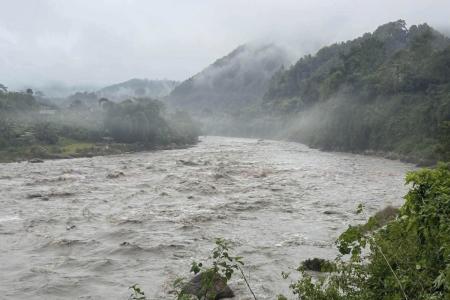
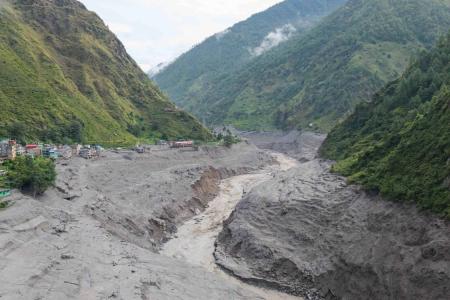
Upper Mustang lies in a Himalayan rain-shadow region, which makes it a potential monsoon-season destination. However, road and flight connections through lower regions can still be disrupted by weather and landslides.
Is Upper Mustang worth the price?
For travellers who value its landscapes, historic settlements, cultural heritage and distinctive geography, Upper Mustang can offer an exceptional experience. Whether it is worth a particular package price depends on the itinerary, services and individual travel priorities.motivated the visit.
That is why travellers should compare not the price per person but the amount of worthwhile time planned for each journey, at each destination.
12. Where Does Your Money Actually Go?
Upper Mustang tourism supports a network of people and businesses, including local accommodation owners, restaurants, drivers, guides and other service providers.
But paying more for a package does not necessarily mean that more money reaches local communities.
A higher price may reflect private transportation, smaller groups, more extensive services or company overheads.
Equally, a lower-priced journey may rely on efficient local arrangements.
Price alone cannot establish how the benefits are distributed.
Travellers interested in responsible tourism can ask whether the itinerary uses locally operated lodging, employs suitable local services and provides opportunities to purchase goods directly from community businesses.
It is also worth understanding the distinction between official permit fees and direct payments to communities.
A permit fee is a government or conservation-area charge. It should not automatically be described as a donation to the villages the traveller visits.
Responsible travel is better assessed through actual arrangements than through broad promotional claims.
13. The Upper Mustang True Cost Checklist
Before paying a deposit ask your operator to confirm:
The permit arrangements: How many restricted-area days are included and which permits are covered?
The group size: How many travellers will share guiding and vehicle costs?
The travel style: How many days involve walking, driving and sightseeing?
Transportation: Are flights, private vehicles, drivers, fuel and transfers included?
Accommodation: What room arrangements and facilities can reasonably be expected?
Meals: How many breakfasts, lunches and dinners are included?
Guides and porters: What services, equipment and staff protection arrangements are provided?
Cultural experiences: Which admissions, local guides and excursions are included?
Disruptions: What happens financially when roads close or flights are cancelled?
Booking terms: What can be refunded, postponed or changed and under what conditions?
Emergency arrangements: What support is. What must the travellers own insurance cover?
The full expected budget: What additional spending should be planned beyond the price?
Frequently Asked Questions
How much does an Upper Mustang trek cost in 2026?
Published guided packages commonly range from approximately $1,500 to $3,000 per person, depending on group size, duration, transport and included services. The complete budget may be higher once insurance, visas, international flights and other expenses are included.
How much is the Upper Mustang Restricted Area Permit?
The current fee is USD 50 per person per day inside the designated restricted area. A ten-day permit therefore costs USD 500 per person.
Is Upper Mustang cheaper by jeep or on foot?
A shorter shared jeep itinerary can cost less than a longer walking itinerary, but private vehicle hire can be expensive for small groups. The actual comparison depends on the number of days, group size, transport arrangements and included services.
Can I visit Upper Mustang without a guide?
Under the current restricted-area rules, foreign trekkers must arrange the required permits through a registered agency and travel with a licensed guide. Since March 2026, an individual foreign traveller can obtain a permit without a second foreign trekker.
Is Upper Mustang more expensive for solo travellers?
Often, yes. Solo travellers may need to cover guide and private transport expenses without sharing them with other travellers. Government permit charges remain per person.
Do I need travel insurance for Upper Mustang?
Appropriate travel insurance is strongly recommended. Check coverage for the planned maximum altitude, medical treatment, emergency evacuation and activities on the itinerary. Operators may also impose insurance requirements as booking conditions.
Can I visit Upper Mustang during the monsoon?
Upper Mustang lies in a Himalayan rain-shadow region, which makes it a potential monsoon-season destination. However, road and flight connections through lower regions can still be disrupted by weather and landslides.
Is the Upper Mustang worth the price?
For travellers who value its landscapes, historic settlements, cultural heritage and distinctive geography, Upper Mustang can offer an exceptional experience. Whether it is worth a particular package price depends on the itinerary, services and individual travel priorities.
Final Thought: The Price Is Not the Journey
You cannot get a view of Upper Mustang by paying more.
The cliffs do not change. The mountains do not grow taller. Lo Manthang does not become more historic just because someone has booked a premium tour.
What changes is the Upper Mustang journey built around those places.
The time you spend.
The roads you take.
The villages you stop in.
The. Support available.
The financial risks you have prepared for.
Whether the experience matches what you hoped to find.
A cheaper package may be valuable. An expensive package may be worth every extra dollar.
Neither should be judged by price alone.
Before booking ask one question:
"Am I paying for the Upper Mustang journey I actually want or simply the cheapest itinerary that takes me there?"
The answer may be worth more than the difference between two quotations.
At Trek Curator we believe better journeys begin with questions. Understanding the cost of Upper Mustang travel is one of them.