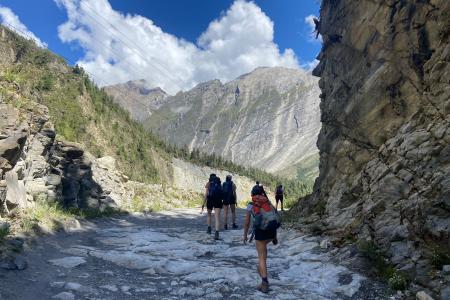
Why is a guide important while trekking in Nepal?
A bookish introduction: a guide is a trained and experienced professional who will lead you on a mountain trek, introduce you to the local culture and community, and support you throughout the journey.
I'd define them as a lifeline for trekkers.
They don’t just walk you to the trail; they will lead you to the safest route possible.
They don’t just introduce you to locals; they connect you to the locals. They are bridges between you and locals. They make you part of their lives, activities, traditions, and experiences there.
They don’t simply guide you throughout your journey. They make your experience wholesome. They are the ones who bring the whole experience together, turning every challenge into a lesson, every encounter into connection, and every step into memories.
They are the heart of your journey. They turn you from a tourist into an explorer. So guides are not just a part of it, they are the reason the whole journey turns into one big experience.
Do every trekking in Nepal require a guide?
No, there are many popular treks that can be done without a guide, including the Everest region, Annapurna region, and short hikes near cities. Outside conservation areas, you are allowed to go without a guide, depending on the rules at that time. However, you will need to get permits from permit offices.
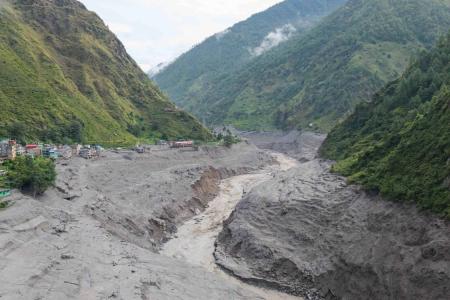
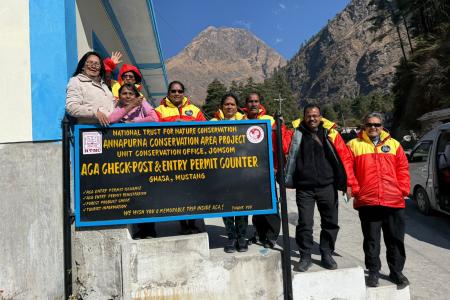
Following the floods and landslides in the Annapurna region in September 2026, the Annapurna Conservation Area Project (ACAP) introduced temporary guide requirements on certain trekking routes to ensure trekkers' safety.
Although the trekking routes gradually reopened as conditions improved, there has been no clearly verified official announcement confirming that these temporary requirements have been lifted.
Therefore, before planning an independent trek in the Annapurna region or any other region, we strongly recommend checking the latest official updates from ACAP or the relevant local authorities to confirm whether a licensed trekking guide is required.
There are other popular destinations where having a guide is mandatory, especially in conservation areas; some of them are the Nar Phu Valley trek, Manaslu Circuit Trek, Tsum Valley, Makalu Base Camp, Upper Mustang, Nar Phu Valley, and Upper Dolpo. Annapurna and Langtang regions, according to NTB rules.
While some places in Nepal don't require a guide, why do people still suggest having one?
Guides are not just extra facilities or human GPS in the mountains. As said, they are the heart of the mountain Journey.
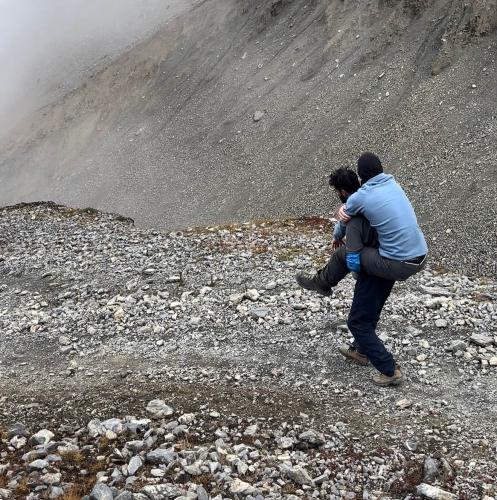
They become your eyes when the trails are blocked, your helping hands when things get out of control, and sometimes even your legs when you cannot take another step.
A trekking guide does much more than simply show you the way.
They don’t just know the routes. They know mountains by heart. When different disasters like floods, landslides, or other natural disasters block a trail. Your guide is the one who knows what to do next. They don’t just remember one route. They understand the region, the terrain, the local communities, and possible alternative routes. When the usual route becomes unsafe, an experienced guide can assess the situation, communicate with locals, and help find a safer alternative when one is available. The mountains are unpredictable. A trail that was safe yesterday might not be safe today. That is why having someone who understands the mountains can make such a difference. Some people may argue that physically carrying trekkers is not a guide's responsibility, which is true. In Nepal, we have seen guides go far beyond their work. There have been situations where guides have physically supported or carried sick and exhausted trekkers downhill when immediate assistance was unavailable. Of course, this depends on the guide's physical ability, the terrain, and the seriousness of the situation. Sometimes professional rescue is the only safe option. The good guides don’t limit themselves with their work and leave while you are struggling. They do everything possible to get you down safely.
Are they connected to your emergency rescue?
Many people believe they can simply call their insurance company and call for rescue. But imagine you are in a place where the network is not stable, injured, suffering from extreme altitude sickness; will you be able to connect with your insurance company and coordinate your rescue? When you trek with a guide through a responsible trekking company, you will have responsible ground support. Then your guide will connect with ground team provide location observe your situation update ground team side by ground team will connect with your insurance collect necessary information if needed immediately send help and require personnel including medical assistance . Trekking companies in Nepal generally do not own rescue helicopters. However, established companies often have working relationships with helicopter operators and rescue providers, making it easier to coordinate emergency assistance. This does not guarantee an immediate rescue. Weather, visibility, location, insurance approval, and helicopter availability can all affect evacuation. Even in this situation, as I said, the guide will be your legs; they will perform required first aid, bring you down, and take you to a nearby health post to keep you stable.
Mother Nature is very unpredictable. Things change within seconds in the mountains.
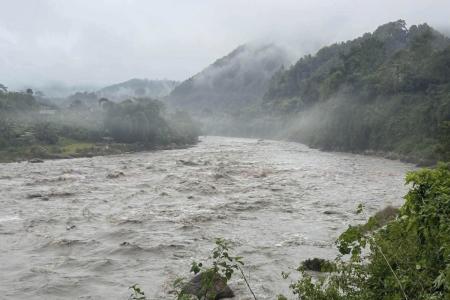
The flood, landslide, and avalanche in trekking regions in Nepal in 2026 have reminded us how quickly conditions can change in the mountains. A bridge can be broken, trails may be lost, and rain can make familiar trails dangerous. During situations like these, an experienced guide can make significant changes. They can assess the danger, gather necessary information, and take immediate precautions. They can identify the problem and the best possible next move and coordinate with the ground team. Sometimes taking an alternative route can be safer than returning, and sometimes aborting the trek is the solution.
They don’t just guide; they take responsibility.
Guides don’t limit themselves to their duties. They carry a huge sense of responsibility. They always want to complete the trek in as safe and memorable a way as possible, and they work really hard to achieve this. A responsible guide is someone who makes you feel safe, heard, recognises when you need help, and works to find the best solution possible. They take responsibility for your safety, your experience, and your connection with locals. They don’t just take you to the destination; they make your whole journey splendid.
So, A guide is not just a luxury addition to your journey; rather, they are the spirit of the journey.
They are the souls of mountains.
They are your eyes when you cannot see the danger, your helping hands when challenges become overwhelming, and sometimes your supporting legs when you cannot walk any further.
They may not be able to solve every problem. Their knowledge, experience, and willingness to help can make a life-changing decision for you.
Trek responsibly in Nepal. We never doubt your ability to challenge yourself or conquer mountains on your own. Sometimes Mother Earth can be rude. We never underestimate the power it holds. They can humble us anytime. The mountains are beautiful, and they require respect. Be prepared, be cautious; it's always better to have precautions than a cure.
Choose a very responsible ground team (Trekking company ) and a very good, experienced guide.
Facing every challenge with smartness and a smile is what Guides do. Guide will be your companion in Himalaya not an additional facility .
Written By
Dipasha Dhakal