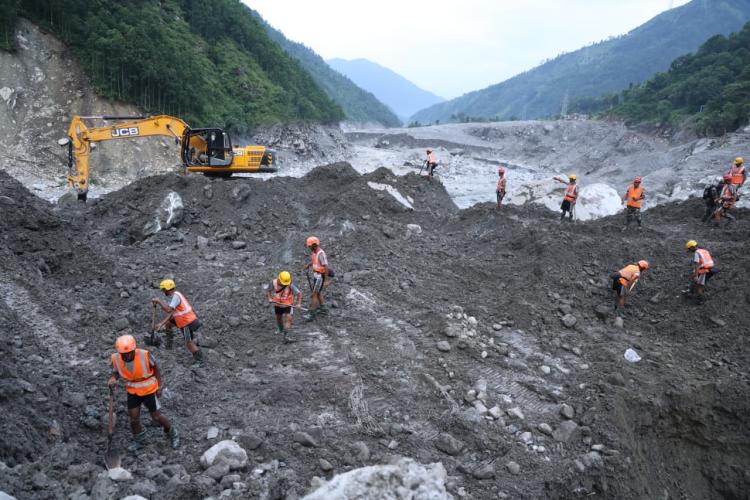
The recent flood in the Rasuwagadhi–Kerung border area has raised concerns among travelers planning to visit Nepal, especially those preparing for the Langtang Valley Trek, Gosaikunda Trek, or the Kailash Mansarovar Yatra via Kerung. Following heavy flooding and water flow in the area around Langtang Lirung and the northern Rasuwa region, the flood affected settlements and infrastructure along the route from Rasuwagadhi toward Timure and Syabrubesi. The situation also caused damage further downstream toward Uttargaya, Betrawati, Trishuli, and the Galchi Baireni area. Rescue, search, and relief operations are continuing in the affected areas, and travel through this particular corridor remains disrupted.
Because the Rasuwagadhi border is the main overland gateway between Nepal and Tibet, the impact is especially important for travelers planning to cross into Tibet. The Kailash Mansarovar Yatra via Kerung has been affected, while trekking routes connected to the Rasuwa and Langtang area, including the Langtang Valley and Gosaikunda routes, also require careful consideration until the local roads and trails are confirmed safe. If you are planning one of these journeys, we strongly recommend checking the latest situation before traveling rather than relying on previously prepared itineraries. Mountain conditions can change quickly, and safety should always come first.
Is Nepal Safe for Trekking After the Rasuwagadhi Bhotekosi River Flood?
This is probably the biggest question travelers are asking right now: Is Nepal safe for trekking after the Rasuwagadhi flood? The simple answer is that the situation in Rasuwagadhi does not mean the whole of Nepal is affected. Nepal has many different trekking regions, and they are connected by different roads, trails, and access points. A flood or landslide in one area does not automatically make every trekking destination in the country unsafe.
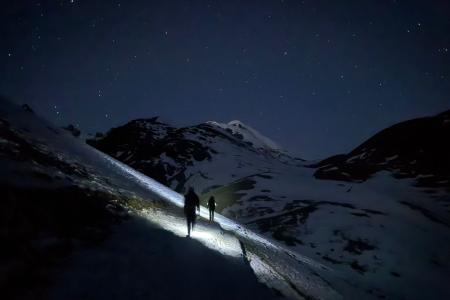
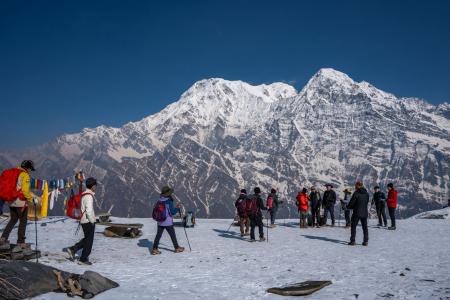
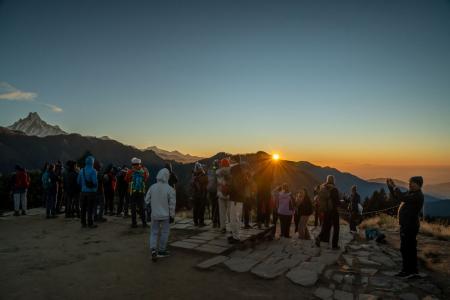
The Annapurna, Manaslu, and Everest regions, along with destinations such as Dhaulagiri and Kanchenjunga, are separate trekking areas. Travelers planning the Annapurna Circuit, Annapurna Base Camp, Manaslu Circuit Trek, or Everest Base Camp Trek should look at the conditions of their own route rather than assuming that the Rasuwagadhi situation applies everywhere. Local weather, road conditions, and trail conditions should still be checked before departure, but there is an important difference between a problem affecting the Rasuwa–Kerung corridor and conditions in other parts of the Nepal Himalayas.
For travelers who are already planning their Nepal trekking holiday, there is no need to panic. The best thing to do is stay informed and remain flexible. If your planned route is affected, your trekking company can check the latest information, speak with local guides and communities, and advise whether it is better to postpone, change the route, or continue with your original plan. For routes outside the affected area, normal preparation is still important: choose an experienced local trekking agency, allow some extra days in your itinerary, check transportation conditions, and make sure you have suitable travel insurance.
At Trek Curator, we understand that travelers want to know what is really happening on the ground before making their plans. Our priority is always the safety of our guests. If you are planning a Nepal trekking tour, Annapurna trek, Manaslu Circuit Trek, Everest Base Camp Trek, or another Himalayan adventure, we can help you understand the current situation of your particular route and plan accordingly. For Langtang, Gosaikunda, and Kailash Mansarovar via Kerung, we will continue to monitor the situation closely and provide travelers with updated information before their journey.
Nepal Trekking Is Not Limited to One Region
Nepal offers trekking routes across a large area of the Himalayas. The recent situation around Rasuwagadhi is serious, but it should not create the impression that all trekking in Nepal has stopped or that Nepal as a whole is unsafe. The Annapurna region, Manaslu region, Everest region, Dhaulagiri, Kanchenjunga, and many other destinations have their own routes and access points.
If you are planning to visit Nepal in the coming weeks or months, the best approach is to check the latest local conditions for your destination and make your plans with a reliable local operator. Himalayan travel always requires some flexibility, particularly during periods of changing weather. A responsible trekking company will never encourage travelers to take unnecessary risks simply to follow a fixed itinerary.
The Rasuwagadhi Kerung corridor has been seriously affected, and travel through the area should only resume when the relevant authorities confirm that it is safe. However, this situation should not be confused with the safety of every trekking region in Nepal. Annapurna, Manaslu, Everest, Dhaulagiri, Kanchenjunga, and other regions should be assessed separately based on their own local conditions. For the latest information about your planned trek or tour, speak with your local trekking agency before starting your journey.
Nepal remains a country of extraordinary Himalayan landscapes, diverse trekking routes, and welcoming communities. The mountains always demand respect, patience, and good planning. Travel safely, stay informed, and let the conditions guide your journey.